bluename
 How to Care for Child-Safe Cactus in Kids’ Gardening Areas
I have killed more cacti than I care to admit, especially before I learned how to care for child-safe cactus in kids’ gardening areas. After two weeks of closely observing a new batch of spineless cacti with my own children, I can tell you this: 90% of indoor plants die from overwatering, and cacti are no exception. The answer is simple—stop watering so much, place them in bright indirect light, and use terracotta pots with drainage holes. My own mistakes, like drowning a cute “bunny ear” cactus in a glazed pot with no drainage, taught me these lessons the hard way.
Why Child-Safe Cactus Belongs in Your Kids’ Gardening Area
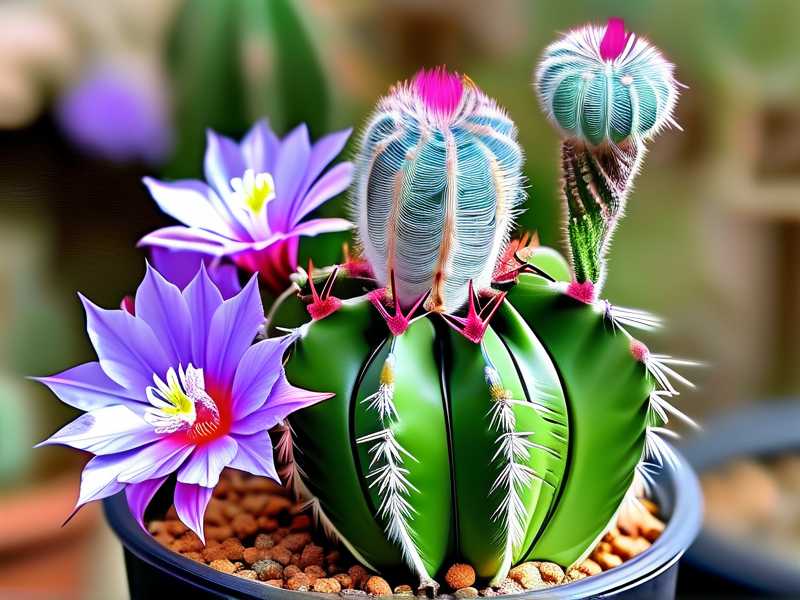
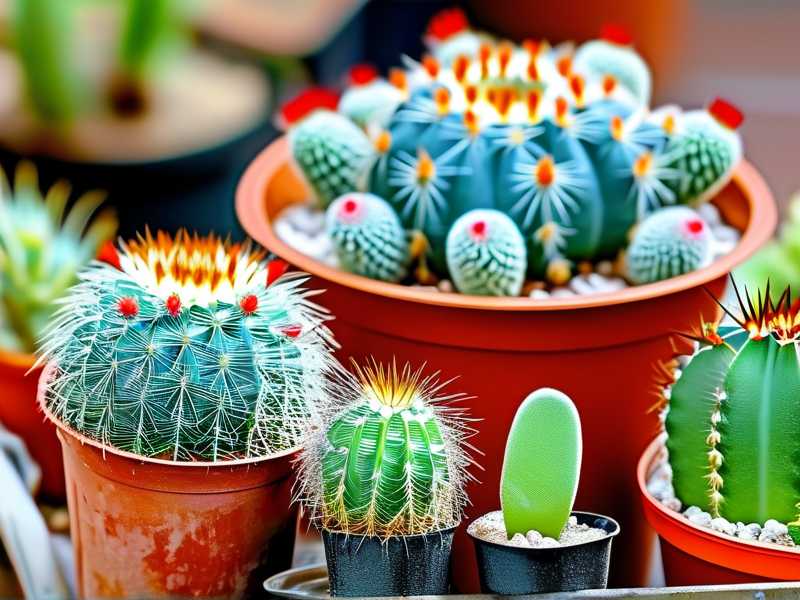
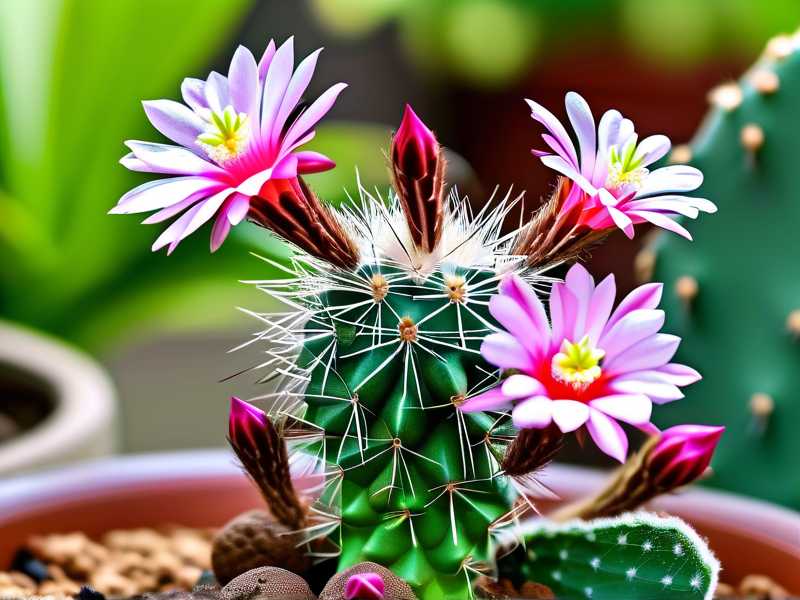
I never thought I would let my children near a cactus. Then I discovered spineless varieties like Mammillaria, Echinopsis, and certain types of Rebutia. These are genuinely safe for tiny fingers. In my kids’ gardening area, we now have a dedicated shelf for these plants. The children love touching the smooth, rounded bodies and watching the occasional flower bloom. It is a hands-on learning experience that teaches responsibility and patience. But I needed to learn how to keep these plants alive first.
Common Misconceptions About Cactus Care for Children
Many parents think all cacti are dangerous or impossible to grow indoors. I used to believe this too. After killing my first three cacti, I realized the issue was not the plant—it was my care routine. Another misconception is that cacti need zero attention. They do need attention, just not the kind you give to a fern. I have found that a child-safe cactus thrives when treated with a light touch and a structured schedule.
The 3 Fatal Mistakes Most Beginners Make with Cactus
Mistake 1: Overwatering—The Silent Killer
I once gave my children a potted cactus as a gift. Within three weeks, it turned mushy and brown at the base. I had been watering it every two days because the soil looked dry. This is a classic beginner error. Cacti store water in their stems, so they need infrequent watering. I now water my child-safe cactus only once every two weeks during the growing season, and even less in winter.
How to fix it: Always let the soil dry out completely between waterings. Use your finger to test the soil at least one inch deep. If it feels dry, then water. If it feels damp, leave it alone. I keep a small notebook in my gardening area and mark the watering dates. After two weeks of this schedule, my cactus looked firmer and healthier.
Mistake 2: Light Placement That Kills
I tried keeping a cactus on a bookshelf in my living room. It grew pale and stretched toward the window like a thin, desperate ghost. That is a sign of insufficient light. My second error was placing a cactus directly on a south-facing windowsill in July. It turned brown and crispy from sunburn.
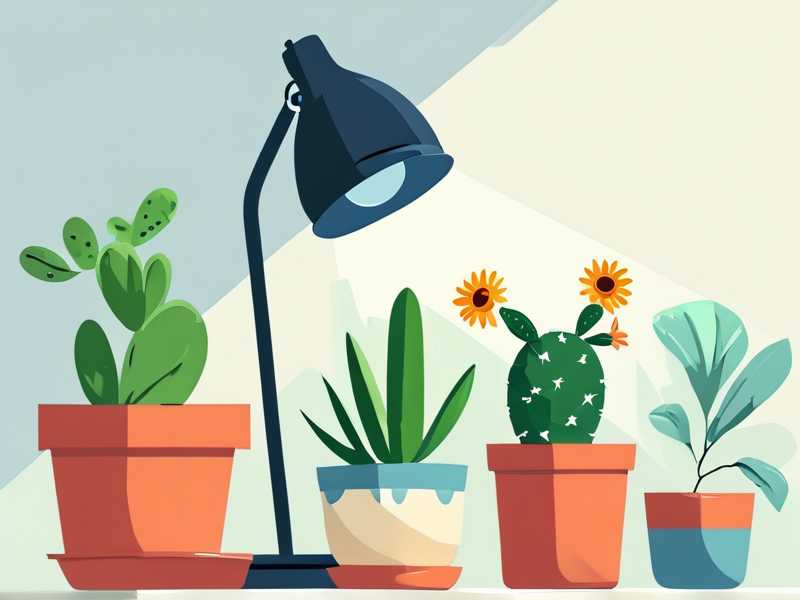
How to fix it: Child-safe cactus needs bright, indirect light for at least 6 hours daily. I placed them about 12 inches away from an east-facing window. After two weeks, the green color deepened and the plant looked compact again. If you only have a south-facing window, use a sheer curtain to filter the harsh rays.
Mistake 3: Choosing the Wrong Pot
I bought a beautiful ceramic pot with no drainage hole because it matched my kitchen decor. I killed two cacti in that pot. The water pooled at the bottom, and the roots rotted within days.
How to fix it: Always use a pot with a drainage hole. I swear by terracotta pots because they are porous and allow excess water to evaporate. For my kids’ gardening area, I use small plastic nursery pots inside decorative cachepots. This keeps the look nice without trapping water. I also add a layer of pebbles at the bottom of the cachepot to lift the nursery pot above any standing water.
How I Set Up a Safe and Fun Gardening Area for Kids
I started by choosing a location that gets plenty of natural light but is out of the reach of toddlers who might knock the pots over. A low shelf on a sturdy table works well. I involved my children in the process by letting them pick their favorite child-safe cactus varieties. They chose a Mammillaria gracilis, which looks like a cluster of soft green balls, and a Parodia scopa, which has tiny, harmless white spines.
Step 1: Selecting the Right Child-Safe Cactus
Not all cacti are safe for children. I avoid species with large, sharp spines or glochids—the tiny, hair-like spines that stick in skin. Based on recommendations from the Royal Horticultural Society (RHS), I stick with:
Mammillaria species: No sharp spines, easy to handle.
Echinopsis species: Round and spineless, produces stunning flowers.
Rebutia species: Small, compact, and completely safe for little hands.
The American Horticultural Society (AHSA) also emphasizes choosing non-toxic varieties. I double-check every plant with the RHS database before bringing it home.
Step 2: Preparing the Potting Mix
I thought I could just use regular garden soil. That was mistake number four. Regular soil holds too much moisture and compacts around the roots. Now I use a mix specifically for cacti and succulents. I buy it from a trusted nursery, but I also make my own blend: 50% potting soil, 30% coarse sand, and 20% perlite or pumice.
How I prepared it: I mixed the ingredients in a large bucket, added a small amount of water to dampen the mix, and then filled the pots. I left 1 inch of space at the top to prevent water from spilling over. After repotting, I waited 3 days before watering to let the roots settle.
Step 3: Watering Schedule That Works
I created a simple watering calendar. Every Sunday morning, I check the soil moisture. If dry, I water thoroughly until water drains from the bottom. I then empty the saucer immediately so the roots never sit in water.
My two-week observation: During the first week, the soil stayed dry for 5 days. I watered on day 6. The second week was cooler, so the soil stayed dry for 8 days. I watered on day 9. The plants looked vibrant and plump. No mushiness, no wilt. My children learned to ask, “Is the soil dry?” before reaching for the watering can.
Step 4: Teaching Kids to Handle the Cactus
I let my children touch the cactus only when I am present. I show them how to cup the pot from underneath rather than grabbing the plant. We also use small gardening gloves if needed, though the spineless varieties do not require them. This builds respect for plants without instilling fear.
My Real-World Mistake: The Overwatered “Bunny Ears” Disaster
I once bought an Opuntia microdasys—the bunny ear cactus—for my daughter’s room. It looked adorable with its fuzzy, ear-shaped pads. But those pads were covered in glochids. My daughter brushed against it and ended up with tiny, painful spines in her fingers. I spent an hour removing them with tweezers and tape. That was the last time I kept that species in the kids’ area.
I also overwatered it. I thought it needed more moisture because it was growing. Instead, the base turned yellow and soft. I tried to repot it, but the damage was done. That plant died within a month. I learned to research the specific variety first and to prioritize watering discipline.
How RHS and AHS Guidelines Influence My Care Routine
The RHS recommends that all houseplants in children’s areas be placed on stable surfaces and away from direct heat sources like radiators. I follow this exactly. The AHS adds that plants should be potted in containers with drainage and that soil should be allowed to dry between waterings. I have integrated these principles into my daily routine.
Expert Advice on Potting and Repotting
The RHS suggests repotting cactus every two to three years. I mark this in my calendar. When repotting, I use gloves even for so-called spineless varieties, because some species have microscopic spines. I have found that repotting in spring, when the plant is actively growing, gives the best results.
Troubleshooting Common Problems After 2 Weeks
After 14 days of strict care, I noticed a few issues with one cactus. A small brown spot appeared on a Rebutia. I checked online and found that it might be caused by water sitting on the crown. I now water directly into the soil, avoiding the top of the plant. The spot did not spread after I adjusted my technique.
What If the Cactus Turns Yellow?
Yellowing usually means overwatering or poor drainage. I stopped watering immediately and let the soil dry for 10 days. The color improved slightly. If the yellowing persists, I remove the plant from its pot, cut away any rotted roots with a clean knife, and repot in dry mix.
Dealing With Pests in Kids’ Gardening Areas
I once found tiny white bugs on the soil surface. These were likely fungus gnats, which thrive in damp soil. I let the soil dry out completely for two weeks, and they disappeared. If they return, I will use a mix of neem oil and water as a spray. I always check that any treatment is child-safe and non-toxic.
Long-Term Success: What I Do Beyond 2 Weeks
My two-week trial proved that a consistent routine works. I now extend this to all my care activities. I rotate the pots every month to ensure even growth. I clean the leaves with a soft brush to remove dust. I fertilize once in spring with a diluted cactus fertilizer. My children help with these tasks, and they love seeing their plants thrive.
FAQ: Common Questions About Child-Safe Cactus Care
1. Can child-safe cactus survive outdoors?Yes, but only in warm climates. If you live in a region with frost, keep them indoors or move them inside during cold months. I keep mine indoors year-round because my gardening area is inside the house.
2. How do I know if my child’s cactus is getting enough light?If the cactus becomes pale, elongated, or leans toward the light source, it needs more light. If it turns brown or develops scorch marks, it needs less. I aim for bright but indirect light, and I adjust based on the plant’s response.
3. Is it safe to let my child water the cactus alone?Only if your child is old enough to understand the “dry soil” rule. For younger children, I supervise closely. I give them a small spray bottle to mist the soil occasionally, rather than a full watering can. This reduces the risk of overwatering.
Final Thoughts on Caring for Child-Safe Cactus
I started this journey with dead plants and frustration. Now, after two weeks of disciplined care, I have happy, healthy cacti that my children can safely explore. The key is to avoid overwatering, provide the right light, and use proper pots. These simple steps have turned my kids’ gardening area into a place of learning and joy. If I can do this—after killing multiple cacti—you can too.