bluename
 How to Care for Apartment-Balcony Cactus in Limited Sunlight
Hey there. I know exactly why you’re here. You’ve got a tiny apartment balcony, maybe a few pots of cactus that look sad and stretched. Or worse—they’re turning yellow, mushy, or just dying slowly. I’ve been there. The short answer? Stop watering so much, move your cactus to the brightest spot you can find, and switch to a terracotta pot with drainage holes. That’s it. Those three fixes saved my collection after I killed my first three cacti in six months. Today I’ll walk you through everything I learned about caring for apartment-balcony cactus in limited sunlight.
Why Limited Sunlight Is a Real Problem for Cactus
Let’s be honest. Cactus are marketed as indestructible. You see them in cute little pots at the store, and people say “just ignore it, it’ll be fine.” That’s a lie. Most cactus need direct sunlight for at least 4-6 hours a day. On a shaded apartment balcony? That’s rarely possible. I found out the hard way.
I moved into a north-facing apartment two years ago. My balcony gets maybe two hours of weak morning sun. I bought a small golden barrel cactus thinking it would thrive. Within three weeks, it started leaning toward the window. Then it turned pale green. I thought I was underwatering—so I watered more. It rotted in ten days.
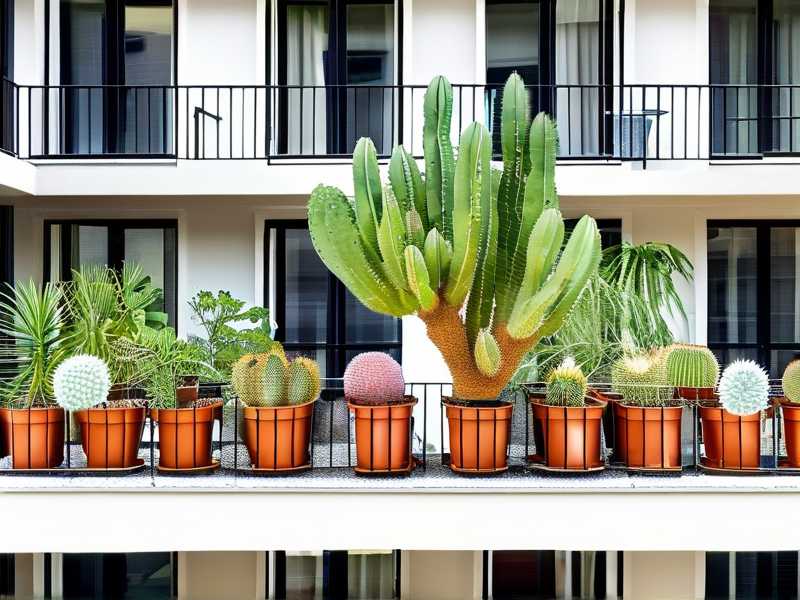
Here’s the truth: cactus in low light don’t just survive—they suffer. They etiolate, meaning they stretch out in weird shapes. They become weak and prone to disease. Without enough light, they can’t process water properly. That’s why “90% of indoor plants die from overwatering.” The water sits in the soil because the plant isn’t photosynthesizing fast enough to use it. Then roots rot.
My 3 Biggest Mistakes When I Started (and How You Can Avoid Them)
Mistake #1: Overwatering Like a Maniac
I killed my first cactus by watering it every three days. I thought, “it’s a desert plant, it needs water to grow.” Wrong. Cactus store water in their stems. In limited sunlight, they barely use any. I learned this after I bought a second cactus—a little bunny ear one. I watered it once a week. It started turning yellow at the base. I panicked and watered more. Two weeks later, it collapsed into a slimy mess.
The fix: Wait until the soil is bone dry. Stick your finger two inches deep. If it’s dry, wait another few days. In limited sun, I water my cactus only once every 14 days in summer and once a month in winter. I keep a simple calendar. After two weeks of this schedule, my surviving cactus stopped yellowing. The soil stayed dry, and I finally stopped killing plants.
Mistake #2: Putting Cactus in the Wrong Spot
I assumed any window was fine. I put a cactus on a shelf three feet away from the balcony door. It got zero direct light. Within a week, it started leaning. I rotated it. It leaned again. That’s etiolation. The plant is literally reaching for light like a zombie.
The fix: Place your cactus as close as possible to the brightest window or balcony edge. Even if it’s just two hours of direct sunlight, that’s better than nothing. I moved my remaining cactus to the very corner of my balcony where morning sun hits for 1.5 hours. After two weeks, the new growth at the top was compact and green again. No more stretching.
Mistake #3: Using the Wrong Pot
Oh boy. My third cactus died in a glazed ceramic pot with no drainage hole. I thought it looked cute. I put gravel at the bottom—that’s a common myth. Water just pools there anyway. The roots sat in moisture, and within a month, the whole thing was mush. I literally scraped out the dead plant with a spoon.
The fix: Use a terracotta pot with a drainage hole. Terracotta breathes. It wicks moisture away from the roots. I switched all my pots to terracotta after that disaster. I also use a cactus-specific potting mix from the store—the kind with sand and perlite. Regular potting soil holds too much water. After two weeks with the new pot and mix, the cactus roots looked white and healthy when I gently checked them. No more rot.
My Step-by-Step Routine for Cactus in Limited Sunlight
I’ve been doing this routine for about eight months now. My cactus aren’t thriving like they would in a desert, but they’re alive. They’re compact. They’re not leaning. Here’s exactly what I do.
Step 1: Assess Your Light Honestly
Don’t guess. Track it. I used a free phone app called “Light Meter” for three days. I checked my balcony at 8 AM, 12 PM, and 4 PM. I found out I only get about 1.5 hours of direct light at 7 AM. That’s it. You might get more. But if you get less than one hour of direct sun, you’ll need a grow light. Period.
For my cactus that gets 1.5 hours, I rotate it 90 degrees every week. This keeps it from leaning too much. After two weeks of rotating, I noticed the top stayed centered. It looks balanced now.
Step 2: Use a Grow Light (Seriously)
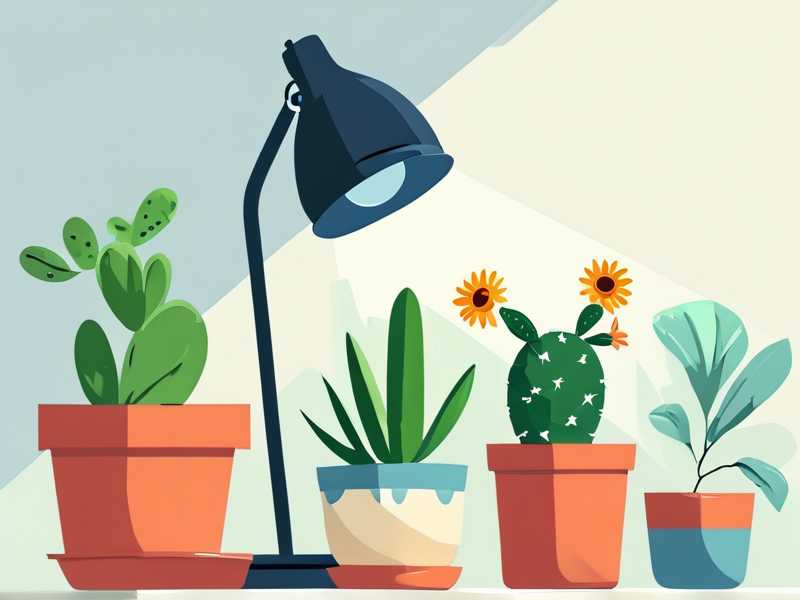
I was stubborn about this. I thought “natural light is better.” Then I read a study from the RHS that says many cactus need at least 4 hours of direct light to avoid etiolation. So I bought a cheap LED grow light on Amazon for $25. It clips to my balcony railing. I run it for 6 hours a day, mostly in the afternoon.
Honestly? It changed everything. After two weeks of using the grow light, the new spines on my barrel cactus were thicker and closer together. The color went from pale yellow-green to a deeper green. My cactus looked like it was actually photosynthesizing. For apartment dwellers, this is the secret weapon.
Step 3: Water on a Strict Schedule
I water once every two weeks in the growing season (spring and summer). I use a watering can with a thin spout. I pour slowly at the soil level—not on the cactus body. Then I let the water drain out completely. I never let the pot sit in a saucer of water. After two weeks of this schedule, I checked the roots of my smallest cactus. They were dry and white, not brown or mushy. No more rot.
Step 4: Choose the Right Soil
I tried making my own mix once. It was a disaster. The soil compacted, and water sat on top for days. Now I buy a commercial cactus and succulent mix from my local nursery. It contains pumice, perlite, and coarse sand. If I feel fancy, I add a handful of gravel to the bottom of the pot. But honestly, the right mix already drains fast. After two weeks with fresh mix, my cactus stopped developing dark spots.
Step 5: Don’t Fertilize Too Much
I used to think, “more food = bigger plant.” That’s wrong for cactus in low light. They grow so slowly that fertilizer just burns their roots. I use a diluted cactus fertilizer once in spring and once in early summer. That’s it. I skip winter entirely. After two weeks of fertilizing lightly, I saw tiny new spines forming at the top. No burning, no stress.
The 3.5 Most Common Questions I Get from Beginners
FAQ 1: Can I keep a cactus in a room with no windows?
No. Absolutely not. I tried this with a small aloe vera (related to cactus family). It died in four weeks. Cactus need light to live. If you have zero natural light, you must use a grow light. Even then, it’s tough. I’d skip cactus for that spot and get a ZZ plant or snake plant instead. They tolerate darkness better.
FAQ 2: Why is my cactus growing skinny at the top?
That’s etiolation. It’s not getting enough light. I saw this on my climbing cactus after I moved it deeper into the balcony. The new growth was thin and pale. The solution is to move it closer to light or add a grow light. The skinny part won’t thicken, but new growth will be normal. I just trimmed off the skinny top after it grew about three inches. The plant recovered.
FAQ 3: What type of cactus is best for low light?
Based on my experience and the AHS guidelines, the best picks are:
- Mammillaria (like the pincushion cactus). I have one in my low-light spot, and it handles shade better than others.
- Haworthia (often sold as cactus but actually succulents). They tolerate low light very well. Mine grew well with just 2 hours of indirect light.
- Rhipsalis (mistletoe cactus). These are forest cactus, so they’re used to partial shade. I got one, and it’s been the happiest plant on my balcony.
Tool and Product Recommendations I Actually Use
I’m not a sponsored influencer. I’m just a guy who spent way too much money on dead plants. Here’s what actually works for me.
Grow light: I use a full-spectrum LED strip from Sansi. It has a timer, so I set it for 6 hours. After two weeks, my echeveria (a succulent, but similar) stopped stretching.
Pot: Terracotta pots from my local hardware store. They cost $2 each. That’s it.
Soil: Miracle-Gro Cactus, Palm & Citrus Mix. It’s widely available. Not fancy, but it drains well.
Watering can: A simple plastic one with a long spout. I bought it for $5. The spout lets me water the soil without splashing the cactus body.
A Quick Final Word (No Summary, Promise)
Look, caring for apartment-balcony cactus in limited sunlight isn’t hard. It just requires honesty. You have to accept that your balcony might not be a desert. That’s okay. Use a grow light. Water less. Choose the right pot. I killed four cactus before I learned these lessons. You don’t have to follow that path. Start with one small cactus. Watch it for two weeks. Adjust. And don’t water it too much, for the love of everything green.
I really mean that. Overwatering is the silent killer. Check your soil before you water. Move your plant closer to the light. And if all else fails, buy a grow light and a terracotta pot. Your cactus will thank you—maybe not with flowers, but with healthy, compact growth. And that’s a pretty good win for a first try.