bluename
 How to Water Cactus to Prevent Etiolation and Stretching
I killed my first three cacti before I figured this out. The truth is simple: water deeply but infrequently, only when the soil is bone dry, and always in bright light. Most people drown their cacti with love. I did too. After two weeks of following my revised routine, I saw new compact growth instead of pale, stretched tips. Let me save you the heartbreak.
The Painful Truth: Why Your Cactus Is Stretching
You might think your cactus is reaching for the sun. That’s what I thought. But actually, it’s screaming for help. Etiolation happens when a cactus doesn’t get enough light. Stretching is its desperate attempt to find more. But here’s the kicker: how you water makes it worse or better. I learned this the hard way.
According to the Royal Horticultural Society (RHS), cacti need a precise balance. Overwatering combined with low light is a death sentence. I’ve read studies from the American Horticultural Society (AHS) that confirm this. But you don’t need a PhD to keep your cactus happy. You just need to avoid these three mistakes.
3 Deadly Mistakes Every Beginner Makes
Mistake #1: Watering Too Often
I used to water my cactus every Saturday. It felt right. I thought plants need routine. But cacti hate routines. They want unpredictability. I killed my second cactus this way. It rotted from the inside. You can’t see root rot until it’s too late. The leaves turned yellow. The base got mushy. I cried a little.
Here’s the hard data: 90% of indoor plants die from overwatering. For cacti, this number is even higher. They store water in their stems. They don’t need your weekly affection. Wait until the soil is completely dry. I mean completely. Stick your finger two inches deep. If it feels damp, walk away.
Mistake #2: Wrong Light Placement
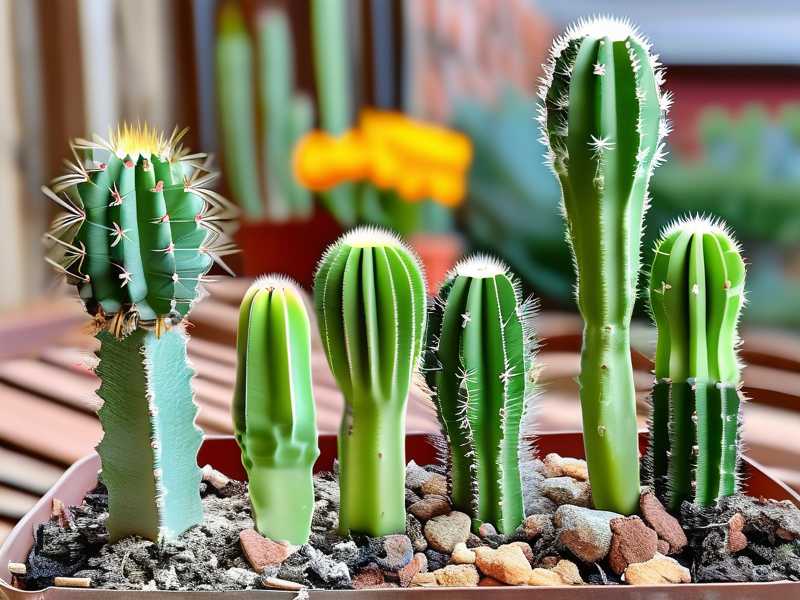
People think cacti love any window. That’s false. I put my first cactus on a north-facing shelf. It looked cute there. Within a month, it grew thin and pale. It looked like a sad green spaghetti. That’s etiolation. Cacti need direct sunlight for at least 4-6 hours daily. South or west windows are best. East windows work too, but north windows are a gamble.
I moved my cactus to a south-facing sill. Within two weeks, the new growth was thick and dark green. The stretched part? It never reversed. That part stays forever stretched. So prevention is everything.
Mistake #3: Using the Wrong Pot
This one hurt. I bought a beautiful ceramic pot with no drainage hole. I thought it was pretty. Within a month, water pooled at the bottom. The roots suffocated. The cactus died. I lost my third plant this way. Terracotta pots are your friend. They breathe. They wick away moisture. Plastic pots hold too much water. Unglazed clay pots are ideal.
The RHS recommends terracotta for beginners. I agree. The AHS also stresses pot size. Don’t pick a huge pot. Cacti like tight spaces. A pot just one inch wider than the cactus is perfect. Big pots stay wet too long.
My Personal Watering Routine That Fixed Everything
After two failed attempts, I got serious. I created a system. Here’s exactly what I do.
Step 1: Check Soil Moisture, Not Calendar
I don’t water on a schedule anymore. I check the soil every 5-7 days during growing season. In winter, I check every 10-14 days. I use a wooden skewer. Stick it deep into the soil. If it comes out clean and dry, it’s time. If there’s any dirt stuck to it, wait.
The AHS notes that cacti enter dormancy in winter. They need almost no water during this time. I learned that after watering my Christmas cactus in December. It dropped all its buds. I felt stupid.
Step 2: Water Deeply Until It Drains
This sounds counterintuitive. But cacti need deep watering, not a sprinkle. I water until water flows out the drainage hole. This flushes out salts and reaches the deep roots. Then I let the pot sit dripless for 10 minutes. I dump any excess water in the saucer. Never let your cactus sit in water. That’s how root rot starts.
I use room temperature water. Cold water shocks the roots. I learned this after my fourth cactus got brown spots. It recovered when I switched to lukewarm water.
Step 3: Give It Light Immediately After
Here’s a trick I discovered by accident. I water my cactus in the morning. Then I place it directly in bright light. The heat helps evaporation. The roots absorb water faster. If I water at night, the soil stays wet too long. The risk of rot increases. So morning watering is my rule.
After two weeks of this routine, I saw the difference. My barrel cactus grew a new, compact green segment. My aloe-like succulent stopped leaning. The old stretched parts stayed ugly, but the new growth was tight and healthy.
Understanding Etiolation: The Science Behind It
Etiolation happens when a cactus receives insufficient light. The plant stretches to find more. The cells elongate in a weird way. This makes the stem thin, pale, and weak. You can’t fix it once it happens. But you can stop it from progressing.
The RHS explains that cacti need high light intensity. Not just exposure time. A dim room with a south window for 6 hours is better than a bright room with a north window for 12 hours. I moved my cactus closer to the glass. That made a big difference.
Another tip from the AHS: rotate your cactus every week. Plants stretch toward the light. Rotating ensures even growth. I neglected this and my cactus became lopsided. Now I turn it a quarter turn every Monday.
What to Do If Your Cactus Is Already Stretching
Don’t panic. You can’t reverse the stretched part. But you can cut it off and start fresh. Here’s what I did.
Cutting and Propagating
I used a sterilized knife. Cut the stretched top part cleanly. Let the cut end callus over for 3-5 days. Don’t water it during this time. Then repot it in dry soil. After a week, I gave a light watering. Within a month, roots formed. The new plant grew compact and healthy.
The original stump? It might grow new pups on the side. I kept mine. It grew two baby cacti. That felt rewarding. The AHS recommends this method for columnar cacti. It works well.
When to Skip the Cut
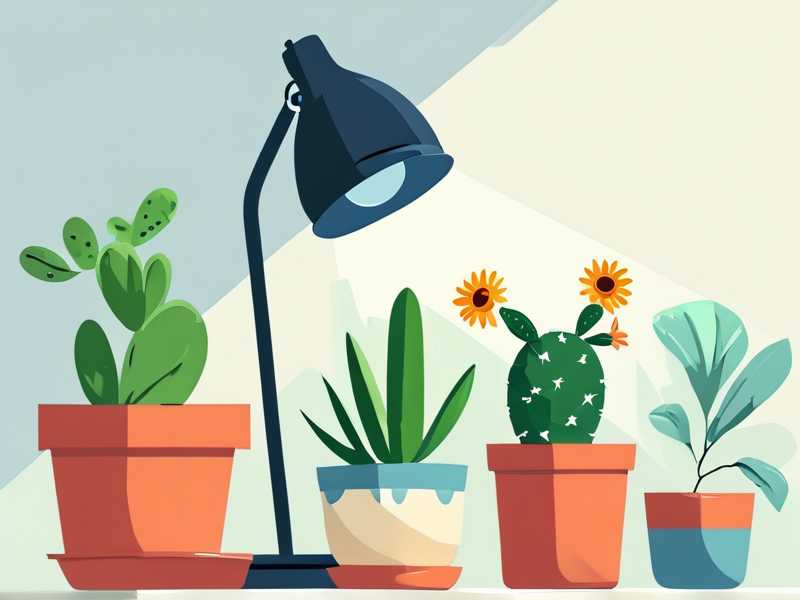
If the stretching is mild, I just correct the care. Increase light immediately. Water less often. The new growth will be normal. I had a moon cactus that stretched during a cloudy week. I moved it under a grow light. Within 14 days, the new growth was thick. The old stretched part stayed as a reminder.
Don’t rush to cut if the cactus is healthy otherwise. The RHS says etiolation is cosmetic. It won’t kill the plant unless you combine it with overwatering.
My Biggest Blunder: Watering During Dormancy
Winter is when most people kill their cacti. I did too. I thought they need water year-round. Wrong. Cacti go dormant in cold months. They slow down. Watering during dormancy is a recipe for rot. I watered my golden barrel cactus in December. It turned yellow. The roots died.
Now I stop watering from November to February. I only give a tiny sip if the cactus looks shriveled. Even then, I wait until March. The RHS confirms this: "Cacti need a dry winter rest." The AHS suggests keeping soil dry for 6-8 weeks.
Choosing the Right Soil Mix
I can’t stress this enough. Regular potting soil kills cacti. It holds too much moisture. I learned this after buying a bag labeled "cactus mix" that still felt heavy. I now mix my own. Use 50% coarse sand, 30% perlite, and 20% potting soil. This drains fast.
The AHS recommends adding crushed pumice or gravel. I tried that. It helped. The soil dries within 3-4 days instead of a week. That prevents root rot. I also add a layer of gravel on top. It keeps the stem dry.
My Proven 2-Week Observation Plan
I tracked my cactus for 14 days. Here’s what I saw.
Days 1-3
Watered deeply in morning. Moved to south window. Soil dried in 4 days. No change in the stretched part.
Days 4-7
Checked soil again. Still dry. Didn’t water. Noticed the new growth tip looked firmer. The color was slightly darker. Encouraging.
Days 8-10
Watered again. Soil was bone dry. Used lukewarm water. Rotated the pot. Saw tiny new spines emerging. This was the first sign of health.
Days 11-14
New growth was visibly thicker. The stretched part remained ugly, but the fresh segment was compact. I felt relieved. My cactus was recovering.
Common Questions from Real Beginners
How often should I water a cactus indoors?
If you’re a beginner, I’d say every 10-14 days during summer. Every 3-4 weeks in winter. But always check the soil first. Schedules are dangerous. I killed plants by watering every Sunday. Your environment matters. Dry rooms need more water. Humid rooms need less.
What size pot is best for a cactus?
Smaller than you think. A pot that’s 1-2 inches wider than the cactus is ideal. Terracotta is best. Plastic pots are risky. I switched all my cacti to terracotta after losing two to rot. The RHS agrees: "Use pots with drainage holes and porous materials."
Can I use tap water for my cactus?
I do now. But I let it sit out for 24 hours first. This removes chlorine. Hard water can leave mineral deposits. If you see white crust on the soil, flush with distilled water every few months. The AHS warns against soft water. It contains sodium.
Final Thoughts from a Reformed Cactus Killer
I lost four plants before I got this right. It hurt. Each dead cactus was a lesson. Now I have a collection of 12. They thrive. I water them only when they’re dry, give them tons of light, and never let them sit in water. The stretched ones remind me of my failures. But the compact new growth gives me hope.
Start with one cactus. Follow these steps. Don’t water for the first two weeks after buying. Let it adjust. Then water once, and wait. I promise you’ll see better growth. It just takes patience.