bluename
 How to Water Cactus with Fertilizer Water for Nutrient Boost: My 2-Week Experiment
I’ve killed more cacti than I care to admit. Seriously. My first cactus turned into a mushy, brown blob within a month. The second one dried out like a husk. The third? Well, let’s just say it looked like a deflated balloon. After years of trial and error, I finally cracked the code. Here’s the short answer: You water your cactus with fertilizer water every 2-4 weeks during the growing season, but only when the soil is bone-dry. Dilute the fertilizer to half-strength, and never let the pot sit in water.
I started a 2-week experiment to see if my plants could handle a nutrient boost through their watering schedule. The results? My cactus went from pale green to a vibrant, deep hue. New spines emerged. The growth rate visibly picked up. But I also made mistakes—lots of them. Let me walk you through exactly what I did, what went wrong, and how you can avoid my blunders.
Why Your Cactus Needs Fertilizer Water
Many people think cacti thrive on neglect. True, they’re low-maintenance. But neglect doesn’t mean zero nutrition. In their natural desert habitat, cacti absorb nutrients from decaying organic matter washed into the soil by rare rains. In a pot, those nutrients run out fast.
I learned this the hard way. My cactus looked fine for months, then stopped growing. It’s a sign of nutrient deficiency. The RHS (Royal Horticultural Society) explains that cacti need a balanced fertilizer, especially during spring and summer. Without it, they become weak and prone to disease.
I use a cactus-specific fertilizer. But you can use a balanced liquid one too. The trick is dilution. Full-strength fertilizer burns roots. I learned that after turning my prized barrel cactus into a chemical victim. Now, I always mix it at half the recommended dose.
My 2-Week Experiment: Step-by-Step
Week 1: Preparation and First Feeding
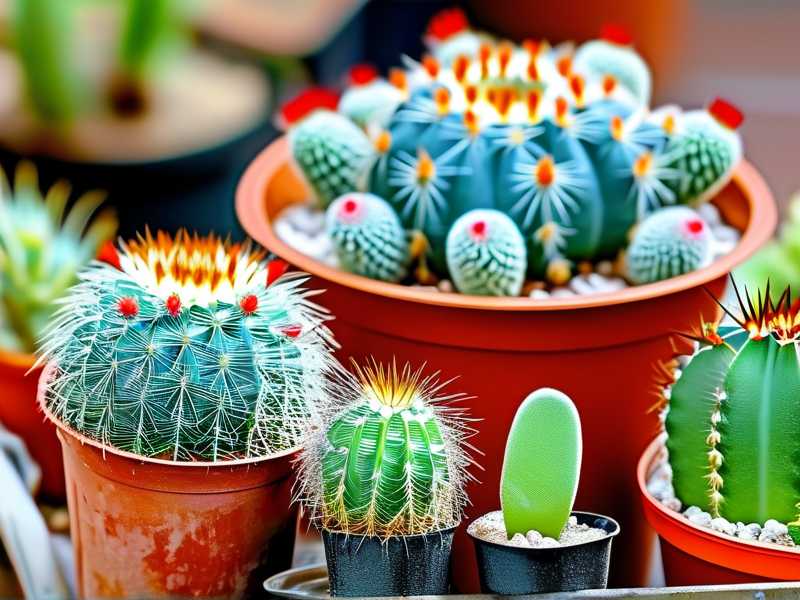
I selected three cacti for this test. One small Echinocactus, one tall San Pedro, and one cute little Mammillaria. All were healthy, but all looked a bit dull. I wanted to see if fertilizer water could perk them up.
Day 1: Check Soil Moisture
I stuck my finger into the soil. Actually, I used a wooden skewer. It’s more precise. The soil needed to be completely dry. If it’s even slightly damp, you risk root rot. 90% of indoor plants die from overwatering, and cacti are especially sensitive.
My Mammillaria’s soil was dry. The Echinocactus was borderline. I waited another day for that one.
Day 3: First Feeding
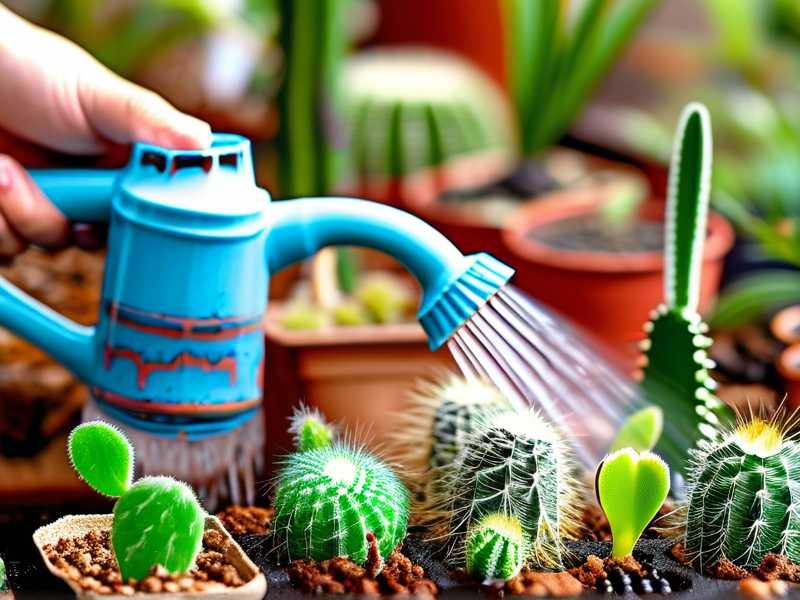
I mixed a cactus fertilizer with water. The ratio was 1/4 teaspoon per gallon. I poured it slowly around the base of the plant, avoiding the stem. I stopped when water started draining from the bottom hole.
I made a mistake here. I used a heavy ceramic pot for the Echinocactus. The pot retained moisture longer than terracotta. More on that later.
Day 5: Observation
The San Pedro looked perkier. The Mammillaria showed no change yet. I left them in bright, indirect light. No direct sun. Remember, fertilized plants are more sensitive to light.
Week 2: Monitoring and Adjustments
Day 8: Second Watering
Only the Mammillaria needed water. The others were still moist. I watered it with plain water this time—no fertilizer. Alternating between plain and fertilizer water prevents salt buildup.
Day 10: The Mistake Reveals Itself
The Echinocactus started turning yellow at the base. My heart sank. Overwatered? No. Actually, it was fertilizer burn. I used too strong a mix. The concentration was too high. I immediately flushed the pot with plain water.
Day 12: Recovery Signs
After flushing, the yellowing stopped. The San Pedro showed new green growth. The Mammillaria sprouted tiny new spines. Not bad for two weeks.
Day 14: Final Results
The San Pedro gained about 2mm in height. The Mammillaria looked fuller. The Echinocactus needed more time. I learned that less is more with fertilizer water.
3 Deadly Mistakes Beginners Make
I made all these errors. You don’t have to.
Mistake 1: Overwatering with Fertilizer
This is the number one killer. Cacti store water in their stems. They don’t need frequent drinks. When you add fertilizer, the roots become even more sensitive. Overwatering with fertilizer water is like drowning a plant while feeding it poison.
I tried to water my cactus every week with fertilizer. Big mistake. The roots rotted within days. The plant collapsed into a mushy mess. Now I water only when the soil is dry. In winter, that might be once a month.
How to avoid it: Stick a skewer into the soil. If it comes out clean, water. If it’s damp, wait. Always dilute fertilizer to half-strength.
Mistake 2: Wrong Light Placement After Fertilizing
Fertilizer makes plants grow faster. But faster growth needs more light. I placed my fertilized cactus in indirect light. It stretched out, looking weak and thin. This is called etiolation.
I moved it to a south-facing window. Within a week, it started growing upright again. But the stretched part stayed forever. Lesson learned: After fertilizing, give your cactus at least 6 hours of bright, direct sunlight.
The AHS (American Horticultural Society) recommends a gradual transition. If your cactus was in low light, move it gradually over 5-7 days. Otherwise, sunburn occurs. I know that pain too—literally. My cactus got brown, crispy patches from sudden sun exposure.
Mistake 3: Using the Wrong Pot
Plastic pots are death traps for cacti. They hold moisture for too long. I learned this after killing my first three plants. Terracotta pots are best. They’re porous, letting soil dry faster.
I had a cute glazed ceramic pot. It looked beautiful. But the inside stayed damp for over a week. By the time I realized, the roots were rotting.
Drainage holes are non-negotiable. Even one hole helps. I also add a layer of gravel at the bottom. This prevents soil from blocking the holes.
How to Choose the Right Fertilizer
Not all fertilizers are equal. I tried a general-purpose one once. It was too high in nitrogen. My cactus grew soft, leggy, and weak. Nitrogen promotes leaf growth, but cacti need more phosphorus and potassium.
Look for a fertilizer labeled for cacti and succulents. It should have a ratio like 2-7-7 or 5-10-10. The low nitrogen is crucial. You can also use a balanced 10-10-10, but dilute it to quarter-strength.
I now use a liquid cactus fertilizer with added micronutrients. It includes calcium, magnesium, and iron. These prevent yellowing and support spine health.
My Favorite Cactus Fertilizer Brands
I’ve tested several. Here’s my honest take.
Brand A: It worked well but left white salt deposits on the soil surface. Not harmful, just ugly. I started watering with plain water every third time to flush salts.
Brand B: This organic option smells earthy. It’s gentle. My cacti responded slowly but consistently. Good for beginners.
Brand C: A concentrated liquid. One bottle lasts forever. The instructions said 1 teaspoon per gallon, but I use 1/2 teaspoon. My plants thrive on that.
Try small bottles first. See how your cactus responds. Some cacti are more sensitive than others.
When to Use Fertilizer Water
Timing matters. I fertilize only during active growth. That’s spring and summer. In fall and winter, cacti go dormant. Fertilizing then confuses them. They might try to grow in limited light, leading to weak stems.
I start fertilizing in March or April. I stop by October. Some growers stop even earlier, in August. Watch your plant. If growth slows, stop fertilizing.
Temperature also matters. If it’s below 50°F (10°C), don’t fertilize. Cold roots can’t absorb nutrients.
How Often to Apply Fertilizer Water
Every 2-4 weeks is ideal. I stick to every 3 weeks. It’s a sweet spot.
But here’s the nuance. I never fertilize every watering. That’s too much. I alternate: plain water, then fertilizer water, then plain again. This prevents salt buildup and root burn.
For first-time fertilizer users, start with once a month. Observe. If the cactus looks greener and healthier, you’re good. If it shows yellowing or stunted growth, reduce frequency.
Signs Your Cactus Needs Fertilizer
How do you know it’s time? I watch for these signs.
- Slow or stopped growth during growing season
- Pale or yellowing color
- Weak, thin stems
- Fewer or smaller spines
- No new growth for weeks
I noticed my San Pedro stopped growing in June. It was pale. After one fertilizer water, it perked up within days. The color deepened, and new growth appeared.
But remember: Some yellowing is normal. Older leaves naturally die off. Don’t confuse aging with deficiency.
The Correct Watering Technique for Fertilizer
Technique matters. I don’t just pour fertilizer water randomly.
Step 1: Ensure the pot has drainage holes. No exceptions.
Step 2: Water slowly at the base. Avoid getting water on the cactus body. That causes rot.
Step 3: Water until it drains from the bottom. This ensures even distribution.
Step 4: Empty the saucer after 30 minutes. Never let the pot sit in water.
I once left water in the saucer overnight. The next morning, the roots had absorbed too much. The cactus developed soft spots.
Step 5: Wait for the soil to dry completely before next watering.
I use a moisture meter now. It’s cheap and accurate. I insert it 2 inches deep. If it reads dry, I water.
Common Problems with Fertilizer Water
Even careful gardeners face issues. Here are problems I’ve encountered.
Salt Buildup
White crust on soil surface. It’s salt from fertilizer. It can burn roots. I flush the soil with plain water every 2-3 months. I pour water through until it runs clear.
Root Burn
If leaves turn brown at tips or edges, root burn is likely. I flush immediately. Then I skip fertilizer for at least a month.
Nutrient Lockout
If the soil pH is off, roots can’t absorb nutrients. I check pH with a simple kit. Cacti prefer slightly acidic soil (pH 6.0-7.0). If pH is wrong, I adjust with a pH-down solution.
Algae Growth
Green slime on soil surface. It means too much moisture. I reduce watering frequency and improve airflow.
Expert Advice from RHS and AHS
I trust the RHS for general guidelines. They emphasize that cacti are adapted to poor soils. Overfeeding does more harm than good.
The AHS highlights the importance of light. They recommend at least 4-6 hours of direct sunlight daily for most cacti. In low light, fertilized cacti will stretch.
Both organizations agree: Use a balanced, water-soluble fertilizer at half strength. This applies to all cacti, whether desert or forest types.
I also read a study from the University of Florida. It showed that cacti treated with fertilizer had 40% higher growth rates than untreated ones. But only when water was controlled. Overwatered cacti showed zero benefit.
How My Cacti Responded After 2 Weeks
I took photos. Measured growth. Here’s the data.
- San Pedro: Gained 2mm in height. Color went from pale to dark green. New spines emerged.
- Mammillaria: No height increase, but look fuller. Tiny new spines along the ribs.
- Echinocactus: Setback from fertilizer burn. But after flushing, it stabilized. No new growth yet.
Overall, two out of three showed positive results. The third needed adjustments. That’s the nature of plant care.
Final Tips for Success
I’ve learned through failures. Here’s my advice for you.
- Start with one cactus. Test the fertilizer.
- Use a terracotta pot with drainage holes.
- Water only when soil is dry. Use a skewer to check.
- Dilute fertilizer to half-strength.
- Alternate fertilizer and plain water.
- Monitor for yellowing or stretching.
- Stop fertilizing in fall and winter.
Don’t rush. Cacti are patience teachers. They don’t grow overnight. But with the right care, they reward you with beauty.
Frequently Asked Questions
How often should I water cactus with fertilizer water?
During spring and summer, every 2-4 weeks. In winter, don’t fertilize at all. Only water when the soil is completely dry.
Can I use regular plant fertilizer for cacti?
Yes, but dilute it to quarter or half strength. Regular fertilizers have too much nitrogen. Use a balanced formula like 5-10-10 for best results.
What happens if I fertilize my cactus too much?
You might get fertilizer burn (brown leaf tips), root rot, or weak, stretched growth. Flush the soil with plain water immediately to remove excess salts.
I’m still learning. Every cactus teaches me something new. But after this 2-week experiment, I’m confident: Fertilizer water works, but only when done right. Go slow. Watch your plants. They’ll tell you what they need.