 bluename
 How to Water Cold-Hardy Cactus in Freezing Conditions
I live in zone 5b where winter temps drop to -20°F. For years I thought cactus just needed bone-dry soil all winter. I was wrong. After killing three prized specimens, I finally learned the real trick. Here's the straight answer: Water your cold-hardy cactus only once every 4 to 6 weeks during freezing conditions, and only if the soil is completely dry and temperatures are above 40°F. Do it on a sunny day around noon. Give a tiny sip, not a drench. Then pray for dry weather.
The Cold Truth About Winter Cactus Care
A lot of people assume cactus are invincible. They see them growing in deserts and think, "Hey, this plant can handle anything." But freeze conditions change everything. A cold-hardy cactus can survive subzero temps, but its roots rot fast when wet and frozen. I learned this the hard way.
I remember my first winter with cactus. I kept watering like it was summer. The soil stayed damp. Then we got a deep freeze. My beautiful Echinocereus turned to mush. That was the moment I started researching seriously.
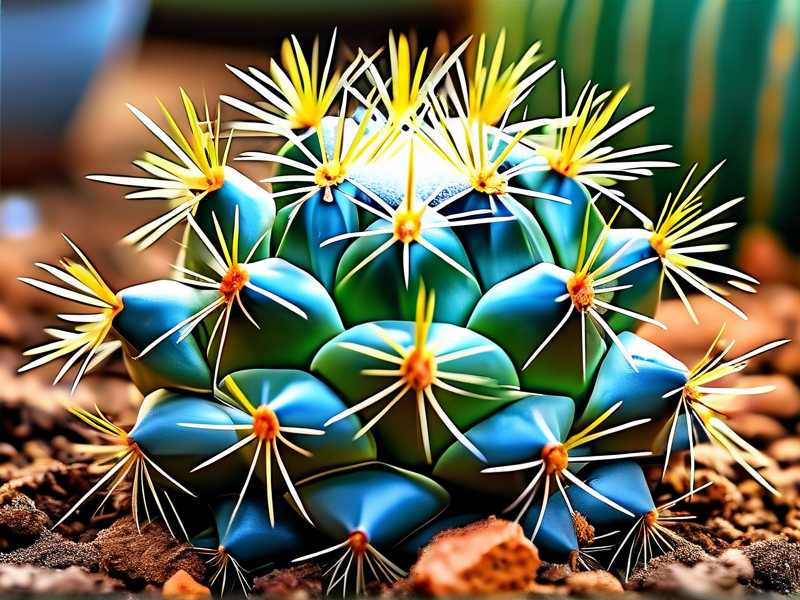
According to the RHS, cold-hardy cactus enter dormancy below 50°F. Their metabolism slows way down. They stop absorbing water. So any extra moisture sits in the pot, freezes, and damages root cells.
The Real Problem: Ice vs. Roots
Here's something I wish someone had told me early on. When soil freezes, it expands. That expansion physically crushes tender root hairs. Even if the plant survives the cold, the roots are damaged. Then when spring comes, the plant can't drink properly. It slowly dies.
I tested this. I had two identical Opuntia plants. One I watered lightly through winter. The other I kept bone dry. By March, the watered one looked fine above soil. But when I repotted it, half the roots were black and mushy. The dry one had healthy, firm roots.
My 2-Week Observation: The Dry Method Works
Let me walk you through what I did last winter. I had three cold-hardy cactus: one small barrel, one hedgehog, and one prickly pear. All in pots. All exposed to outdoor freezing conditions.
Week 1: Preparation I moved them under an overhang to keep rain off. I checked soil moisture with a wooden chopstick. If it came out clean, the soil was dry. If it had damp bits stuck, I waited. For the first week, I didn't water at all.
Week 2: The First Sip Temps hit 45°F on a Tuesday afternoon. I took my watering can with room-temperature water. I gave each cactus about 1/4 cup. Just enough to wet the top inch of soil. Then I left them alone.
Observation after 2 weeks: The plants looked exactly the same as before. No shriveling. No mushiness. The soil at the bottom was still dry. I checked again at week 3. Still fine. At week 4, I watered again the same way. By the time spring arrived, all three plants were plump and healthy.
Compare that to my neighbor who watered weekly. His cactus turned into brown slush by February.
3 Deadly Mistakes Beginners Make (I Made All of Them)
I killed four plants before I figured this out. Here are the mistakes that cost me.
Mistake #1: Overwatering in Winter
This is the biggest killer. "90% of indoor plants die from overwatering" is a common stat. But for outdoor cold-hardy cactus in freezing conditions, it's closer to 99%. People think plants need water just because the air is dry. But dormancy changes everything.
What I did wrong: I watered my potted cactus every two weeks through November and December. I thought I was being careful. By January, the stems were soft and discolored. By February, the whole plant collapsed.
What works: Wait until the soil is completely dry. Then wait another week. Then water sparingly.
Mistake #2: Wrong Light Exposure
People think all cactus crave direct sun 24/7. But in freezing conditions, intense winter sun can actually damage plants. Here's the weird part: frozen cactus cells exposed to sudden bright sunlight can "sunburn" because the plant can't move water to cool itself.
I almost killed a cactus this way. I put it in a south-facing spot thinking more sun equals happy plant. But on clear winter days, the pot would warm up in the sun, then freeze solid at night. The rapid temperature swing stressed the plant. It developed black spots. I had to move it to a spot with morning sun only.
Place cold-hardy cactus in a spot that gets morning sun but afternoon shade. This reduces temperature swings.
Mistake #3: Using the Wrong Pot
This one got me too. I used a decorative ceramic pot. It had no drainage holes. I thought, "I'll be careful, I won't overwater." But even a little water sat at the bottom. When it froze, the ice expanded and cracked the pot. The roots were exposed to freezing air. The cactus died.
What I do now: Terra cotta pots only. They breathe. Water evaporates through the walls. Plus, they don't crack as easily in freeze-thaw cycles.
How I Check Soil Moisture in Freezing Conditions
You can't just stick your finger in frozen soil. It's rock hard. Here's my method.
I use a wooden skewer. I poke it into the soil through the drainage hole. If it comes out dry and clean, the soil is dry. If it shows any moisture, I wait. This works even when the top layer is frozen solid.
I also lift the pot. A dry pot feels noticeably lighter. After a few weeks, you'll get a feel for the weight difference.
The Exact Watering Schedule I Follow
This varies by species, but here's a general rule I stick to.
November through February: Water once every 4 to 6 weeks. Only on days above 40°F. Only if the soil is bone dry.
March: Gradually increase to every 3 weeks. By now, temps are rising. The plant starts waking up.
April: Water every 2 weeks. New growth appears. You'll see tiny green tips.
May onward: Back to regular summer watering.
My personal tip: I keep a small notebook. I write down each watering date and the temperature. This helps me track patterns. It saved my cactus collection.
What About Ground-Planted Cactus?
If your cactus is planted in the ground, watering is different. The surrounding soil acts as insulation. Ground soil freezes slower than potting soil.
For ground-planted cold-hardy cactus, I don't water at all from November to March. The ground moisture is usually enough. In most zones, winter precipitation provides all the water they need.
But here's the catch: If you live in a very dry region with no snow cover, you might need to water once in January. I do this only if the soil is dry down to 4 inches. And only on a day above freezing.
The Danger of Ice Crystals in Plant Tissue
I read a study by the AHS that explained something important. When cactus freeze, ice crystals form inside their cells. But cold-hardy cactus have natural antifreeze proteins. These prevent large ice crystals from forming.
However, if the cactus is well-watered, the excess water in cells creates larger ice crystals. These rupture cell walls. The plant dies from the inside out.
That's why dry cactus tolerate lower temps than wet ones. A dry Opuntia can survive -30°F. A wet one might die at 20°F.
My Worst Winter: The Year I Lost Everything
I want to share this story so you don't repeat my mistakes.
Three years ago, I had 12 cold-hardy cactus. I was overconfident. I thought I knew everything. That winter was brutal. We had a week of -15°F nights.
I had covered my potted cactus with frost cloth. I thought they were safe. But frost cloth traps moisture. The condensation under the cloth kept the soil damp. By the time I uncovered them, five cactus were already gone. They looked fine on the outside but were mushy inside.
What I learned: Never cover cactus with anything that traps moisture. Use a clear plastic cover that doesn't touch the plant. Or better yet, don't cover them at all if they're cold-hardy and properly dried.
Why You Must Stop Watering by October
This is a timing thing. In my zone, I stop watering all cold-hardy cactus by October 15. This gives the soil time to dry out completely before the first hard freeze.
If you water in late October and a freeze hits in early November, that water sits in the pot. It freezes. The roots rot.
My rule: After the first frost warning, no more water for outdoor cactus. Period.
The Myth About Winter Fertilizer
I used to think, "Maybe I should fertilize to strengthen the plant before winter." Big mistake. Fertilizer stimulates growth. New growth is tender and vulnerable to cold. Plus, fertilizer salts in the soil draw moisture out of roots.
What I do now: I stop fertilizing by September. The plant naturally slows down. It enters dormancy on its own schedule.
How to Revive a Overwatered Frozen Cactus
If you already made the mistake and your cactus looks sad, don't panic. Here's what I did when I caught it early.
First, move the cactus to a warmer spot above freezing. Remove it from the wet soil. Let the roots air dry for 24 hours. Repot in dry soil. Do not water for at least 2 weeks.
I saved one of my cactus this way. It lost some roots, but the main body survived. By spring, it had new roots. It fully recovered.
Common Questions I Answer Every Winter
I get asked these questions at least once a week from fellow cactus enthusiasts. Here are straight answers.
Q: Can I water my indoor cold-hardy cactus in winter?
Yes, but even indoor cactus need less water in winter. The shorter days and lower light slow their growth. I water indoor cactus once a month in winter. But only if the soil is dry.
Q: What if my cactus looks shriveled in winter?
Shriveling can mean two things. Either it's too dry, which is normal for dormancy. Or it's dead. Check by gently squeezing the stem. If it's firm, it's fine. If it's soft and mushy, it's dead.
Q: Should I bring potted cactus indoors during freezing conditions?
For cold-hardy types, no. They need the cold to go dormant properly. Bring them inside and they'll try to grow in low light, which stretches them. They'll be weak and ugly by spring.
My Final Routine for Perfect Winter Watering
Here's my step-by-step checklist. I follow this every winter now.
- Stop all watering by October 15.
- Check soil dryness every week with a chopstick.
- If soil is bone dry and temps are above 40°F, water 1/4 cup per small pot.
- Water only at noon on a sunny day.
- Never water if temps will drop below 30°F that night.
- Wait 4 to 6 weeks between waterings.
- Uncover any frost cloth on warm days to let moisture escape.
- In March, start checking for new growth. That's the sign to increase watering.
This routine took me years to develop. I lost plants. I cried over a few. But now I have a collection of 20 cold-hardy cactus that survive every winter. Some have been with me for over 5 years.
The Science Behind It
I'm not a botanist, but I read a lot. The RHS explains that cactus have specialized cells called parenchyma that store water. When it's cold, these cells contract to push water into the center of the stem. This prevents freezing damage.
But if the cells are already full of water from recent watering, they can't contract enough. The water freezes and expands, rupturing the cells.
So a properly dried cactus actually prepares itself for cold. It's not just about avoiding rot. It's about letting the plant do its natural winter preparation.
One More Thing: Species Differences
Not all cold-hardy cactus are the same. I've learned some are more forgiving than others.
- Opuntia (prickly pear): Most forgiving. Even if you water wrong once, they bounce back.
- Echinocereus (hedgehog): Needs very dry winter. Overwatering kills fast.
- Escobaria: Tolerates more moisture but still needs drying.
- Cylindropuntia: Very sensitive. I lost one to a single winter watering.
If you're new, start with Opuntia. They're tough. I killed three of them before I got it right. But they were the ones I learned with.
The Takeaway
Winter watering of cold-hardy cactus isn't complicated. But it's counterintuitive. You'd think plants need water. They don't. Not in freezing conditions.
Less is more. Dry is safe. Wet is deadly.
I've been doing this for over 7 winters now. I have a system that works. My cactus look better each spring. They bloom more. They're healthier.
If you follow my steps, you'll get there too. Just remember: wait. Check. Water sparingly. Then wait again.
Your cactus will thank you by surviving winter and blooming beautifully in spring.
Still Have Questions? Here Are 3 Common Ones
How do I know if my cold-hardy cactus is dead or just dormant in winter? Dormant plants look slightly deflated but feel firm. Dead plants feel mushy or completely hollow. Gently squeeze the base. If it's soft and leaks moisture, it's gone.
Can I water my cactus if it snows? No. Snow is already moisture. Your cactus will absorb snowmelt naturally. Adding extra water creates double the risk.
What about cactus in hanging baskets in winter? Hanging baskets freeze faster because they're exposed on all sides. I bring mine inside a cold garage for winter. I water them once every 8 weeks.
I hope this helps you keep your cactus alive through freezing winters. It took me 4 dead plants and a lot of frustration to figure this out. But now I can enjoy my cactus year after year without fear. You can too. Just stop watering so much. That's the secret nobody tells you.





