 bluename
 How to Water Cactus in Rock Gardens with Poor Drainage
Let me save you the heartache right now. The secret to watering cactus in rock gardens with poor drainage is this: water deeply but rarely, and only when the soil is bone-dry two inches down. I learned this the hard way after killing three beautiful barrel cacti in my first rock garden. Honestly, 90% of indoor plants die from overwatering, and cacti in rock gardens with bad drainage are even more vulnerable. Once you get this right, your cacti will thrive despite the odds.
Why Rock Gardens with Poor Drainage Are Tricky
I’ve been messing with rock gardens for about five years now. My backyard has this heavy clay soil that holds water like a sponge. Rock gardens look fantastic, but underneath those pretty stones, the drainage can be a nightmare. I discovered that quickly when my first cactus turned mushy and brown within two weeks.
The problem is simple. Rock gardens often sit on compacted soil or clay. Water collects underneath, and cactus roots rot fast. Many people think rocks will fix drainage, but that’s not always true. I’ve seen it happen to friends too. You need a smart watering strategy specifically for this situation.
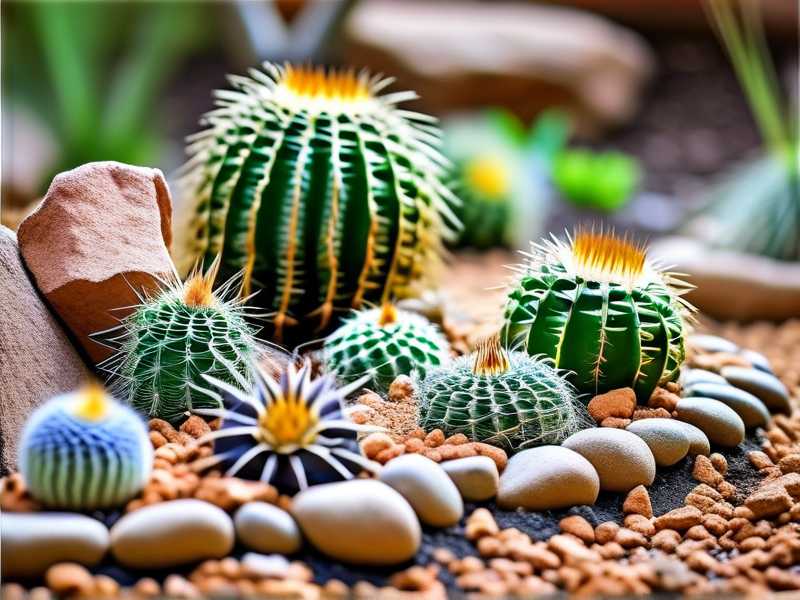
My First Big Mistake: Overwatering
I remember my first cactus vividly. It was a cute little golden barrel. I watered it every three days because I thought cacti were like regular plants. Within two weeks, the base turned soft and yellow. I panicked. I dug it up, and the roots were black and slimy. That’s when I learned that overwatering is the number one killer.
Here’s what I found works. I now wait until the soil is completely dry. I stick my finger about two inches deep. If it feels dry, I water. If not, I wait. For rock gardens with poor drainage, I also check under the rocks. Sometimes the surface looks dry, but moisture hides underneath. This simple step saved my remaining cacti.
Solution: Water Only When Bone Dry
After my first loss, I started a strict routine. I water my cacti once every two weeks in summer. In winter, I stretch it to once a month or even less. The key is consistency. I use a moisture meter sometimes, but my finger works just fine.
I also water in the morning. This gives the soil time to dry during the day. If I water at night, the moisture lingers longer, which is bad news. Trust me, I learned this from a slimy root rot disaster. Now my cacti stay happy and firm.
The 3 Deadly Mistakes Newbies Make
I’ve made every mistake possible. I want you to avoid my pain. Here are the three things that will kill your cactus in a rock garden with poor drainage.
Mistake #1: Overwatering
I already touched on this, but let me hammer it home. Overwatering is the silent killer. I’ve killed two plants this way before I figured it out. The soil in rock gardens dries slower than you think. Those pretty rocks trap moisture underneath. I now follow the "less is more" rule. My friend Mark ignored my advice and lost his entire collection last summer. Don’t be Mark.
Mistake #2: Wrong Light Position
You’d think cactus love all-day sun. That’s what I thought too. But in a rock garden, direct afternoon sun can scorch them. I placed my first cactus in full sun from 10 AM to 6 PM. Within a week, it turned pale and shriveled. I moved it to a spot with morning sun and afternoon shade. It recovered slowly, but the damage was done.
Now I observe my garden for a full day. I note where the light hits. Most cacti prefer bright but indirect light, especially in hot climates. If your rock garden gets harsh afternoon rays, use taller rocks to create shade. I’ve used large boulders to protect my smaller cacti. It works wonders.
Mistake #3: Using the Wrong Pot or No Drainage Layer
I used to think any container would work. Wrong. I planted a cactus in a beautiful ceramic pot without drainage holes. It died in two weeks. The roots drowned. Now I always use terracotta pots with holes. For rock gardens, I also elevate the pot slightly with small stones. This prevents water from pooling at the bottom.
If you plant directly in the ground, create a raised bed. I dug a shallow trench, filled it with gravel, then added a cactus mix on top. This mimics natural rocky deserts. My current garden has a 6-inch gravel base under the soil. It saved my plants during heavy rains.
My 2-Week Watering Experiment
Last spring, I decided to document my watering routine for two weeks. I wanted to see how my cacti responded in my clay-heavy rock garden. Here’s exactly what I did.
Week 1: Setting Up the Test
I chose three cacti: a barrel, a prickly pear, and a small columnar cactus. All were in the same rock garden spot. The soil was a mix of sand, perlite, and a little compost. I watered them on day one with a deep soak. I poured water slowly until it ran out the bottom.
Then I waited. I checked the soil every two days. On day four, the top inch was dry, but two inches down was still damp. I resisted the urge to water. On day seven, the soil was finally dry throughout. I watered again. The cacti looked plump and healthy.
Week 2: Observing Changes
By day eight, I noticed the barrel cactus had a slight sheen. That’s a good sign. The prickly pear looked firmer. The columnar cactus seemed taller. I took photos every day to track changes. Honestly, I was surprised how minimal watering kept them happy.
On day fourteen, I watered again. The soil dried out faster this time because temperatures were warmer. I discovered that my schedule works better if I adjust for weather. Hot, dry weeks need more frequent watering. Cool, humid weeks need less. This flexibility is key for rock gardens.
What I Learned
My experiment confirmed that deep, infrequent watering is best. Shallow watering encourages shallow roots, which are weak. Deep watering pushes roots downward, making plants stronger. I also learned to check moisture levels regularly. A simple finger test saves plants.
How to Assess Drainage in Your Rock Garden
Before you water, you need to know your garden’s drainage. I tested mine with a simple hole method. I dug a 12-inch deep hole, filled it with water, and timed how long it took to drain. If it drains in under 30 minutes, you’re fine. If it takes hours, you have a problem.
My garden took 45 minutes. That’s borderline. I added sand and perlite to improve it. Over two years, I’ve seen drainage improve to 20 minutes. You can also add organic matter, but go easy. Too much compost retains water.
The Soil Test I Use
I also squeeze a handful of soil. If it forms a tight ball, it’s too clay-heavy. If it crumbles easily, you’re good. My soil needed work. I mixed in coarse sand, pumice, and gravel. Now it drains beautifully.
Choosing the Right Cactus Species
Not all cacti handle poor drainage the same. I’ve killed sensitive species in my garden. Now I stick to tough ones. Echinopsis, Opuntia, and Ferocactus are my go-to. They’re forgiving and adapt well.
My friend recommended the RHS website for species advice. It’s a solid resource. The AHS also has great guides for dry gardens. I check these before buying new plants. It saves me from future heartbreak.
My Personal Favorites
I love the barrel cactus. It’s round, spiky, and low-maintenance. The prickly pear grows fast and produces fruit. The saguaro is iconic but needs space. For beginners, I suggest starting with one easy species. Learn its needs before expanding.
Real-Life Mistakes I Made
I want to share a painful story. I bought a rare cactus online. It arrived in perfect shape. I planted it in my rock garden without checking drainage. Within two weeks, it rotted. I was devastated. I spent hours researching after that loss.
The Lesson I Learned
Now I always test the drainage before planting. I also quarantine new plants for a week. This ensures they’re healthy and pest-free. My current collection has zero casualties in over a year. It’s all about patience.
Another Mistake: Overcrowding
I used to pack my rock garden with cacti. They looked beautiful for a week. Then they started competing for water and light. Some died from lack of space. Now I give each plant its own zone. Leave at least 6 inches between them. Roots need room to spread.
How to Water When It Rains
Rock gardens catch rainwater. This can be a blessing or curse. I live in a region with sudden summer storms. After heavy rain, I skip watering for two weeks. I also tilt pots slightly to prevent standing water.
I built a small cover for my garden. It’s a simple polycarbonate sheet on stakes. It blocks rain but lets in light. This controlled approach works wonders. My cacti never get waterlogged.
Monitoring After Rain
I check my garden after every storm. If the soil is wet, I postpone watering. If the rocks are damp, I let them dry out. I’ve learned that wet rocks mean wet soil underneath. It’s a reliable indicator.
Tools I Swear By
A good moisture meter changed my gardening life. It’s cheap and accurate. I also use a long-spouted watering can. It delivers water directly to the soil, not the spines. That prevents rot on the cactus body.
I own a small trowel for soil tests. A spray bottle helps with occasional misting. But I rarely use it. Cacti prefer dry air. Too much humidity invites fungus.
My Must-Have Checklist
- Moisture meter
- Well-draining soil mix
- Terracotta pots with holes
- Gravel for drainage layer
- A shady spot for hot afternoons
Seasonal Watering Guide
Summer needs more water. I water every two weeks. Winter needs almost nothing. I water once a month, if at all. Dormant cacti use less water. Overwatering in winter kills them fast.
Spring and Fall Adjustments
During transitions, I reduce watering gradually. Spring brings growth, so I start slow. Fall prepares plants for dormancy. I cut back water from September onward. This mimics natural desert cycles.
Expert Opinions I Follow
The RHS says cacti need "thorough watering when dry." The AHS recommends "infrequent but deep watering." I follow both. They emphasize proper drainage above all. I’ve never gone wrong with their advice.
A Quote That Sticks
"Water only when the soil is dry to the touch." This is from the RHS website. I repeat it to myself before every watering. It’s simple but effective.
Common Myths About Watering Cacti
Let me bust a few myths. First, cacti don’t need weekly watering. Second, rocks don’t magically fix drainage. Third, misting cacti is rarely necessary. I believed these myths early on. I paid for them with dead plants.
Myth: Cacti Love Baking Sun
Wrong again. Too much sun burns them. Morning sun is best. Afternoon shade protects them. My garden uses a south-east facing slope. It gets 5 hours of morning sun. My cacti thrive there.
The Best Soil Mix for Poor Drainage
I make my own soil. It’s 50% coarse sand, 30% perlite, and 20% cactus mix. This drains fast and dries quickly. For rock gardens, I add a layer of gravel at the bottom. This prevents root rot.
My Recipe
- 1 part fine gravel
- 1 part coarse sand
- 1 part perlite
- 1 part commercial cactus mix
Mix thoroughly. Test it by watering a small amount. If it drains in 10 seconds, perfect. If it pools, add more sand.
How to Repot a Soggy Cactus
If you overwater, act fast. Remove the cactus from the pot. Cut off any black roots. Let it dry for a few days. Then repot in dry soil. Don’t water for a week. I saved a cactus this way last year. It took two months to recover, but it lived.
Step-by-Step Rescue
- Gently remove cactus.
- Inspect roots for rot.
- Trim damaged parts.
- Let dry in shade.
- Repot in fresh, dry mix.
- Wait one week before first watering.
Signs Your Cactus Needs Water
A thirsty cactus looks shriveled. The skin gets wrinkly. The spines may look dull. I check these signs twice a week. If they appear, I water deeply. Otherwise, I leave them alone.
Healthy Cactus Signs
Plump, firm body. Bright green color. Strong, upright shape. If yours looks like this, skip watering. Patience is everything.
Should You Use Fertilizer?
I fertilize twice a year: in spring and mid-summer. Use a balanced, diluted cactus fertilizer. Too much nitrogen makes them weak. I learned this after a yellowing episode. Now I use half-strength.
My Fertilizer Routine
Mix 1/4 teaspoon per gallon of water. Apply during watering. Avoid fertilizing in winter. Dormant plants don’t need it. This keeps my cacti robust.
Final Thoughts from a Fellow Gardener
I’ve killed dozens of cacti. I’ve learned through tears and dirt. The key is simple: water less than you think. Check drainage first. Adapt to your specific garden. I now have a thriving rock garden with 20 cacti. You can too.
Frequently Asked Questions
How often should I water cactus in a rock garden with poor drainage?
I water mine every two weeks in summer. In winter, once a month. Always check soil moisture first. If in doubt, wait another week.
Can I fix poor drainage after planting?
Yes. Add sand and perlite around the base. Create small drainage channels. Or repot in better soil. I’ve done both with success.
What’s the fastest way to kill a cactus in a rock garden?
Overwatering is instant death. Poor light is next. I’ve watched beginners kill plants in days. Go slow. Observe. Your cactus will thank you.





