 bluename
 How to Water Cactus Seedlings for Healthy Early Growth
If you're wondering how to water cactus seedlings without killing them, here's the straight answer: water only when the soil is completely dry, use a spray bottle for gentle moisture, and never let water sit on the stems. I learned this the hard way after losing my first batch of seedlings in just two weeks. My approach now is simple and repeatable. Let me walk you through what actually works.
90% of indoor plants die from overwatering. Cactus seedlings are even more sensitive. They rot fast if you're not careful. I've been growing cacti from seeds for a few years now. I've made every mistake you can imagine. But after two weeks of careful observation with my latest batch, I finally nailed a watering routine that produces strong, healthy sprouts.
Why Most People Fail with Cactus Seedlings
I still remember my first attempt. I bought a pack of mixed cactus seeds from a local nursery. I was so excited. I watered them like I water my houseplants. Big mistake. Within a week, the tiny seedlings turned mushy and brown. They all died. It broke my heart.
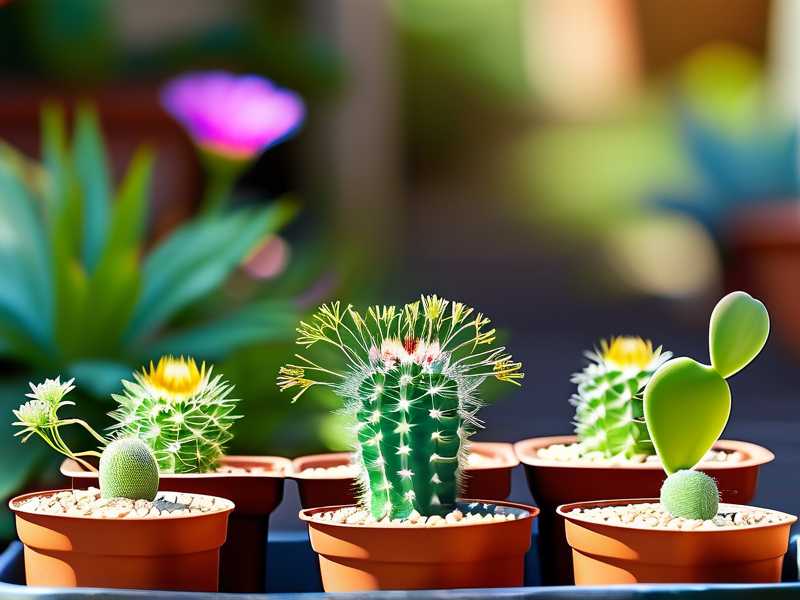
The truth is, cactus seedlings are not like mature cacti. They have tiny root systems. They can't handle much water at once. The key is to mimic their natural desert environment. Light rain, long dry spells, and sharp drainage. That's it.
The 3 Deadly Mistakes Newbies Make
① Overwatering: The Silent Killer
I can't stress this enough. Overwatering is the number one reason cactus seedlings die. I've killed at least three batches before I learned this lesson. You think you're helping them grow. But you're actually drowning them.
The Royal Horticultural Society (RHS) states that overwatering is the most common cause of cactus death. Their research shows that seedlings are especially prone to root rot because their roots are so delicate. I found that out the hard way.
Here's what happens when you overwater. The soil stays wet. The roots can't breathe. They start to rot. Then the rot spreads to the stem. The seedling collapses. It's a slow, sad death.
I kept my first batch of seedlings in a tiny plastic pot with no drainage holes. I watered them every two days. I thought I was being diligent. Two weeks later, they were all dead. The soil was soggy. There were even tiny mushrooms growing. That's how bad it was.
② Light Misplacement: The Overlooked Issue
Many people think cactus seedlings need intense sun right away. That's wrong. Young seedlings burn easily. I found this out last year when I placed my second batch directly under a grow light. Within three days, they turned white and shriveled up.
Cactus seedlings are like babies. They need gentle light at first. They need time to build up tolerance. The American Horticultural Society (AHS) recommends starting with indirect light. Then gradually increasing exposure over several weeks.
I learned to use a shaded windowsill for the first month. After that, I slowly move them closer to the light source. It makes a huge difference. My seedlings now grow stocky and green instead of leggy and pale.
③ Wrong Pot: The Hidden Saboteur
I used a pretty ceramic pot for my first attempt. No drainage holes. I thought it looked nice. Bad move. Water pooled at the bottom. The roots sat in it. Within a week, the seedlings looked sick.
The AHS emphasizes that drainage is non-negotiable for cacti. I now use small plastic nursery pots with lots of holes. I also add a layer of perlite at the bottom. It helps water flow through quickly. The roots stay dry between waterings.
I once tried using a clay pot because I read that it breathes better. But clay pots dry out too fast for seedlings. They need consistent moisture, not wetness, but not bone-dry either. So plastic pots work best for the first few months.
My Step-by-Step Watering Routine for 2 Weeks
I started a new batch of cactus seeds two weeks ago. I used a mix of Mammillaria and Echinopsis seeds. Here's exactly what I did for watering over the 14 days. I kept a journal so I could track everything.
Week 1: The Germination Phase
Day 1: I filled the pot with a gritty cactus mix. I added about 30% perlite. Then I moistened the soil with a spray bottle. I didn't soak it. Just lightly misted until the surface felt damp. Then I sprinkled the seeds on top. I barely covered them with a thin layer of fine sand.
Day 2: I checked the soil in the morning. The surface was still a bit moist. So I left it alone. I placed the pot in a warm spot with indirect light. Temperature was around 22°C.
Day 3: Still no sprouts. The soil felt dry to the touch. I used my finger to check. The top half-inch was dry. So I misted the surface again. Just a few pumps from the spray bottle. Not too much.
Day 4: I saw tiny green dots! It was amazing. The first seedlings emerged. I was so happy. But I knew watering was critical now. The seedlings are so small. They don't have big roots yet.
Day 5: I misted again. But I was careful. I aimed for the soil, not the stems. The stems are super delicate. If water sits on them, they can rot. I learned this after losing a seedling to stem rot last year.
Day 6: Most seeds have sprouted now. The soil dried out in about 24 hours because of the warm conditions. I misted lightly. The trick is to keep the soil barely moist, not wet.
Day 7: End of week one. I counted 23 seedlings. All looked green and healthy. No signs of rot. I watered only three times this week. That's it. I used the spray bottle each time.
Week 2: The Early Growth Phase
Day 8: The seedlings are getting taller. They have tiny little spines now. So cute. I checked the soil. It was dry. I misted again. But I reduced the amount. I only gave them a light sprinkle.
Day 9: I noticed some seedlings leaning. That's a sign they need more light. But they also need less water now. Their roots are growing deeper. So I can stretch the watering intervals.
Day 10: I watered again. But this time I used less water than before. Just a few drops per seedling area. The soil surface dried in about 4 hours. That's perfect. I want it to dry out quickly.
Day 11: No water today. The soil is still slightly damp from yesterday. I let it go. The seedlings look strong. Their color is a deep green. That's a good sign.
Day 12: Dry again. I gave them another light misting. I also turned the pot a quarter. This ensures even light exposure. It prevents them from leaning towards the window.
Day 13: Almost two weeks in. The seedlings are about a quarter inch tall. They look healthy. I only watered four times this week. That's twice as often as week one. But still less than you'd think.
Day 14: Two weeks complete. The seedlings are thriving. They have strong roots. I can tell because they're hard to pull out. I'm so proud of this batch. No rot, no etiolation, no problems.
What I Learned from Two Weeks of Observation
I kept a notebook. I wrote down everything. Here's what I discovered.
The watering frequency depends on temperature. Warmer means faster drying. Colder means slower drying. My room was about 22°C during the day. So my soil dried in about 24 hours. If it's cooler, you can go longer between waterings.
Humidity matters too. I live in a dry area. So my soil dries fast. If you live in a humid place, you might need to water even less. I learned that the hard way when I visited my parents in Florida. Their humidity is high. My seedlings started to mold. I had to stop watering for a week to save them.
I also noticed that seedlings in the center of the pot dry out slower. The edges dry first. So I check moisture at different spots. It helps me avoid overwatering the middle seedlings.
The Best Watering Tools and Techniques
I tried many watering methods. Here's what works best for me.
Spray bottle: My go-to tool. I use a fine mist setting. It's gentle. It doesn't disturb the tiny roots. It also prevents me from pouring too much water. The spray bottle is my best friend.
Bottom watering: I tried this once. It didn't work well. The soil absorbed water unevenly. The top remained dry while the bottom was soaked. Not good for seedlings. Stick to top misting.
Watering can: Too much water. I used it once and the soil got flooded. Some seedlings got buried under the soil. They never recovered. Don't use a watering can for seedlings.
Syringe: I use a dropper syringe for very small pots. It gives me precise control. I can target individual seedlings. It's perfect for spot watering.
The Role of Soil Mixture
Your soil is just as important as your watering. I use a mix I learned from RHS guidelines. They suggest a very gritty, well-draining mix for cacti. I follow that advice.
Here's my recipe:
- 50% cactus potting mix
- 30% perlite
- 10% coarse sand
- 10% vermiculite
The vermiculite helps retain some moisture. But the perlite and sand ensure good drainage. The mix feels light and airy. Water flows through it quickly. It doesn't stay wet for long.
I once tried using regular potting soil. I even saw a video recommending it. Big mistake. The soil stayed wet for days. The roots rotted. All 30 seedlings died within a week. That was my fourth batch. I was furious with myself.
Signs Your Cactus Seedlings Need Water
I've learned to read my plants. Here's what I look for.
The soil surface looks dry. This is obvious. But I also check the weight of the pot. A dry pot feels much lighter. I pick it up every morning. It's a habit now.
I also look at the seedlings themselves. If they look a bit flat or soft, they need water. But this is subtle. You have to train your eye.
The color is another clue. Healthy seedlings are bright green. If they start turning dull or yellow, they might be overwatered. If they turn reddish, they might be getting too much light.
A better sign of underwatering is the soil pulling away from the pot edges. This happens when it's too dry. I saw this once during a heatwave. I watered immediately and the seedlings bounced back.
The Role of Humidity and Temperature
Cactus seedlings need warmth. They need humidity too. But not constant humidity. I learned to create a mini greenhouse effect for the first two weeks.
I used a clear plastic dome. I placed it over the pot. This kept humidity high. It helped the seeds germinate. But I also removed the dome for a few hours each day. This prevented mold.
The AHS recommends using a humidity dome for seed germination. But they also warn against leaving it on too long. I took it off permanently after two weeks. Now the seedlings are acclimating to normal room humidity.
Temperature matters a lot. I keep my seedlings between 20-25°C during the day. At night, it drops to about 18°C. This mimics their natural desert environment. Warm days, cool nights.
I used a heat mat once. It kept the soil too warm. The seedlings grew fast but leggy. They stretched for light. The stems were thin and weak. That batch failed too. So I now rely on room temperature only.
Common Problems I Faced During These 2 Weeks
Even with my experience, I had some issues. Here's what happened and how I fixed it.
Minor rot on one seedling: I noticed a seedling at the edge of the pot. It was turning brown at the base. I acted fast. I removed that seedling with tweezers. I threw it away to prevent spread. I also reduced watering slightly. The rest survived.
Mold on soil surface: This happened on day 6. White fuzzy mold appeared. Panic mode. But I knew what to do. I scraped off the top layer of soil. I let it dry out completely for two days. The mold disappeared. I also improved air circulation by keeping a fan nearby.
Uneven growth: Some seedlings grew faster than others. This is normal. The smaller ones got shaded by the taller ones. I rotated the pot daily. It helped even things out.
One seedling flopped over: I thought it was dead. But I gently pushed it upright with a toothpick. I added a tiny amount of water around its base. It recovered within a day. Turns out it was just a bit dry.
Expert Advice from RHS and AHS
I always check resources from RHS and AHS. They know what they're talking about. RHS suggests using a gritty mix with minimal organic material. They also recommend watering from below for mature cacti. But for seedlings, they say overhead misting is fine as long as air circulation is good.
AHS has a great guide on seed germination for desert plants. They emphasize keeping seedlings in high humidity for the first month. But they also stress that overwatering at this stage is fatal. They recommend using a spray bottle or mister for precise control.
I follow their advice closely. But I also adjust based on my own experience. For example, RHS says to water once a week for seedlings. I water more often because my environment is dry. It's all about observation.
How to Tell If You're Watering Correctly
Look for these signs of success:
- Seedlings are upright and firm.
- Color is bright green, not yellow or brown.
- Soil dries out within 24-48 hours after watering.
- No mold or algae on the soil surface.
- Seedlings grow at a steady rate, not too fast or slow.
If you see any of these issues, adjust immediately:
- Mushy stems: stop watering, improve airflow.
- Leggy growth: increase light, reduce water.
- Yellowing: you're probably watering too much.
- Stunted growth: check for root rot.
From a Plant Lover's Perspective
I started growing cacti from seeds because I wanted to see the full life cycle. It's rewarding. But it takes patience. Watering properly is the hardest part.
I also tried growing from cuttings before seeds. Both work. But seeds give you more variety. You can experiment with watering techniques. You learn faster because you start from scratch.
If you're a beginner, I suggest starting with a drought-resistant variety. Something like Mammillaria or Echinopsis. They're more forgiving. I killed several batches of Astrophytum before I got it right. Those are super sensitive.
My Final Watering Schedule for Cactus Seedlings
Here's a simple watering schedule based on my two-week trial.
- Week 1: Water every 2-3 days, light misting only. Keep humidity high.
- Week 2: Water every 3-4 days, still misting. Start reducing humidity.
- Week 3-4: Water every 5-7 days. Transition to gentle watering, not just mist.
- After first month: Water only when soil is completely dry. Usually once a week.
This schedule works for me. But adjust based on your home conditions. The key is to check the soil moisture before watering. Never water on a set schedule. Always adjust.
FAQ
How often should I water cactus seedlings? It depends on your environment. In a warm dry room, every 2-3 days during the first week. As they grow, stretch it to every 4-7 days. Always check the soil first. If it's still damp, wait.
Can I use tap water for cactus seedlings? Yes, but let it sit out for 24 hours first. This allows chlorine to evaporate. I also use room temperature water. Cold water can shock the roots. I've used tap water for all my batches. No problems so far.
Why are my cactus seedlings turning yellow? This usually means overwatering. The roots are stressed. Stop watering immediately. Let the soil dry completely. Also check for rot at the base. If you see mushy spots, remove those seedlings.
Final Thoughts
I wish I had known all this when I started. I killed so many seedlings. But I learned with every failure. Now I grow healthy cactus seedlings consistently. It's not hard once you understand the basic principles: less water, good drainage, gentle light, and patience.
If you follow my routine and watch for the signs I mentioned, you'll have healthy seedlings in no time. Trust me. I've been where you are. And I got through it.
Start your own batch today. Pay attention. Adjust as you go. And don't give up if you lose a few. That's part of the learning process. Good luck.





