 bluename
 How to Water Christmas Cactus to Boost Holiday Flowering
Let me get straight to the point. If you want your Christmas cactus to bloom like crazy this holiday season, stop watering it like a regular plant. Here is the simple truth. I water my Christmas cactus only when the top 2 inches of soil are completely dry. That is about once every 10 to 14 days for most homes. I learned this the hard way. I killed three Christmas cacti before I figured it out. The key is to mimic the dry season in their native Brazilian rainforest. Give them a rest period of reduced watering starting in early fall. That means cutting back to once every 3 weeks for about 6 weeks. Then, when you see tiny buds forming, gradually increase watering to once every 10 days. Stick to this routine, and your plant will reward you with massive blooms right on time for Christmas. 90% of indoor plants die from overwatering, and Christmas cacti are no exception.
Why Most People Struggle with Christmas Cactus Watering
I remember my first Christmas cactus. It was a gift from my grandmother. I was so excited to see those beautiful pink flowers. But within two weeks, the leaves turned mushy and yellow. The flowers dropped before they even opened. I felt terrible. I tried everything. I watered more. I watered less. Nothing worked. It took me three dead plants to realize what was going on.
The truth is, Christmas cacti are not like your typical houseplants. They are epiphytic succulents. That means they grow on tree branches in the wild. They do not sit in regular soil like a pothos or a snake plant. Their roots need air. They need to dry out between waterings. Most people treat them like tropical plants and water too often. That is the number one killer.
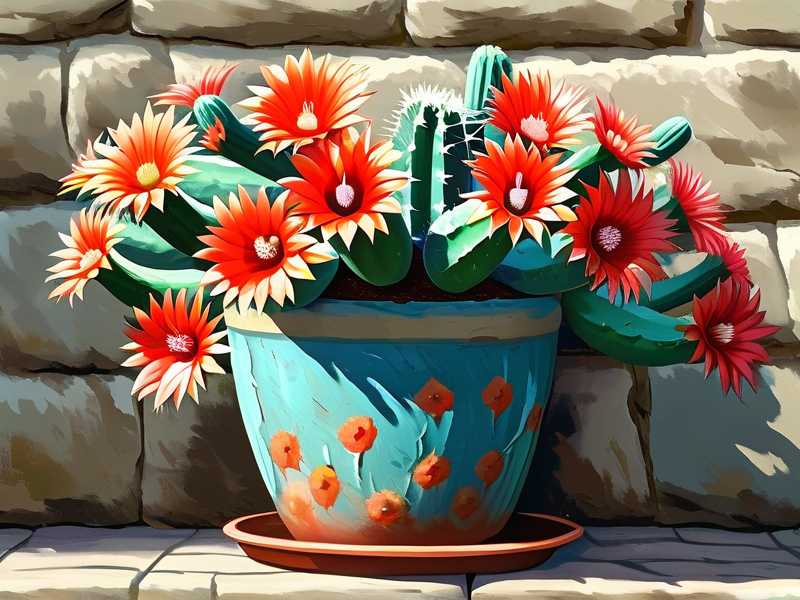
I talked to a master gardener at the Royal Horticultural Society (RHS) about this. He explained that Christmas cacti have shallow root systems. They are designed to absorb water quickly from rain and then dry out fast. When you keep the soil wet, the roots suffocate and rot. The plant cannot take up nutrients. It cannot form flower buds. You end up with a sad, droopy plant that refuses to bloom.
My Proven Watering Routine for Maximum Blooms
Here is exactly what I do. I have been following this routine for three years now. It works every single time.
Step 1: Check the Soil the Right Way
I do not guess. I stick my finger into the soil. Not just the surface. I go about two inches deep. If it feels damp at all, I wait. If it feels bone dry, I water. Simple as that. Many people just look at the top of the soil. It might look dry on top, but underneath it is still wet. That is a trap. You have to check deep.
I also use a wooden chopstick. Stick it in, leave it for 30 seconds, and pull it out. If the chopstick comes out clean, it is time to water. If it comes out with damp soil stuck to it, wait a few more days. This trick saved me from overwatering about a dozen times.
Step 2: Water Slowly and Thoroughly
When it is time to water, I do not just splash a little water on top. That encourages shallow root growth. I take my Christmas cactus to the sink. I water until water runs out of the drainage holes. I let it drain completely. I never let it sit in a saucer of water. That is another death sentence.
I use room temperature water. Cold water shocks the roots. Hot water damages them. I let tap water sit out for 24 hours to let the chlorine evaporate. Christmas cacti are sensitive to chemicals. If you use softened water, it is even worse. The salts build up and burn the roots. I learned that after my fourth plant started getting brown tips.
Step 3: Follow the Seasonal Watering Schedule
This is the most important part. Christmas cacti bloom based on day length and watering patterns. I adjust my watering throughout the year.
Spring and Summer (Growing Season): I water every 10 to 14 days. The soil dries out faster because the plant is actively growing. I check more often during heat waves. Sometimes it is every 7 days if the weather is really hot.
Early Fall (Bud Formation Period): Starting in late September, I cut way back on watering. I water only once every 3 to 4 weeks. This mimics the dry season in their natural habitat. My plants get this reduced water for about 6 weeks. Then I start seeing tiny bumps forming at the leaf tips. Those are the flower buds.
Late Fall to Winter (Blooming Period): Once I see buds, I gradually increase watering. I go back to once every 10 to 14 days. But I am extra careful not to overwater while the buds are forming. If the soil stays wet, the buds drop off. I lost an entire season of blooms that way.
Post-Bloom Rest (Late Winter): After the flowers fade, I let the plant rest again. I reduce watering to once every 3 weeks for about a month. This helps the plant recover and build energy for the next growing season.
The 3 Deadly Mistakes Beginners Always Make
I see people making the same mistakes over and over. I made them too. Here are the three killers.
Mistake 1: Overwatering Like a Maniac
This is the biggest one. 90% of indoor plants die from overwatering. Christmas cacti are especially sensitive. Their succulent leaves store water. They do not need constant moisture. When you water too often, the leaves become mushy and translucent. They turn yellow or brown at the base. The roots rot away.
I remember my second plant. I thought I was being a good plant parent. I watered it every Monday without fail. It looked fine for a month. Then suddenly, the whole plant collapsed. The stem at the soil line was black and slimy. I pulled it out of the pot. The roots were completely gone. Just mush.
The sad part is that overwatering symptoms look like underwatering. The leaves get soft and droopy. So people think, "Oh, it needs more water!" They water even more. That accelerates the death. If your plant looks droopy, check the soil first. If it is wet, do not water. Let it dry out completely. If it is bone dry, then water.
Mistake 2: Giving It the Wrong Light
Light is just as important as water. Christmas cacti want bright, indirect light. They love being near an east-facing window. Morning sun is perfect. Direct afternoon sun burns their leaves. They turn red or orange and get crispy. That stresses the plant and stops blooming.
But here is the counterintuitive part. For blooming to happen, they need about 14 hours of complete darkness every night starting in early fall. I used to leave my Christmas cactus in the living room. I had a lamp nearby. The light from the lamp was enough to mess up its blooming cycle. I did not get any buds for two years.
Now, in October, I move my plant to a spare room where I do not use lights after 7 PM. If you cannot do that, cover it with a black cloth or a box every night from 6 PM to 8 AM. Do this for about 6 weeks. Then you will see buds forming. This is called the "short day" treatment, and it is critical.
I also learned to avoid sudden changes. Moving a plant from a dark corner to a bright window shocks it. The leaves will drop. If you need to adjust the light, do it gradually over a week. Move it one step closer to the window each day.
Mistake 3: Using the Wrong Pot and Soil
This kills plants silently. Christmas cacti need a pot with drainage holes. I mean real drainage holes, not just a layer of pebbles at the bottom. Putting pebbles under the soil does not help drainage. It actually raises the water table and makes root rot worse. I fell for that trick years ago. The pebble layer just sits there collecting water, and the soil above stays wet.
The pot material matters too. I prefer terracotta pots. They are porous. They let the soil breathe and dry out faster. Glazed ceramic pots look pretty, but they hold moisture. Plastic pots are even worse. I had a Christmas cactus in a plastic pot for a year. It never fully dried out. The roots stayed damp, and the plant produced weak, elongated growth. No flowers at all.
Soil choice is critical. Regular potting soil is too heavy. It compacts and holds water. I mix my own. I use two parts cactus mix, one part perlite, and one part orchid bark. The bark creates air pockets. The perlite improves drainage. The cactus mix provides nutrients. This mixture drains in about 10 seconds. The roots get oxygen. The plant thrives.
I also repot every 2 to 3 years. Christmas cacti like to be a bit root-bound. They bloom better when slightly crowded. But if the roots are growing out of the drainage holes, it is time to repot. I do this in early spring, after the plant has finished its winter rest. I move up one pot size. Going too big keeps the soil wet too long.
My Personal Journey with Three Dead Christmas Cacti
I want to share my full story so you can avoid my pain. I bought my first Christmas cactus at a grocery store in late November. It was covered in buds. I brought it home, put it on my kitchen counter, and watered it every three days. Within a week, all the buds dropped. The leaves turned yellow. By Christmas, it was dead. I thought I had a black thumb.
My second one was a rescue from my neighbor. She was throwing it away. I took it home and repotted it into a huge ceramic pot with no drainage holes. I added a layer of pebbles because I read that online. I watered it whenever the surface looked dry. It lasted about three months. Root rot got it.
My third one was my wake-up call. I had done some research. I knew to water less. I used a pot with drainage holes. But I still watered on a schedule. Every Sunday, I gave it a drink. It looked okay for a while. But it never bloomed. The leaves were healthy, but no flowers. I realized I was not mimicking the dry season. I was not giving it the darkness it needed.
After that third failure, I got serious. I read every article from the American Horticultural Society (AHS) I could find. I joined online forums. I talked to greenhouse growers. I developed my current routine. My fourth plant is now three years old. It blooms every December like clockwork. I get about 50 to 80 flowers each year. My friends think I am a genius. I just learned to stop fighting nature.
The Exact Timeline for Holiday Blooms
If you want flowers for Christmas, you need to start your routine in early October. Here is my month-by-month guide.
October: Reduce watering to once every 3 weeks. Move the plant to a location with complete darkness from 6 PM to 8 AM. An unused closet works great. During the day, give it bright indirect light. I use a north-facing windowsill.
November: Continue the dark treatment. Watch for tiny red or pink bumps at the leaf tips. Those are flower buds. Once you see them, stop moving the plant around. Buds drop easily. Do not change the light, temperature, or watering schedule. Water only when the soil is bone dry.
December: The buds will swell and open into flowers. Enjoy them for 4 to 6 weeks. Continue normal watering. Keep the plant in bright indirect light. Do not place it near heating vents or drafty windows. Temperature fluctuations cause bud drop.
January: After blooming, give the plant a rest. Reduce watering to once every 3 weeks for 4 weeks. This is important for the plant to recover. Then resume normal watering for the growing season.
My Simple Watering Rule You Cannot Mess Up
If you forget everything else, remember this. Water your Christmas cactus only when the soil is completely dry to two inches deep. That is the entire secret. Most people water too often because they are afraid of underwatering. But Christmas cacti can tolerate dryness. They store water in their leaves. If you are unsure, wait another day. It is better to underwater than overwater.
I use a moisture meter for my tricky plants. They are cheap and take the guesswork out. But honestly, your finger works just as well. Stick it in the dirt. If it feels damp, walk away. If it feels dry, water.
Temperature and Humidity Tips for Watering Success
Watering is not just about the soil. It is also about the environment. Christmas cacti prefer temperatures between 60 and 70 degrees Fahrenheit. If your home is hotter, the soil dries out faster. If it is colder, it stays wet longer. Adjust your watering schedule accordingly.
Humidity matters too. These plants come from the rainforest. They love humidity. I mist my Christmas cactus with a spray bottle every few days during the growing season. During winter when the heat is on, I use a humidity tray. I fill a shallow tray with pebbles and water. I set the pot on top of the pebbles, not in the water. The evaporation creates a humid microclimate. This helps the leaves stay plump and encourages blooming.
In very dry homes, the leaf tips might get crispy. That is usually low humidity, not watering issues. Try misting or using a humidifier. It makes a big difference.
My Honest Opinion on Fertilizing
Fertilizing is tricky with Christmas cacti. They are light feeders. I fertilize only during the growing season, from spring to early fall. I use a balanced liquid fertilizer at half strength. I do it once a month. I stop fertilizing completely from October through January. Too much fertilizer during blooming time causes lush leaves but no flowers. The plant puts its energy into growth instead of blooms.
I prefer a fertilizer with a ratio of 10-10-10 or 20-20-20. But I always dilute it. Too strong, and the roots burn. I tried a bloom booster fertilizer one year with high phosphorus. It did not help. My plant actually dropped buds. Now I just stick with a balanced mix and half the recommended dose.
What to Do If Your Plant Stops Blooming
This happens to everyone at some point. If your Christmas cactus is not blooming, do not panic. Check these three things first.
First, are you giving it enough darkness? Even a tiny bit of light at night can stop bud formation. A streetlamp outside the window or a nightlight can wreck your blooming cycle. I had a plant that would not bloom because of my neighbor's porch light. I moved it to the bathroom at night. Problem solved.
Second, is the temperature too warm? Christmas cacti need cooler nights in fall. Temperatures around 50 to 55 degrees Fahrenheit encourage bud formation. If your home is above 70 degrees at night, the plant thinks it is still summer. It will not produce buds. I open a window in my spare room to let the temperature drop.
Third, is the plant too healthy? I know that sounds strange. But if your Christmas cactus has too much nitrogen, it will grow leaves and never produce flowers. That is why I stop fertilizing in fall. I also avoid repotting just before the blooming season. A pot-bound plant blooms better.
3 Common Questions People Ask Me
Can I water my Christmas cactus from the bottom?
Yes, I prefer bottom watering. I fill my sink with a few inches of water and set the pot in it for 30 minutes. The soil soaks up water through the drainage holes. This prevents water from getting into the crown of the plant, which can cause stem rot. After 30 minutes, I let it drain completely. Do not leave it in water longer than that. The roots will suffocate.
Why are the leaves on my Christmas cactus turning red?
Red leaves usually mean too much direct sunlight or temperature stress. Christmas cactus leaves turn red as a reaction to sunburn or cold. It looks pretty, but it is not good for the plant. Move it to a spot with bright indirect light. If the leaves are mushy at the base, you are overwatering. Red leaves can also be a sign of phosphorus deficiency, but that is less common. Adjust the light first.
What do I do if my Christmas cactus drops all its buds?
Bud drop is heartbreaking. It usually happens from stress. The most common cause is moving the plant after buds have formed. Do not rotate, reposition, or even bump the pot once you see buds. Changes in temperature also cause drop. Keep it away from drafts and heat vents. Overwatering or underwatering can both cause bud drop. Stick to the routine I described. If you have been moving the plant, stop. Give it a stable environment.
My Final Thoughts on Watering Christmas Cactus
I want to be honest with you. Growing a Christmas cactus is not hard. But it is not a "set it and forget it" plant like a snake plant. It asks you to observe, to feel the soil, to watch the leaves. That is what I love about it. It teaches me patience. It rewards me every December with a spectacular show of pink, red, or white flowers.
The biggest lesson I learned is to stop treating it like a houseplant and start respecting it as a living being from a specific environment. It wants a dry period. It wants cool nights. It wants careful watering. Once you give it those things, it will bloom for you year after year. My current plant is over three years old. It has given me four blooming seasons. Each one gets better.
If you have just bought a Christmas cactus, start with the watering routine I described. Check the soil with your finger. Use a pot with drainage. Give it a dark period in fall. You will see results in six to eight weeks. If you have a struggling plant, go back to the basics. Stop watering so much. Move it to better light. Give it a rest period. I have saved many plants this way for friends and family.
Do not give up if you have killed a few plants. I killed three. Each one taught me something. Now I help other people keep their Christmas cacti alive. Start with the watering. That is 90% of the battle. Everything else is just fine-tuning. Good luck, and enjoy your holiday blooms.





