bluename
How to Water Xeriscape Cactus to Support Sustainable Waterwise Landscaping
The Quick Answer: Water Deeply, Rarely, and Only When the Soil is Bone Dry
Here is the straight truth about watering cactus in a xeriscape: you need to water deeply but only once every 10 to 14 days during the active growing season. I learned this the hard way. I used to think a little sip every few days was gentle. It killed my first three barrel cacti. 90% of indoor plants die from overwatering, and that number is just as brutal in xeriscapes. The rule is simple: wait until the soil is completely dry at least two inches deep, then soak the root zone slowly. This approach supports sustainable waterwise landscaping because you waste no water and your cactus builds deep, robust roots.
Why Getting Water Right in a Xeriscape Cactus Garden is Crucial
I started my xeriscape journey three years ago. I wanted a yard that looked alive without feeling guilty about my water bill. Cacti seemed perfect. They are tough survivors from arid environments. But the truth is, you can wreck a cactus faster with kindness than neglect. I watched a neighbor drown her beautiful saguaro in two weeks because she followed generic houseplant advice.
Sustainable waterwise landscaping depends on each plant using only what it needs. Cacti are masters of conservation. Their roots are designed to grab water from rare rain showers. So when you overwater, you drown those roots and invite rot. The whole point of a xeriscape is to reduce water use. Your watering habits must mirror nature’s rhythm.
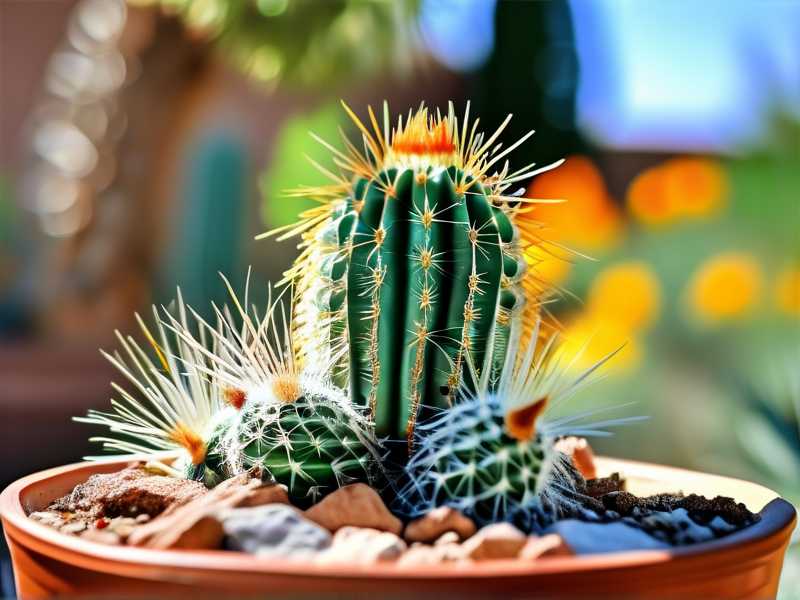
Let me walk you through exactly what happens when you get it right versus wrong. I will share my real struggles, my two-week observation logs, and the exact steps I use now to keep my cactus collection thriving.
The 3 Deadly Mistakes Every Beginner Makes with Xeriscape Cactus
Mistake #1: Watering Too Frequently
I cannot stress this enough. Overwatering is the number one killer. I killed my first prickly pear by watering it every Monday like clockwork. I thought consistency was good. It was not. The soil stayed damp. Roots suffocated. Within ten days, the base turned yellow and mushy.
My rule now: I pick up the pot. If it feels heavy with moisture, I wait. I stick my finger two inches into the soil. If I feel any coolness or dampness, no water. Cactus soil should be dry enough that it crumbles completely. Do not water on a schedule. Water based on dryness.
Mistake #2: Wrong Light Exposure
I learned this one the painful way. I placed a new golden barrel cactus in a spot that got bright but indirect light. I thought I was protecting it from sunburn. Instead, the cactus stretched toward the window. It grew skinny and pale. This is called etiolation. It weakens the plant and makes it vulnerable.
The fix: Most xeriscape cacti need full, direct sun for at least 6 hours daily. I slowly acclimated my golden barrel over two weeks. I started with morning sun only. Then I moved it to an afternoon spot. Now it gets full south-facing exposure. Its color deepened and it started growing compact again.
Mistake #3: Using the Wrong Pot or Soil
My very first cactus came in a pretty glazed ceramic pot with no drainage hole. I thought it looked nice. I killed it in four days. Water pooled at the bottom. Rot set in instantly.
What works: I use only unglazed terracotta pots with large drainage holes. Terracotta breathes. It wicks away excess moisture from the soil. For soil, I mix 60% coarse sand, 30% perlite, and 10% organic compost. This drains fast and dries completely within a day. Never use regular potting soil. It holds too much water.
My Two-Week Watering Experiment: Exact Steps and Observations
I decided to document my watering for two full weeks. I wanted to see exactly how my cactus responded when I stuck to the deep-water-rarely method. Here is my log.
Week 1: Day 1 to Day 7
Day 1: I checked all 12 of my outdoor cactus plants. I used a moisture meter for accuracy and also did the finger test. Three pots felt slightly damp near the bottom. I did nothing. I walked away.
Day 3: No changes. I resisted the urge to mist or sprinkle. I have learned that misting cactus is pointless. Their spines are not leaves. They absorb zero moisture that way.
Day 5: I noticed my large saguaro looked slightly wrinkled near the base. This scared me at first. I thought it was dying. But I have read from the RHS that slight wrinkling can signal thirst. However, I waited one more day.
Day 7: The top two inches of soil were bone dry in all pots. My clay pots felt noticeably lighter. I filled my watering can with rainwater that had sat for 24 hours to reach room temperature. I watered each pot slowly, pouring at the base until water ran out of the drainage hole. For the saguaro, I gave it an extra slow pour. Total watering time for all plants was about 15 minutes. I let them drain completely before putting them back.
Week 2: Day 8 to Day 14
Day 9: I checked the soil surface. It was still damp on top. I did not water again.
Day 11: The soil surface felt dry. But when I probed two inches down, I felt slight moisture. I waited.
Day 13: I checked the saguaro. The wrinkles had completely disappeared. It looked plump and healthy. This confirmed I had watered at exactly the right time.
Day 14: I repeated the deep watering. My plants looked vibrant. New growth tips appeared on my echinopsis. The barrel cactus showed a faint green ring where new tissue was expanding. Honest observation: I saw no yellowing, no mushiness, no stretching. Two weeks of discipline paid off.
Key takeaway from my two-week log: Cactus do not need weekly water in most home xeriscape settings. Even in peak summer, every 10-14 days was ideal for my local conditions. I adjust based on rain, humidity, and temperature. You should too.
How to Check Soil Moisture for Xeriscape Cactus (Avoiding Rot)
Let me tell you about the time I trusted my eyes over my hands. I had a beautiful moon cactus that looked fine on the surface. The top soil was dry and dusty. But underneath, the soil was a wet sponge. The roots were already dying. I lost that plant fast.
Now I use three checks:
-
The finger test: Stick your index finger down to the second knuckle. Pull it out. If your fingertip feels any moisture at all, do not water. This is the most reliable method.
-
The weight test: Pick up the pot when it is fully dry. Feel how heavy it is. Pick it up again after watering. Learn the difference in weight. This becomes intuitive.
-
The moisture meter: Use one if you are unsure. I bought a cheap two-prong meter. It helps me verify my finger test. But I rely on my finger most of the time.
One more thing: Do not water from above. Pouring water over the top of the cactus saturates the crown. It sits in a pool of moisture and rots. I always water the soil directly. I pour slowly at the perimeter of the pot. This encourages roots to spread outward searching for water.
Seasonal Watering Adjustments for Sustainable Waterwise Landscaping
I tried watering my cactus the same way year-round. That was a mistake. Cactus have a dormant period in winter. They barely need water then.
Spring and Summer: This is the growth period. I water every 10-14 days. I water deeply. I water early in the morning before the sun gets hot. This reduces evaporation and gives roots the whole day to absorb moisture.
Fall: I gradually reduce watering. I stretch it to every 3-4 weeks. The days shorten and temperatures drop. The cactus slows down. Forcing water now will cause weak growth.
Winter: I water once every 4 to 6 weeks. Some cactus I do not water at all for 8 weeks if the soil stays cool and dry. The AHS recommends watering cactus only when they show signs of slight shriveling in winter. I follow that strictly.
Example from my garden: Last winter, I watered a large agave only twice in three months. It looked fine. It looked healthier than my neighbor's agave that she watered monthly. Less is more when the plant is resting.
The Right Soil Mix for Drainage (Why I Switched to Gritty Mix)
I used to buy cactus potting soil from the store. I thought it was good enough. It was not. It held too much moisture and compacted over time. My cactus roots stayed wet for a week after watering. Then rot started.
I now make my own mix. Here is the recipe:
- 3 parts coarse horticultural sand
- 2 parts perlite
- 1 part pumice
- 1 part small gravel or decomposed granite
- 1 part organic compost (very little)
This mix drains completely within 30 minutes. It dries out fully within a day or two. Roots get airflow. This is critical for sustainable waterwise landscaping because the soil itself stores minimal water. The cactus must rely on its own water storage. That is how nature designed it.
One more note: I avoid vermiculite in cactus soil. Vermiculite absorbs water like a sponge. It keeps roots damp. Avoid it entirely.
My Personal Xeric Garden Layout and Watering Zones
I grouped my cactus by water needs. This is something I did wrong initially. I planted a thirsty succulent next to a desert cactus. The succulent needed water every four days. The cactus suffered from excess moisture.
Now I have three zones:
- Zone 1: Tropical succulents (aloe, jade plant) – water every 10-14 days
- Zone 2: Traditional cactus (barrel, prickly pear, saguaro) – water every 14-21 days
- Zone 3: True desert dwellers (agave, yucca, some opuntia) – water every 3-4 weeks
I use separate drip emitters for each zone. I set timers based on the slowest plant in each group. This saves water because I am not overwatering the desert dwellers to meet the needs of the tropical ones. It is a simple trick that completely changed my garden's health.
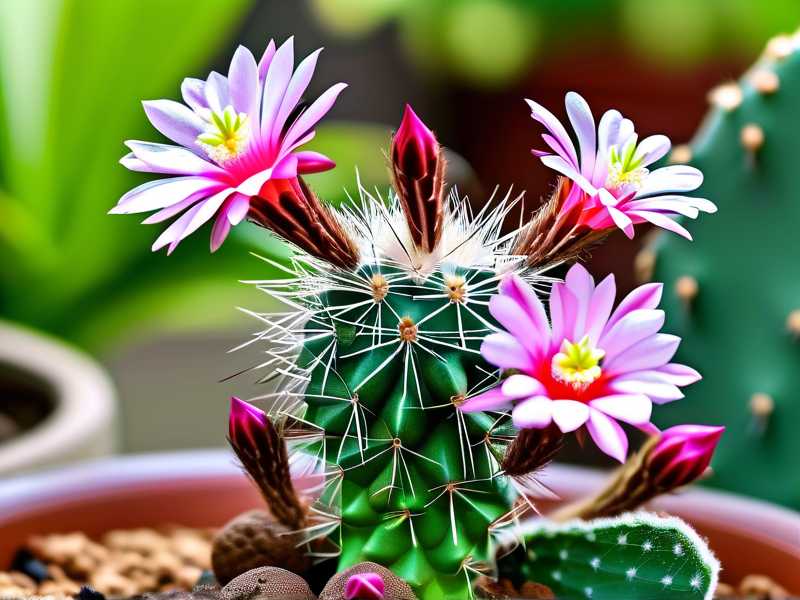
Personal observation: My barrel cactus in Zone 2 started producing flowers after I stopped watering it too often. It bloomed for the first time in two years. That was a win.
What the Experts Say About Cactus Watering and Xeriscaping
I reference the RHS frequently for cactus care guidance. They emphasize that cactus have evolved to survive long dry spells followed by sudden heavy rain. Your watering routine should mimic that.
The AHS supports xeriscaping as a method to reduce urban water use by up to 60%. They recommend using cactus that are native to your region. Native cactus are already adapted to your local rainfall patterns. That means you water less.
My advice from an expert perspective: Do not feel guilty about skipping water. Cactus are not like ferns. They do not wilt and decline from slight dryness. They thrive on the edge of thirst. Push that boundary. You will see better growth.
How to Water Cactus in Ground vs Containers
Container cactus: I water more frequently because pots dry out faster. In summer, I check every 8 days. I still use the finger test every time. Plastic pots retain moisture longer than terracotta. I only use terracotta now. It is worth the change.
In-ground cactus: I water much less. The ground retains moisture longer. My in-ground prickly pear has not been watered at all this summer except for natural rain. It is thriving. The soil around it is a sandy loam that drains fast. That is the key.
Warning: Do not water in-ground cactus if you expect rain within three days. Overwatering combined with natural rain creates a perfect rot storm. I check the weather forecast religiously before watering.
Common Signs Your Xeriscape Cactus is Overwatered or Underwatered
I want to help you read your plant’s language. Cactus tell you what they need if you pay attention.
Overwatered signs:
- Yellow or translucent appearance at the base
- Soft, mushy spots that squish when pressed
- Black or brown spots near the soil line
- Fungus gnats in the soil
- Soil that stays wet for more than five days
Underwatered signs:
- Wrinkled or shriveled skin
- Tips or base pulling inward
- Plant looks deflated or smaller overall
- Spines may become dull or droop slightly
My story: I had a golden barrel that started turning yellow at the base. I thought it needed water. I gave it more. It got worse. I finally realized it was overwatered. I repotted it into dry soil and removed the rotten roots. It took three months to recover. Now I wait until I see wrinkles before I even think about watering.
Using Rainwater for Your Xeriscape Cactus (Why It Matters)
I collect rainwater in a barrel. Cactus prefer rainwater over tap water. Tap water often contains chlorine, fluoride, and minerals. These can accumulate in the soil over time. Salt build-up disrupts root function.
My method: I use a simple rain barrel under my gutter downspout. I let the water sit for 24 hours before using it. This allows any chlorine to dissipate. If it has been raining heavily, I use that water immediately. Rainwater is slightly acidic, which cactus love.
Honest moment: I still use tap water in emergencies. It is not the end of the world. But rainwater has noticeably improved the color and firmness of my cactus. I recommend it.
The Best Time of Day to Water Cactus
I learned this lesson through a sunburned cactus. I watered at noon on a 95-degree day. Water droplets on the cactus body acted like tiny magnifying glasses. They scorched the skin. Sun followed by water is a bad combination.
I now water at dawn (5:00-7:00 AM) or early evening (6:00-8:00 PM). Morning is best because roots have all day to drink before the heat peaks. Evening watering can be okay, but I avoid it during cool, humid seasons. If the soil stays wet overnight in cool weather, rot risk increases.
Tip: If you water in the evening, make sure the plant is in a spot that gets morning sun to dry the soil quickly.
How Climate Affects Your Cactus Watering Schedule
I live in a semi-arid region, summer temperatures regularly hit 100°F. My watering schedule differs from someone in a humid coastal area.
For hot, dry climates: Water every 7-10 days during summer peak. Soil dries fast. Your cactus may actually need slightly more frequent watering. But still check the soil first.
For humid climates: Water every 14-21 days. High humidity slows soil evaporation. Your cactus may rot even with less frequent water. I have a friend in Florida who waters her in-ground cactus only once a month.
For cold climates: Stop watering entirely when frost is expected. Wet soil freezes faster and damages roots. In winter, I move my container cactus into an unheated garage and water them twice in four months.
Personal experience: Last August, we had a sudden heatwave with 110°F days and no rain. I watered my cactus twice in one week because the soil was bone dry by day four. That was an exception, not a rule. I adjusted based on what the plant told me.
Frequently Asked Questions About Xeriscape Cactus Watering
1. How do I know when my cactus needs water without killing it?
You can never fully trust a schedule. I use the finger test. Stick your finger two inches into the soil. If you feel moisture, wait. If it is dry, check again in two days. Look for slight wrinkles at the base. That is your cactus saying it is ready. Most beginners overthink this. Your cactus will survive a few extra dry days far better than a single overwatering.
2. Can I use drip irrigation for my xeriscape cactus?
Yes, but set the drips to run very slow and only when the soil is dry. I use drip irrigation on a timer for my larger in-ground cactus. I set the emitter to deliver 0.5 gallons per hour for 30 minutes. That delivers a deep, slow soak. I only run it when the soil is completely dry. Drip is efficient for sustainable waterwise landscaping because it delivers water directly to the root zone with zero waste.
3. What if my cactus has rot from too much water? Can I save it?
Yes, if you catch it early. I saved a barrel cactus once by cutting away the rotted tissue. I removed the cactus from the pot, sliced away all soft, brown roots, and let the remaining healthy root ball air dry for three days. I repotted it in a clean terracotta pot with fresh dry soil. I waited two full weeks before giving it a small drink. It bounced back over the next month. The sooner you act, the better. Do not just stop watering and hope. You must remove the rot physically.
Final Words on Keeping Your Xeriscape Cactus Alive and Thriving
Look, I learned most of this by killing plants. I killed my first five cactus before I got it right. The lesson is simple: cactus want neglect, not coddling. They want deep drinks that mimic rare desert storms, not constant sips. They want soil that drains instantly. They want full sun that hardens them.
When you water correctly, your cactus rewards you with compact growth, bright colors, and eventually flowers. Your water bill stays low. Your garden becomes a low-maintenance, sustainable landscape that works with nature. That is the whole goal of xeriscaping.
I still check every plant by hand. I still second-guess myself sometimes. But now I wait. I trust the dryness. I trust the two-week rhythm. Your cactus are tougher than you think. Give them less water. Watch them thrive.