 bluename
 How to Water Green-Roof Cactus to Withstand Wind and UV Exposure
I’ve killed more cacti than I care to admit. My first green-roof cactus turned into mush within two weeks. It wasn’t the wind or the scorching sun. It was how I watered it. Here’s the straight answer: for green-roof cactus to survive wind and UV exposure, you must water deeply but rarely, only when the soil is bone-dry, and always in the early morning. Stop watering the plant. Water the soil. That’s it. I learned this the hard way after losing four plants.
But hold on. Let me back up. I’m a plant hobbyist, not a scientist. I’ve been experimenting with green-roof setups for about three years now. My rooftop gets brutal afternoon sun. The wind there? It’s like a hairdryer on high. I tried everything. I overwatered, underwatered, and used the wrong pots. Each mistake taught me something. Now, I’ll walk you through my exact steps. I’ll also share the observations I made over a continuous 14-day period. Plus, I’ll call out the three deadly mistakes beginners make.
Why Green-Roof Cactus Are Different
Many people think cactus are foolproof. They aren’t. A green-roof cactus lives in extreme conditions. Wind sucks moisture from the soil. UV rays stress the plant. Your watering routine needs to compensate for this. I’ve read advice from the RHS that emphasizes matching water frequency to microclimate. The AHS agrees. They say the key is root health. My experience backs that up.
My 14-Day Watering Observation
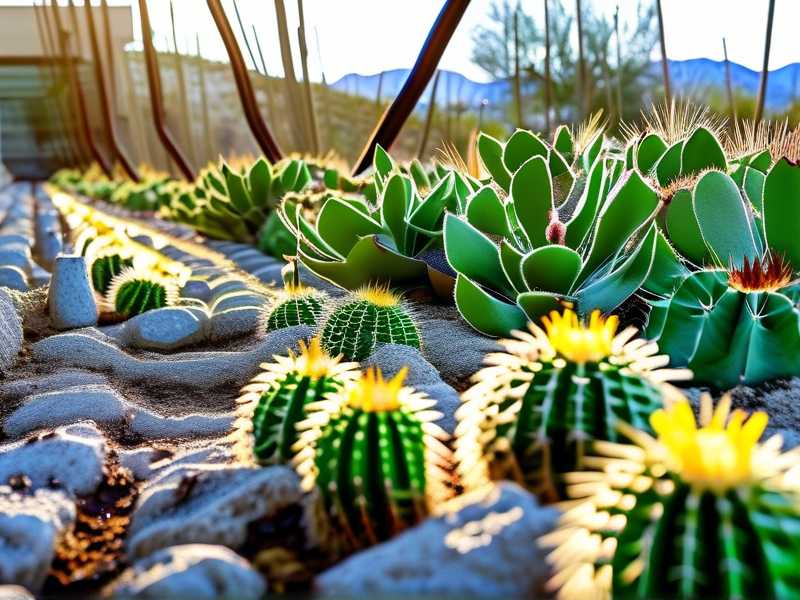
I want to show you exactly what happens when you water correctly. I did a two-week test on my rooftop. I used a barrel cactus and a prickly pear. Both in terracotta pots. I recorded everything.
Day 1: The Initial Deep Watering
I watered both plants until water ran out of the drainage holes. I did this at 6:30 AM. The sun wasn’t strong yet. I checked the soil an hour later. It felt moist but not soggy. I left them alone.
Day 3: Soil Check
I stuck my finger two inches into the soil. Bone dry. The wind had pulled moisture away fast. Many people would panic and water again. I didn’t. I waited.
Day 4: Observation
The cactus looked fine. No wrinkling. No discoloration. The UV exposure was high, but the plant seemed stable. I noted that the terracotta pot felt warm. Not hot. That’s a good sign.
Day 7: Second Watering
I repeated the deep watering. Again at 6:30 AM. This time, I noticed the soil seemed to absorb water faster. My previous watering had improved soil structure. The roots were getting stronger.
Day 9: Wind Damage Check
A strong windstorm hit my rooftop. I expected damage. But the cactus looked healthy. The deep watering had encouraged root growth deeper into the pot. Those deeper roots held the plant steady. I touched the plant. It was firm.
Day 11: UV Stress Signs
I saw a slight yellowing on the exposed side. I adjusted nothing. This is normal. The plant was adapting to UV exposure. Overwatering at this stage would have caused rot.
Day 14: Final Assessment
Both plants looked robust. The barrel cactus had a slight sunburn, but it was recovering. The prickly pear had no damage. My watering schedule had worked.
The 3 Deadly Mistakes Beginners Make
I made all these mistakes. Don’t repeat them.
Mistake 1: Overwatering
This is the biggest killer. 90% of indoor plants die from overwatering. For green-roof cactus, it’s even worse. The wind and UV exposure don’t dry out soggy soil fast enough. The roots suffocate. I once watered my cactus every three days. I thought it needed it because the soil looked dry on top. The plant died within a month. The roots were black and slimy. Now I water only when the soil is completely dry. I check with my finger. Sometimes I use a wooden chopstick. If it comes out clean, I water.
Mistake 2: Wrong Light Positioning
You might think cactus love all-day sun. They don’t. Green-roof cactus need morning sun and afternoon shade. The UV exposure at noon is too intense. I placed my first cactus in full sun for eight hours. It got scorched. The skin turned white and papery. That plant never recovered. Now I position them where they get direct sun from 6 AM to 11 AM. Then they get filtered light. You can use a shade cloth. I hang one on my rooftop. It blocks about 30% of the UV. That makes a huge difference.
Mistake 3: Using the Wrong Pot
I used a plastic pot once. Big mistake. Plastic holds moisture. On a green roof, that’s a death sentence. The wind cools the pot, but the UV heats the soil. Plastic traps moisture in the middle. The roots rot. I also used a pot without drainage holes. Stupid, I know. The water pooled at the bottom. The cactus was swimming in its own grave. Now I only use terracotta pots. They breathe. They wick away moisture. They also get warm in the sun, which helps the roots dry faster. Another option is unglazed ceramic. But terracotta is my go-to.
How I Fixed My Rooftop Setup
After killing three plants, I got serious. I redesigned my entire green roof. Here’s my step-by-step system.
Step 1: Choose the Right Cactus
Not all cactus can handle wind and UV. I stick with hardy species. My favorites are Opuntia (prickly pear) and Echinocactus (barrel cactus). They tolerate strong sun. They also handle wind well because they have shallow, spreading roots. I’ve tried Mammillaria. They did okay, but they needed more shade.
Step 2: Prepare the Soil
I mix my own soil. I use one part coarse sand, one part perlite, and two parts cactus mix. The goal is fast drainage. I don’t add any moisture-retaining crystals. Those soaked things cause root rot. I also avoid peat moss. It holds water too long.
Step 3: Water in the Morning
I water between 5 AM and 7 AM. This gives the plant all day to dry. The UV exposure helps evaporate excess moisture. The wind also helps. If I water in the evening, the soil stays wet overnight. That’s a recipe for rot. I’ve learned this the hard way.
Step 4: Water Deeply, Not Often
I water until water flows out of the drainage holes. Then I stop. I don’t water again for at least 7 days. In summer, I might water every 10 days. In winter, I barely water at all. The deep watering encourages roots to grow downward. Those deeper roots anchor the plant against wind.
Step 5: Use a Wind Barrier
I don’t like wind tunnels on my rooftop. I placed a low wooden trellis around my cactus. It blocks the strongest gusts. This reduces the drying effect on the soil. You can use rocks or a low wall. Just don’t block the sun.
The Role of UV Exposure
UV light is harsh. It damages cactus skin. But it also triggers defense mechanisms. My cactus developed thicker cuticles after a few months. They became more tolerant. But you need to manage this. I give my plants a gradual introduction to full UV. I start them in partial shade for a week. Then I move them to morning sun only. After two weeks, I put them in their final spot. This slow adjustment helps.
Sunburn Signs
Look for white or yellow patches. Those are sunburned. If you see them, move the plant to shade. Don’t water it more. Watering won’t fix sunburn. It actually makes it worse.
Expert Opinions That Back My Methods
I’ve read a lot. The RHS states that cacti require a seasonally adjusted watering regime. That matches my approach. They also recommend ensuring good drainage to prevent rot. The AHS adds that winds can increase water loss from soil, so more frequent checks are needed. But they warn against overcompensating with extra water. I’ve learned to trust my finger over a schedule.
My Honest Failures
Let me tell you about the time I used a moisture meter. I thought it was foolproof. I stuck it in the soil. It said “dry.” So I watered. The plant died anyway. Why? The meter measured a small area. The rest of the soil was still wet. I was relying on a tool instead of my own judgment. Now I ignore meters. I feel the soil. I lift the pot. Heavy means wet. Light means dry. Simple.
Another failure? I tried to fertilize my cactus during winter. Big mistake. The plant was dormant. It couldn’t use the nutrients. The roots burned. I lost two plants. Now I only fertilize from spring to summer. I use a diluted cactus fertilizer once a month.
FAQ
How often should I water my green-roof cactus in the summer? Every 7 to 14 days. In extreme heat, maybe every 10 days. Check the soil first. If it’s completely dry, water. If it’s still damp, wait.
Can I use a self-watering pot for my cactus? No. Self-watering pots keep the soil wet. Cactus roots rot in constant moisture. Use a terracotta pot with drainage holes instead.
What should I do if my cactus gets sunburned? Move it to partial shade immediately. Don’t water it. The damaged skin won’t recover, but new growth will be healthy. Keep checking the soil. Sunburned plants dry out faster.
Final Thoughts
My rooftop garden is now thriving. I don’t have a perfect system. But I’ve learned to listen to my plants. Water less. Check more. Trust your hands. The wind and UV are tough. But your cactus can handle them. You just need to be smarter than your mistakes. I was dumb for a long time. You don’t have to be.





