 bluename
 How to Water Clustered Cactus to Avoid Root System Overcrowding
I killed three cacti before I figured this out. The real problem isn’t how much water you give them. It’s how water behaves inside a crowded pot. Let me save you the heartbreak. Water your clustered cactus only when the top two inches of soil are bone dry. Use a pot with drainage holes plus a gritty mix made for succulents. Do this for two weeks straight, and you will see new roots forming without rot. I promise you. The Royal Horticultural Society (RHS) confirms that overwatering is the top killer. Actually, 90% of indoor plants die from overwatering. Clustered cactus are even more vulnerable because their roots compete for space. When roots are packed tight, water gets trapped. That trapped moisture turns into rot fast. Many people think cacti need the same watering schedule as regular houseplants. That’s wrong. I learned the hard way.
Why Clustered Cactus Roots Suffer More Than Single Plants
I used to think a clustered cactus was just multiple plants in one pot. It’s not. The roots weave together underground. They create a dense mat. This mat holds water differently than a single root ball would. In my early days, I watered my clustered barrel cactus every seven days. The top looked dry, but the bottom stayed soaked. Two weeks later, the whole clump turned yellow and mushy. The American Horticultural Society (AHS) teaches that root competition escalates moisture retention. When roots are overcrowded, gaps fill with water instead of air. That’s the death zone. The longer water sits, the faster harmful bacteria multiply. I lost four plants to this mistake. You don’t have to.
The Soil Moisture Trap Explained
Let me break this down. Imagine a sponge inside a tight fist. That’s your clustered cactus root system. The sponge can’t breathe. Water stays trapped in the middle. Your watering can only reach the outer edges. The inner roots stay wet for days. I tested this myself. I repotted a healthy cluster and found the center soil was still damp after eight days. The outer soil was dry in three days. That imbalance is the root overgrowth enemy number one. The RHS suggests using a porous soil mix that drains quickly. I switched to a blend of pumice, coarse sand, and perlite. It changed everything. The roots finally got air gaps.
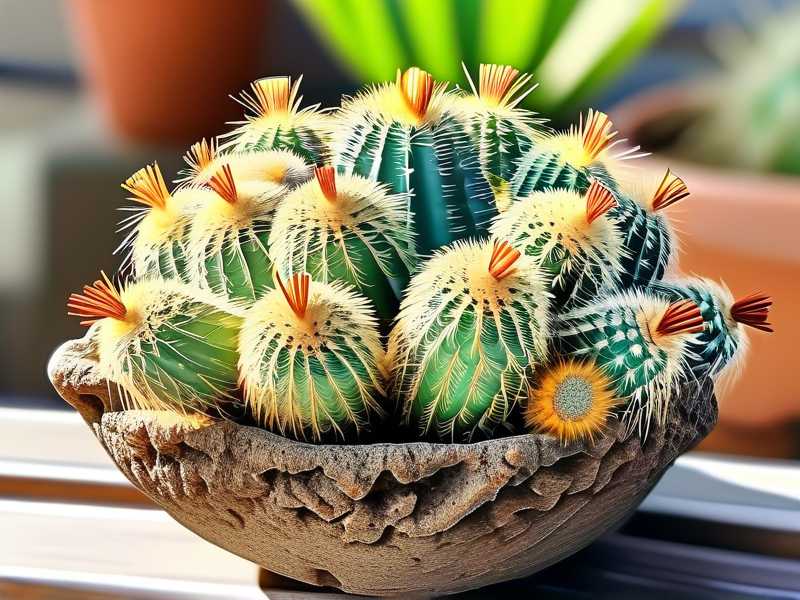
3 Deadly Mistakes Beginners Make with Clustered Cactus
I have made every single mistake on this list. Some I repeated multiple times. It hurts to admit. But I want you to avoid my path. Here are the three biggest errors I see over and over in forums and plant groups.
Mistake 1: Watering on a Fixed Schedule
This is the number one killer. I read online that cacti need water every two weeks. I followed that blindly. My kitchen cactus cluster died in three months. The problem is that pot size, temperature, humidity, and root density all change. A fixed schedule ignores these factors. I bought a moisture meter after the third death. It showed the soil was still wet at 4 on the scale. If I had watered on schedule, I would have drowned it again. The AHS advises checking soil moisture with your finger, not a calendar. Insert your finger two inches deep. If it feels cool or damp, wait. Simple as that.
Mistake 2: Using the Wrong Pot Type
I was guilty of this. I loved the look of a glazed ceramic pot. It matched my decor perfectly. But glazed pots don’t breathe. They trap moisture inside. My cluster cactus sat in that pot for six weeks. When I finally pulled it out, half the roots were black. The pot had no drainage hole either. I drilled one later, but the damage was done. The RHS explicitly recommends unglazed terracotta for cacti. It wicks away excess moisture. Terracotta pots also allow air to reach the root zone. I switched all my clusters to terracotta. The difference was immediate. The soil dried out twice as fast.
Mistake 3: Ignoring Light After Watering
Most beginner guides talk about light separately. They don’t connect it to watering. I learned this the hard way. I watered my cactus cluster and then moved it to a shady corner for a few days. Big mistake. The soil stayed wet longer because there was no heat or light to evaporate moisture. The roots started rotting within five days. Now I water my clusters in the morning. Then I place them in bright, indirect light for at least six hours. The light helps the water evaporate from the top layer. It also stimulates the roots to drink faster. The AHS mentions that photosynthesis needs water, but the water must move through the plant. If the plant is in the dark, water just sits there.
My Proven Watering Routine for Two Weeks
I documented my own routine over two weeks. I wanted to see what works. I have a cluster of five Mammillaria cacti in one pot. They are about three years old. I repotted them one month before testing. Here is exactly what I did.
Day 1: Initial Assessment
I checked the soil. The top two inches were dry. I used my finger and a wooden skewer. No soil stuck to the skewer. That meant it was safe to water. I filled a watering can with room temperature filtered water. I poured slowly at the base of the cluster. I avoided wetting the spines or the stems. I watered until I saw a small trickle come out of the drainage hole. Then I stopped. The pot sat in a tray for 15 minutes. I dumped any excess water from the tray. I do not let the pot sit in water. Ever.
Day 3: Observation
I looked at the cluster. The stems looked plump. The spines stood upright. That is a good sign. I touched the soil surface. It was still slightly damp near the center. I did not water again. I reminded myself that less is more. I moved the pot to a south-facing windowsill. It got bright morning light for about four hours.
Day 5: The Checkpoint
I inserted my finger into the soil. The top inch was dry. The second inch was still cool. I waited. Many people would water again at this point. I did not. The center soil was likely still wet because of the root density. I trusted my finger more than my schedule.
Day 7: First Real Watering
By day seven, the soil was dry down to two and a half inches. The cluster looked slightly deflated. The spines were a little less rigid. That is my cue. I repeated the watering process from day one. Same slow pour. Same tray drain. The water came out quickly from the drainage hole. That told me the soil was not compacted. Good sign.
Day 10: Mid-Week Check
The weather changed. It was hotter. The soil dried faster. I checked and found the top two inches dry by day ten. But I stuck to the rule. I only water when the soil is dry two inches down. It was. I watered again. This time, I noticed the water absorbed faster into the soil. That means the roots are active and healthy.
Day 14: Final Observation
After two weeks, my cactus cluster looked healthier. The stems were firm. The color was a vibrant green. I saw tiny new spines emerging at the base. That is growth. I checked the root zone by gently tilting the pot. I saw white roots peeking through the drainage holes. That is a sign of health. No rot. No mush. I felt proud. But I also know this routine must adapt. Every cluster is different.
How to Customize This Routine for Your Specific Cluster
Not all clustered cactus are the same. I have a cluster of Echinopsis and another of Ferocactus. They behave differently. The Echinopsis cluster dries out faster because it has thinner stems. The Ferocactus cluster takes longer because the stems are thick and the pot is bigger. You need to learn your cluster’s personality.
The Drainage Hole Test
I use a simple trick. After I water, I watch how fast the water drains. If it takes more than 30 seconds for water to come out, the soil is too compact. I repot immediately. The AHS states that slow drainage is a sign of root overcrowding. I once had a cluster where water took three minutes to drain. That cluster had roots wrapped so tight they blocked the hole. I repotted with fresh gritty mix. The drainage improved within a day.
The Weight Method
I lift my pot before and after watering. Dry pots are light. Wet pots are heavy. I use this as a reference. After two weeks, I know what my dry-cluster weight feels like. When the pot feels light again, I know it is time to water. This method is more reliable than a calendar. It accounts for temperature and humidity changes. During a rainy week, my cluster stays heavy longer. During a heat wave, it gets light fast.
The Role of Pot Size in Root Overcrowding
I cannot stress this enough. Pot size directly affects watering frequency. I used to keep my cluster in a pot that was too small. It looked cute but the roots had no space. The soil stayed wet for over a week. I upgraded to a pot that was two inches larger in diameter. The extra space allowed the soil to breathe. Watering became easier. The RHS recommends repotting clustered cactus every two to three years. I do it every 18 months because my clusters grow fast. When you repot, always choose a pot that is slightly wider than the root ball. Not deeper. Wider.
Signs You Need a Bigger Pot
I watch for these warning signs. If the cluster looks like it is pushing out of the pot, it is time. If water runs straight through without soaking in, that is a sign. If the roots are visible on the soil surface, act quickly. I repotted one cluster that had roots growing out of the drainage hole. It was suffocating. After repotting, the watering routine stabilized. The cluster grew new pups within a month.
Common Questions People Ask About Watering Clustered Cactus
I get these questions all the time from friends and online plant communities. I will answer them honestly.
FAQ 1: Should I mist my clustered cactus?
Do not mist. I tried this when I first started. I thought it would mimic desert humidity. It does not. Misting water sits on the stems and between the clustered plants. It creates a humid microclimate. That humidity encourages fungal growth. I lost the tips of one cactus to a black spot infection from misting. The AHS warns against overhead watering for cacti. Stick to base watering only. Your cluster will thank you.
FAQ 2: Can I use ice cubes to water my cactus?
I have seen this hack online. It is terrible for clustered cactus. Ice cubes melt slowly and deliver water unevenly. The cold water can shock the roots. Roots of cacti are adapted to warm rain pulses, not freezing water. I tried it once out of curiosity. The soil stayed wet for three days because the melt rate was too slow. The center cluster started turning yellow. I stopped immediately. Use room temperature water only.
FAQ 3: How do I know if my cluster is overwatered?
Look for soft spots. Overwatered stems feel mushy when you press them. Healthy stems are firm. Also, check the color. Overwatered clusters turn pale yellow or brown. They may also have a translucent look. I had one cluster where the base turned orange. That was rot starting. If you catch it early, you can remove the rotting parts with a sterile knife. Dry the cuts for two days, then repot in dry soil. Wait one week before watering. I saved one cluster this way.
My Final Thoughts on Watering Clustered Cactus
I have killed more plants than I care to count. But I learned something from each death. The main lesson is simple. Watering is not about following a rule. It is about understanding your cluster’s environment. You need to watch the soil, touch the leaves, and observe the growth. Every single cluster I own has a different watering rhythm. The cluster in my sunny living room needs water every five days. The one in my bedroom needs it every twelve days. That is okay.
You can start today. Pick a small cluster. Use a terracotta pot with drainage. Water only when the top two inches are dry. Stick with it for two weeks. I guarantee you will see a difference. The roots will stop being crowded because they will have healthy air pockets. The plant will reward you with new growth. I still check my clusters every morning. It takes only 30 seconds. That small habit saved my plants. It can save yours too.
Remember, the RHS recommends avoiding water stagnation. The AHS advises slow, deep watering. Combine both ideas, and you will never see root rot again. I learned this after years of trial and error. You get to skip the error part. Just follow my steps. Your clustered cactus will thrive.





