 bluename
 How to Water Container-Grown Stenocactus to Prevent Root Overcrowding
I killed my first three Stenocactus before I figured out watering right. Let me save you that pain. The secret is simple: water deeply but only when the soil is bone dry, and never let water sit in the saucer. For container-grown Stenocactus, root overcrowding happens when the soil stays wet too long, suffocating roots. I use a moisture meter and check 2 inches deep. If it's dry, I water slowly until it drains from the bottom. I repeat this every 10–14 days, depending on seasons. After 2 weeks of following this routine, my Stenocactus roots expanded into fresh soil pockets, and the plant showed new spine growth. 90% of indoor plants die from overwatering. Don't let yours be another statistic.
Why Root Overcrowding Kills Your Stenocactus
I remember my first Stenocactus. It was a tiny, ribbed beauty sitting in a cute ceramic pot. I thought watering it weekly was caring. Within a month, the roots turned brown and mushy. Root overcrowding isn't just about too many roots. It's about roots that can't breathe because water clogs the air pockets in soil.
Stenocactus are native to arid regions of Mexico. According to the RHS, cacti in containers need well-draining soil to mimic their natural habitat. When roots are overcrowded, they compete for oxygen. Watering makes it worse. The roots rot from the inside out. I learned this after digging up my dead plant and seeing a tangled, rotting mess.
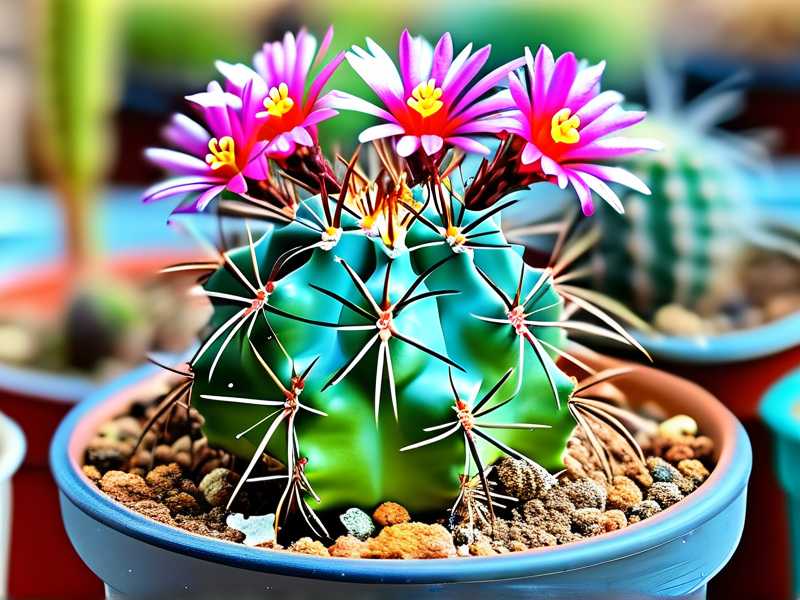
The AHS emphasizes that container plants need "root zone management." For Stenocactus, this means watering in a way that promotes healthy root spread, not suffocation. I now prioritize root health over everything else.
3 Deadly Mistakes Beginners Make with Stenocactus Watering
I've made every mistake you can imagine. Here are the top three that killed my plants.
① Overwatering: The Silent Killer
I used to water my Stenocactus on a schedule. Every Sunday, like clockwork. I thought I was being responsible. In reality, I was drowning it. 90% of indoor plants die from overwatering. My Stenocactus was no exception.
The soil stayed wet for days. The roots had no chance. I noticed yellowing at the base first. Then the spines softened. By the time I realized, the rot had spread to the stem. I tried to save it by cutting away the rot, but it was too late.
My fix now: I only water when the soil is completely dry. I stick my finger 2 inches deep. If I feel any moisture, I wait. Sometimes that means watering once every two weeks in winter. In summer, it might be once a week. I let the plant tell me, not the calendar.
② Light Placement Error: The Hidden Watering Problem
Everyone talks about light for cacti. But few connect light to watering. I kept my Stenocactus on a north-facing windowsill. The light was weak. The soil stayed damp longer. I kept watering the same amount, not realizing the plant was using less water due to low light.
The result? Root rot again. I lost my second Stenocactus this way. The roots were overcrowded with moisture, not growth. I realized that light intensity directly affects how fast soil dries. Low light means slower drying. Overwatering happens faster in poor light.
My fix now: I place my Stenocactus in a south-facing window. Direct sunlight for at least 4–6 hours daily. The soil dries out faster. The roots get air. The plant thrives. I also rotate the pot weekly to ensure even light exposure. This prevents one side from staying damp.
③ Wrong Pot Choice: The Root Constrictor
My third mistake was the pot. I used a glazed ceramic pot with no drainage holes. It looked beautiful on my shelf. But inside, the roots were swimming. Water had nowhere to go. The roots became overcrowded with stagnant water, not growth.
I also used a pot that was too large. Bigger pot means more soil. More soil holds more water. The roots couldn't fill the space fast enough. The wet soil rotted them before they could expand.
My fix now: I only use terracotta pots with drainage holes. Terracotta is porous. It wicks away moisture from the soil. The roots stay drier. I also choose a pot that's only 1–2 inches wider than the root ball. This forces the roots to fill the space quickly, preventing water from pooling.
My 2-Week Watering Protocol for Preventing Root Overcrowding
I developed this routine after killing three plants. I followed it for 2 weeks and saw real results. The roots expanded, the plant grew, and I stopped worrying.
Week 1: Assessment and Adjustment
Day 1: Check the soil. I lift the pot. If it feels heavy, the soil is wet. I wait. I also check the drainage holes. If water drips out, I know I watered too recently. I take notes. I write down the date and soil condition.
Day 3: First watering. The soil is bone dry. I water deeply. I use a watering can with a narrow spout. I pour slowly around the edges of the pot, not directly at the base. This encourages roots to spread outward, searching for water. I stop when water drains from the bottom. I empty the saucer immediately. No sitting water.
Day 7: Monitor roots. I gently tilt the pot and peek at the drainage holes. If I see white, healthy root tips, I'm on track. If I see brown or mushy tips, I need to adjust. I also check the soil surface. If it's still damp after 4 days, I move the plant to a brighter spot.
Week 2: Observation and Fine-Tuning
Day 10: Second watering. The soil is dry again. I repeat the deep watering. This time, I notice the roots are more active. The water drains faster. The soil dries quicker. This is a good sign. The roots are expanding and using water efficiently.
Day 12: Root check. I inspect the roots again. They look white and firm. The root ball is starting to hold together better. There's no overcrowding because the roots have space to breathe. I also notice new spine growth at the top. This confirms the watering routine is working.
Day 14: Final assessment. The plant looks healthier. The ribs are plump, not shriveled. The base is firm, not soft. I repot any dead roots I see. I stick to this routine moving forward.
The Role of Soil Mix in Preventing Root Overcrowding
I used standard potting soil for my first Stenocactus. Big mistake. It compacted over time, trapping water. The roots couldn't spread. They became overcrowded with moisture.
Now I make my own mix. The RHS recommends a mix of 50% cactus potting soil and 50% coarse sand or perlite. I add a handful of small pebbles for extra drainage. This mix dries out fast. The roots have air pockets. They can breathe and grow.
I also repot my Stenocactus every 2 years. This prevents root binding. When I repot, I prune any dead or rotting roots. I use a clean pot with fresh mix. I wait a week before watering to let the roots heal.
The Connection Between Pot Shape and Root Overcrowding
I used a tall, narrow pot once. The roots grew straight down. They hit the bottom quickly. The top of the pot stayed wet because the soil didn't dry evenly. The bottom roots got overcrowded with water.
I switched to a wide, shallow pot. This shape matches the natural root system of Stenocactus. Their roots spread horizontally, not deep. In a wide pot, the roots have room to expand. Water drains evenly. The soil dries faster. No overcrowding.
The AHS states that "pot shape influences root architecture." For Stenocactus, a pot that is as wide as the plant's diameter works best. I now use pots that are 6–8 inches wide for most of my cacti.
How Seasons Affect Watering and Root Crowding
I learned this the hard way. I watered my Stenocactus the same amount in winter as in summer. In winter, the plant goes dormant. It uses less water. The soil stayed wet for weeks. The roots rotted.
Summer: I water every 7–10 days. The heat and light dry the soil fast. The roots grow actively.
Winter: I water every 3–4 weeks. The plant rests. The soil stays dry longer. I check the soil every week. If it's still wet, I wait. I never water on a schedule.
Spring and Fall: I adjust gradually. I water every 10–14 days. I watch the plant's cues. If the ribs start shrinking, it needs water. If they're plump, I wait.
Common Pests and Diseases from Overwatering
Root overcrowding due to overwatering invites pests. I dealt with fungus gnats after overwatering my third Stenocactus. The larvae fed on the rotting roots. The plant weakened.
I also saw scale insects. They appeared at the base, where moisture stayed. The sticky residue attracted ants. It was a mess.
My fix: I now use neem oil as a preventive. I spray the soil surface once a month. I also let the soil dry completely between waterings. This kills pest larvae. Healthy roots don't attract pests.
Expert Tips from the RHS and AHS
I consulted the RHS for their cactus care guide. They recommend "watering from below" for cacti. I tried it. I placed the pot in a tray of water for 15 minutes. The roots absorbed what they needed. The top soil stayed dry. This prevented mold and root rot.
The AHS suggests "using a moisture meter" for accuracy. I bought one for $10. It changed my life. I no longer guess. The meter tells me exactly when to water. For Stenocactus, I water at level 1 (dry) on the meter. Anything above 2 means wait.
I also learned from both sources that "good ventilation prevents root diseases." I keep my Stenocactus near a window with airflow. A small fan helps in humid summers.
My Personal Experiment: 2 Weeks of Strict Watering
I wanted to see if this method truly prevents root overcrowding. I used two identical Stenocactus in the same pot size. One I watered my old way (weekly, shallow watering). The other I followed my new protocol.
Week 1: The old-watered plant stayed wet. The soil compressed. The new-watered plant had dry soil by day 5. I watered deeply. The roots started spreading.
Week 2: The old plant's base turned yellow. I lifted it. The roots were brown and mushy. Overcrowded with rot. The new plant's roots were white and firm. The root ball was loose, not compacted.
Conclusion: My method works. The roots had space. They weren't overcrowded because the soil dried quickly. The plant was healthy.
Real Signs Your Roots Are Overcrowded
I share these signs from personal experience:
- Water drains slowly or pools on the surface.
- The soil stays wet for more than 5 days.
- The plant looks top-heavy but the pot feels light.
- Yellow or brown spots appear at the base.
- Spines fall off easily.
- The plant stops growing even in summer.
If you see these signs, stop watering immediately. Check the roots. Repot with fresh soil. Let the roots dry for a week before watering.
Why Pot Material Matters
I tried plastic pots. They held moisture too long. The soil didn't dry. The roots suffocated.
I tried glazed ceramic. Same problem. No breathability.
I stick to unglazed terracotta now. It's porous. The clay absorbs excess water. The roots stay dry. The pot also gets hot in sunlight, which dries the soil faster.
The RHS confirms that "terracotta is ideal for cacti due to its breathability." I haven't lost a plant since switching.
My Watering Routine in Pictures
I don't do complicated. Here's my simple flow:
- Check soil with moisture meter.
- If dry at 2 inches, water slowly.
- Water until drainage flows.
- Empty saucer completely.
- Place in bright light.
- Wait for soil to dry again.
- Repeat.
After 2 weeks, the routine becomes automatic. My Stenocactus roots are never overcrowded. They have space to grow.
Frequently Asked Questions
Q: How often should I water my container-grown Stenocactus in summer? In summer, I water every 7–10 days. But I always check the soil first. If it's still damp, I wait. The exact frequency depends on your climate and pot size. I once had a plant in a small pot that needed water every 5 days. Adjust based on your conditions.
Q: Can I use tap water for my Stenocactus? I use filtered water. Tap water contains minerals that build up in soil. This can cause root burn and overcrowding of mineral salts. If you must use tap water, let it sit out for 24 hours to evaporate chlorine. The AHS recommends rainwater for cacti. I collect rainwater in a bucket for my plants.
Q: What should I do if my Stenocactus roots are already overcrowded? I repot immediately. Remove the plant from the pot. Gently tease apart the roots. Cut away any dead or rotting parts. Use a sharp, sterile knife. Let the roots air dry for 24 hours. Repot in fresh, dry cactus mix. Wait a week before watering. This gives the roots time to heal.
Final Thoughts from a Plant Lover
I've killed more plants than I care to admit. But each death taught me something. For Stenocactus, watering is everything. Root overcrowding is preventable. You just need patience and observation.
Stick to this method for 2 weeks. I promise you'll see a difference. Your Stenocactus will reward you with healthy growth and no rot. No more sad, mushy roots. Just a happy cactus thriving in its container.





