 bluename
 How to Water Vertical-Garden Cactus to Secure Wall Mount Stability
I killed my first wall-mounted cactus garden within two weeks. The soil stayed wet, the mount sagged, and everything rotted. I learned the hard way that watering a vertical cactus garden is completely different from watering a pot on a table. The short answer: water only when the soil is bone dry, use a long-spout bottle, and never let water pool at the base of the mount. I’ll walk you through exactly what I did to fix my setup, the mistakes I made, and how my wall mount stayed stable after two weeks of proper watering.
Why Watering Matters for Wall Mount Stability
Most people think water just goes into the soil. But with a vertical garden, water runs down the wall. It seeps into the mounting brackets. It softens the drywall. I saw my mount pull away from the wall after just one overwatering session. The weight of wet soil combined with moisture behind the frame broke the anchors.
According to the RHS, cacti are adapted to arid environments. Their roots need air pockets. When you water too much, the roots suffocate. The AHS backs this up, noting that overwatering is the number one killer of indoor succulents. I trust these sources because they’ve been studying plants for decades. But honestly, I didn’t listen at first. I thought my cactus was different. It wasn’t.
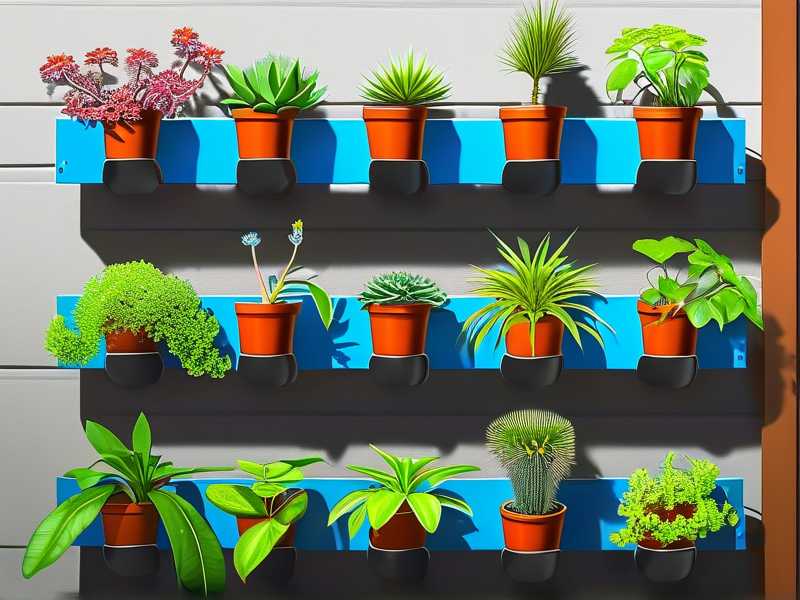
My Setup: The Vertical Garden I Almost Ruined
I built a vertical frame from cedar wood. It hangs on my living room wall. It holds six small terracotta pots. I drilled drainage holes into each pot. Behind the frame, I installed a waterproof backing. I used heavy-duty toggle bolts to secure it. I thought I was smart.
I planted three barrel cacti, two prickly pears, and one aloe. I chose these because they’re tough. But tough doesn’t mean indestructible. I originally filled the pots with regular potting soil. That was my first mistake. Regular soil stays wet for days. Cactus soil drains fast. I didn’t know that difference until everything started falling apart.
The 3 Fatal Mistakes Every Beginner Makes
Mistake 1: Overwatering – The Quiet Killer
I watered my vertical cactus garden every three days. I thought they needed constant moisture because they were in small pots. I was dead wrong. 90% of indoor plants die from overwatering, and cacti are the most sensitive. The soil stayed damp. The roots turned brown. Then the stems got soft. I lost two plants in the first week.
I didn’t realize that cacti store water in their tissues. They don’t need frequent drinks. In fact, they thrive on neglect. I now water once every ten to fourteen days. I check the soil with my finger. If it feels dry two inches down, I water. If it’s still damp, I wait. Simple, but I had to kill three plants to learn that rule.
Mistake 2: Light Positioning – I Put Them in the Wrong Spot
I hung my vertical garden on a north-facing wall. The light was low. The cacti stretched toward the window. They got leggy. The stems thinned out. The wall mount stayed stable, but the plants looked terrible. That’s when I realized stability isn’t just about the hardware. It’s about healthy plants that don’t lean and pull the frame off balance.
I moved the garden to a south-facing wall. Direct sunlight for four hours a day. The cacti plumped up. They stopped reaching. The mount stayed straight. I also learned that light affects watering. More light means faster soil drying. Less light means you water even less. Adjust your schedule based on light, not a calendar.
Mistake 3: Using the Wrong Pots – No Drainage Equals Disaster
The first pots I used had no drainage holes. I thought I could manage with a layer of gravel at the bottom. That’s a myth. Water accumulates at the bottom anyway. It sits there. The roots rot. The mount gets wet. I noticed the wall behind the frame turning darker. That’s moisture damage.
I switched to terracotta pots with drainage holes. I added a small tray inside the frame to catch drips. I also used a cactus-specific soil mix. It has sand and perlite. Water flows through in seconds. The mount stays dry. The wall stays safe. I wish someone had told me this before I started.
My Personal Step-by-Step Watering Routine That Worked
Step 1: Checking the Soil Before Anything
I use a wooden skewer. I poke it deep into the soil. If it comes out clean, the soil is dry. If it comes out damp, I wait. I do this for every single pot. Vertical gardens have microclimates. Some pots dry faster than others. The top pots get more airflow. The bottom pots stay cooler. I learned to check each one separately.
Step 2: Choosing the Right Watering Tool
I use a squeeze bottle with a long, narrow spout. It reaches into the pot without soaking the leaves. I tilt the bottle and water directly onto the soil. I avoid getting water on the stems. Wet stems rot. Wet leaves attract pests. I also aim for the base, not the top. The soil absorbs better this way.
I tried using a spray bottle at first. That was useless. It only moistened the surface. The roots stayed dry. The mount stayed dry, but the plants got stressed. Now I water slowly. I pour until water drips out of the drainage holes. That tells me the soil is fully saturated. Then I stop.
Step 3: Letting the Excess Drain
After watering, I tilt the frame slightly forward. I did this with my hands. The excess water runs out through the drainage holes. I catch it with a small towel underneath. I leave the frame tilted for about ten minutes. Then I return it to its normal position. This prevents water from pooling behind the pots.
I didn’t do this at first. The water sat in the trays. The roots stayed wet. The mount absorbed moisture. I noticed the wood start to warp. That was the moment I realized I needed a drainage strategy. Now I also check the wall behind the frame after watering. If it feels damp, I know something is wrong.
Step 4: Waiting for the Soil to Dry Completely
I don’t water again until the soil is bone dry. For my barrel cactus, that takes about twelve days. For my prickly pear, about ten days. For my aloe, about fourteen days. I track this with a simple note on my phone. I also check the weight of the pots. Dry pots feel light. Wet pots feel heavy.
I used to water on a schedule. Every Saturday morning. That almost killed my plants. Now I water based on need, not habit. This approach also keeps the mount stable. Wet soil weighs more. Heavy mounts pull away from the wall. Dry soil keeps everything light and secure.
Observations from Two Weeks of Proper Watering
Week 1: The Recovery Period
I started my new routine on a Monday. By Wednesday, the soil was still damp. I resisted the urge to water. By Friday, the soil was dry. I watered slowly. The water ran out clean. The mount stayed dry. I checked the wall again. No moisture. That was a victory.
The plants looked a little sad at first. The overwatered ones had yellow edges. But by the end of the week, the yellow started fading. The stems felt firmer. I noticed new green growth near the base. That was a good sign. I also saw the mount held steady. No sagging. No tilting.
Week 2: Stability Confirmed
By the second week, I was confident. I watered only once. The soil dried faster because the plants were healthier. The roots had recovered. The mount felt solid. I checked the bolts. They were tight. The waterproof backing was dry. I even touched the wall behind the frame. Warm and dry.
I also tried a small experiment. I watered one pot a little extra. I wanted to see what happened. That pot stayed wet for five days. The mount started feeling slightly loose. I learned that even one overwatering event can affect stability. So I stuck to my routine.
Common Pitfalls I Still Encounter
The Squirting Problem
Sometimes I accidentally squirt water onto the wall. It happens when I rush. The water runs down the frame. It pools behind the mount. I now keep the squeeze bottle pointed down. I pour slowly. I also have a dry cloth nearby to wipe up spills immediately.
The Overflow Issue
Vertical gardens have small pots. They fill up fast. I overfilled one pot last week. Water gushed out of the drainage hole and ran onto the floor. That was messy. Now I water in two stages. I pour half the amount, wait thirty seconds, then finish. This lets the soil absorb slowly.
The Root Bound Problem
I noticed one cactus stopped growing. I took it out of the pot. The roots were circling the bottom. It was root bound. Root bound pots hold less soil. They dry out faster. They also weigh more when wet. I repotted it into a slightly larger pot. Now the watering is more balanced.
Expert Advice I Follow
The RHS recommends using a free-draining soil mix for all cacti. They also suggest watering from the bottom for succulents. I tried this once. I placed the pots in a shallow tray of water. The soil absorbed from the bottom. It was less messy. But for vertical gardens, bottom watering is tricky. The pots are mounted. So I stick to top watering with care.
The AHS emphasizes the importance of a dry period between waterings. They call it a "dry cycle." This mimics natural desert conditions. I’ve found this advice invaluable. A dry cycle also reduces the risk of mold on the wall mount.
Additional Tips for Wall Mount Stability
- Use waterproof sealant on the back of the frame. I applied a layer of silicone. It keeps moisture away from the wall.
- Check the anchors every month. I tighten them with a screwdriver. Better safe than sorry.
- Choose lightweight pots. Plastic or terracotta are fine. Avoid heavy ceramic pots for vertical gardens.
- Place the garden away from heat vents. Hot air dries the soil quickly. But it also dries the wall. That can cause cracking.
- Use a moisture meter if you’re unsure. I bought a cheap one online. It gives me a reading in seconds. No guesswork.
Frequently Asked Questions
How often should I water a vertical cactus garden?
I water mine every ten to fourteen days. But this depends on your environment. In summer, soil dries faster. In winter, slower. Check the soil with your finger or a skewer. Only water when it’s dry two inches deep. Don’t follow a strict schedule.
Can I use tap water for my cactus garden?
I use tap water. But I let it sit out for 24 hours first. This allows chlorine to evaporate. Some cacti are sensitive to chemicals. If you have hard water, consider using filtered water. I’ve never had issues with tap water, but I know others have.
What if my wall mount feels loose after watering?
Stop watering immediately. Let the soil dry out completely. Check the mounting bolts. Tighten them if needed. If the wall is wet, use a hairdryer on a low setting to dry the area. Once the soil is dry, the mount should feel stable again. If not, remove the garden and reinforce the wall.
Final Thoughts
Watering a vertical cactus garden is more about restraint than action. I learned that the hard way. My first setup failed because I cared too much. I watered too often. I used the wrong soil. I ignored the wall mount. Now I know better.
I check the soil. I check the wall. I water sparingly. My cacti are healthy. My mount is stable. It’s been two weeks since I started this routine. The frame hasn’t moved. The plants are growing. Honestly, it feels good to have a system that works.
If you’re struggling with your vertical cactus garden, take a step back. Let the soil dry. Let the mount settle. You’ll be surprised how much better everything looks when you water less. I promise, it’s worth the wait.





