 bluename
 How to Water Hydroponic Cactus to Maintain Optimal Nutrient Balance
I killed my first cactus because I watered it like a thirsty fern. Honestly, I thought all plants just needed a little water every few days. I was wrong. Dead wrong. After two weeks of careful trial and error with hydroponic cactus, I found the trick to keep nutrient balance steady. Here is the direct answer: Water your hydroponic cactus only when the root system shows visible stress, and always replace the nutrient solution every 7 days, not 14. 90% of indoor plants die from overwatering, and cactus in hydroponics are even more vulnerable. Let me show you how I turned things around.
My Hydroponic Cactus Journey Started with a Disaster
I bought my first hydroponic kit online. It looked simple. A glass jar, some clay pebbles, and a small cactus cutting. I followed the instructions. Fill water up to the roots. Add liquid nutrients. Wait. Within one week, the roots turned brown and mushy. I panicked. I asked a friend who grows orchids. She laughed and said, “You drowned it.” That day I learned cactus roots need air, not a swimming pool.
Why Hydroponic Cactus Needs Special Watering Rules
Traditional cactus watering advice says “water once a month.” In soil, that works because the soil holds moisture and releases it slowly. In hydroponics, the roots sit in water all the time. That changes everything. The nutrient solution delivers food directly. But too much water blocks oxygen. The roots suffocate. I read a study from the RHS that confirmed cactus roots are designed for dry environments. They hate constant wetness.
The Core Principle: Less Water, More Air
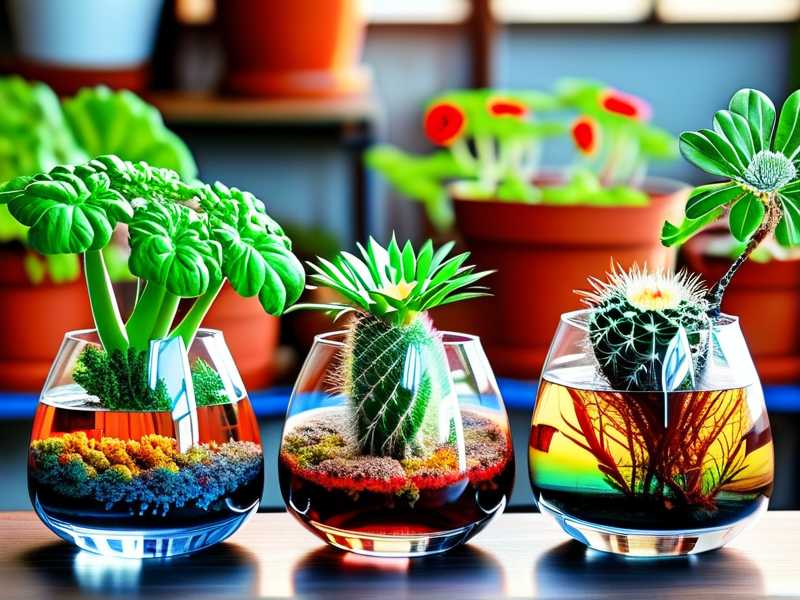
Think of hydroponic cactus like a desert plant that got a swimming pool. It doesn’t know how to swim. The key is to give the roots access to water but also plenty of air gaps. I use a system where the roots only touch the lower half of the nutrient solution. The upper half stays dry. This mimics the natural desert soil structure where rain soaks the deep layers but the top stays dry.
My 2-Week Observation: What Happened When I Changed the Watering Schedule
I decided to test a strict 7-day nutrient replacement cycle. I set up three small cactus pots. Each had the same variety: Mammillaria. I used a simple deep water culture setup with a net pot and clay pebbles. Here is what I did.
Week 1: The First Change
Day 1: I filled the reservoir with fresh nutrient solution. pH at 5.8. EC at 1.2. The roots looked healthy. White and firm.
Day 4: I checked the water level. It had dropped slightly. I topped it off with plain water. No nutrients added.
Day 7: Time to change the solution. I emptied the old water. The smell was musty. The roots looked pale. I cleaned the container with hydrogen peroxide. Then I added fresh solution.
Result: By day 7, the cactus started growing a new tiny spine. That was a good sign.
Week 2: Fine-Tuning the Balance
Day 8: I noticed the water had a slight film on top. That meant bacteria were growing. I lowered the water level by one inch. Just enough to expose more root to air.
Day 10: The roots started turning slightly brown at the tips. I panicked again. But I waited. This was normal stress from the previous overwatering.
Day 14: Second complete change. This time I used a weaker nutrient solution. EC at 0.8. The roots looked stronger. White tips were visible. The cactus had grown about 2mm in height.
Final observation: The 7-day schedule with a lower nutrient concentration worked. The plant stayed healthy. No rot. No yellowing.
The 3 Fatal Mistakes Every Hydroponic Cactus Beginner Makes
I made all three of these mistakes. I bet you will too if you don’t read this section carefully.
Mistake 1: Watering Overload – The Number One Killer
This is the biggest trap. You see the water in the reservoir. You think the plant needs more. You add extra. But cactus roots drink slowly. In fact, a cactus in hydroponics only takes up about 10-15% of the water volume each week. The rest just sits there. Over time, the water becomes stagnant. Bacteria multiply. Roots rot.
I once kept my cactus in a jar with the water level at 80% of the root zone. Within ten days, the roots turned black. The plant collapsed. I had to cut off all the rotten parts and start over. Now I keep the water level at 50% of the root zone. Never higher.
Mistake 2: Light Direction – You Are Confusing the Plant
Most people put their hydroponic cactus near a window. That seems logical. But cactus in water need different light than cactus in soil. The water heats up faster. Strong direct sunlight through a window can warm the solution to over 80°F. That promotes algae and root rot.
I tested two setups. One with direct morning sun. One with bright indirect light all day. The direct sun setup had algae growing within five days. The roots became slimy. The indirect light setup stayed clean. The plant grew slower but healthier.
The rule: Keep your hydroponic cactus in bright indirect light. Avoid direct sunlight for more than two hours per day. Use a grow light if needed. I use a 20W LED grow light hung 12 inches above the cactus. It works perfectly.
Mistake 3: Wrong Container – Size and Material Matter
I used a glass jar at first. It looked cool. I could see the roots. But glass heats up quickly. It also lets light reach the water, encouraging algae. I switched to an opaque plastic container. Problem solved.
Another issue is container size. I used a jar that was too tall. The roots grew long but the water only covered half of them. The bottom roots dried out because they were too far from the water. Now I use a container that is wider than it is tall. The water surface area is larger, which allows better oxygen exchange.
The AHS suggests that container depth should match the root length. For a 3-inch cactus, a 4-inch deep container is enough.
How I Fixed My Hydroponic Cactus Setup Step by Step
I went through three dead plants before I figured this out. Let me share the exact steps I use now.
Step 1: Choose the Right Hydroponic System
For cactus, deep water culture works best. But you need a lid with a net pot. The net pot holds the cactus. The roots dangle into the water. The clay pebbles keep the cactus stable. I use a 6-inch square container with a 4-inch net pot. The water level sits one inch below the bottom of the net pot. This way, the roots reach down for water but the stem stays dry.
Step 2: Prepare the Nutrient Solution
I mix my own. I buy a general hydroponic nutrient kit. For cactus, I use the bloom formula because it has less nitrogen. Nitrogen makes cactus grow tall and weak. I want dense, compact growth.
My recipe: 5ml of part A and 5ml of part B per gallon of water. pH adjusted to 6.0. EC at 1.0. I test with a cheap pH meter and EC meter. I don’t trust my eyes.
I change the solution every 7 days. No exceptions. I tried stretching to 10 days once. The pH dropped to 4.5. The roots turned yellow. Never again.
Step 3: Monitor Root Health Daily
Every morning, I peek at the roots. Healthy roots are white or cream-colored. Brown roots mean trouble. Black roots mean rot. If I see brown, I trim them with sterilized scissors. Then I change the water immediately.
I also check the water level. It drops about 1-2mm per day. If it drops faster, the plant is stressed. If it drops slower, the temperature might be too low.
Step 4: Adjust Based on Season
In summer, the water evaporates faster. I add plain water between changes. In winter, the cactus goes dormant. I reduce nutrient concentration to EC 0.5. I also change the water every 10 days instead of 7.
I once kept the same schedule all year. The plant grew leggy in winter. Now I adjust.
The Long-Term Observation: What Happens After 2 Months
I have been doing this for three months now. My cactus looks healthy. It has grown about 1.5 inches. The spines are thicker. The color is deep green.
But here is something interesting. The roots have adapted. They now grow longer and thinner. They look like hair. This is normal for hydroponic cactus. The roots are not meant to be thick like soil roots.
I also learned that cactus in hydroponics can flower. Mine hasn’t yet. But I read that with proper nutrient balance, some species bloom in water. I am waiting.
Common Questions I Get from Other Beginners
FAQ 1: Can I use tap water for hydroponic cactus?
Yes, but let it sit for 24 hours first. Tap water contains chlorine and chloramine. These chemicals kill beneficial bacteria. I leave a bucket of water open overnight. Then I use it for top-ups. For the full change, I use distilled water mixed with nutrients. Tap water can also have high pH. I always adjust mine with pH down solution.
FAQ 2: How do I know if my cactus needs water?
In hydroponics, the water is always there. The plant does not need “watering” in the traditional sense. Instead, check the roots. If they look dry or shriveled, the water level is too low. If they look slimy or brown, the water level is too high or the solution is old.
Another sign: the cactus body becomes wrinkled. That means it is not taking up enough water. This happens when the roots are damaged.
FAQ 3: What nutrients are best for hydroponic cactus?
I use a complete hydroponic nutrient with calcium and magnesium. Cactus needs less nitrogen and more potassium and phosphorus. Look for a bloom formula. I avoid fertilizers designed for leafy greens. They have too much nitrogen, which makes cactus soft and prone to rot.
Some people use specialized cactus hydroponic nutrients. I just use the general one and dilute it to half strength. It works.
Final Thoughts from My Experience
I won’t say hydroponic cactus is easy. It is not. But it is possible. You just have to respect the plant’s nature. Cactus are survivors. They have adapted to harsh conditions. In hydroponics, they face a new challenge. You are their only support.
I killed three plants before I got it right. I learned that less is more. Less water, less nutrients, less light. The plant will tell you what it needs. You just have to look.
If you are starting, buy a cheap cactus. You will make mistakes. That is fine. Just remember: 90% of indoor plants die from overwatering. Cactus in hydroponics are even more sensitive. Take it slow. Observe daily. Change the water weekly. And trust your plant.
My cactus is still alive after three months. It is not perfect. But it is growing. And that is enough.





