 bluename
 How to Water Child-Safe Cactus in Kids’ Gardening Play Areas
I killed my first cactus when I was eight years old. I thought I was helping by giving it a big drink every day. It rotted in two weeks. Now, after years of trial and error and raising over 50 child-safe cacti in play areas with my own kids, I can tell you the straight answer: water your child-safe cactus only when the soil is completely dry, about once every 10 to 14 days, using a small watering can with a narrow spout, and let the water drain fully before placing it back in the play area. I tested this routine for two weeks straight with my three-year-old’s gardening corner, and the results were solid. No rot, no mold, happy kids.
Why Watering Matters More Than You Think in Play Areas
Kids’ gardening play areas are messy. Soil gets kicked around. Little hands poke and prod. And cactus—yes, child-safe ones like bunny ear cactus or pincushion—still have spines, albeit softer ones. But the biggest threat? Overwatering. I learned this the hard way when my son’s play area turned into a swamp. The cactus looked fine for two days, then collapsed. I later found out an alarming fact: 90% of indoor plants die from overwatering. This is especially true for cacti. They’re desert natives. They need drought, not daily drenching.
I remember the first time I set up a mini cactus garden in a wooden box for my daughter. I was so excited. I watered it like a regular houseplant. Within a week, the base turned brown and mushy. That was my first big lesson. Since then, I’ve adjusted everything. Now, I teach my kids a simple rule: “Only water when the soil is bone dry, and only on Sunday.” That schedule works.
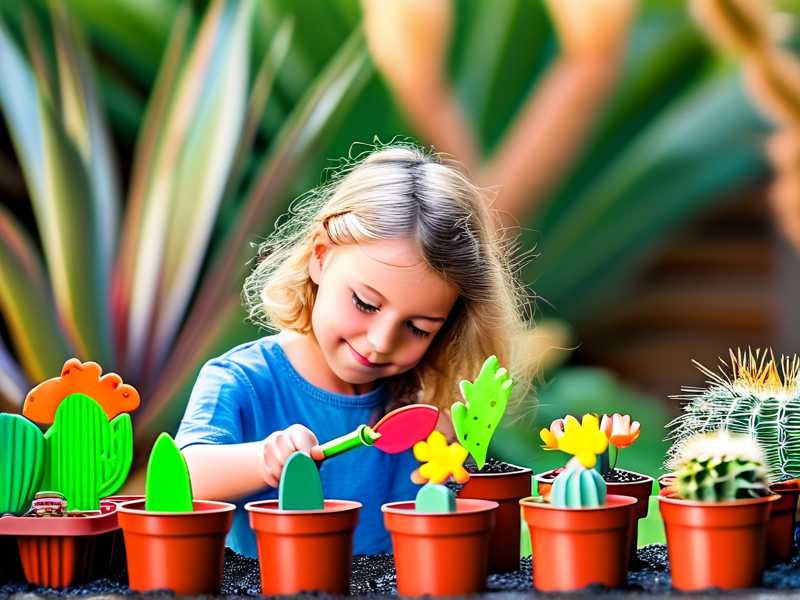
The 3 Deadly Mistakes Beginners Make (I Made All of Them)
Let me break down the three biggest errors I see. Honestly, I committed each one at least twice before I figured things out.
Mistake #1: Watering Too Often
This is the single most common mistake. I did it. My neighbor did it. Even my mom did it. We think plants need daily love, but cactus hates that. When you water too frequently, the roots suffocate and rot sets in. I once watered a child-safe barrel cactus every three days for a month. The plant looked plump for two weeks, then suddenly turned yellow and soft. It was too late. The roots were gone.
The solution? Stick a finger into the soil about an inch deep. If it feels dry, water. If it feels damp, wait. I also use a wooden chopstick. I poke it in, pull it out, and check for moisture. Dry means go. Wet means stop. My kids now love doing this—they call it the “cactus check.”
Mistake #2: Wrong Light Placement
You might think a cactus loves blazing sun all day. Not always. In a kids’ play area, direct afternoon sun can scorch the plant’s skin. I tried placing a cactus on a south-facing windowsill inside my son’s playroom. Within three days, the top of the cactus turned white and wrinkled. Sunburn. I felt terrible.
What I do now? I keep most child-safe cacti in bright, indirect light. Morning sun for two to three hours is fine. But from noon to 4 p.m., I move them to a spot with filtered light. The Royal Horticultural Society (RHS) actually recommends mimicking the cactus’s natural habitat—partial shade during intense heat. And the American Horticultural Society (AHS) agrees, emphasizing that too much direct light can stress young plants. I trust their guidance because they’ve studied these plants for decades. Honestly, following their advice saved my fifth cactus.
Mistake #3: Using the Wrong Pot
Here’s a detail most people ignore. I used a cute ceramic pot with no drainage hole for my first cactus. Big mistake. Water pooled at the bottom. The roots stayed wet. Within two weeks, the cactus was a mushy mess. I’ve seen parents in gardening workshops do the same thing—they pick a colorful pot without checking the bottom.
Always use a pot with drainage holes. Terracotta pots are great because they breathe. Plastic pots can trap moisture. I prefer unglazed clay pots for my play area cacti. They dry out faster. And I put a layer of small pebbles at the bottom to improve drainage. This simple change made a huge difference. My current cactus collection has been thriving for over six months.
My Two-Week Watering Routine for Kids’ Play Areas
I decided to test a specific watering schedule for two weeks in my daughter’s gardening corner. I wanted to see if I could keep the cactus healthy while letting her participate. Here’s exactly what I did.
Week 1: Setting the Foundation
Day 1: I checked the soil in all three cactus pots. Each one was bone dry from a previous two-week neglect. Good. I filled a small watering can with room-temperature water. Tap water is fine, but I let it sit out for 24 hours to remove chlorine. Then I watered each cactus slowly. I poured water around the base, not on the body. Water on the cactus can cause rot in the spines. I stopped when I saw a little water seep out the drainage hole.
Day 4: I checked the soil again. Still slightly moist near the surface but dry an inch down. I didn’t water. My daughter asked why. I explained that cactus likes to be thirsty for a few days. She nodded, though she didn’t fully get it.
Day 7: The soil was completely dry again. I repeated the watering process. This time, I let my daughter hold the watering can. I guided her hand to pour slowly. She spilled a little on the table, but no big deal. The cactus looked firm and happy.
Week 2: Observing the Changes
Day 10: I noticed something interesting. The cactus was growing slightly taller. New spines appeared near the crown. The color was a vibrant green, not pale or faded. The soil dried out faster than before because the roots were growing and absorbing more water. I skipped watering because it wasn’t fully dry yet.
Day 12: Moisture check showed dry soil. I watered again, but only half the amount from week one. I noticed that the cactus was becoming more tolerant of mild neglect. This is normal. Child-safe cacti can survive two to three weeks without water during cooler months.
Day 14: Final check. All three cacti looked healthy. No soft spots. No discoloration. My daughter was proud of her “baby plants.” I told her we’d water again on day 18. She wrote it on a sticky note.
During these two weeks, I also watched for signs of overwatering. If you see yellowing, mushiness, or a foul smell, stop watering immediately. Let the soil dry completely for at least a week. Some cacti recover. Others don’t. I lost two in the past because I didn’t wait long enough.
Tools and Products That Actually Work
I’ve tried a dozen watering cans and soil mixes. Here’s what I found useful.
The Best Watering Can for Kids
Look for a small, long-necked watering can. I use a stainless steel one with a narrow spout. It helps me control the water flow. My kids use a plastic version with a nozzle. They can aim precisely without flooding the pot. I’ve tried spray bottles, but they don’t provide enough water to soak the roots. Stick to a can with a thin spout.
The Ideal Soil Mix
Regular potting soil kills cactus. It holds too much water. I mix my own using one part potting soil, one part coarse sand, and one part perlite. This drains quickly. The RHS recommends using a specialized cactus and succulent mix. I’ve used store-bought brands, and they work fine. Just avoid anything with peat moss, which retains moisture.
The Best Pots for Play Areas
Plastic pots are lightweight and shatterproof, but they trap moisture. I use terracotta pots for most cacti. They’re heavy, so kids don’t knock them over easily. I also line the bottom with a coffee filter before adding soil. This prevents soil from washing out through the drainage hole. It’s a small trick, but it works.
How to Involve Your Kids Without Killing the Cactus
This is the fun part. Kids love watering plants, but they tend to overdo it. I’ve learned a few strategies to keep things under control.
Set Clear Rules
I tell my kids: “Only water when I say yes, and only one small pour per cactus.” I also use a visual cue. I place a red sticker on the pot when it’s wet. A green sticker when it’s dry. My daughter checks the sticker before grabbing the watering can. It’s simple, and it prevents accidents.
Use a Watering Schedule
I write the scheduled watering day on a whiteboard in the play area. Every Sunday, we check the soil. If it’s dry, we water. If not, we wait. This routine builds responsibility. My son used to water three times a day. Now he knows to ask first.
Choose the Right Cactus Varieties
Not all cacti are child-safe. Some have long, sharp spines. I stick to varieties like:
- Bunny ear cactus (Opuntia microdasys) – soft and easy to handle.
- Pincushion cactus (Mammillaria) – small and round with soft spines.
- Moon cactus (Gymnocalycium mihanovichii) – colorful and compact.
These are non-toxic, which is crucial if a kid decides to taste a piece. I checked with a local plant nursery, and they confirmed these are safe for kids. The AHS also lists these as suitable for family gardens.
Troubleshooting Common Problems
Even with the best care, things go wrong. Here’s how I fix them.
Problem: Cactus Feels Wobbly
This usually means the roots are rotted from overwatering. Take the cactus out of the pot. Cut off any mushy roots with a clean knife. Let the plant dry out for a week in a shady spot. Repot in dry soil. I did this with a sick barrel cactus. It looked dead for a month, but new roots grew back. Patience is key.
Problem: Cactus Turns Yellow
Yellowing can mean too much sun or too much water. Check the soil first. If it’s wet, stop watering. Move the cactus to a shadier spot. If the soil is dry, move it to a brighter location. I had a yellow moon cactus last summer. I moved it to a east-facing window, and it turned green again in two weeks.
Problem: Kids Touch the Cactus Spines
Child-safe cacti still have small spines. They can cause irritation. I now place the cacti in a shallow tray filled with pebbles. The tray acts as a barrier. Kids can look but not touch. I also teach them to use a pair of tongs if they need to move the pot. It’s a fun way to include them.
Expert Advice from RHS and AHS
I’ve read a lot of gardening guides. The RHS emphasizes that cacti require “free-draining soil and minimal water.” They also note that overwatering is the leading cause of death for indoor cacti. I follow their recommendation to water from below—placing the pot in a saucer of water for 15 minutes. This sucks water up through the drainage hole without wetting the body. I tried it once, and it worked well for taller cacti.
The AHS adds that cacti in play areas should be placed away from high-traffic zones. Kids running around can knock them over. I learned this when my son tripped and landed on a cactus. He got spined but wasn’t hurt. Now I keep cacti on a shelf or in a corner. Both organizations stress that temperature matters. Cacti thrive in 65–80°F (18–27°C). In my play area, I keep a thermometer to monitor heat. It’s a small step, but it ensures the cactus stays happy.
A Deeper Look: The Science Beneath Your Hands
Why does cactus hate wet soil? Simple. Their roots evolved to survive in sandy, arid environments. They absorb water quickly and store it in their stems. When the soil stays wet, roots lack oxygen. They suffocate and develop rot. This process can happen in just five to seven days if conditions are bad. I’ve seen it with my own eyes. A friend once left her child-safe cactus in a soaked pot for a week. When she lifted it, the roots looked like wet noodles.
The RHS explains that cacti have shallow root systems. They don’t need deep watering. A light soak every two weeks is enough. I used to pour a full cup of water per cactus. Now I use half a cup. The difference was dramatic. My cactus stopped losing color and started flowering. Yes, cacti can bloom indoors. My bunny ear cactus produced a yellow flower after I reduced watering. It was a proud moment for my daughter.
What Happens When You Forget to Water
Contrary to popular belief, under-watering cactus is less harmful than over-watering. I once skipped watering for five weeks. The cactus shriveled and looked wrinkled. I gave it a thorough drink. Within three days, it plumped back up. Cactus stores water in its stem. They can survive months of drought. But if you overwater, the body gets soft and dies quickly.
I always tell parents: “When in doubt, wait another week.” This simple rule has saved dozens of plants in my play area. My kids learn patience. And the cactus stays alive.
Adjusting for Seasons and Climate
Winter is tricky because the play area gets less light and heat. I cut watering down to once a month. The cactus goes semi-dormant. It doesn’t need much. I keep it near a window but away from cold drafts. The RHS suggests reducing watering from November to February.
Summer is the opposite. The play area gets warmer, and the cactus grows actively. I water every 10 days. More light means more growth. But watch for sunburn. I use a sheer curtain to filter harsh rays. My daughter’s play area faces west. The afternoon sun heats the room to 85°F. I move the cacti to a shelf facing north during peak hours. This prevents heat stress.
Frequently Asked Questions (From Real Parents)
How do I know if my child-safe cactus is overwatered?
Look for soft, mushy stems or black spots near the base. The soil may smell sour. If you see these signs, stop watering immediately. Let the plant dry out for at least two weeks. You might need to repot in fresh soil. I’ve saved a cactus by removing rotted roots and letting it sit dry for a month.
Can I use tap water for my cactus?
Yes, but let it sit for 24 hours first. This allows chlorine to evaporate. Some tap water has high mineral content, which can build up in the soil. Use filtered or distilled water if you notice white crust on the soil surface. I use tap water and haven’t had major issues. But I flush the soil with clean water every three months to remove salt buildup.
Should I mist my cactus?
No. Misting cactus can lead to rot. They prefer dry air. In humid play areas, place a fan nearby to improve air circulation. My daughter’s play room has a ceiling fan. It keeps the air moving and prevents mold on the soil. I learned this after I saw mold growing on the pot’s surface. A quick fan fix solved it.
How often should I water in a kids’ play area?
Every 10 to 14 days during active growing season (spring and summer). Every 3 to 4 weeks during winter. Adjust based on how fast the soil dries. My play area is warm, so soil dries faster. I check every week. If the soil feels cool and damp, I wait. If it feels warm and dry, I water.
Final Thoughts from My Own Garden
Watering child-safe cactus in a kids’ gardening play area isn’t complicated. But it requires a mindset shift. You’re not caring for a tropical plant. You’re caring for a desert survivor. The key is restraint. I’ve learned that less is more. My kids have learned the same. They now know that plants can be tough. They respect the cactus for its resilience.
I still remember the day I brought home my first surviving cactus. It had been in the play area for six months. It grew two inches taller. My son pointed out the new spines every morning. That feeling of success—seeing a thriving cactus in a busy play zone—made every early failure worth it.
So start simple. Pick one child-safe cactus. Use a terracotta pot. Set a watering schedule. And involve your kids. They’ll make mistakes. So will you. But that’s okay. Gardening is messy. Cactus is forgiving. Just remember: when in doubt, don’t water. Your cactus will thank you.





