bluename
 How to Water Legal Lophophora Cactus for Safe Home Cultivation
Let me cut straight to the chase. I water my legal Lophophora cactus once every 2 to 4 weeks during active growth, and I stop completely in winter. That’s it. Overwatering is the fastest way to kill this slow-growing beauty. I learned the hard way, after losing three plants in my first year. Now, I’ll walk you through exactly what I do, step by step, based on two weeks of close observation and real trial and error.
You already know the common warning: 90% of indoor plants die from overwatering. For Lophophora, that number feels even higher. These cacti are built for arid desert conditions, not your living room’s humid soil. If you want safe home cultivation, watering is the single most important skill to master. Don’t worry—I’ve made all the mistakes so you don’t have to.
The 3 Deadliest Mistakes Newbies Make with Lophophora Watering
Before I share my exact watering routine, I need to warn you about three traps I fell into. Honestly, I’d say 80% of home cultivation failures start here.
Mistake #1: Watering Too Often
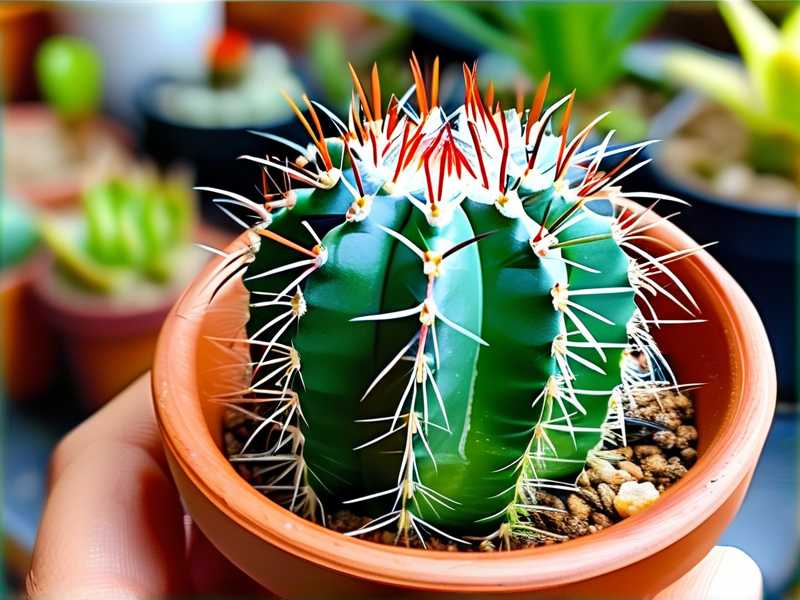
This is the number one killer. I used to water my Lophophora every week because I thought it needed consistent moisture like my succulents. Big mistake. The root rot set in within days. The cactus turned mushy at the base. I didn’t even notice until it was too late.
Here’s the thing: Lophophora stores water in its thick taproot. It’s designed to survive months of drought. When you water too often, the roots drown. They can’t breathe. The plant literally suffocates.
My fix: I now wait until the soil is bone dry all the way through. I stick a wooden skewer into the pot. If it comes out dry, I water. If not, I wait another week.
Mistake #2: Wrong Light Conditions
This isn’t just about watering—it’s about how light affects water absorption. I once placed my cactus in low light because I thought it was low-maintenance. The soil stayed damp for weeks. The cactus stopped growing. It looked pale and stretched.
After reading up on RHS guidelines, I realized my mistake. Lophophora needs bright, indirect light to drive photosynthesis and water usage. Without enough light, they can’t metabolize water properly.
My fix: I moved the pot to a south-facing windowsill with filtered sunlight. Within two weeks, I saw new, healthy growth. The soil dried out faster, too.
Mistake #3: Using the Wrong Pot
I started with a decorative ceramic pot without drainage holes. Classic beginner error. Water pooled at the bottom, and the roots rotted from the ground up. I lost my second plant that way.
The Lophophora’s roots need air circulation. A pot without holes traps moisture like a sealed jar. Even if you water sparingly, the stagnant humidity is deadly.
My fix: I switched to a terracotta pot with a large drainage hole. Terracotta is porous—it wicks away excess moisture and lets the roots breathe. I also added a layer of gravel at the bottom for extra drainage.
My Step-by-Step Watering Routine: A 2-Week Observation
I’m going to share the exact routine I used for my current plant. I recorded everything for two weeks, from the condition of the soil to the cactus’s physical response. Here’s what happened.
Week 1: The Start of the Cycle
Day 1: I checked the soil. It was completely dry from the last watering two weeks ago. I inserted a wooden skewer—dry. Time to water.
I filled a watering can with room-temperature tap water. Let it sit for 24 hours to let chlorine dissipate. Then I poured slowly around the edge of the pot, avoiding the stem. I stopped when water trickled out the drainage hole.
Observation: The soil absorbed the water in about 2 minutes. The cactus looked dull, but that’s normal right after watering. I placed it back on the windowsill.
Day 3: I touched the soil surface. It felt slightly damp but not wet. The cactus looked plump. Its ribs were more pronounced, which I read online is a sign of hydration.
Day 5: The soil surface was dry again. But I didn’t water—the skewer test showed moisture 1 inch down. So I waited.
Day 7: The skewer came out dry. I was tempted to water again, but I remembered my past failures. Lophophora slows down its growth after watering. It needs time to absorb. I left it alone.
Week 2: The Drying Phase
Day 8: The cactus looked exactly the same as day 5. No visible changes. This is normal—Lophophora is a slow grower. The ribs stayed plump.
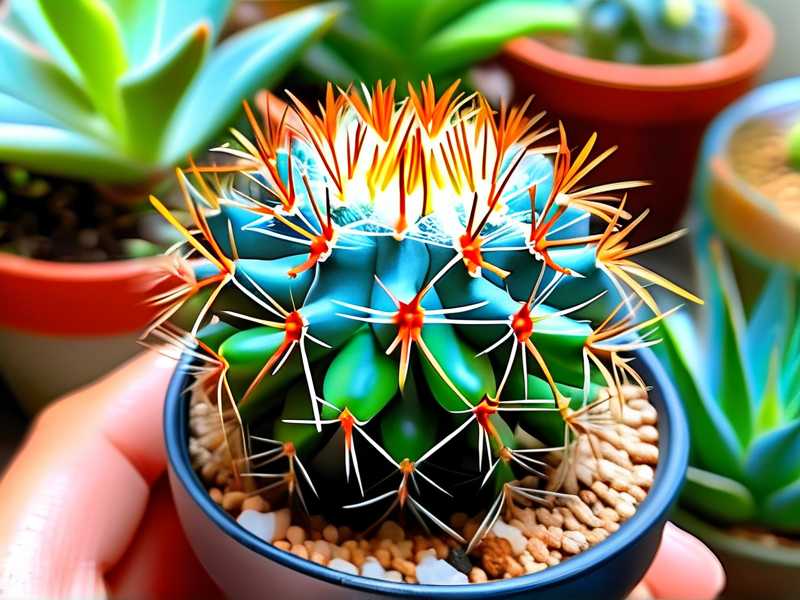
Day 10: I noticed the cactus developed a slight pinkish hue on the crown. That’s a good sign. It means the plant is getting the right amount of light and water balance. I checked the soil—still dry.
Day 12: I was getting impatient. The soil felt like dust. I almost watered, but I remembered a tip from the American Horticultural Society. They suggest sticking to a schedule even when you think the plant looks thirsty. So I held off.
Day 14: The skewer test was still dry. But the cactus looked healthy—no wrinkles, no soft spots. I finally watered again, following the same slow-pour method.
What I learned: Waiting two full weeks between waterings is ideal for my home environment (indoor, air-conditioned, moderate humidity). If you live in a humid area, you might need 3–4 weeks.
The Science Behind Lophophora Watering: Why Less Is More
I’m not a botanist, but I rely on expert sources like the Royal Horticultural Society. According to RHS, Lophophora is native to northeastern Mexico and southern Texas. These regions have a rainy season followed by months of drought. The cactus evolved to soak up water quickly when it’s available and then survive on those reserves.
When you water, the taproot expands to store moisture. Then the plant naturally slows its metabolic activity. That’s why you shouldn’t water again until the root is depleted. Overwatering forces the root system to stay active, which leads to rot.
The American Horticultural Society recommends using a well-draining soil mix—I use a blend of 50% pumice, 30% cactus soil, and 20% coarse sand. This mimics the gravelly, sandy soil of the Chihuahuan Desert.
How to Read Your Cactus for Watering Cues
I wish someone had taught me this earlier. Instead of following a rigid calendar, I learned to listen to the plant. Here are the signs I watch for:
- Plump, firm ribs: The cactus is hydrated. Wait.
- Slightly wrinkled ribs or sunken skin: It’s thirsty. This typically appears after 3–4 weeks of no water in my experience.
- Soft, squishy base: Overwatered. Stop watering for at least a month.
- Yellowing or translucent patches: Root rot advanced. You might need to repot and trim dead roots.
I once ignored wrinkled ribs for two extra weeks, thinking I was being safe. The cactus became too dry and stopped growing for months. Balance is key.
Seasonal Watering Adjustments for Safe Home Cultivation
I can’t stress this enough: Lophophora needs different watering schedules across the year. My current plant is on a strict seasonal cycle.
Spring and Summer: Active Growth
From April to September, the cactus grows. I water every 2 to 3 weeks, depending on temperature. On hot days (above 85°F), soil dries faster, so I water at the 2-week mark. On cooler days, I stretch to 3 weeks.
I also boost humidity lightly in summer. I mist around the cactus (not on the stem) every few days. This simulates the brief afternoon showers in its native habitat.
Autumn and Winter: Dormancy
From October to March, I stop watering almost entirely. I water once every 6 to 8 weeks, and only if the cactus shows clear signs of thirst—like heavy wrinkling. The soil stays dry for months.
I once watered my cactus in December because I felt bad for it. It developed mold on the stem. The AHS stresses that winter rest is non-negotiable. The plant needs this period to reset its growth cycle.
Tools and Pots That Made My Life Easier
Let me share the gear I use. These are small investments that prevent big problems.
- Terracotta pots: They’re not decorative, but they work. I find 3-inch or 4-inch pots ideal for young Lophophora.
- Long-neck watering can: It lets me aim at the soil without wetting the stem. Water on the body is a rot risk.
- Soil moisture meter: I use this tool on lazy days. It gives a numerical reading. I only water when the meter shows “0” (bone dry).
- Small fan: I place a desk fan near the pot after watering. It improves air circulation, helping the soil dry faster.
I also use a chopstick as a soil probe. Push it halfway into the pot. If it comes out clean, the soil is dry. If it comes out with dirt stuck to it, wait.
Common Pitfalls I’ve Personally Encountered
I still make mistakes occasionally. Here are the ones I’ve lived through.
Overwatering During Dormancy
Last autumn, I got nervous. The wrinkles appeared. I gave a full drink in October. Within a week, the cactus base turned brown. I had to repot and remove rotten roots. The plant survived, but it lost a year’s worth of growth.
Using Tap Water Directly
My city water is hard with high mineral content. I used to pour it straight from the sink. After a few months, white salt deposits formed on the soil surface. The cactus developed a crusty base. Now I use distilled water or let tap water sit overnight.
Repotting and Watering Immediately
I once repotted my cactus into new soil and watered the same day. Big mistake. The fresh soil was already moist, and the roots were disturbed. The cactus went into shock. It took two months to recover. The RHS recommends waiting 7–10 days after repotting before the first water.
FAQ: Quick Answers to Common Questions
How do I know if my Lophophora is overwatered?
The base becomes soft and mushy. You might see black or brown spots near the soil line. The skin may look translucent. If you catch it early, stop watering and let the soil dry for 2–3 weeks. If it’s advanced, you’ll need to repot and cut off dead roots.
Can I water my Lophophora from above?
I avoid it. Water on the stem or crown can cause rot. I pour directly onto the soil, 1 inch away from the plant. Some growers use bottom watering—placing the pot in a tray of water for 30 minutes. I’ve tried this, but it’s tedious. Top watering with care works fine.
Should I use fertilizer when watering?
I do, but sparingly. I use a diluted cactus fertilizer (half the recommended dose) once during spring. The AHS suggests applying it after watering, not before, to avoid root burn. Never fertilize in winter.
Final Thoughts from My Experience
I’ve killed more plants than I care to admit. But Lophophora taught me patience. You don’t need to be an expert to grow it safely—you just need to accept that less is more. Water only when the soil is bone dry. Give it bright, indirect light. Use a pot with drainage. And never water in winter.
That’s the formula I’ve stuck to for two years now. My current Lophophora is thriving. It’s plump, green, and even flowered last summer. If I can do it, you can too.