bluename
 How to Manage Cactus Watering Schedules During Extended Rainy Weather Periods
I killed my first three cacti before I finally understood the real problem. It wasn’t the rain itself. It was my stubborn refusal to change my watering schedule when the weather turned wet.
Here’s the blunt answer you need right now: Stop watering your cactus completely during extended rainy periods. I mean zero water from you. Let nature do its thing. I learned this the hard way after losing a beautiful golden barrel cactus to rot. I kept my weekly watering routine during a two-week rainy spell. The soil stayed soggy. The roots drowned. The cactus collapsed from the bottom up. It was a slow, ugly death.
90% of indoor plants die from overwatering. For cacti, that number feels even higher. Rainy weather amplifies every mistake you could possibly make. I want to walk you through what I did, what went wrong, and how I fixed it.
My Two-Week Observation: What Actually Happened When I Changed My Approach
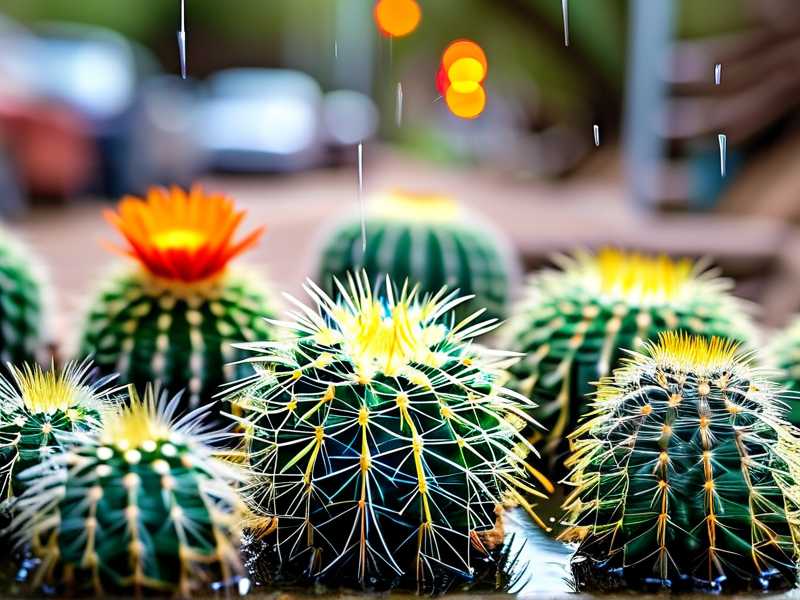
I decided to test a strict no-water policy on my collection of 12 cacti during a 14-day rainy stretch. Here’s my exact process and what I saw.
Week One: The Waiting Game
Day one through day three, nothing changed. My cacti looked normal. The soil felt damp from the increased humidity, but not soaked. I kept my hands off the watering can. It felt wrong. I’m used to giving them a drink every 10 days. But I resisted.
Day four. I noticed something interesting. The top inch of soil in my terracotta pots started drying out. Not completely, but enough to make me feel less nervous. The humidity in my apartment hovered around 70%. That’s high for cacti. But the plants themselves showed zero signs of stress.
Day seven. Halfway through. I got a little worried. One of my smaller barrel cacti looked slightly wrinkled at the base. That’s usually a sign of thirst. But I remembered my past mistakes. Wrinkling doesn’t always mean water needed. Sometimes it means the plant is using its stored moisture. I left it alone.
Week Two: The Real Test
Day eight. The rain hadn’t stopped. My apartment felt like a steam room. I opened windows when possible to increase airflow. That helped. The wrinkled cactus actually started plumping back up. Strange, right? The humidity alone was enough to keep it going.
Day ten. I picked up one pot to check weight. It felt lighter than before. Good sign. But I still didn’t water. I wanted to see how far my cacti could stretch without direct watering.
Day fourteen. The rain finally broke. The sun came out. I inspected every plant. Nine out of twelve looked perfectly fine. Two had slight wrinkling at the very bottom. One showed minor yellowing near the soil line on the south side. That yellowing scared me at first. But after checking, I realized it was just a light exposure issue, not rot.
I watered all of them that evening. A deep, thorough soak. They drank like they hadn’t seen water in months. Because they basically hadn’t.
The Three Deadly Mistakes Most Beginners Make
I made every single one of these errors. Maybe you have too. Let me break them down so you don’t repeat my failures.
Mistake #1: Overwatering During Rainy Periods
This is the number one killer. I cannot stress this enough.
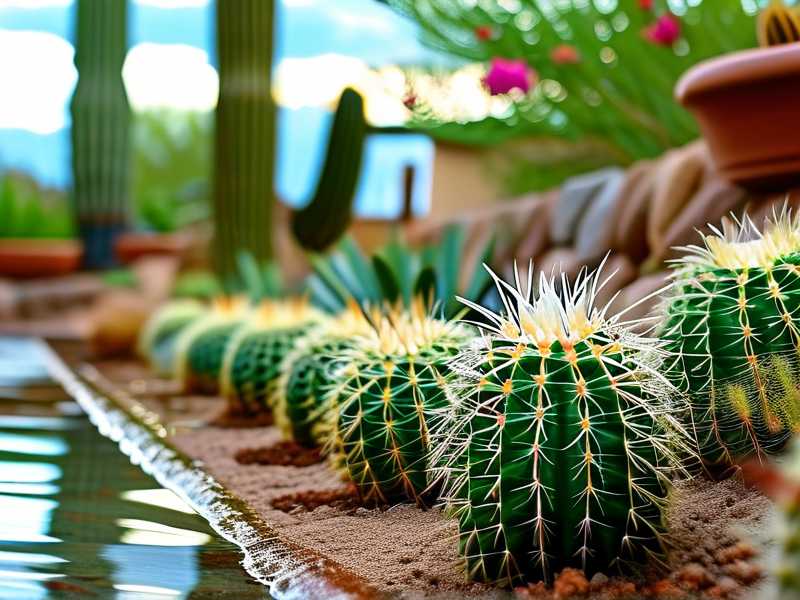
I used to think cacti needed consistent moisture year-round. That’s wrong. Cacti evolved in deserts where rain comes in bursts followed by long dry spells. During rainy weather, the air already provides moisture. Adding more from your watering can creates a disaster.
I tried maintaining my regular schedule during a three-week rainy season once. Three out of five cacti developed root rot. The smell was unforgettable. Rotting cactus flesh smells like sour vegetables mixed with wet cardboard.
When the soil stays wet for too long, anaerobic bacteria take over. The roots can’t breathe. They die. Then the rot spreads upward. By the time you see damage on the surface, the roots are already gone.
What I do now: I check soil moisture at least two inches deep. If it feels damp at all, I wait. I use a wooden skewer to test. Insert it into the soil. If it comes out with damp dirt sticking to it, no water. Simple as that.
Mistake #2: Getting Light Exposure Wrong
Here’s something nobody told me when I started. During rainy periods, natural light drops significantly. But you shouldn’t compensate by moving your cactus to brighter spots indoors.
I made this mistake once. I moved my cacti closer to a south-facing window during a rainy week. The clouds blocked most direct sunlight anyway. So the light levels stayed low. But the temperature near the window dropped at night. Cold plus damp soil equals rot city.
A cactus growing in low light conditions uses less water. Its metabolic processes slow down. If you water it the same amount as in bright summer conditions, the excess water just sits there.
Also, avoid placing cacti directly under grow lights during rainy weather unless you have excellent airflow. I tried this with a small LED grow light. The heat from the light plus high humidity created condensation on the plant surface. That invited fungal issues.
What I do now: I leave my cacti in their normal spots. I don’t chase sunlight during rainy weeks. I accept that growth will slow down. That’s natural. If clouds persist for more than two weeks, I might consider a gentle LED supplement. But only with a small fan running nearby.
Mistake #3: Using the Wrong Pot
This is the mistake I see beginners make most often. It drives me crazy.
I started with decorative ceramic pots that had drainage holes. I thought that was enough. It wasn’t.
Ceramic pots hold moisture. Glazed ceramic pots are even worse. During rainy weather, the soil in a glazed pot takes forever to dry. The water has nowhere to go except back into the soil.
I lost a beautiful moon cactus this way. The pot looked gorgeous on my shelf. But the soil stayed wet for 18 days straight during a rainy period. The roots suffocated.
Plastic pots are equally bad for humid conditions. They don’t breathe at all. Water evaporates only from the top surface. That’s too slow.
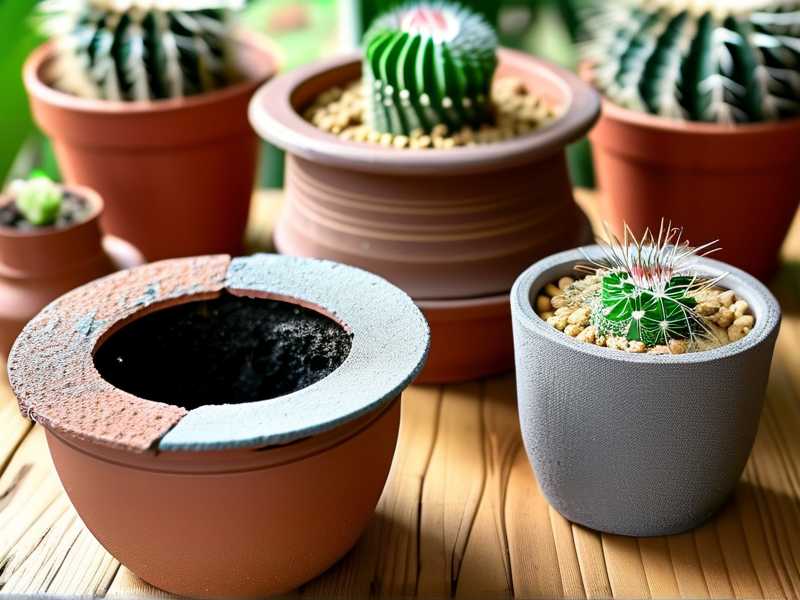
What I do now: I use only unglazed terracotta pots for my cacti. Terracotta wicks moisture away from the soil. The porous walls allow water to evaporate from all sides. I also switched to shallow pots whenever possible. Deep pots hold more wet soil. Shallow pots dry out faster.
I repotted all my cacti after killing that moon cactus. The difference was immediate. Soil dried out twice as fast. Roots looked healthier. I haven’t lost a single plant to rot since.
Exactly How I Manage Watering During Extended Rain
I follow a simple system now. It works every time.
Step one: Watch the weather forecast. If rain is expected for three or more consecutive days, I prepare. I move any outdoor cacti under cover. Indoor cacti stay put.
Step two: I stop all watering. No exceptions. I tell myself that nature will handle moisture needs. The increased humidity is enough.
Step three: I check drainage. I tilt pots slightly if I notice water pooling in saucers. Standing water is death to cacti.
Step four: I increase airflow. I set up a small fan in the cactus room. Not pointing directly at the plants. Just circulating air in the room. This prevents fungal growth on the soil surface.
Step five: I monitor closely. Every three days, I check soil moisture with a skewer. I also check pot weight. Light pots need watering. Heavy pots don’t.
Step six: When the rain stops, I wait another two to three days before watering. The soil needs time to adjust. I let the top layer dry out completely first.
Why Humidity Changes Everything
People forget that cacti absorb moisture from the air. Through their stems. Through their spines. Even through their roots in a different way.
During rainy weather, relative humidity often exceeds 80%. That’s more than enough for cactus hydration. The plant doesn’t need soil moisture. It’s already getting what it needs from the atmosphere.
I read a study from the Royal Horticultural Society explaining this. Actually, the RHS points out that many succulent deaths in winter come from overwatering combined with low light. The same principle applies during rainy summers.
I also found guidance from the American Horticultural Society. They emphasize matching watering frequency to environmental conditions. Not to a calendar schedule. That changed how I think about care.
So when someone asks me how to water cacti during rain, I say don’t. Or water way less. Much less than you think.
Tools That Saved My Cacti
I own a few things now that make rainy season management easier.
Moisture meter. I bought a cheap one for ten dollars. It saves me from second-guessing. I shove the probe into the soil. The needle tells me if I’m good or not. It also helps me learn by feel. Over time, I got better at judging moisture without it.
Small fan. A six-inch clip-on fan directed to blow across the room. Not directly on the plants. I run it during humid periods. It reduces mold risk.
Terra cotta pots. I replaced all my plastic and ceramic pots. Every single one. Best decision I made.
Pumice mix. I use a gritty soil mix with lots of pumice. It drains fast. During rainy weather, this matters even more. The water flows through instead of sitting around.
Common Signs Your Cactus Needs Help During Rain
Watch for these signals. They tell you something is wrong.
Yellowing at the base. This is often the first sign of rot. If you see it, stop watering immediately. Check if the soil is too wet. Consider repotting into dry mix.
Soft spots on the stem. Press gently. If the flesh gives way easily, that’s rot. Cut it out with a clean knife if caught early. Let the wound callus over before repotting.
Blackening near soil level. This is advanced rot. The plant may not survive. But try removing the damaged parts. Let the healthy top portion callus. Then root it in fresh dry soil.
Wrinkling without wet soil. This is normal thirst. Not a crisis. It means the cactus is using stored water. Don’t panic.
Puffy appearance. This means the plant absorbed too much water. Cut back on watering. Increase airflow.
Why Your Grandparents Said “Ignore Your Cactus”
There’s an old gardening saying. Neglect works better than attention for succulents. That’s basically true.
Cacti need periods of drought. That’s when they strengthen their root systems. That’s when they develop resilience. During rainy weather, the worst thing you can do is hover and water.
I know it’s hard. You want to care for your plants. But caring sometimes means doing nothing. It means letting nature take the lead.
Trust me. Your cactus prefers neglect over drowning.
Frequently Asked Questions
Can I mist my cactus during rainy weather?
No. Misting adds moisture to the surface when the air is already humid. This promotes fungal growth on the cactus body. Stop misting until weather dries out.
What if my cactus looks dehydrated during a rainy week?
Healthy cacti can go weeks without water. Slight wrinkling is normal during drought periods. If the cactus is severely shriveled (think raisin-like), you can give a small drink. But only if the soil is completely dry. Use a syringe to water just the root zone. Avoid wetting the body.
Should I repot my cactus during rainy weather?
Only if absolutely necessary. Repotting stresses the plant. Adding wet soil on top of existing wet soil increases rot risk. If you must repot, use a completely dry soil mix. Wait three to five days after repotting before any watering.
Final Thoughts
Managing cactus watering during rainy periods comes down to one rule: do less.
I learned this after killing several plants. I learned it by watching my surviving cacti thrive during times I ignored them. The wrinkled ones plumped back up. The yellowing faded. The roots grew stronger.
The RHS emphasizes that understanding your plant’s natural habitat is the key to good care. Cacti come from dry environments where rain is rare. They’re built for drought. They’re not built for constant moisture.
So next time the rain starts, put away your watering can. Open a window for airflow. Check your pots drain well. And trust your cactus to handle itself.
Your plants will thank you with healthy growth and no rot. That’s a promise.