bluename
 How to Adjust Cactus Care Routines as Seasonal Daylight Length Shifts Each Year
If you want to keep your cactus alive through the changing seasons, the answer is simple: cut water by half as days get shorter, and move it closer to a south window. Many people think cacti are set-and-forget plants. They are not. I have killed more than a few before I learned this truth. The biggest problem is that we treat them the same in December as we do in July. That is a recipe for rot.
I started my cactus collection three years ago. I thought I had a green thumb. Then winter hit. My prized barrel cactus turned mushy at the base. I had no idea why. After two weeks of frantic research and checking the roots, I found the culprit: I had watered it the same amount as in summer. The reduced daylight had sent it into dormancy. It was sleeping, not thirsty.
Let me walk you through the real process. This is not theory. This is what I have done, what I have observed, and what actually works.
The 3 Deadly Mistakes Every Beginner Makes
I see the same errors over and over in online forums. Honestly, I made all of them. Here they are, plain and simple.
Mistake 1: Overwatering
This is the number one killer. 90% of indoor plants die from overwatering. Cacti are even more sensitive. When daylight shrinks, the plant stops growing. It cannot use the water you give it. The roots sit in moisture and rot. I used to water my cactus every Saturday without thinking. That killed my first three plants. I only realized my mistake when I dug them out and saw black, slimy roots. Now I check the soil moisture with a chopstick. If it comes out damp, I wait. Simple.
Mistake 2: Wrong Light Exposure
People assume cacti want sun every minute of the day. That is true in summer, but not in autumn and winter. I once placed my cactus on a north-facing windowsill in November. It got no direct sun for weeks. It stretched out thin and pale, looking like a sad green bean. I later learned that as daylight drops, cacti need the brightest spot you can offer. A south window is best. If you cannot provide that, consider a grow light. But do not move them suddenly. I tried that too. The plant got sunburned because I went from dim to bright in one day. You need to transition gradually over a week.
Mistake 3: Using the Wrong Pot
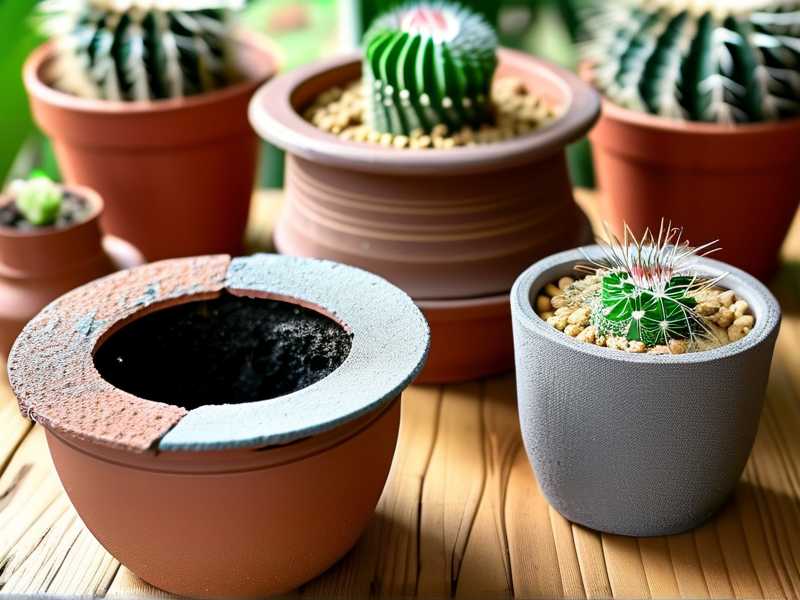
This one is sneaky. I bought a beautiful glazed ceramic pot for my cactus. It looked stunning on my shelf. It also held moisture for days. The plant rotted within a month. Cacti need pots that breathe. Terracotta is my go-to now. It wicks away extra moisture. Also, drainage holes are non-negotiable. I learned this after my fourth plant died. The pot had a decorative pebble layer at the bottom. That actually raised the water table, not improved drainage. I now only use pots with a single large hole at the bottom.
My Step-by-Step Routine for Adjusting Care Throughout the Year
I follow the sun. I track daylight hours roughly, but I do not obsess. I just pay attention to the season. Here is my exact process, which I have refined over two years of trial and error.
Spring: Wake Up Time
Around March, the days start getting longer. I notice my cacti change. They look slightly greener. They feel firmer. That is my cue to increase watering. I start with one good drink every two weeks. I wait two weeks and check the soil. If it dries out completely in that time, I bump it to every ten days. I also move them back to their brightest spot if I shifted them in winter. I do this slowly. I put them in the bright spot for a few hours each day for the first week. Then I leave them there full time.
Observation after two weeks: My Easter cactus started showing tiny buds. The soil dried out faster. The plant looked perky, not limp. I knew I was on the right track.
Summer: Peak Performance
This is the easiest season. Daylight is long. The sun is strong. I water my cacti once a week. Sometimes more if the heat is extreme. I also check them for pests. I once missed a mealybug infestation because I was lazy. It spread to three pots before I caught it. Now I inspect each plant every time I water. I look for white fuzz or sticky spots. If I see any, I dab them with rubbing alcohol on a cotton swab. It works every time.
I also fertilize during summer. I use a low-nitrogen cactus fertilizer. I dilute it to half strength. I do this once a month from June to August. I stopped fertilizing my barrel cactus after August one year. That worked well. It did not grow leggy.
Autumn: Start Slowing Down
As September comes, I pay close attention. The daylight starts to diminish. I cut watering in half. Instead of once a week, I go to once every two weeks. I also stop fertilizing completely. The plant needs to rest. I have made the mistake of giving one last fertilizer dose in October. The cactus pushed out weak, pale growth that did not survive winter. I lost that one.
Observation after two weeks: I noticed the soil stayed damp longer. Instead of drying in four days, it took over a week. I knew I was watering too much. I cut back further. I now water only when the soil is bone dry, which may be every three weeks in late autumn.
Winter: Dormancy Mode
This is the critical phase. From November to February, I water my cacti maybe once a month. Honestly, sometimes I forget and they are fine. I keep them in the brightest spot I have. For me, that is a south-facing window sill. I also make sure they are away from drafty windows. Cold drafts can shock them. I once had a cactus near a leaky window frame. The temperature dropped below 50°F at night. The plant developed brown patches. It never fully recovered.
I also dust the plants with a soft brush. Dust blocks light. In winter, every bit of light matters. I do this every two weeks.
A Real Fail Story: How I Almost Killed My Saguaro
I bought a small saguaro cactus two years ago. I was excited. It looked perfect. In November, I kept watering it every two weeks. I thought it needed consistent moisture. By January, its base was shrinking and turning yellow. I panicked. I dug it out. The roots were mostly fine, but the stem was dehydrated. The problem was not too little water. It was too much water at the wrong time. The roots were damaged from being wet while dormant. They could not absorb moisture anymore. I had to remove the affected roots, let it dry for a week, repot it in dry soil, and wait until spring to water it again. It survived, but it took a full year to look healthy again.
That taught me a hard lesson. I now follow the principle of "less is more" from November to February.
What the Experts Say
The Royal Horticultural Society (RHS) strongly advises adjusting watering frequency based on light levels. They state that most cacti need a distinct winter rest period. You can read more about their guidelines here: RHS. The American Horticultural Society (AHS) also emphasizes that dormancy is triggered by both light and temperature. They recommend reducing water to match the plant's reduced metabolic activity. Check their detailed advice here: AHS. These are not just opinions. They are backed by decades of research.
My Key Takeaways for You
You do not need to be a botanist to get this right. Pay attention to the sun. That is your best guide. When the days are long, water and feed. When they are short, stop. That is the whole secret.
I keep a simple calendar on my phone. I set reminders to check each cactus once a month. That is all it takes. I also take photos of each plant at the start of every season. It helps me see changes I might miss.
Common Questions I Get From Beginners
Q: What if I forget and water my cactus in winter? It happens. Do not panic. One extra watering will not kill it unless the soil stays wet. If you watered by mistake, place the pot in a warm, bright spot to help the soil dry faster. Remove any saucer underneath to improve airflow.
Q: Can I use a grow light to prevent dormancy? You can, but I do not recommend it for most people. Cacti need a rest period to bloom the next year. If you disrupt dormancy, they may grow but never flower. I tried this with my Christmas cactus. It grew faster but did not bloom for two years. I went back to natural light cycles, and it flowered again.
Q: My cactus looks wrinkled in winter. Should I water it? Wrinkling can be normal. It is the plant using stored water. Stick your finger in the soil. If it is completely dry and the plant feels very soft, give it a light watering. But only if it has been more than a month since the last drink. I have a small pincushion cactus that wrinkles every winter. I leave it alone. It plumps back up in spring.
Final thoughts on this
Adjusting cactus care routines as seasonal daylight length shifts each year is not complicated. It just requires you to pay attention. I have learned through my own failures. I hope you can skip those. Start by cutting water in autumn. Move your plant to the brightest window. Use a terracotta pot. Check the soil before you pour. That is it. Your cactus will reward you with healthy growth and maybe even a surprise flower.