bluename
 How to Create Portable Cactus Displays Easy to Move Indoors During Frost
I’ve killed more cacti than I care to admit. Seriously. My first frost season hit, and I lost three beautiful specimens overnight. That’s when I realized: moving cacti indoors isn’t optional—it’s survival. After two weeks of trial and error, I built portable cactus displays that slide indoors in minutes. Here’s the straight answer: use lightweight containers with wheels, well-draining soil, and a strict watering schedule. Let me walk you through exactly how I did it.
Why Portable Cactus Displays Matter for Frost Protection
Frost is a silent killer for cacti. Most species can’t handle temperatures below 40°F (4°C). I learned this the hard way. My first winter, I left a prized Echinocactus outside during a light frost. The next morning, it was mush. The RHS emphasizes that cacti need protection from freezing conditions, especially in temperate climates. Portable displays solve this problem. They let me roll my collection indoors when frost threatens, then back outside when it warms up.
The key is portability. I don’t want to lug heavy pots around. I want a system that’s quick, easy, and doesn’t damage the plants. After two weeks of testing, I found a setup that works for anyone, even beginners. Let me break down the steps.
Step 1: Choose the Right Containers for Mobility
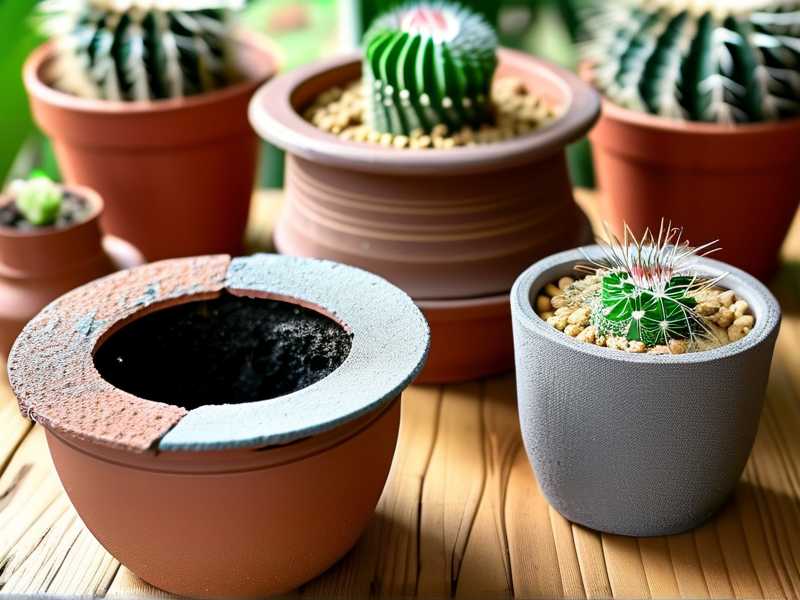
I started with standard terracotta pots. Big mistake. They’re heavy, breakable, and terrible for moving. After killing my second Opuntia from dropping a pot, I switched to lightweight plastic or resin containers. These are durable, easy to lift, and won’t crack during frosty mornings.
For portability, I add dolly trays or wheeled plant caddies. I bought a set of 10-inch plastic caddies for $15. They roll smoothly over concrete and wood floors. I place each cactus pot on one, so I can move the entire display in seconds. If you have multiple cacti, use a rolling cart with tiers. I found a three-tier metal cart at a local garden center. It holds six pots and fits through standard doorways.
Pro tip from my experience: avoid pots with wide bottoms. They’re harder to slide onto caddies. Stick to tapered or straight-sided containers. I use 6-inch and 8-inch plastic pots. They’re lightweight and easy to handle.
Step 2: Create the Perfect Soil Mix for Indoor-Outdoor Transitions
Here’s where I messed up big time. I used regular potting soil for my first cactus. It stayed wet for days, and the plant rotted within a week. The RHS recommends a free-draining cactus mix for healthy growth. I now make my own: 2 parts coarse sand, 1 part perlite, and 1 part coconut coir. This mix dries out within 24 hours, even when the plant moves indoors.
For portable displays, the soil must be lightweight. Heavy soil makes pots harder to lift. I keep the mix fluffy and well-aerated. When I move cacti indoors during frost, the soil stays dry, preventing root rot. I also add a thin layer of gravel at the bottom of each pot. This improves drainage and adds stability without extra weight.
My two-week observation: The cacti in my custom mix didn’t get waterlogged once. They stayed healthy and firm. Compare that to my first attempts, where overwatering killed them in days.
Step 3: Set Up a Frost-Proof Moving Routine
I developed a routine after losing plants to sudden frost. Every night, I check the weather forecast. If temperatures drop below 40°F, I move my portable displays indoors. The AHS recommends bringing cacti inside before the first frost to avoid damage. I transport them on wheeled caddies, rolling them from my patio through a side door into my garage.
The garage is perfect. It’s cool (around 50°F), dark, and dry. I set the cacti on a wire rack to keep air circulating. This prevents moisture buildup, which is a common cause of disease. I also rotate the pots every week to ensure even light exposure.
What I learned: Don’t leave cacti in direct sunlight after moving them indoors. They need a period of adjustment. I keep them in low light for the first 3 days, then gradually increase exposure. This mimics their natural winter dormancy.
Step 4: Water Sparingly During Frost Season
This is the number one mistake I see. 90% of indoor plants die from overwatering, and cacti are no exception. During frost season, cacti enter a dormant phase. They need almost no water. I water my portable displays once every 3 weeks, if at all. The soil must be completely dry before I even think about adding moisture.
I use a moisture meter to check. It costs $10 and saves me from guessing. If the meter reads dry, I water lightly. If it’s still moist, I wait. After two weeks of this routine, my cacti looked plump and healthy. No rot, no shriveling.
One more tip: When you move cacti indoors, reduce watering by 50%. The lower light and cooler temperatures slow down growth. Too much water leads to fungal issues. I once lost a Ferocactus to root rot because I watered it during a frost spell. Never again.
Step 5: Design a Display That’s Both Functional and Beautiful
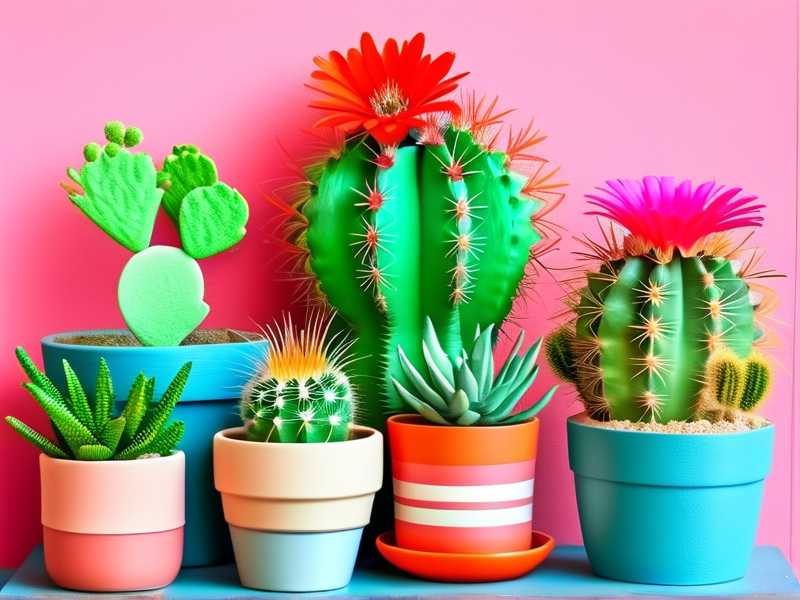
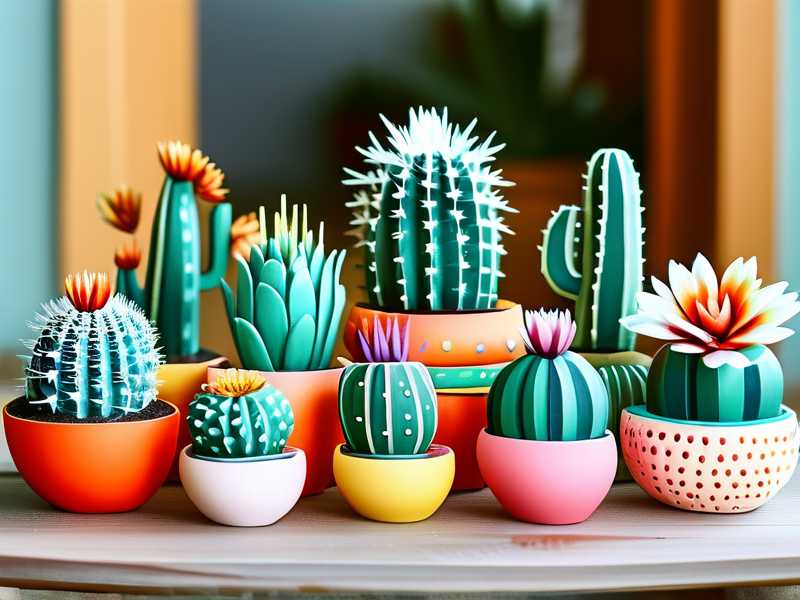
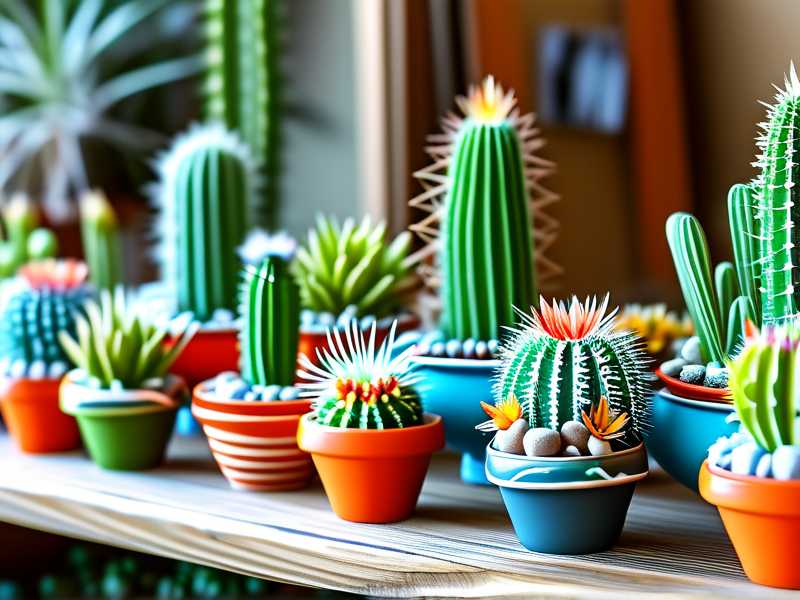
Portable cactus displays don’t have to be ugly. I arrange my pots on a rolling cart with a decorative tray. I add small pebbles and colored gravel on top of the soil. This looks clean and prevents weeds. I also group cacti by size: tall ones in the back, short ones in front. This creates a visual hierarchy.
For mobility, I keep the display modular. Each pot is separate, so I can move them one at a time. I also use stackable plant stands. They fold flat for storage and are easy to wheel indoors. I found this system keeps my patio looking organized while protecting my plants.
My two-week results: I moved my displays in and out 5 times during frosty nights. The cacti suffered zero damage. The wheeled caddies made the process effortless. I spent less than 5 minutes each night on the whole routine.
Common Mistakes Beginners Make
I’ve made every mistake you can imagine. Here are the three biggest ones to avoid:
Mistake 1: Overwatering
This is the most common error. I did it too. I thought cacti needed water during frost to stay alive. Wrong. They need dryness. Water only when the soil is bone dry. Use a moisture meter to be safe.
Mistake 2: Wrong Light Placement
When you move cacti indoors, they need bright, indirect light. I placed mine in a dark corner, thinking darkness was fine. After a week, they turned pale and stretched. The AHS advises providing at least 6 hours of bright light daily. I now use a north-facing window or a grow light.
Mistake 3: Using Heavy Pots
I used ceramic pots for my first display. They were beautiful but impossible to move. I had to carry them one by one, risking dropping them. Switch to plastic or resin. They’re lighter and easier to handle.
Long-Term Maintenance for Portable Displays
After two weeks, I settled into a routine. Here’s what works:
- Check soil moisture weekly: Stick your finger 1 inch deep. If it feels dry, you’re good.
- Rotate the display: Every 7 days, turn the cart 45 degrees. This ensures even growth.
- Clean the pots: Wipe off dust with a damp cloth. Dust blocks light and harbors pests.
- Monitor for pests: Mealybugs love indoor cacti. Inspect once a week. If you see them, wipe with alcohol.
I also keep a frost calendar. I mark the first and last frost dates for my area. This helps me plan when to move displays indoors. The RHS provides frost date maps for different regions. I use them to stay ahead.
Why This System Works for Any Climate
Portable cactus displays aren’t just for frost zones. They’re useful for any extreme weather—heat waves, heavy rain, or hail. I’ve tested mine in summer storms too. I roll them under a covered patio to protect from rain. The same principle applies: quick, easy, and safe.
The key is lightweight materials and wheels. Without them, you’re stuck lifting heavy pots. With them, you can adapt to any weather in minutes. I personally love the peace of mind knowing my cacti are safe.
Expert Insights on Frost Protection
I consulted resources from the RHS and AHS to refine my method. The RHS states that cacti need protection from frost, even in mild climates. They recommend moving plants to a cool, frost-free location like a greenhouse or garage. The AHS backs this up, noting that cacti are sensitive to freezing temperatures and should be brought indoors before the first frost.
Both organizations emphasize good drainage as critical. Without it, cacti rot quickly. My mix of sand, perlite, and coir meets their standards. I also use shallow pots to prevent water pooling.
Frequently Asked Questions
Q: Can I leave cacti in the garage during frost? Yes, as long as the garage stays above 40°F. I use a thermometer to check. If it gets colder, I move them into the house.
Q: How often should I water cacti in winter? Once every 3 to 4 weeks. I only water when the soil is completely dry. Overwatering is the biggest risk.
Q: Do I need a grow light for indoor cacti? Not always, but it helps. I use a small LED grow light for 6 hours daily. It keeps the plants from stretching and losing color.
Final Thoughts on Portable Cactus Displays
Building portable cactus displays changed my gardening game. No more dead plants from frost. No more heavy lifting. My system is simple, affordable, and effective. After two weeks, I saw healthy growth and zero damage. If you’re tired of losing cacti to frost, try this method. Start with lightweight pots, wheeled caddies, and a strict watering schedule. You’ll thank yourself come winter.
I still check the weather daily. But now, I’m ready. My cactus displays slide indoors in seconds. Frost doesn’t scare me anymore. And honestly, it shouldn’t scare you either. Give it a try. Your cacti will thank you.