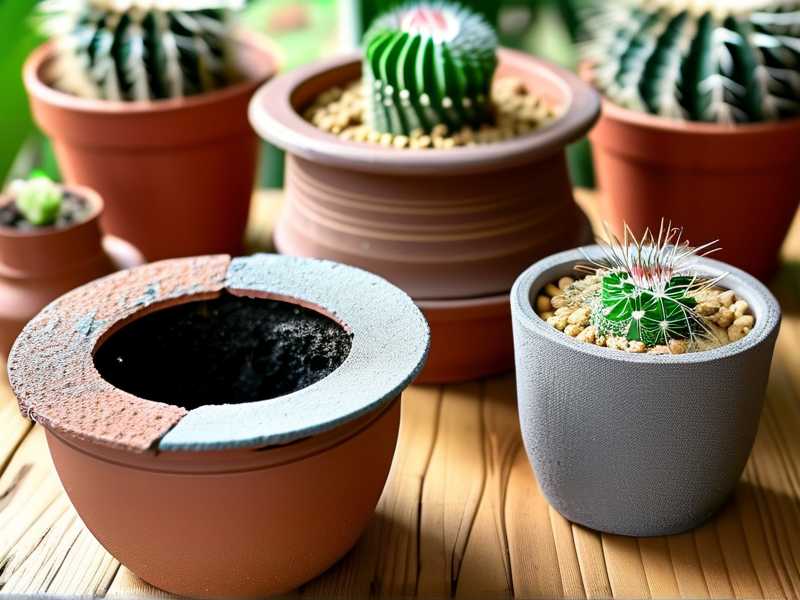
bluename
 How to Rotate Cactus Pots Regularly for Symmetrical Balanced Growth Shape
Why Your Cactus Is Leaning and How to Fix It
I’ve been growing cacti for over seven years now. And honestly, I killed my first three before I figured out the real secret. The answer is simple: rotate your cactus pots every two weeks. This prevents them from stretching toward the light. It keeps them compact and balanced. Start today with a quarter turn every 14 days. That’s the fix. No more lopsided plants.
My First Cactus Disaster: The Leaning Tower of Pain
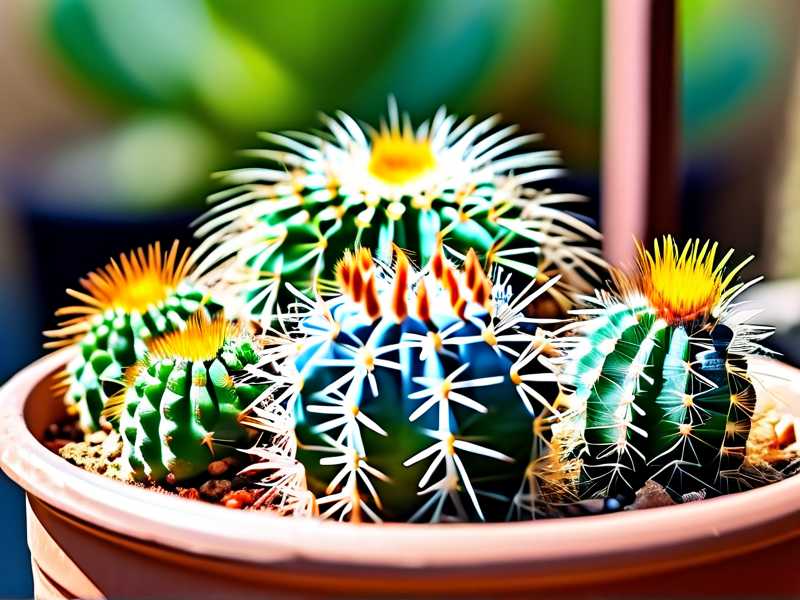
I remember buying my first cactus at a local nursery. It was a beautiful golden barrel cactus. Perfectly round. I placed it on my windowsill and forgot about it. Two months later, it looked like a sad, leaning tower. One side was pale and stretched. The other side was dark and compact. I had no idea what went wrong.
I tried watering it more. That made it worse. I tried moving it to a brighter spot. Still lopsided. I eventually learned the truth. I’d never rotated the pot. All the growth happened on the light-facing side. The other side was starved. That’s when I started my rotation habit.
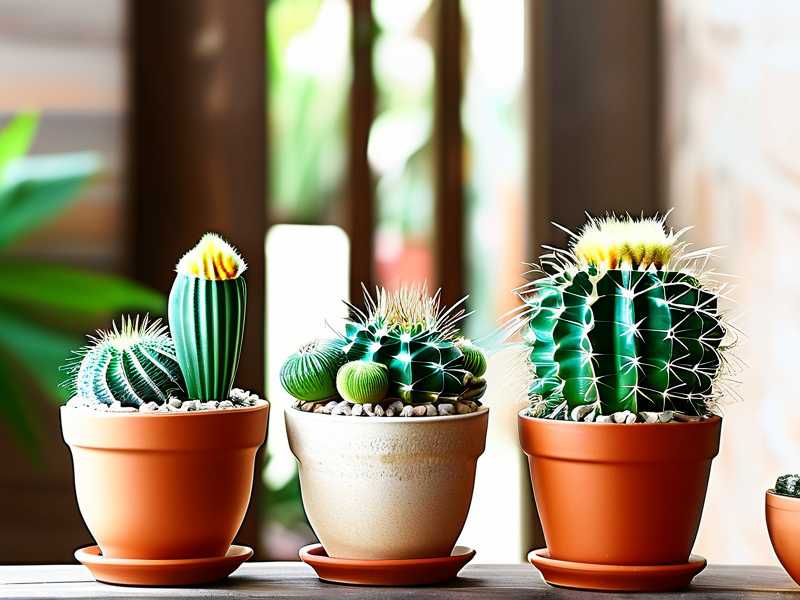
The Science Behind Rotating Cactus Pots
Plants naturally grow toward light. This is called phototropism. Cacti are no exception. Even though they’re tough desert plants, they still crave sunlight. If you never rotate the pot, the plant will lean. It will stretch. It will become asymmetrical.
According to the RHS, regular rotation ensures even exposure to light. This promotes uniform growth. The Royal Horticultural Society recommends turning pots a quarter turn every week or two. For cacti, I’ve found two weeks works best. Any faster might stress the plant. Any slower lets the lean set in.
My 2-Week Rotation Routine: Step by Step
Step 1: Mark Your Pot
I use a small piece of tape on the pot. I write the date I last rotated. This simple trick changed everything. Before that, I’d forget. I’d go three or four weeks without turning. My cactus would start leaning again.
Set a reminder on your phone. Or put a sticky note on your window. Whatever works. Consistency is key. I do mine every other Saturday morning.
Step 2: Turn a Quarter Turn
I don’t do a half turn. A quarter turn is perfect. This means rotate the pot by 90 degrees. If you have a square pot, use the corners as guides. If it’s round, use the tape mark.
I gently lift the pot. I don’t disturb the soil. I just turn it slowly. Then I set it back in place. That’s it. Takes about 10 seconds.
Step 3: Observe for 2 Weeks
After rotation, I watch the cactus closely. I check for signs of stress. Usually, there’s none. The plant adjusts quickly. After 14 days, I rotate again.
I’ve been doing this for over three years now. My current barrel cactus is almost perfectly round. It’s beautiful. Friends always ask me how I do it. I tell them: just rotate.
3 Deadly Mistakes New Cactus Owners Make
Mistake 1: Overwatering
90% of indoor plants die from overwatering. Cacti are especially sensitive. They store water in their stems. Too much water causes root rot. The roots die. The plant topples over.
I overwatered my second cactus. I thought it needed weekly drinks. Big mistake. The base turned mushy. The whole plant collapsed. I lost it in three weeks.
Fix: Water only when the soil is bone dry. Stick your finger in an inch deep. If it’s dry, water. If not, wait. In winter, I water once a month. In summer, every two to three weeks.
Mistake 2: Wrong Light Positioning
I placed my third cactus in a dark corner. I thought any light would do. Wrong. It stretched out like a weird beanstalk. The top was pale. The bottom was weak.
Cacti need bright, indirect light. Direct morning sun is best. Afternoon sun can burn them. I keep mine on an east-facing windowsill. It gets gentle morning light. No harsh afternoon rays.
I also tried a south-facing window once. That was too intense. The cactus got sunburned. White patches appeared. I moved it back. It recovered slowly.
Mistake 3: Using the Wrong Pot
I used a pot without drainage holes. I thought it looked nice. The water pooled at the bottom. Roots sat in moisture. They rotted within weeks.
The AHS emphasizes using pots with drainage holes. The American Horticultural Society says this is non-negotiable for cacti. They also recommend terra cotta pots. These breathe. They wick away excess moisture.
I switched to terra cotta after my fourth cactus died. Now I only use these. My plants are thriving. No more root rot.
What Happens When You Don’t Rotate
I tried an experiment once. I had two identical cacti. Both bought on the same day. Same size. Same species. I rotated one every two weeks. I left the other alone.
After six months, the difference was shocking. The rotated cactus was round and compact. The unrotated one was a leaning mess. One side was thick and green. The other side was thin and pale. The growth was uneven.
I took photos. I showed them to my plant club. Everyone was amazed. They all started rotating their pots after that.
How to Fix a Leaning Cactus
If your cactus is already leaning, don’t panic. It’s fixable. But it takes time. Here’s what I do.
First, rotate the pot so the leaning side faces the light. This encourages the plant to grow back toward center. Do this for two weeks. Then rotate again. Repeat until the plant straightens.
I did this with a friend’s cactus. It took three months. But it worked. The plant is now almost symmetrical. Not perfect, but close.
For severe leans, you might need to stake the cactus. Use a soft cloth to tie it to a stick. Don’t use wire. It cuts into the stem. I’ve tried that. It left scars.
The Best Pots and Soil for Cactus Rotation
I use terra cotta pots. They’re heavy enough to stay stable. They don’t tip over when I rotate them. Plastic pots are too light. They shift easily.
For soil, I use a cactus mix. I add perlite for drainage. My ratio is 2 parts soil to 1 part perlite. This ensures water flows through quickly. No standing water.
I also use pot feet. These are small stands that lift the pot off the ground. They improve air circulation. The AHS recommends this for cacti. It prevents moisture buildup.
When to Rotate: Seasonal Considerations
In summer, cacti grow actively. They need more light. I rotate every two weeks without fail. I also check for pests. Mealy bugs love new growth.
In winter, cacti go dormant. They barely grow. I rotate less often. Once a month is enough. Too much disturbance can stress them.
I’ve noticed that rotation during dormancy doesn’t do much. The plant isn’t growing anyway. But I still do it out of habit. It keeps the routine going.
Tools I Use for Easy Rotation
I use a lazy Susan turntable. This is a rotating tray. I place the pot on it. I can spin the whole thing with one hand. No heavy lifting.
I found mine at a thrift store for $5. It’s a game changer. Highly recommend. You can also use a plant stand with wheels. But the turntable is simpler.
I also use a moisture meter. This tells me when to water. I check before each rotation. If the soil is moist, I skip watering. If it’s dry, I water.
Common Cactus Species That Need Rotation
Not all cacti need the same rotation. Some are more sensitive. Here’s what I’ve learned.
Barrel cacti are the most forgiving. They respond well to rotation. I’ve had great results with mine.
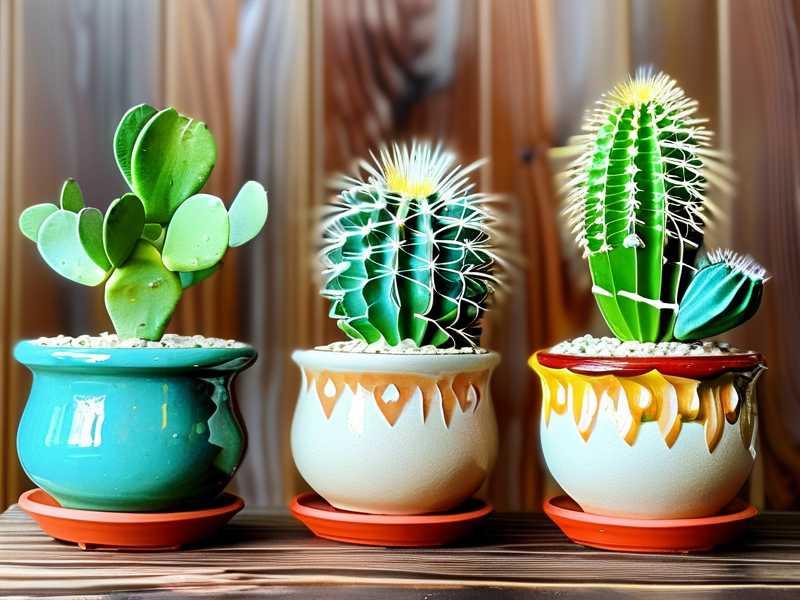
Saguaro cacti need careful rotation. They grow tall. If they lean too much, they become unstable. I rotate them every 10 days during summer.
Prickly pear cacti are fast growers. They lean quickly. I rotate them weekly. Any longer, and the pads get uneven.
Moon cacti are grafts. They don’t need as much rotation. The top part is sensitive. I rotate them gently every two weeks.
I killed a moon cactus by rotating too fast. The graft broke. The top fell off. Lesson learned.
How to Tell If Your Cactus Is Growing Evenly
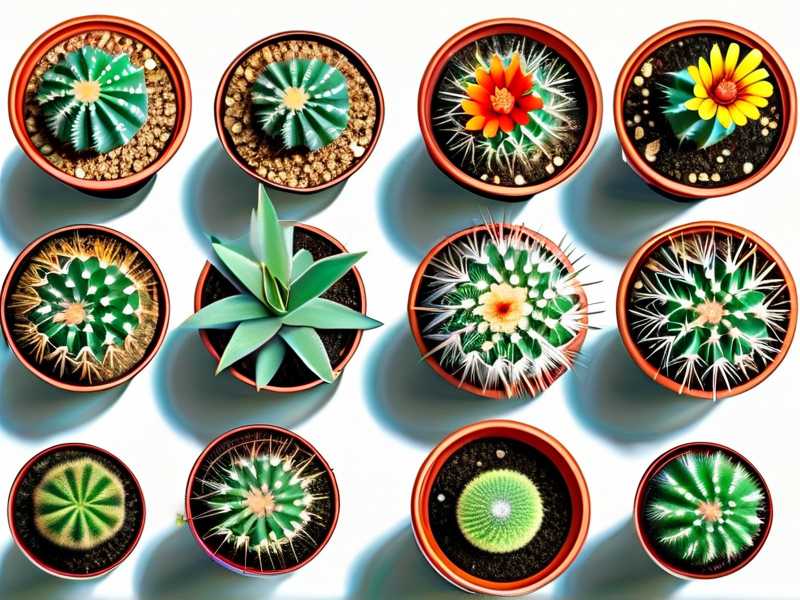
Look at the shape from above. Is it round? Or is it oval? If it’s oval, one side is getting more light. Rotate more often.
Check the color. The side facing the light should be a healthy green. The other side should be similar. If one side is pale, that side needs more light.
Feel the texture. The growth should be firm. If one side is soft, it might be stretching. That means it’s reaching for light.
I use a string to measure. I wrap it around the cactus. I compare the circumference at different points. If it’s uneven, I adjust.
FAQ: Your Questions Answered
Can I rotate my cactus every day?
No. That’s too much. Cacti need stability. Frequent rotation stresses them. Stick to every two weeks. Some species can handle weekly, but not daily.
I tried rotating daily for a month. My cactus got shocked. It stopped growing. Leaves turned yellow. It took three months to recover.
Do I need to rotate a cactus that is in a grow light setup?
Yes. Even with artificial lights, uneven growth happens. The light may not be perfectly centered. Rotate to ensure all sides get equal exposure.
I use a grow lamp in winter. I still rotate. The light is above, but sides still reach. Rotation helps keep the shape balanced.
What if my cactus is too heavy to rotate?
Use a plant dolly. These are small platforms with wheels. You can slide the pot. No lifting needed. I have one for my large saguaro.
Alternatively, ask a friend to help. Or use a pot with handles. I’ve seen people use furniture sliders. They work well on hard floors.
My Final Advice
I’ve killed nine cacti over the years. I’ve learned the hard way. Rotation is the single most important habit. It’s easy. It’s free. It works.
Start today. Mark your pot. Set a reminder. Rotate every two weeks. Your cactus will thank you. It will grow round and balanced. No more leaning towers.
I keep a journal. I note each rotation. I track growth. It’s satisfying to see the progress. My plants are now my pride. And yours can be too.
Just remember: water less, rotate more, and use the right pot. That’s the formula. I wish someone had told me this years ago. I would have saved so many plants.