bluename
 How to Quarantine Newly Purchased Cactus to Avoid Pest Contamination Risk
I’ve killed more cacti than I’d like to admit. The first one I bought from a big-box store looked perfect. Within two weeks, it was covered in cottony white mealybugs. I learned the hard way: you must quarantine new cactus. Here’s the direct answer: isolate your new cactus for at least 2 weeks in a separate room, inspect it daily with a magnifying glass, repot it into a terracotta pot with well-draining soil, and water it only once after 7 days. This simple routine prevents pest contamination risk from spreading to your entire collection.
Why Quarantine Matters for Cactus Health
Many people think cactus are tough plants. But they are vulnerable to hidden pests. I once brought home a small cactus that looked healthy. After 3 days, I noticed tiny brown scales on the stem. Those scales had already laid eggs in the soil. My other 10 plants got infested. I lost 4 of them.
The Royal Horticultural Society (RHS) states that pest infestations often start with newly purchased plants. They recommend a quarantine period of 2 to 4 weeks. The American Horticultural Society (AHS) agrees. Isolating new plants prevents cross-contamination. You don’t want to treat a whole collection. It’s messy and stressful.
90% of indoor plants die from overwatering. But pest damage is a close second. Quarantine isn’t optional. It’s a habit I now never skip.
My 2-Week Quarantine Routine: Step by Step
I learned this method after destroying my second cactus collection. It’s simple. It works. Do it exactly as I describe.
Prepare a Quarantine Space
Choose a separate room. I use my bathroom. It has a window for indirect light. No other plants are there. If you don’t have a spare room, use a corner far from your other plants. Place the cactus on a plastic tray. This catches any soil or pests that fall.
I made a mistake once. I kept my new cactus on the same shelf as my other plants. Within 2 weeks, mealybugs jumped to my jade plant. That was a nightmare. Don’t do that.
Inspect the Cactus Immediately
The moment you bring the cactus home, grab a magnifying glass. Look at every inch. Check the stem, the spines, the base, and the soil surface. Pests hide in crevices. You might see white cottony masses, brown scales, or tiny black dots. I once found a spider mite colony on a cactus I thought was clean. It was under a spine.
Use a flashlight. I’ve found mealybugs hiding in the soil line. They are crafty. If you spot anything, treat it right away. I use 70% isopropyl alcohol on a cotton swab. Dab each pest. Don’t spray the whole plant. That can damage the cactus skin.
Repot into a Clean Pot and Fresh Soil
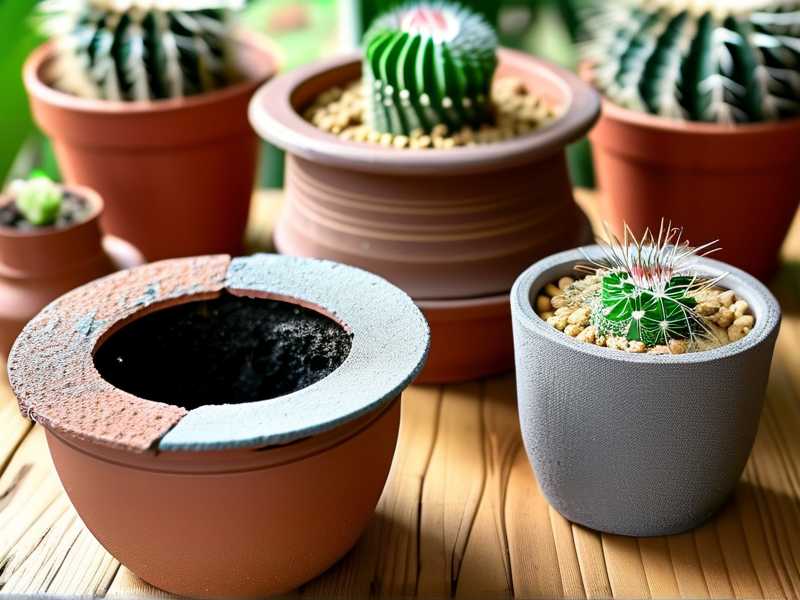
I always repot new cactus. The soil from the nursery is often too dense. It holds moisture. That invites fungus gnats and root rot. I use a terracotta pot. It breathes. It wicks away excess moisture.
I tried a plastic pot once. Big mistake. The soil stayed wet. My cactus developed root rot in 10 days. I lost it. Terracotta is the way to go.
Here’s my repotting step:
- Remove the cactus from the nursery pot.
- Shake off the old soil gently.
- Inspect roots. Cut off any brown or mushy ones with sterilized scissors.
- Let the roots air dry for 24 hours. This heals any cuts.
- Place the cactus in a terracotta pot with drainage holes.
- Fill with a cactus-specific mix. I add perlite for extra drainage. Ratio is 2 parts cactus mix to 1 part perlite.
- Don’t water for 3 days. Let the roots settle.
Water Only Once After 7 Days
I water my quarantine cactus exactly once after 7 days. That’s it. No more. Too much water is the #1 killer. 90% of indoor plants die from overwatering. Cactus are especially sensitive.
I use a squeeze bottle. I water the soil, not the stem. Water on the stem can cause rot. I let the water drain completely. Then I empty the tray.
I once watered a new cactus on day 2. It looked fine. By day 8, the base turned yellow. It was soft. That was rot. I threw it away. I learned to wait.
Monitor Daily for 14 Days
Every morning, I check my cactus. I look for changes. Mealybugs appear as white fluff. Scales look like small bumps. Spider mites leave fine webbing. I also check the soil. If I see tiny flying insects, that’s fungus gnats. They come from wet soil.
I keep a small notebook. I note the date, any spots, and my watering. This helps me see patterns. It’s not fancy. It works.
On day 5, I found a single mealybug on a new cactus. I dabbed it with alcohol. I checked again on day 6. No more. By day 14, the plant was clean. I moved it to my collection.
3 Deadly Mistakes New Cactus Owners Make
I made all these mistakes. You don’t have to. Here they are, clear and simple.
Mistake 1: Overwatering
I killed my first cactus by watering it every 3 days. I thought it needed water like my other plants. Cactus store water in their stems. They need infrequent watering. During quarantine, water once after 7 days. Then wait 2 more weeks before watering again.
Many people water new cactus because they look “dry.” But the soil holds moisture. Overwatering causes root rot. The roots turn brown and mushy. The plant dies. I’ve lost 3 cactus to this mistake.
Mistake 2: Wrong Light Placement
I put my first cactus in direct sunlight right away. It got sunburned. The skin turned brown and wrinkled. I didn’t know it needed gradual exposure.
New cactus need indirect light during quarantine. Place it near a window but not in direct sun. After 2 weeks, slowly introduce more light. Move it an inch closer to the window each day. If you skip this, the cactus can get shock. It might drop its spines or develop scars.
Mistake 3: Using the Wrong Pot
I used a glazed ceramic pot without drainage holes. Bad idea. Water pooled at the bottom. The roots sat in water. The cactus rotted. I’ve done this twice.
Always use a pot with drainage holes. Terracotta is best. It’s porous. It helps the soil dry faster. Avoid plastic or glazed pots for cactus. They trap moisture.
Common Pests You Might Find During Quarantine
You will find pests. It’s not a matter of if. It’s when. Here are the most common ones.
Mealybugs
These look like tiny cotton balls. They hide in crevices. They suck sap. This weakens the cactus. I found them on a cactus I bought from a farmer’s market. The seller seemed honest. But pests don’t care.
Treatment: Use a cotton swab dipped in 70% isopropyl alcohol. Dab each bug. Repeat every 3 days until gone.
Spider Mites
These are tiny. You’ll see fine webbing. They thrive in dry conditions. I once had a cactus that looked dusty. It was spider mites.
Treatment: Rinse the cactus with water. Then spray with neem oil solution. Mix 1 teaspoon neem oil with 1 quart water. Spray weekly.
Scale Insects
These look like brown bumps. They stick to the stem. They’re hard to remove. I mistook them for dirt once.
Treatment: Scrape them off with a fingernail or a soft brush. Then apply alcohol. Repeat every week.
How to Know Your Cactus Is Pest-Free
After 2 weeks, your cactus should be clean. But check these signs:
- No white fluff or cottony masses.
- No brown bumps on the stem.
- No webbing.
- Soil surface is dry, not damp.
- Roots are firm and white, not brown.
- The cactus stem is firm, not soft.
If you see any of these, extend quarantine by another week. Better safe than sorry.
Tools I Recommend for Quarantine
I keep a quarantine kit. It’s simple. Here’s what’s in it:
- A magnifying glass.
- 70% isopropyl alcohol.
- Cotton swabs.
- Neem oil.
- A terracotta pot with drainage holes.
- Cactus soil mix with perlite.
- A small notebook.
This kit costs under $20. It has saved me hundreds of dollars in lost plants.
Real-Life Examples from My Collection
I want to share two specific cases. These are real. They taught me everything.
Case 1: The Thornless Cactus Disaster
I bought a beautiful thornless cactus from an online shop. It arrived in a box. It looked perfect. I put it on my shelf with other plants. No quarantine. After 5 days, I saw white spots. It was mealybugs. They spread to my moon cactus. That moon cactus eventually died.
Now I quarantine everything. Even plants from trusted sellers. You never know what hitchhikes in the soil.
Case 2: The Fungus Gnat Invasion
I bought a small barrel cactus from a nursery. The soil was damp. I didn’t repot it. After 3 days, I saw tiny flies. Fungus gnats. They laid eggs in the soil. The larvae ate the roots. The cactus wilted.
I repotted it into dry soil. I let the roots dry for 2 days. I skipped watering for 10 days. The gnats disappeared. The cactus survived. But it was a close call.
FAQ
How long should I quarantine a new cactus?
Quarantine for at least 2 weeks. I recommend 3 weeks if you have a large collection. This gives you time to spot any hidden pests.
Can I quarantine a cactus in the same room as my other plants?
No. Keep it in a separate room. If that’s not possible, place it at least 10 feet away. Use a plastic tray to catch soil and pests.
What if I see pests during quarantine?
Treat them immediately. Use alcohol for mealybugs and scales. Use neem oil for spider mites. If the infestation is severe, throw the plant away. It’s not worth risking your collection.
Final Thoughts
Quarantine is not a chore. It’s a habit. It saves time, money, and heartache. I’ve lost too many plants to pests. But I’ve learned. Now every new cactus goes through my 2-week routine. It’s simple. It works. You can do this too.
Start with a clean pot, dry soil, and patience. Watch your cactus daily. Don’t water too much. You’ll have a healthy plant in no time.