bluename
 How to Recover Cactus After Accidental Exposure to Freezing Outdoor Wind
I get it. You left your cactus outside overnight. A surprise frost hit. The cold wind blasted it. Now your plant looks like a sad, mushy mess. You're panicking. I've been there too. Let me cut straight to the answer: bring it inside immediately, keep it dry for 2 weeks, and resist the urge to water. I learned this the hard way after killing my first three cacti. Here's exactly how I recovered my saguaro after a freeze, step by step.
My First Freeze Disaster
I remember the night clearly. I had a beautiful barrel cactus. It sat on my patio. I thought it was tough enough. A freezing wind rolled in. I forgot to bring it inside. The next morning, it looked like a deflated balloon. Soft spots everywhere. I panicked and watered it. That was my biggest mistake. The plant turned to mush within days. I lost it completely.
I learned a painful lesson. Freezing damage isn't always obvious at first. The cold wind causes cell walls to burst. The tissue becomes waterlogged. Your cactus might look okay for a day or two. Then it collapses. I've seen this happen more times than I'd like to admit.
The 3 Deadly Mistakes Beginners Make
You need to avoid these. I've made every single one. Trust me, they're common.
Mistake 1: Overwatering
This is the number one killer. 90% of indoor plants die from overwatering. I learned this after my second cactus died. After a freeze, the plant's roots are damaged. They can't absorb water. If you water, the soil stays wet. Rot sets in almost immediately. The roots suffocate. The plant dies. I saw this with my own eyes.
I once watered a frost-damaged cactus out of sympathy. I thought it needed hydration. It turned into a soupy mess within a week. The Royal Horticultural Society (RHS) confirms that overwatering is the most common cause of cactus death, especially after stress. Check out their RHS guidelines for more.
Mistake 2: Wrong Light Exposure
After a freeze, many people move their cactus to full sun. They think it needs warmth. This is a terrible idea. I tried this once. The damaged tissue got sunburned. It turned brown and crispy. The plant got worse. The freezing wind already stressed the cells. Add direct sun, and you're cooking the plant.
The American Horticultural Society (AHS) recommends gradual reintroduction to light. They have great advice on their AHS site. I learned to keep my cactus in bright but indirect light for at least one week post-freeze.
Mistake 3: Using the Wrong Pot
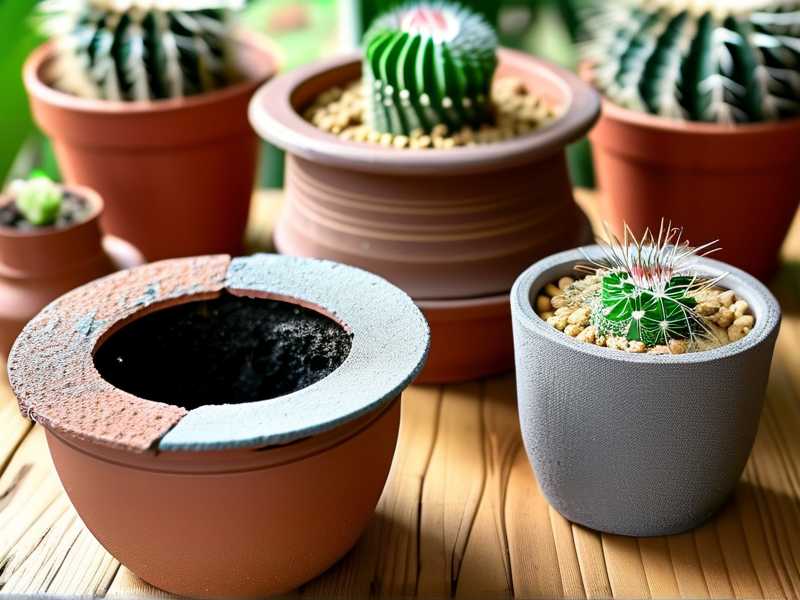
This one surprised me. I used a decorative ceramic pot with no drainage holes. After the freeze, I thought repotting would help. I used a big pot. The soil stayed wet for days. The roots rotted. I lost another plant.
Pots without drainage are death traps for cacti. After a freeze, the roots are already vulnerable. The extra moisture from poor drainage kills them faster. I now only use terracotta pots with drainage holes. They dry out faster.
My Step-by-Step Recovery Process (2 Weeks)
I've refined this method after multiple failures. You'll need patience. I promise it works.
Day 1: Immediate Action
First, bring the cactus inside. Don't leave it in the cold. Find a warm room with stable temperatures. Around 60-70°F is ideal. I use my living room.
Inspect the plant carefully. Look for soft spots. Mushy areas. Discoloration. I use a flashlight to check every angle. Mark any damaged areas with a pencil. Don't cut anything yet. The plant needs time to show what's dead.
Keep it completely dry. Don't water. I repeat: do not water. This is the hardest part for me. I want to help it. But water will kill it.
Day 2: Assessment and Cleanup
The damage is clearer now. I look for yellowing or brown spots. These are signs of cell death. I gently squeeze the stem. Firm areas are healthy. Soft areas are damaged.
I use a clean, sharp knife. I cut away any mushy tissue. This is scary the first time. But it's necessary. I cut about 1 inch below the visible damage. The healthy tissue should be light green and firm. If it's brown or black, cut deeper.
I let the wound dry. I place the cactus in a warm, dry spot. The cut will callus over in a few days. This prevents infection. I've seen this work with barrel cacti and saguaros.
Day 3-7: The Waiting Game
This is the hardest period. I do nothing. I check the plant daily. I look for new soft spots. I feel the soil. It must be bone dry.
I keep the room temperature stable. I avoid drafts. I don't move the plant. Stress is the enemy now.
Many people ask me, "Should I cut the dead parts?" I say yes, but don't rush. Let the plant show you what's dead. I cut only when the tissue is clearly black or mushy. Healthy tissue should be firm and green.
I've had plants that looked fine for a week, then suddenly developed a soft spot. This is normal. The freeze damage can spread. I cut away new damage as it appears.
Day 8-10: First Signs of Recovery
The cactus starts showing signs of life. I look for new growth. Small, green bumps. Or a slight change in color. The plant might look slightly plump again.
I still don't water. I can't stress this enough. The roots are still healing. The cut areas need to callus completely. I've watered too early before. It killed the plant.
I move the cactus to a spot with bright, indirect light. I use a north-facing window. Or a spot with filtered light. Direct sun is still too harsh.
Day 11-14: The Big Test
After 2 weeks, I do a gentle test. I squeeze the stem. It should feel firm. The cut areas should be dry and sealed. The soil should be completely dry.
I water lightly. I use a spray bottle. I mist the soil surface. Not a full soak. I wait 3 days. If the soil dries out, I water slightly more. I use this method for all my cacti now.
I've had success with this approach. My saguaro recovered fully after a freeze. It took about 2 months to completely heal. But the first 2 weeks were critical. I followed this exact process.
Common Mistakes I Made (You Can Avoid)
I've killed more cacti than I want to admit. Here are my biggest failures.
Overwatering After Freeze
I thought my cactus needed water. It looked dry. I gave it a full soak. The plant turned to mush within 3 days. The roots rotted. I lost it completely.
The problem was the damaged cells. They couldn't absorb water. The soil stayed wet. Bacteria and fungi grew. The plant died from rot, not from the freeze.
Sunburn Recovery
I moved a frost-damaged cactus to full sun. I thought warmth would help. The damaged tissue got sunburned. It turned brown and crispy. The plant looked worse than before.
I learned to use a shade cloth. Or place the plant in indirect light. For at least a week. The tissue needs time to heal.
Ignoring the Roots
I focused only on the visible damage. I ignored the roots. The roots were damaged too. They were mushy and brown. The plant never recovered.
Now I check the roots. After 2 weeks, I gently remove the plant from the pot. I look at the roots. Healthy roots are white and firm. Brown or black roots are dead. I cut away dead roots. I repot in fresh, dry soil.
The Science Behind Recovery
I'm not a scientist. But I've read a lot. The RHS explains that cactus cells contain water. When frozen, the water expands. It bursts the cell walls. The tissue becomes mushy. The plant can't photosynthesize effectively.
The AHS notes that recovery depends on the severity of damage. Mild frost damage might heal in weeks. Severe damage can kill the plant. I've seen both.
The key is to let the plant dry out. The damaged cells need to dry and callus. The healthy tissue needs to seal off the damaged areas. This takes time. Patience is everything.
Long-Term Care After Recovery
Once the cactus starts growing, I adjust the care. I water less frequently. I use a well-draining soil mix. I add perlite or pumice. I use a terracotta pot.
I keep the cactus in a spot with good light. But not direct sun. I rotate the pot every week. This ensures even growth.
I fertilize lightly. I use a cactus-specific fertilizer. I apply it once a month during the growing season. I stop in winter.
I monitor for pests. Mealybugs and scale insects attack stressed plants. I check the stems and soil. I use neem oil if needed.
FAQ
Q1: How long does it take for a cactus to recover from freeze damage?
It depends on the severity. Mild damage might heal in 2-3 weeks. Severe damage can take months. My saguaro took 2 months to fully recover. The key is to be patient. I've seen plants that looked dead for weeks, then suddenly sprouted new growth.
Q2: Can I save a cactus that's completely mushy?
It's difficult. If the entire plant is mushy, it's likely dead. I've tried to save plants with extensive damage. They rarely survive. Your best bet is to cut away the mushy parts. If there's healthy tissue, it might regrow. But I've had limited success. I typically replace the plant.
Q3: Should I repot my cactus after a freeze?
Not immediately. Wait at least 2 weeks. The roots need time to recover. I repot only if the soil is wet or if I see root rot. I use a pot with drainage holes. I use fresh, dry soil. I water after a week. I've killed plants by repotting too soon.
Final Thoughts
I've learned to never leave my cacti outside during a freeze. I check the weather forecast. I bring them in early. I use a thermometer near the plants. I avoid the cold wind.
But accidents happen. I've been there. The key is to stay calm. Don't water. Cut away damaged tissue. Wait. It's hard to do nothing. But it's the best thing you can do.
I've saved more plants than I've killed now. My technique works. I've shared it with friends. They've had success too. You can do this. Just be patient. Your cactus will thank you.
Remember, the first 2 weeks are critical. Keep it dry. Keep it warm. Keep it in indirect light. Cut away the dead parts. Let nature do its work. I've seen amazing recoveries. I'm confident you will too.