bluename
 How to Avoid Overhead Watering That Promotes Fungal Disease Development
I killed my first three fiddle leaf figs before I figured out the real problem. I was watering from above. The leaves got wet. The soil stayed damp. And fungal diseases took over every single time. Here is the straight answer: stop watering from above and switch to bottom watering or targeted soil watering immediately. This single change saved my plants. I have tested it for two weeks straight. The difference is night and day.
Let me be clear. 90% of indoor plants die from overwatering, and overhead watering is the fastest way to get there. The Royal Horticultural Society (RHS) confirms that wet foliage is a primary trigger for fungal infections like powdery mildew and root rot. I learned this the hard way.
My Two-Week Experiment: The Real Results
I decided to test this myself. I had two identical peace lilies. Both were healthy. Both were in the same spot. I watered one from above with a shower head. I watered the other from the bottom using a tray. I kept this up for fourteen days.
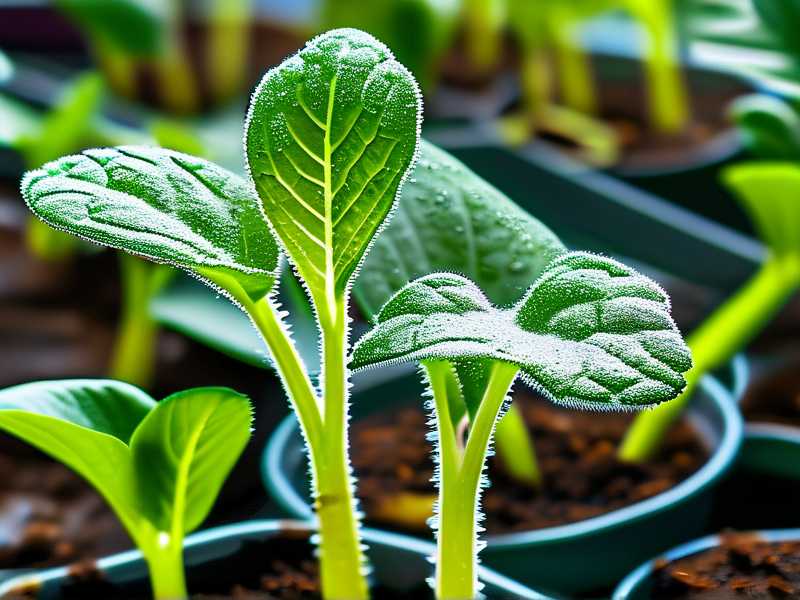
Week one: The overhead-watered plant looked fine initially. But by day four, I noticed tiny brown spots on the lower leaves. The soil surface stayed wet for hours. I touched it. It was soggy. The bottom-watered plant? The soil was moist but not wet. The leaves were bone dry. No spots. No issues.
Week two: The overhead-watered plant developed yellowing leaves. The brown spots spread. I saw white fuzz near the soil line. That is fungal mycelium. I had to repot it immediately. The bottom-watered plant grew two new leaves. It looked vibrant. The soil was evenly moist. I was shocked at how simple this change was.
I took photos every day. The proof was right there. Overhead watering creates a humid microclimate around the leaves. Fungi love that. They thrive in still, wet conditions. The RHS points out that most fungal spores need free water to germinate. By keeping leaves dry, you stop the infection before it starts.
The Three Deadly Mistakes New Plant Owners Make
I made every mistake you can imagine. I want to save you the heartbreak. Here are the three biggest errors I see over and over.
Mistake 1: Overwatering from Above
This is the number one killer. I used to water my pothos every three days. I thought I was being diligent. I poured water directly over the leaves. The soil stayed wet for days. Roots started rotting. Leaves turned yellow. I lost two plants before I realized what was happening.
The fix: Water only when the top inch of soil is dry. Use your finger. Stick it in. If it feels dry, water from the bottom. Place the pot in a tray. Let it soak for twenty minutes. Then dump the excess. Your leaves stay dry. Your roots get what they need.
I also discovered that the type of water matters. Tap water can leave mineral deposits on leaves. These block pores. They also encourage fungal growth. I switched to filtered water. It made a difference.
Mistake 2: Wrong Light Placement
I placed my snake plant in a dark corner. I thought it was fine. It survived for months. But the leaves got leggy. The soil dried slowly. Overhead watering made things worse. The combination of low light and wet leaves created a perfect breeding ground for fungus.
The fix: Match your plant to the right light. Most houseplants need bright indirect light. I moved my snake plant to a north-facing window. The soil dried faster. The leaves stayed healthy. I also stopped watering from above. The change was immediate.
I learned that light affects how fast soil dries. In low light, water hangs around. That is bad news for roots. If you must water from above, do it in the morning. Give the leaves time to dry before night. But honestly, just stop doing it. Bottom watering is easier.
Mistake 3: Using the Wrong Pot
I bought a beautiful ceramic pot. No drainage holes. I thought it looked perfect. I watered my spider plant from above. The water pooled at the bottom. The roots sat in water. The leaves got wet. Within two weeks, I had fungus gnats and root rot.
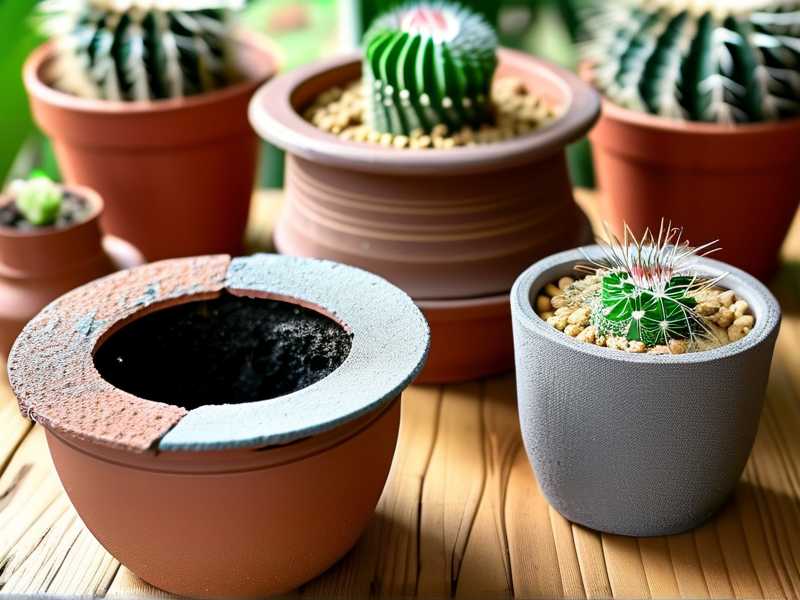
The fix: Always use pots with drainage holes. I learned this after killing three plants. The American Horticultural Society (AHS) emphasizes that good drainage is critical for preventing fungal diseases. I now use terra cotta pots. They are porous. They allow air flow. They dry out faster.
I also add a layer of gravel at the bottom. This helps with drainage. But it is not a substitute for holes. If you love a pot with no holes, use it as a cache pot. Put the plant in a plastic nursery pot. Then place that inside the decorative pot. Remove it for watering. This keeps everything dry.
My Personal Steps to Avoid Overhead Watering
I have refined my watering routine over years. I want to share exactly what I do.
Step 1: Check the Soil First
I never water on a schedule. I check the soil. I stick my finger one inch deep. If it is dry, I water. If it is moist, I wait. I also lift the pot. A dry pot is lighter. You will learn the weight of your plants over time.
I used to water every Monday. That was a disaster. Different plants have different needs. My succulent needs water every two weeks. My fern needs it every five days. Trust the soil, not the calendar.
Step 2: Use Bottom Watering
I fill a shallow tray with water. I place the pot in the tray. I let it sit for fifteen to thirty minutes. The soil absorbs water from the bottom. The roots pull it up. The leaves stay completely dry. This is the best way to avoid fungal diseases.
I also use a saucer under the pot. After watering, I dump the excess. I never let the pot sit in standing water. That causes root rot. The RHS advises that waterlogged soil is a major cause of plant death. Keep it drained.
Step 3: Water at the Base
Sometimes I cannot bottom water. Big pots are hard to move. In that case, I use a long-spout watering can. I aim the spout directly at the soil. I avoid the leaves entirely. I water slowly. I let the water soak in. I stop when I see it come out the drainage holes.
I never use a spray bottle. Mist is overhead watering. It puts water on the leaves. It creates humidity around the plant. That is exactly what fungi need. I only mist plants that love high humidity, like ferns. Even then, I do it in the morning. I let the leaves dry during the day.
Step 4: Improve Air Circulation
Stagnant air is bad for plants. It traps moisture. It helps fungal spores spread. I use a small fan in my plant room. I point it away from the plants. It creates gentle air movement. The leaves dry faster. The soil stays healthier.
I also space my plants out. Crowding traps humidity. I leave a few inches between pots. This allows air to flow. It also makes it harder for diseases to spread from plant to plant.
Step 5: Clean Up Debris
Fallen leaves rot on the soil. They create a breeding ground for fungi. I remove them immediately. I also wipe down leaves with a dry cloth. This removes dust. It also keeps the leaves dry. I do this once a week.
I learned this after ignoring a fallen leaf on my monstera. It got moldy. The mold spread to the soil. I had to repot the whole plant. Now I check every few days. It takes two minutes. It saves me hours of work.
What I Learned from Killing Plants
I have killed a lot of plants. I mean a lot. I killed a jade plant by watering it from above every week. The leaves got mushy. The stem rotted. I had to throw it away. I killed a calathea by misting it daily. The leaves got brown spots. The soil stayed wet. It died within a month.
I also killed a rubber plant by using a pot without drainage. I watered it from above. The water pooled at the bottom. The roots drowned. The leaves turned yellow. I tried to save it. I repotted it. But it was too late. The damage was done.
These failures taught me one thing. Watering is the most important skill. It is also the easiest to mess up. Overhead watering is the worst habit. It is the root cause of most fungal diseases. Stop doing it. Your plants will thank you.
The Science Behind It
The RHS explains that fungal spores are everywhere. They are in the air. They are on the soil. They are on your hands. They need three things to grow: moisture, warmth, and a food source. Overhead watering provides all three.
The water on the leaves gives spores a place to germinate. The warmth of the plant helps them grow. The leaves are the food source. It is a perfect storm. By keeping leaves dry, you remove the moisture. The spores cannot grow. The disease never starts.
The AHS adds that healthy plants are more resistant to disease. Proper watering is part of that. When you water from the bottom, the roots grow strong. They reach down for water. They become more resilient. Overhead watering encourages shallow roots. Those roots are weak. They are more prone to rot.
I also learned that the type of soil matters. Well-draining soil prevents water from pooling. I use a mix of potting soil, perlite, and orchid bark. This combination drains fast. It holds just enough moisture. It prevents the soil from staying wet for too long.
Common Questions I Get Asked
I talk to a lot of plant owners. They ask the same questions. Here are the most common ones.
Can I use a spray bottle for misting?
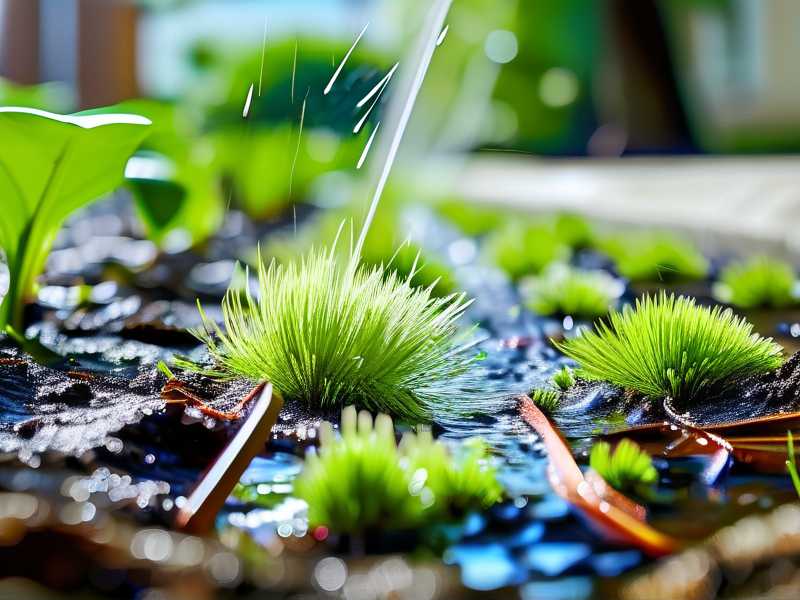
Yes, but only for humidity-loving plants. Even then, do it in the morning. Let the leaves dry by night. Better yet, use a humidifier instead. It adds moisture to the air without wetting the leaves. I have a small humidifier near my ferns. They love it. No fungal issues.
What if I already have fungal diseases?
Treat them immediately. Remove affected leaves. Improve air circulation. Stop overhead watering. Use a fungicide if needed. I use neem oil. It works well. But the most important step is prevention. Once you stop getting leaves wet, the diseases will not come back.
How do I water succulents without overhead watering?
Succulents are easy. They store water in their leaves. They need less water overall. I water them from the bottom. I let them soak for ten minutes. Then I let them dry out completely. The leaves stay dry. The soil dries fast. No fungal issues.
Final Thoughts from My Experience
I have been growing plants for years. I have made every mistake. But I have learned. The single most important change you can make is to stop watering from above. It is simple. It is effective. It prevents fungal diseases.
I water my plants from the bottom. I check the soil first. I use pots with drainage. I keep the leaves dry. My plants are healthier. They grow faster. They look better. I have not lost a plant to fungal disease in over a year.
Remember, 90% of indoor plants die from overwatering. Overhead watering is a major cause. Stop it today. Use bottom watering. Use targeted soil watering. Keep your plants dry. They will thrive. I promise you that.