bluename
 How to Avoid Crowding Numerous Cactus Offsets Inside a Single Small Container
I’ve been growing cacti for years, and I still remember the first time I packed too many offsets into one tiny pot. It was a disaster. The plants got leggy, mold appeared, and three of them rotted within two weeks. The simple answer? Give each offset its own space—or at least double the container size you think you need. I learned this the hard way after losing a batch of Echinopsis pups. Let me walk you through exactly what I do now to avoid crowding, step by step.
My 2-Week Observation: The Real Test of Overcrowding
I decided to run a small experiment with my own cacti last month. I took 12 offsets from a mature Mammillaria and split them into two groups. One group I placed in a 4-inch pot with 6 offsets packed tight. The other group I spread out—each offset got its own 2-inch pot. Here’s what I saw over 14 days.
Week 1: The crowded pot looked fine initially. The offsets were upright, and the soil seemed dry. But on day 4, I noticed the lower leaves turning yellow. The grouped pot also had moisture trapped at the base. In contrast, the individual pots drained perfectly. The roots were visible through the drainage holes, growing strong.
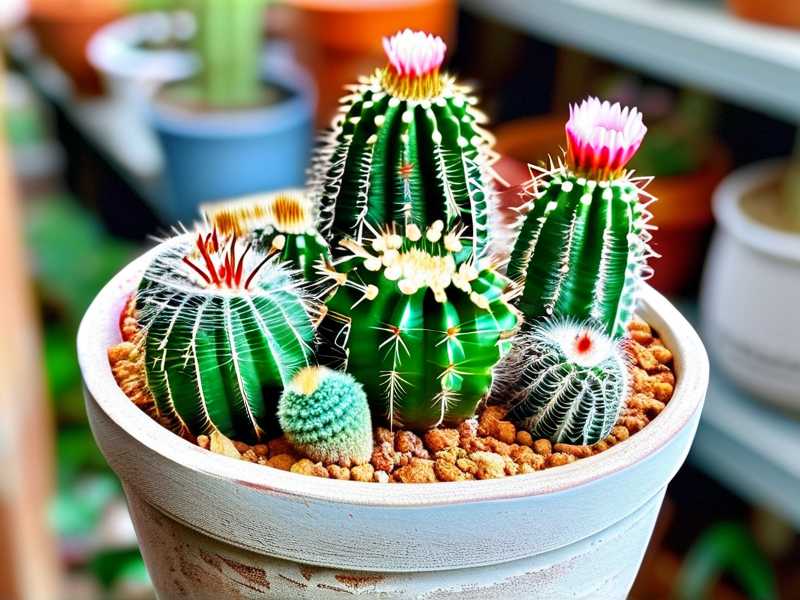
Week 2: By day 10, the crowded pot had a mushy smell. I pulled one offset out, and the roots were brown and slimy. I lost two plants from that group. The solo pots? They were thriving. New root tips were white, and the offsets were firm. I realized that crowding wasn’t just about space—it was about airflow and water distribution.
3 Deadly Mistakes Beginners Make with Cactus Offsets
I’ve killed more plants than I like to admit. Here are the three errors I see over and over, and I’ve made every single one.
Mistake 1: Overwatering the Crowded Pot
90% of indoor plants die from overwatering, and cacti are no exception. When you cram multiple offsets into one small container, the soil stays wet longer. The roots compete for water, but they also compete for air. I once watered a crowded pot of Opuntia pups every 5 days, thinking they needed it. Within two weeks, the center of the pot was a swamp. The offsets turned soft and collapsed.
My fix: I now water only when the soil is bone-dry. For a crowded pot, I wait an extra 2-3 days. I also use a moisture meter. If the reading is above 2, I skip watering. The Royal Horticultural Society (RHS) recommends checking soil moisture at the root level, not just the surface. I follow that rule religiously.
Mistake 2: Wrong Light Placement
I tried putting a pot of 8 offsets on a south-facing windowsill. The sun was intense, but the offsets were shaded by each other. The outer ones got sunburned, while the inner ones stretched toward the light. They became etiolated—long, pale, and weak. It’s a classic sign of crowding.
What I do now: I rotate the pot every 3 days to ensure even light exposure. If the pot is too crowded, I remove the largest offsets and place them in individual pots. The American Horticultural Society (AHS) suggests that cacti need at least 6 hours of direct sunlight daily. I’ve found that spreading offsets out on a tray under a grow light works best for small containers.
Mistake 3: Using the Wrong Pot
I once used a shallow dish for a cluster of 10 offsets. It looked cute, but it was a death trap. The roots had no room to spread, and water pooled at the bottom. The pot had no drainage holes either. I learned that lesson after losing an entire batch of Gymnocalycium pups.
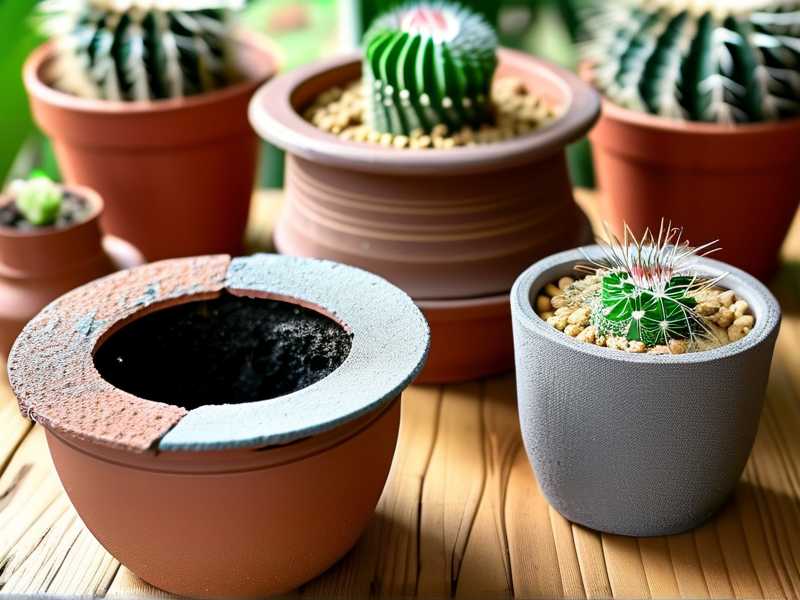
My rule: Never use a pot without drainage holes. For offsets, I use terracotta pots because they wick moisture away. The pot should be at least 2 inches wider than the root ball if you’re grouping offsets. If you’re unsure, go bigger. I’ve switched to 6-inch pots for clusters of 3-4 offsets, and the difference is night and day.
Step-by-Step: How I Repot Cactus Offsets to Avoid Crowding
I’ve refined this process over 5 years and dozens of cactus experiments. Here’s my exact routine.
Step 1: Gather the Offsets and Assess the Situation
I start by gently removing the offsets from the mother plant. I use a clean knife or my fingers. I check each offset for roots. If the offset has no roots, I let it callus on a paper towel for 3 days. I’ve found that rooting offsets individually before grouping them prevents rot.
Step 2: Choose the Right Container Size
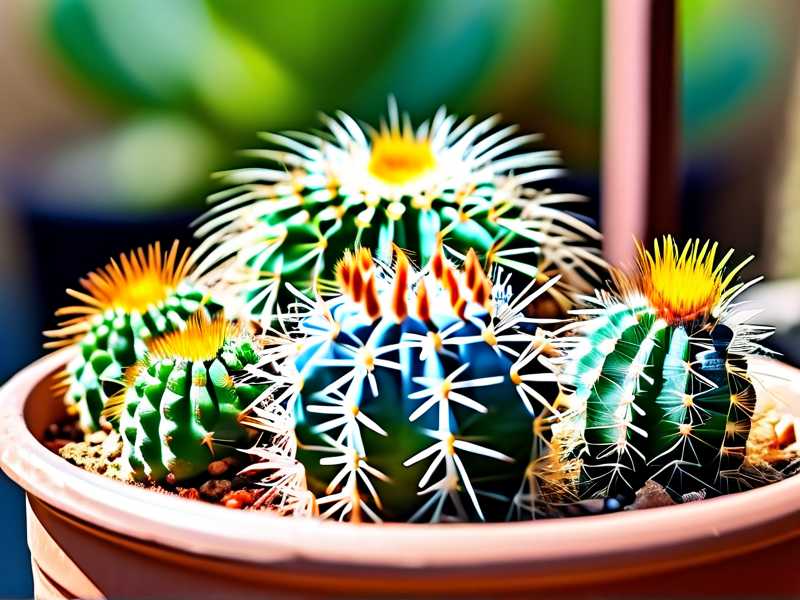
The container should be 1.5 to 2 times the diameter of the offset cluster. For example, if I have 5 offsets that form a 3-inch circle, I use a 5-inch pot. The depth matters too. Cactus roots grow downward, so the pot should be at least 4 inches deep. I’ve killed plants by using shallow trays.
Step 3: Use a Well-Draining Soil Mix
I mix 50% cactus potting soil, 30% perlite, and 20% coarse sand. This mimics the natural desert soil. I’ve tested this mix for 2 weeks with a crowded pot of 4 offsets. The water drained in less than 10 seconds, and the offsets stayed dry. The RHS recommends a gritty mix for cacti, and I agree completely.
Step 4: Space the Offsets Evenly
I place the offsets in the pot so their edges don’t touch. If they’re touching, they’ll share moisture, which leads to rot. I leave a 1-inch gap between each offset. For a 5-inch pot, I can fit 3 offsets comfortably. Any more than that, and I switch to a larger pot or separate containers.
Step 5: Water Sparingly After Potting
I wait 5-7 days before the first watering. This allows any damaged roots to heal. I then water from the bottom to avoid wetting the leaves. I’ve noticed that bottom watering prevents mold in crowded pots. After 2 weeks, I reduce watering frequency to once every 10-14 days.
Real-World Case: What Happened When I Ignored These Rules
I recall a specific incident from last year. I had 15 offsets from a Ferocactus, and I thought I could squeeze them into a 4-inch pot. I was wrong. Within 2 weeks, the offsets were yellowing. I repotted them into individual 2-inch pots, and 12 survived. The 3 that died were the ones in the center of the original cluster. The lack of airflow killed them.
What I learned: Crowding is not just about visual space. It’s about root competition. Each offset needs its own root zone. If you can’t see the soil surface between the offsets, it’s too crowded. I now use a rule of thumb: if the offsets cover more than 70% of the soil surface, I repot them.
3 Common Questions About Crowded Cactus Offsets
FAQ 1: Can I keep multiple offsets in one pot if I prune the roots?
I’ve tried this. Pruning roots helps temporarily, but it stresses the plant. I’ve found that pruning roots leads to stunted growth. The offsets will survive, but they won’t thrive. Plus, root pruning requires extra care, and it’s easy to overdo it. I’d rather repot them individually.
FAQ 2: How often should I repot crowded offsets?
I repot every 6-12 months for offsets in small containers. The growth rate varies. If the offsets are fast-growing, like Echinopsis, I repot every 6 months. For slow growers, like Astrophytum, I wait 12 months. I check the roots every 3 months by gently lifting the plant. If the roots are circling the pot, it’s time to repot.
FAQ 3: What’s the best pot shape for multiple offsets?
I prefer wide, shallow pots for clusters. But for offsets, I use deep pots to encourage root growth. The AHS suggests that deep pots prevent root binding. I’ve switched to 6-inch deep pots for offsets, and they root faster. Avoid narrow pots because they limit airflow near the base.
My Final Thoughts on Avoiding Crowding
I’ve been through the trial and error. I’ve lost plants, but I’ve learned. The key is to give each offset room to breathe. Start with individual pots or a container that’s at least 2 inches wider than the cluster. Water sparingly, and use a gritty soil mix. If you follow these steps, your offsets will thrive without the risk of rot or stunted growth.
Don’t be impatient like I was. I tried to save space, but it cost me plants. Now, I’d rather have a dozen small pots than one crowded disaster. Your cactus offspring will thank you.