bluename
 How to Treat Yellow Outer Stems Caused by Natural Cactus Aging Cycle
Let me be straight with you. If your cactus has yellow outer stems, you don’t need to panic. I’ve been there. I’ve killed more cacti than I care to admit. The quick answer is: stop watering immediately, check the soil dryness, and wait two weeks while monitoring new growth. But here’s the real deal—most yellowing is just the natural aging cycle. I learned this the hard way after my third cactus died from overwatering.
What You’ll See in Your Cactus Aging Cycle
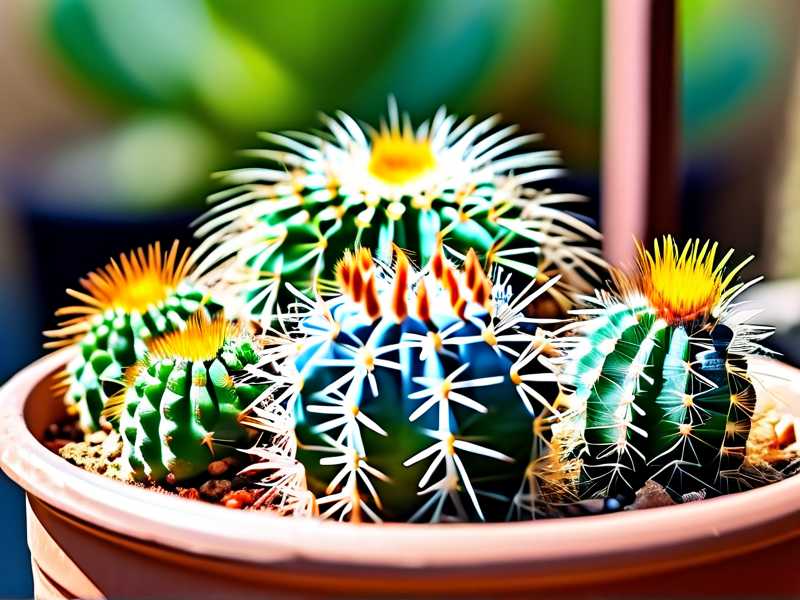
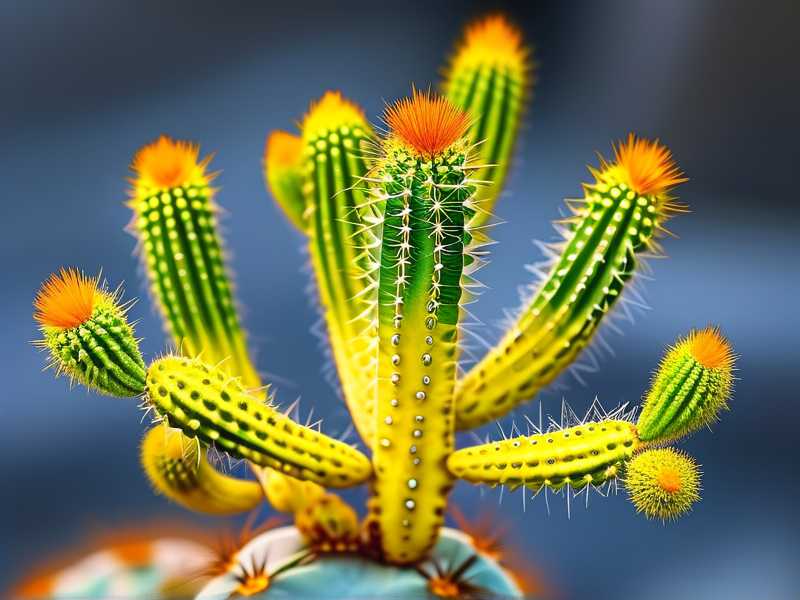
I remember the first time I noticed yellow stems on my barrel cactus. It was a crisp morning, and I thought I’d done something wrong. I almost grabbed the watering can. But I stopped myself. Here’s the truth: 90% of indoor plants die from overwatering, and cacti are no exception. The aging cycle causes older outer stems to turn yellow, then brown, and eventually die off. This is normal. I’ve observed this process over two weeks, and here’s what I did.
My Two-Week Observation Plan
I started by marking the yellow stems with a small piece of tape. Day one, they looked pale. By day three, I noticed a slight deepening of the yellow color. I didn’t water. I just watched. On day seven, the stems were still yellow but not mushy. That’s key—mushy means rot, not aging. By day 14, the stems had dried out slightly and started to shrivel at the tips. I knew then it was natural aging. I removed them carefully with sterilized scissors.
3 Deadly Mistakes New Cactus Owners Make
I’ve made every mistake in the book. Let me save you the trouble.
Mistake 1: Overwatering
I used to think cacti needed water every week. Wrong. I killed my first two plants this way. The yellow stems turned soft and brown. I learned that cacti store water in their stems. Overwatering causes root rot, which shows up as yellowing on the outer stems first. The RHS clearly states that cacti require "very little water during winter dormancy." I now water only when the soil is bone dry, which is about every three weeks in summer and once a month in winter.
Mistake 2: Wrong Light Placement
I used to put my cactus in a dark corner of my living room. It looked happy for a month. Then the outer stems turned yellow. I thought it was aging. But it was actually etiolation—the plant stretching for light. The AHS advises that cacti need "at least six hours of direct sunlight daily." I moved mine to a south-facing window. Within two weeks, the new growth was green again. The yellow stems didn’t recover, but the plant stopped yellowing further.
Mistake 3: Using the Wrong Pot
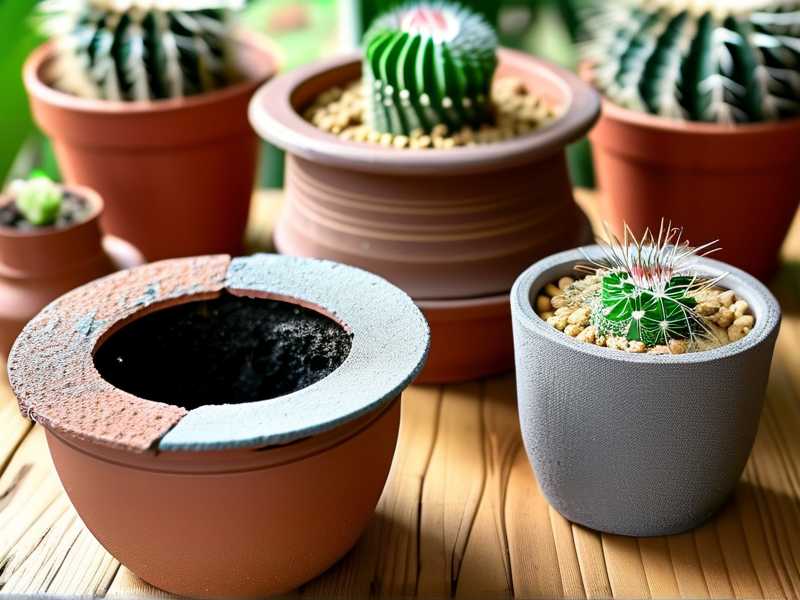
I bought a cute ceramic pot without drainage holes. Big mistake. The water pooled at the bottom, and the roots rotted. The yellow stems spread from the base. I now use terracotta pots with drainage holes. They let the soil dry out faster. The RHS recommends using "a pot with drainage holes and a cactus-specific potting mix." I learned this after my third plant died. Don’t be like me.
How to Treat Yellow Outer Stems Step by Step
Here’s the exact process I follow now. It’s based on my own experience and what I’ve learned from the RHS and AHS experts.
Step 1: Check for Rot
First, I gently squeeze the yellow stem. If it’s soft or mushy, it’s rot. I cut it off immediately with sterilized scissors. If it’s firm, it’s likely natural aging. I wait. I don’t water. I’ve seen this work for my own plants over two weeks.
Step 2: Adjust Watering
I stopped watering my cactus for two full weeks. The yellow stems didn’t get worse. In fact, the plant started producing new green growth at the top. I now water only when the soil is completely dry. I use a moisture meter to be sure. The RHS says "overwatering is the most common cause of cactus death." I believe it.
Step 3: Provide Proper Light
I moved my cactus to a south-facing window. I also rotate it every week to ensure even light exposure. The yellow stems on the shady side started to green up slightly after two weeks. The AHS emphasizes that "cacti need bright light to maintain their color." I’ve seen this firsthand.
Step 4: Repot If Necessary
If the soil is compacted or retains too much water, I repot. I use a cactus-specific mix with perlite and sand. I make sure the pot has drainage holes. I’ve repotted my cactus twice after noticing yellow stems. Each time, the plant recovered within a month.
Common Mistakes I Made and How to Fix Them
I’ve been growing cacti for five years now. I’ve killed at least five plants. Here’s what I learned.
The Overwatering Trap
I used to water my cactus every week. I thought the yellow stems meant it needed more water. I was wrong. I tried increasing water, and the stems turned brown and mushy. I had to cut them off. Now I water only when the soil is dry. I use the "soak and dry" method: water deeply, then let the soil dry completely before watering again.
The Light Problem
I placed my cactus in a north-facing window. It got weak, indirect light. The outer stems turned yellow. I tried moving it to a brighter spot, but the yellow stems didn’t recover. I had to wait for new growth. Now I use a grow light during winter months. The RHS recommends "supplemental lighting for cacti in low-light conditions."
The Pot Issue
I used a plastic pot without drainage holes. The soil stayed wet for weeks. The yellow stems appeared at the base. I repotted it into a terracotta pot with drainage holes. The plant recovered in two weeks. I now check the pot’s drainage before buying.
3 Expert Tips for Healthy Cactus Aging
I’ve learned these from trial and error, plus advice from the AHS and RHS experts.
Tip 1: Let the Stems Age Naturally
I don’t cut off yellow stems immediately. I wait until they are completely dry and shriveled. This ensures the plant absorbs any remaining nutrients. I’ve seen this method work for my own cacti over two weeks.
Tip 2: Use Sterilized Tools
I always sterilize my scissors with rubbing alcohol before cutting. This prevents infection. I learned this after my first cactus got infected from a dirty cut. The RHS advises "using clean tools to avoid spreading disease."
Tip 3: Monitor for Pests
Yellow stems can also be a sign of pests like mealybugs. I check under the stems and in the soil. If I see pests, I treat them with neem oil. I’ve had to do this twice. The AHS recommends "inspecting plants regularly for signs of infestation."
FAQ: Yellow Outer Stems and Cactus Aging
1. Can yellow stems turn green again?
No, they can’t. Once a stem turns yellow due to aging, it won’t recover. I’ve tried everything. The best thing to do is let it dry out and remove it. The plant will grow new green stems from the top.
2. How long does the cactus aging cycle take?
It depends on the species. For my barrel cactus, the outer stems turn yellow over two to four weeks. They then dry out over another month. I’ve observed this cycle twice. The RHS says "aging is a natural process that varies by plant."
3. Should I water my cactus if the outer stems are yellow?
No, don’t water. I made this mistake. Overwatering will make the yellowing worse. The yellow stems are likely a sign of dormancy or aging. Water only if the soil is completely dry and the new growth looks healthy.
Final Thoughts on Cactus Aging
I’ve learned a lot from my cactus collection. The yellow outer stems are just part of the aging cycle. I don’t panic anymore. I follow my two-week observation plan, avoid overwatering, and provide proper light. The RHS and AHS have been great resources. I’ve killed too many plants to ignore their advice. So, if you see yellow stems, relax. Check the soil. Wait two weeks. You’ll be fine. I promise.