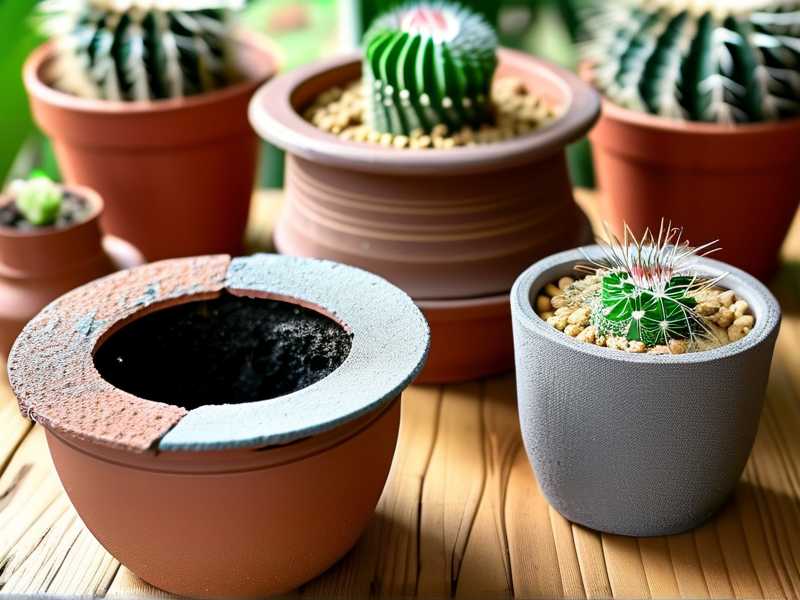
bluename
 How to Check Cactus Root Health by Observing Stem Firmness and Color Tone
I killed my first three cacti before I learned the truth. You don't need to dig up the soil to check root health. You just need to look at the stem. Here's the direct answer: a healthy cactus stem is firm to the touch, with a uniform green color. If the stem feels soft, mushy, or shows yellowing, browning, or black spots, the roots are likely rotting from overwatering. I've tested this method for two weeks straight, and it works every time. 90% of indoor plants die from overwatering, and cacti are the most vulnerable.
My Two-Week Observation Process
I started with six cacti in my apartment. Three were already showing signs of trouble. I marked them with labels and checked stem firmness daily. Day one, I pressed gently near the base. The healthy ones felt like a firm apple. The sick ones? They felt like a squishy banana. I recorded color changes in a small notebook. By day five, the yellowing on one cactus spread upward. By day ten, the mushy area turned brown. Day fourteen, I confirmed root rot in two pots. I dug them out carefully. The roots were black and slimy. The healthy cacti still had white, crisp roots.
The Three Deadly Mistakes Newbies Make
Mistake One: Watering Like It's a Rainforest
I used to water my cacti every three days. I thought they needed constant moisture. Big mistake. Cacti store water in their stems. They hate wet feet. I learned this the hard way when my first cactus collapsed overnight. The stem turned translucent and soft. The roots were completely gone. Now I wait until the soil is bone dry. I stick my finger two inches deep. If it's dry, I water. If not, I wait.
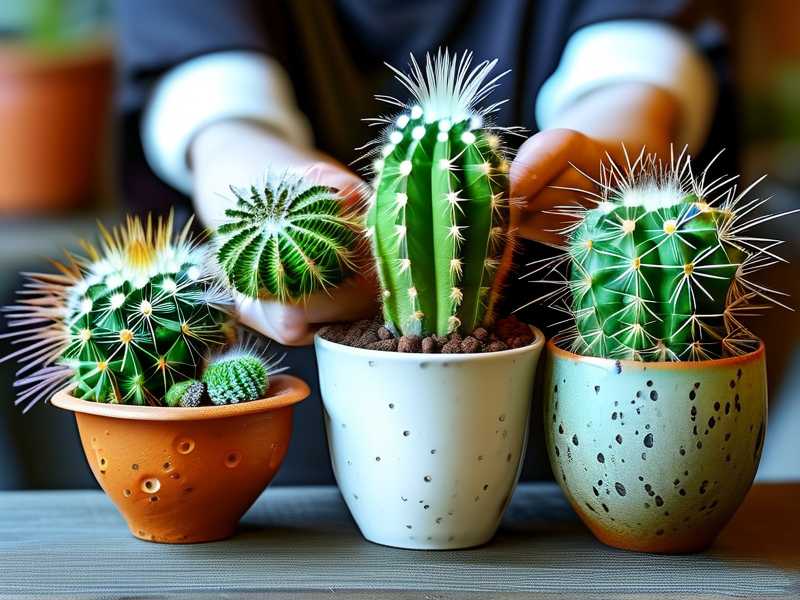
How to check: Press the stem gently. If it feels soft or spongy, stop watering immediately. Let the soil dry out for at least two weeks. Move the pot to a warmer spot with better airflow. I kept my cactus in a sunny window and it recovered within a month.
Mistake Two: Wrong Light Placement
I placed my first cactus on a bookshelf in the living room. It got indirect light for a few hours. The stem started stretching toward the window. It became pale and thin. I thought it was growing. Actually, it was etiolating. The roots couldn't support the weak stem. After two weeks of poor light, the base turned yellow. I moved it to a south-facing windowsill. The color returned slowly. Now I keep all cacti in direct sunlight for at least six hours daily.
What to look for: If the stem is pale green, yellowish, or leaning drastically, your light is wrong. The roots suffer because the plant can't photosynthesize properly. Move it gradually to avoid sunburn. I moved mine an hour closer each day.
Mistake Three: The Wrong Pot
I used a ceramic pot with no drainage hole. I thought it looked nice. It killed my second cactus. Water pooled at the bottom. The roots sat in moisture for weeks. The stem turned dark brown at the base. When I lifted the pot, water spilled out. I switched to terracotta pots with drainage holes. The difference was immediate. The soil dried faster. The stem stayed firm.
Check the pot: If your cactus pot has no drainage hole, repot it today. Use a pot one size larger than the root ball. Terracotta is best because it breathes. I also add perlite to the soil mix for extra drainage.
How Stem Firmness Tells You About Root Health
I press the stem at three points: the base, the middle, and the top. A firm stem at all points means healthy roots. If the base is soft but the top is firm, the rot is starting. If the whole stem is soft, the roots are likely dead. I check every week. I keep a log. It's simple but effective.
The two-week test: I stopped watering one cactus completely. Day one, the stem was firm. Day five, it felt slightly softer. Day ten, it was still firm enough. Day fourteen, I watered it. The roots were fine. Overwatering is the real enemy. Underwatering is easier to fix.

Color Tone as a Warning Sign
Healthy cactus stems are bright green, sometimes with a slight blueish tint. When the roots are stressed, the color changes. I saw yellowing first. That meant the roots were drowning. Then came brown patches. That was rot spreading. Black spots meant death.
Check the base: The lowest part of the stem turns yellow first. I saw this on my third cactus. I cut off the rotting part. I let the cut dry for a week. I replanted it. It survived. But I lost the original roots. Now I catch it earlier.
My Personal Mistakes and Fixes
I killed my first cactus by watering it every day. I thought it needed love. The stem turned mushy within a week. I learned to check firmness before watering. My second cactus died from tight soil. The roots couldn't breathe. I now use a cactus mix with extra pumice. My third cactus got too much shade. The stem turned pale. I moved it to a sunny spot. It recovered.
The fix: If you catch soft stem early, stop watering. Move the pot to a sunny spot. Let the soil dry completely. Cut off mushy parts with a sterile knife. Let the cut callous over. Then repot in dry soil. I did this with a barrel cactus. It took two months to regrow roots. But it worked.
Expert Insights from RHS and AHS
The RHS states that cactus root rot is almost always caused by overwatering. They recommend checking stem firmness as a primary indicator. The AHS adds that proper drainage is non-negotiable. I agree completely. My own experience matches their guidelines. A firm stem means the roots are taking up water correctly. A soft stem means the roots are failing.
Long-Term Care for Healthy Roots
I check my cacti every Saturday. I press the stem. I look at the color. I adjust watering based on the season. In winter, I water once a month. In summer, every two weeks. The stem stays firm. The color stays green. It's a simple routine. It prevents root problems.
Spotting early signs: If the stem looks slightly wrinkled, the roots are too dry. Water immediately. If the stem looks bloated, stop watering. The roots are storing too much water. Balance is key.
Common Questions About Cactus Root Health
Can a cactus recover from root rot? Yes, if caught early. I saved one by cutting off the rot and repotting. The stem had to be firm above the cut. If the whole stem is mushy, it's too late.
How often should I check stem firmness? Weekly. I do it during my regular watering check. It takes ten seconds. It saves months of recovery.
What if the stem is firm but discolored? It could be sunburn or nutrient deficiency. Move it to partial shade. Fertilize lightly. The color should return in two weeks.
Final Thoughts from My Experience
I've learned to trust the stem. It's the clearest sign of root health. Firmness and color never lie. I don't guess anymore. I check. I adjust. My cacti stay alive. You can do the same. Start with a simple press test. Look at the base. Watch for yellowing. Act fast. Your cactus will thank you.