bluename
 How to Recover Cactus After Prolonged Exposure to Cold Rainy Outdoor Weather
If your cactus has been sitting outside through weeks of cold, rainy weather, you are probably looking at a sad, mushy, or discolored plant right now and wondering whether it can be saved. Here is the short answer: yes, it can often be saved, but only if you act fast and stop doing the things that made it worse. I have brought back more than one cold-rain-damaged cactus from the brink, and I have also lost a few by panicking and overcorrecting. The biggest mistake I see people make after cold rain is watering the plant again "to help it recover." Please don't. That single move kills more cacti than the cold ever will.
I live in a region where fall and spring bring weeks of drizzle and temperatures that hover just above freezing. I used to leave my potted cacti on the patio well into October because I thought they were tough. I was wrong. After one particularly brutal stretch of cold rain, I ended up with a collection of sad, yellow-brown plants. Here is exactly what I did over a two-week period to save most of them, plus the mistakes I made along the way so you can skip them.
First, move the cactus out of the rain immediately. Not into a warm room, but into a cool, dry spot with good airflow. A covered porch, a garage with a window, or an unheated sunroom works well. The goal is to stop the cold water from draining into the soil and to let the plant dry gradually.
Next, check the soil. If it is still soggy after 24 hours, you need to act. I once left a cactus in wet soil for three days thinking it would dry on its own. It didn't. The roots turned to brown mush. So I learned to gently slide the cactus out of its pot, shake off as much wet soil as I could, and let the roots air-dry on newspaper for a day or two. If the roots are already dark and mushy, cut them back with clean scissors until you see healthy white or light tan tissue.
Now, here is the part most people get wrong. After cold rain, your cactus is stressed. It does not want water. It does not want fertilizer. It wants dry air and gentle light. I put my recovering cacti in a spot with bright, indirect light for the first week. Direct sun right after cold damage can cause sunburn on already weakened skin.
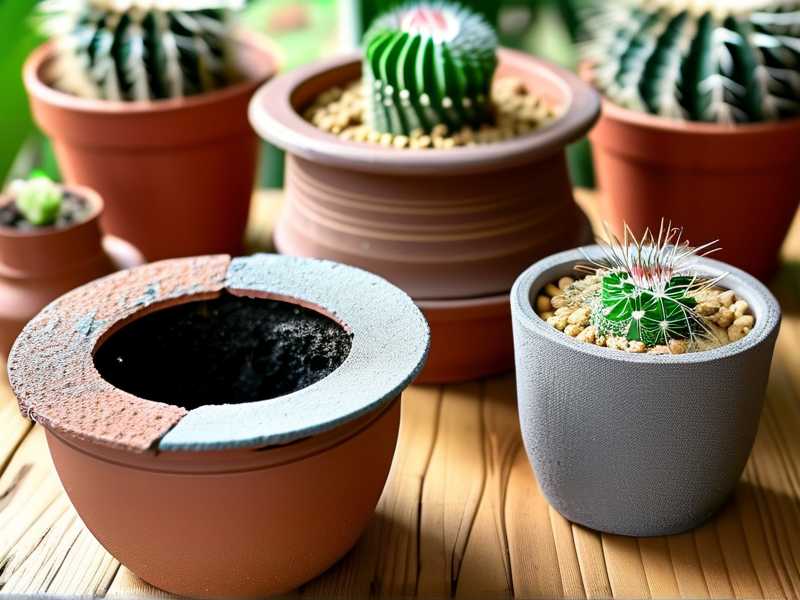
I also learned the hard way that a pot without drainage holes is a death sentence in rainy weather. Water sits at the bottom, roots rot, and the plant collapses from the inside. If your cactus was in a pot without holes, repot it into a terracotta or unglazed ceramic pot with at least one drainage hole. Terracotta breathes and wicks away moisture, which is exactly what a cold-wet cactus needs.
During the two-week observation period, I checked my cacti every morning. Here is what I saw. Days 1 to 3: no change, maybe a little more yellowing. Days 4 to 7: the mushy spots either dried and scabbed over or spread. If they spread, I cut them out with a sterile knife, leaving a clean edge. Days 8 to 14: healthy tissue started to firm up, and new growth appeared at the tips on the ones that had only mild damage. The ones with soft, dark spots covering more than half the plant did not make it. I accepted that and moved on.
Now let me be blunt about the three fatal mistakes new growers make after cold rain.
Mistake one: watering too much. I know it feels counterintuitive, but a cold-stressed cactus cannot take up water. Its roots are semi-dormant. Extra water sits in the soil and causes rot. Remember this line: 90% of indoor plants die from overwatering. That number comes from years of collective experience among growers and is repeated by experts at the RHS and the AHS. Cold rain already gave your cactus too much water. Do not add more.
Mistake two: putting it in the wrong light. After cold damage, some people move the cactus to a dark corner to "rest." That is wrong. Others put it in full blazing sun to dry it out. That is also wrong. Bright, indirect light is the sweet spot. I use a spot near an east-facing window or under a shade cloth outdoors. If the cactus starts turning red or brown on the sunny side, it is getting too much light. Move it back.
Mistake three: using the wrong pot. I cannot count how many times I have seen a beautiful cactus in a glazed ceramic pot with no drainage. It looks nice. It also traps water. After cold rain, that trapped water becomes a breeding ground for fungal rot. Use unglazed terracotta, or at least a pot with a large drainage hole and a saucer you empty after every rain. I switched all my outdoor cacti to terracotta years ago and have not lost one to rain rot since.
Let me share a real failure. I once tried to save a cold-rain-damaged cactus by repotting it into fresh, moist soil. I thought the fresh soil would "revive" it. Instead, the moist soil kept the roots wet, and the plant turned to mush in four days. I killed that cactus with kindness. The lesson: after cold rain, repot into dry soil only, and do not water for at least a week.
Another thing I tried was using a heat mat. I thought warmth would help. It did not. The heat encouraged fungal growth in the damaged tissue. Now I keep recovering cacti at normal room temperature, around 65 to 70°F, with good air circulation. A small fan on low, pointed away from the plant, helps move air without drying it too fast.
What about fertilizer? Skip it. A stressed cactus cannot use nutrients. Fertilizing now can burn the roots and push weak growth that will not survive. I wait at least four to six weeks after recovery before feeding, and then only at half strength.
If you see black or brown mushy spots that are soft to the touch, that is rot. You need to cut it out. Use a sharp, clean knife. Cut into healthy tissue until you see clean white or light green flesh. Let the cut callous over for a few days in a dry, airy spot. Then you can repot the healthy top into dry cactus mix. Do not water for two weeks. This is how I saved a beloved Echinocactus that had rot on one side. I cut away a third of the plant, let it callous, and it rooted again in six weeks.
If the rot has reached the base and the plant is collapsing, it is probably too late. But you can sometimes save the top. Cut it off above the rot, let it callous, and treat it as a cutting. I have done this with a Mammillaria that I thought was a goner. The top rooted and now lives happily in a small pot.
Now, let me answer three questions I get all the time.
Can a cactus recover from cold rain if it is already mushy? Sometimes. If the mush is limited to a small area, cut it out and let the plant dry. If the whole plant is mushy, it is likely dead. But you can try saving the top as a cutting.
How long does recovery take? In my experience, mild damage shows improvement in one to two weeks. Severe damage can take a month or more. Be patient. Do not water during this time.
Should I bring my cactus indoors after cold rain? Yes, but not into a hot, dry room. A cool, dry, bright spot is best. If you bring it into a warm room, the sudden change can shock it. I keep mine in a cool garage or unheated porch for the first week, then move them to a brighter spot.
One last tip. After recovery, do not put the cactus back outside until the rainy season is over. I learned this the hard way. I put a recovered cactus back on the patio after two weeks, and a surprise rainstorm undid all my work. Now I wait until the forecast shows at least ten dry days in a row.
Recovering a cactus after cold rainy weather is mostly about stopping the damage and letting the plant dry out. No water, no fertilizer, no heat. Just dry air, bright indirect light, and a well-draining pot. I have saved cacti that looked like brown mush by doing nothing more than moving them to a dry spot and waiting. You can too. Just remember: the biggest killer is not the cold. It is the water that comes after.