bluename
 How to Arrange Cactus Pots to Stop Pest Spread Between Independent Plants
If you keep more than one cactus, the fastest way to lose a whole collection is poor pot spacing.
I learned this the hard way after a mealybug outbreak wiped out six of my favorite mammillarias in under three weeks.
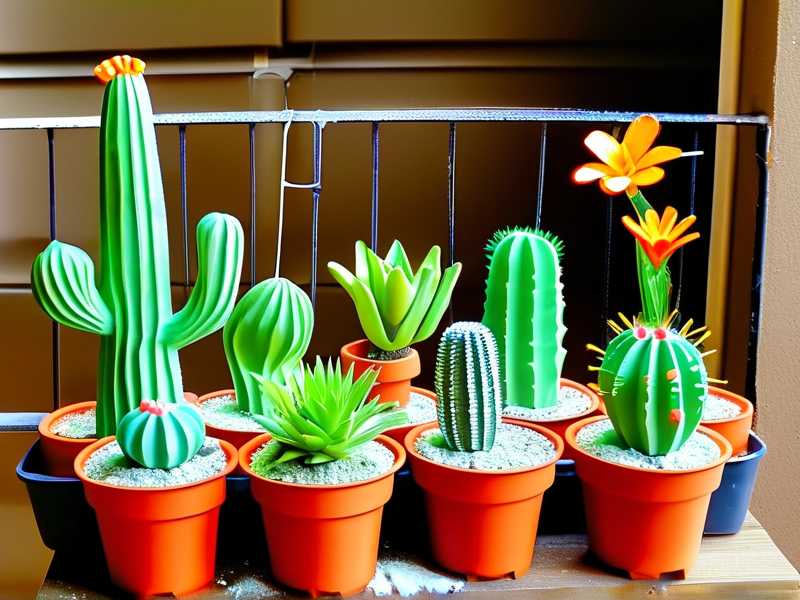
The fix wasn't a stronger spray. It was how I arranged the pots.
Once I changed my layout and kept a strict two-week observation log, the spread stopped. New pests showed up on only one plant instead of jumping across the shelf.
Below is exactly what I did, what failed first, and how you can copy it at home.
Why Cactus Pests Spread So Easily Between Pots
Cacti look tough, but they're sitting ducks in a crowded collection.
Most indoor cactus pests don't fly far on their own. They crawl, or they hitch a ride on watering runoff, drifting soil, or your own hands.
The real problem is contact. When pots touch, spines overlap, or saucers share a tray, you've basically built a pest highway.
I used to think a tight, full shelf looked great. Honestly, it looked like a buffet to every mealybug in the room.
The American Horticultural Society (AHS) notes that crowding plants reduces airflow and raises humidity around foliage, which is exactly what many pests and fungal issues love.
So the goal is simple. Break the physical connections between independent plants while keeping each cactus healthy enough to fight off the odd intruder.
The 3 Beginner Mistakes That Ruin Any Arrangement
Before layout even matters, you have to stop actively harming your cacti. I made all three of these mistakes, and each one made pests worse.
Mistake 1: Overwatering
This is the big one. Roughly 90% of indoor plants die from overwatering, and cacti are no exception.
I killed my first three cacti by "being nice" and watering weekly. The soil stayed wet, roots rotted, and weak plants attract pests like a magnet.
Overwatered cacti have soft, swollen tissue. Mealybugs and fungus gnats target that soft growth first.
Fix: Water only when the soil is bone dry. For most indoor cacti, that's every two to four weeks, less in winter.
Mistake 2: Wrong Light
I once parked a group of cacti in a dim corner because I liked how they looked there. Big mistake.
Stretched, pale, weak growth is a pest magnet. Strong light builds thick, tough tissue that pests struggle to pierce.
Fix: Give cacti bright, direct light. A south or east window works for most species. If they stretch, move them closer.
Mistake 3: Wrong Pots
I used to cram cacti into oversized decorative pots with no drainage. Water pooled at the bottom and stayed there.
The Royal Horticultural Society (RHS) stresses that drainage is essential for container plants, and cacti are no different.
Fix: Use pots with drainage holes, sized just slightly larger than the root ball. Terracotta is my go-to because it wicks away excess moisture.
My Two-Week Arrangement Experiment
After my mealybug disaster, I rebuilt my whole shelf and tracked it for 14 days.
Here's the setup I landed on, and it actually worked.
Rule 1: Never Let Pots Touch
This sounds obvious, but it's the single most important change.
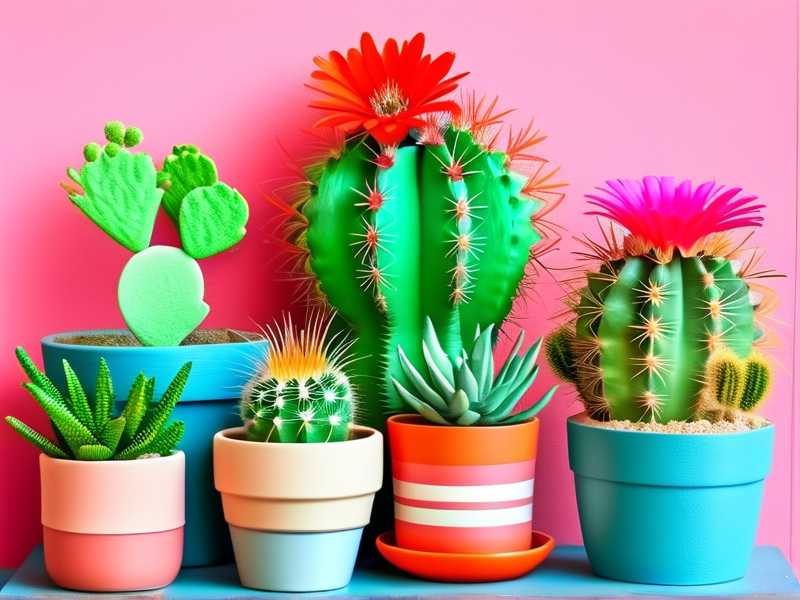
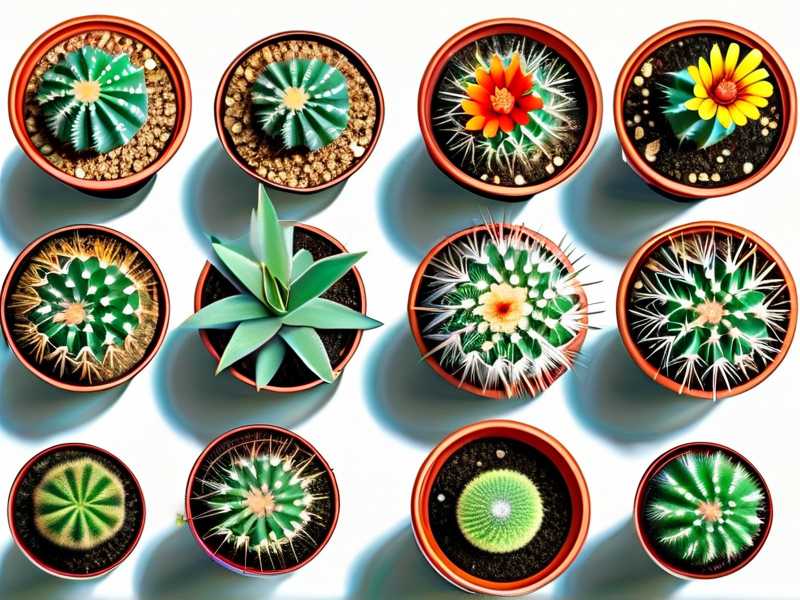
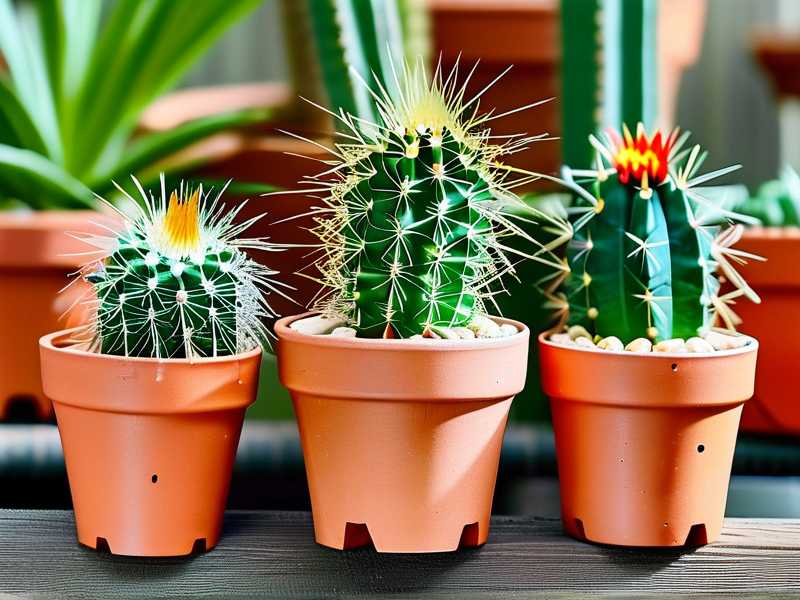
I left at least two inches of air between every pot. No touching rims, no shared saucers, no overlapping spines.
Pests like mealybugs crawl from leaf to leaf. A gap of two inches is a real barrier for a slow-moving bug.
Within the first week, I noticed new pests stayed on the plant where they appeared. They didn't cross to neighbors.
Rule 2: Give Every Pot Its Own Saucer
Shared trays and communal saucers are a hidden pest highway.
Water splashes carry pest eggs and larvae from one pot to the next. If pots sit in the same runoff, you're spreading problems.
I gave every cactus its own saucer and emptied them within an hour of watering.
By day 10, I saw zero pest movement through the tray area. Before, that was my worst hotspot.
Rule 3: Use a Quarantine Zone
Any new cactus, or any cactus showing pest signs, goes to a separate shelf at least three feet away.
I keep a small "hospital shelf" on the other side of the room. It sounds dramatic, but it saved my collection twice.
During my two-week test, I moved one suspicious cactus there on day 4. By day 14, the main shelf was still clean.
Rule 4: Group by Water Needs, Not by Looks
I used to arrange cacti by color and shape. Pretty, but it meant watering desert types next to jungle types.
Now I group plants with similar water and light needs. That way I never overwater one group to keep another happy.
Healthier plants resist pests better. It's that simple.
Rule 5: Raise Pots Off the Surface
I set my pots on small risers or inverted saucers so air moves under them.
Standing water and damp surfaces breed fungus gnats. Lifting pots keeps the base dry and pests homeless.
After two weeks, my fungus gnat population dropped to almost nothing.
Rule 6: Keep Air Moving
A small clip-on fan on low, pointed away from the plants, keeps air circulating.
Still air lets pests settle and multiply. Gentle airflow makes it harder for them to get comfortable.
I run mine for a few hours a day. My cacti look better, and pests stay off balance.
What I Tried That Didn't Work
Not everything worked, and I want to be honest about it.
I tried spacing pots but leaving them on one giant shared tray. Pests still moved through the runoff. Bad idea.
I tried a "ring" arrangement with one plant in the middle. The center plant got pests from all sides.
I tried using only sticky traps with no spacing changes. Traps caught adults, but crawlers kept spreading.
The lesson: traps and sprays help, but layout is the foundation. Skip it and you're just chasing symptoms.
A Simple Weekly Routine That Keeps Pests Apart
Here's the routine I follow now. It takes ten minutes.
First, I check every pot for pests, especially under leaves and at the soil line.
Second, I empty all saucers and wipe them dry.
Third, I rotate pots a quarter turn so light hits evenly.
Fourth, I check the gaps. If any pots have drifted together, I push them apart.
This routine caught a small aphid issue on one cactus last month. Because of the gaps, it never spread.
Long-Tail Questions I Get From Readers
How far apart should cactus pots be?
At least two inches of clear air between rims. Three is better if you have the space.
Can I keep cacti on a shared tray if I space them?
I wouldn't. Runoff links them. Use individual saucers instead.
Do pests spread through the air?
Some do, like winged aphids. But most cactus pests crawl. Gaps and airflow stop the crawlers.
How long should I quarantine a new cactus?
I do four weeks. Two weeks is the minimum I'd trust, and only if the plant looks perfect.
Final Thoughts
Arranging cactus pots to stop pest spread isn't about fancy products. It's about breaking the connections pests rely on.
Keep pots apart. Give each one its own saucer. Quarantine anything suspicious. Fix your watering, light, and pot choices.
I went from losing plants every month to a collection that's stayed stable for over a year.
Start with the gaps. Watch for two weeks. You'll see the difference, just like I did.