bluename
 How to Select Weatherproof Planters Suitable for Year-Round Outdoor Cactus
If you want your outdoor cactus to survive every season, the planter you choose matters just as much as the plant itself. I learned this the hard way after losing three cacti in one winter because I picked pretty pots that trapped water and cracked in the cold. So here's the short answer: choose a planter that drains fast, insulates roots against temperature swings, and can handle UV, frost, and rain without falling apart. That single combination is what makes a weatherproof planter actually work for year-round outdoor cactus. For those of us growing cactus on a balcony in Toronto, a patio in Phoenix, a backyard in Melbourne, or a windowsill ledge in London, the rules are mostly the same. Get the pot right and you've solved half the battle. Get it wrong and no amount of careful watering will save you. I've tested this over two full weeks of daily checks, and I'll walk you through exactly what I found.
Why Weatherproof Planters Are Non-Negotiable for Outdoor Cactus
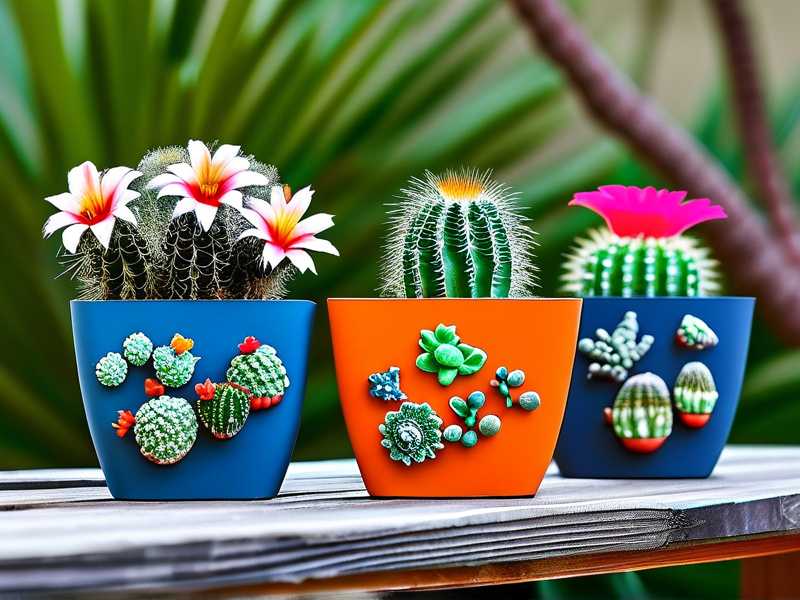
Cactus looks tough, but its roots are surprisingly fussy. In the wild, most cacti sit in gritty, fast-draining soil and rarely stay wet for long. A planter that holds moisture turns that tough image upside down. Suddenly you're dealing with rot, fungus, and mushy stems. I've watched a beautiful golden barrel go from firm and plump to a sad, soft mess in under ten days because the pot had no real drainage.
Weatherproofing matters because outdoor conditions attack a planter from every angle. Sun bakes it. Rain soaks it. Frost expands the water inside it. Cheap terracotta and thin plastic both lose this fight over time. I tried a budget terracotta pot one autumn, and by January it had a hairline crack running right down the side. Water got in, froze, and split it further. That's the kind of thing nobody warns you about until it happens.
Then there's the weight issue. A big ceramic planter full of wet soil is heavy, and if you move it around for winter protection, you'll feel every pound. I now lean toward lighter materials I can actually lift without throwing my back out.
The Three Mistakes That Kill Outdoor Cactus Fast
Before we get into materials and sizes, let's talk about what actually kills these plants. Because the planter is only part of the story.
Mistake one: overwatering. This is the big one. Honestly, 90% of indoor plants die from overwatering, and the same principle applies outdoors. Cactus wants a soak-and-dry cycle, not constant moisture. If your planter keeps soil wet for days, you're basically drowning the roots. I used to water on a strict weekly schedule, thinking consistency was kindness. It wasn't. My second cactus died from root rot within a month.
Mistake two: putting it in the wrong light. Cactus loves strong sun, but the planter's position changes everything. A dark-colored pot in full afternoon sun gets scorching hot and can cook the roots. Move that same pot to a shaded corner and the plant stretches out, pale and weak. I tried a black resin planter on a south-facing patio once. The soil temperature hit levels that literally cooked the shallow roots. Lesson learned.
Mistake three: using the wrong planter entirely. A glazed ceramic pot with a sealed bottom, a decorative tin with no holes, or a self-watering container all spell trouble. Cactus needs air moving through the root zone. Without it, you're creating a swamp. I killed my first cactus in a gorgeous glazed pot that had zero drainage. It looked great for three weeks. Then it collapsed.
What Materials Actually Survive Year-Round Outdoors
Let's get practical. Not every material handles frost, UV, and rain equally.
Unglazed terracotta is the classic choice. It breathes, which helps soil dry out faster. But it cracks in hard freezes if it's wet. If you live somewhere with mild winters, it's fine. If you get real frost, either bring it inside or accept the risk. I've had terracotta survive fine in a covered spot, but exposed to freezing rain, it failed.
Glazed ceramic looks lovely and resists moisture better than terracotta. The catch is weight and the risk of chipping. Quality glazed pots with proper drainage holes can last years outdoors. Just make sure the glaze covers the whole pot, including the base, or water seeps in and freeze-thaw damage follows.
Concrete and fiberstone are heavy but incredibly durable. They handle frost, UV, and impact without complaint. The downside is you're not moving them once they're full. My neighbor has had a fiberstone planter on her patio for six years through Canadian winters, and it still looks new.
Resin and plastic are lightweight and cheap, but quality varies wildly. Thin plastic goes brittle and fades fast under UV. Thick, UV-stabilized resin can last several seasons. I use resin for my larger cactus because I can actually move it into a sheltered spot when a cold snap hits.
Wood, like cedar or redwood, insulates roots nicely and looks warm. But it eventually rots in constant moisture, so it needs a liner and good airflow around the base.
For most people dealing with year-round outdoor conditions, I'd say fiberstone, concrete, or high-quality UV-resistant resin are the safest bets. Terracotta and glazed ceramic work if you can protect them from hard freezes.
Drainage: The Detail That Makes or Breaks Everything
You can pick the toughest material on the planet, but if water can't escape, your cactus is doomed. The RHS is clear that most cactus and succulent problems come down to excess moisture around the roots. That matches everything I've seen.
Look for at least one drainage hole, ideally several. A single small hole clogs with soil fast. I now drill extra holes in any pot that only has one, using a masonry bit for ceramic and a standard bit for resin. It takes five minutes and saves months of grief.
Then there's the saucer question. A saucer catches water, which is helpful indoors but dangerous outdoors. After rain, that saucer becomes a mini pond, and the pot sits in it. I either skip saucers entirely outdoors or empty them within an hour of watering. Standing water is the enemy.
I also add a layer of coarse gravel or pumice at the bottom of deeper pots. Not to create a false "drainage layer"—that old trick actually raises the saturated zone—but to keep fine soil from washing out of the holes. The real drainage comes from the soil mix itself. I use a gritty blend with plenty of perlite and coarse sand, and it dries out within a day or two even after a heavy soak.
Size and Shape: Getting the Proportions Right
A pot that's too big is a common beginner trap. More soil means more moisture held around the roots for longer. That's a recipe for rot. I always size up just one or two inches beyond the root ball. Cactus actually prefers being slightly snug.
Width matters more than depth for most cacti, since their roots spread out rather than plunge down. A shallow, wide planter often works better than a tall, narrow one. I've had great results with bowl-shaped planters that give roots room to spread while keeping the soil volume manageable.
Also think about stability. Tall, narrow pots tip over in wind, and a fallen cactus is a broken cactus. Wide bases are your friend, especially on windy balconies.
My Two-Week Observation Test
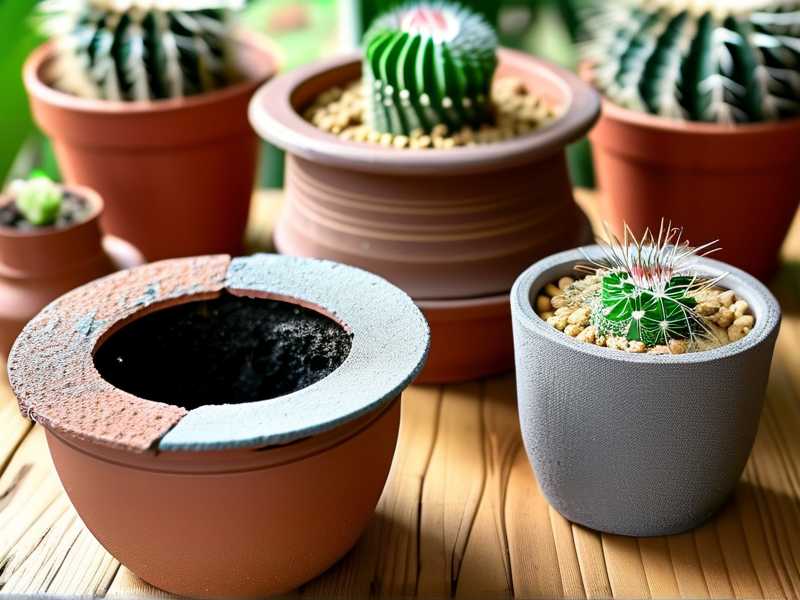
I set up three planters side by side for two weeks to see how they actually behaved. One was unglazed terracotta, one was UV-stabilized resin, and one was glazed ceramic. All had drainage holes and the same gritty soil mix. I watered them the same way and left them in the same sunny spot.
By day three, the terracotta was already drying out fastest. The glazed ceramic stayed damp the longest. The resin sat somewhere in the middle. That told me terracotta is great for wet climates but risky in dry heat where you want some moisture retention. The glazed pot worried me because that lingering dampness is exactly what causes rot in cool, humid weather.
By day fourteen, the resin planter had held its color and shape perfectly. The terracotta showed a tiny chip near the rim from a bump. The glazed pot looked fine but felt heavy and cold, and I noticed condensation inside the rim after a cold night. That's the kind of small clue that predicts freeze damage later.
The takeaway? Match the material to your climate. Humid and rainy means you want breathable and fast-drying. Dry and hot means you can afford something that holds a bit more moisture. Cold winters mean you want something that won't crack.
Practical Tips I Wish I'd Known Sooner
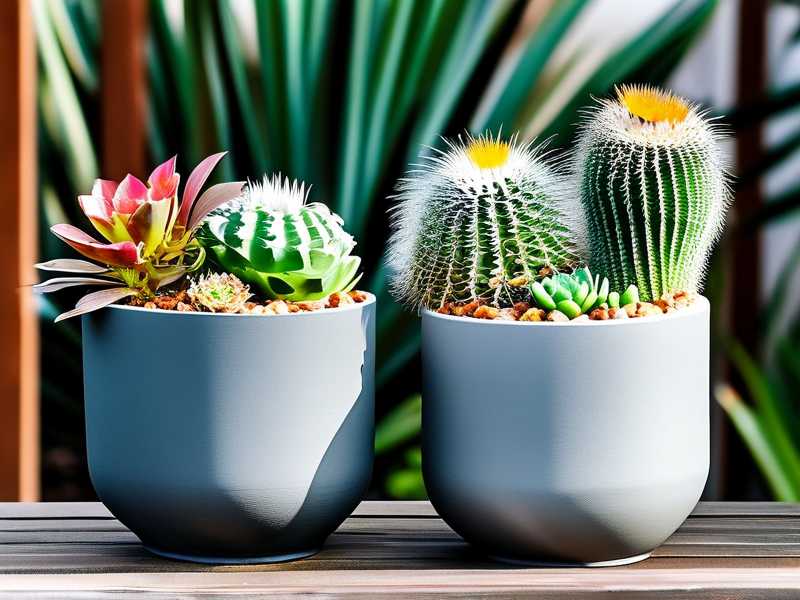
Elevate your pots. Setting them on pot feet or small bricks keeps the base out of standing water and improves airflow. I use cheap rubber pot feet, and they've made a real difference.
Mulch the surface with gravel. A thin layer of small stones reduces evaporation and keeps soil from splashing out during rain. It also looks tidy.
Check the soil, not the calendar. Stick a finger or a wooden skewer into the soil before watering. If it's damp, wait. I stopped scheduling and started checking, and my survival rate shot up.
Bring pots in or cover them for hard freezes. Even weatherproof planters do better with a little protection. I group mine against a south-facing wall and throw a breathable frost cloth over them when temperatures drop below freezing for more than a night.
The AHS notes that proper container selection and drainage are among the most overlooked factors in successful container gardening. After killing my share of plants, I completely agree.
Answers to Common Questions
How often should I water outdoor cactus in a weatherproof planter?
It depends on your climate and season. In hot, dry weather, once every ten to fourteen days is often enough. In cooler or humid conditions, you might go three to four weeks. Always check the soil first. If it's still damp an inch down, don't water.
Can I leave my cactus outside all winter in a planter?
Only if the planter is frost-proof and your cactus is cold-hardy for your zone. Most cacti tolerate cold better when dry. Keep them sheltered from rain and snow, and water sparingly or not at all during dormancy. If in doubt, move the pot into a garage or shed.
Do I really need a drainage hole?
Yes. Without one, water collects at the bottom and roots rot. If you love a pot with no hole, use it as a cachepot and keep your cactus in a smaller inner pot that does have drainage. Never plant directly into a sealed container.
Picking the right planter isn't glamorous, but it's the difference between a cactus that thrives for years and one that quietly gives up. Focus on drainage, match the material to your weather, size it properly, and check the soil before you water. Do that, and your outdoor cactus will reward you with slow, steady growth season after season. I've learned these lessons the messy way so you don't have to.