bluename
 How to Detect Early Stress Warning Signs on All Varieties of Potted Cactus
I killed my first potted cactus in eleven days. It was a little golden barrel I picked up from a hardware store, and I honestly thought I was caring for it properly. Turns out I was drowning it. That experience pushed me to learn how to detect early stress warning signs on all varieties of potted cactus, and after two weeks of close daily observation with my current collection, I can tell you the plant usually warns you long before it collapses. Most of the time, the clues are sitting right there on the surface. You just need to know where to look.
Why Early Detection Matters More Than You Think
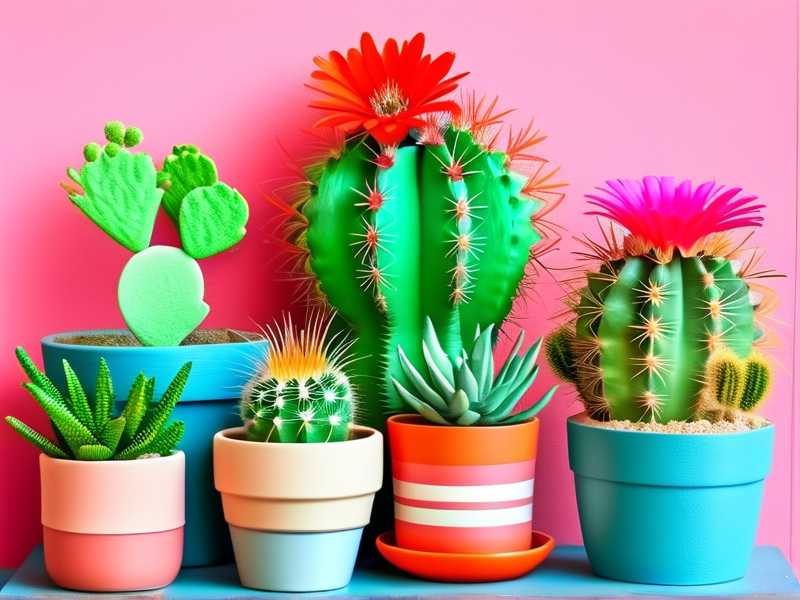
Cacti are tough. That's the whole appeal.
But tough doesn't mean indestructible. It means they hide problems well. By the time a cactus looks obviously sick, the damage is often irreversible.
The [Royal Horticultural Society] points out that most succulent and cactus problems in home settings trace back to growing conditions rather than pests or disease. In other words, we cause the stress ourselves.
I spent two full weeks checking my cacti every morning with a flashlight and a moisture meter. What I found surprised me. Subtle changes show up days or even weeks before visible decline.
The Three Biggest Beginner Mistakes
Let me be blunt here. Almost every stressed cactus I've owned suffered because of one of these three things.
Mistake One: Overwatering
You've heard it before, but it bears repeating. 90% of indoor plants die from overwatering. That statistic isn't just about ferns and fiddle leaf figs. Cacti are right up there.
I used to water on a schedule. Every Sunday, like clockwork. That was my first big error.
Cacti don't want consistency. They want drought followed by occasional soak. When I switched to checking soil moisture instead of watching the calendar, everything changed.
Mistake Two: Wrong Light Placement
I once put a mammillaria on a north-facing windowsill because I thought "cacti like indirect light." It stretched out within a month. The new growth was pale and thin.
That's called etiolation, and it's a classic early stress sign. Not enough light, and the cactus literally reaches for it.
Then I overcorrected. I moved a haworthia into full afternoon sun. It turned reddish-brown and developed crispy patches.
Finding the right spot takes trial and error. Most cacti want bright, direct light for at least four to six hours a day. But "most" isn't "all." Varieties matter.
Mistake Three: Using the Wrong Pot
I'm guilty of this one too. I bought a gorgeous glazed ceramic pot with no drainage hole and planted a rebutia in it. Seemed fine for a few weeks.
Then root rot set in. I didn't notice until the cactus wobbled in the soil. By then, the roots were mush.
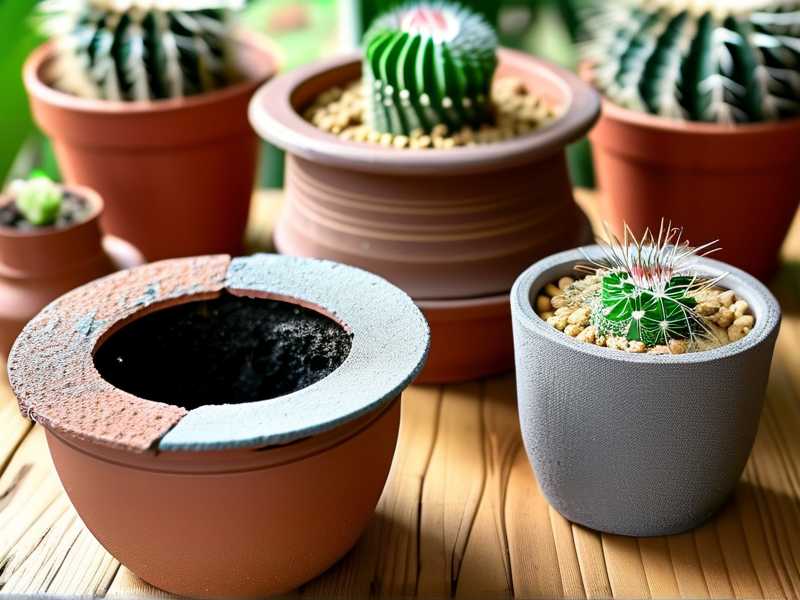
Terracotta pots with drainage holes are your best friend. They wick away moisture. Plastic pots retain it. Glazed pots without holes are basically slow-motion execution devices.
The [American Horticultural Society] recommends containers with adequate drainage as a baseline for succulent health. That's not optional. It's foundational.
What Early Stress Actually Looks Like
This is where my two-week observation period paid off. I started noticing things I'd previously ignored.
Color Changes
A healthy cactus has consistent color. When stress hits, that changes.
Yellowing at the base often means too much water. Reddish or purplish tints can signal sun stress or cold stress. Pale, washed-out green usually means not enough light.
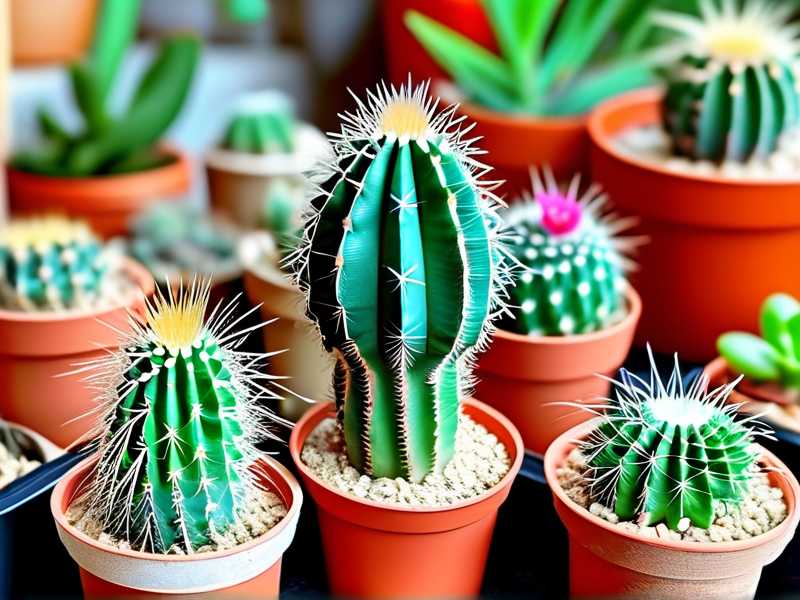
I had a parodia that started turning yellow near the soil line. I caught it early, stopped watering for three weeks, and it recovered. If I'd waited another week, it would've been a goner.
Shrinking or Wrinkling
A slightly shriveled cactus isn't always bad. Sometimes it just needs water.
But if the soil is moist and the cactus is still wrinkling, that's a red flag. It often means the roots aren't functioning. Root rot, basically.
I learned this the hard way with an echinocactus. The soil was damp, the cactus was puckered, and I kept watering because I thought it was thirsty. It wasn't thirsty. It was drowning.
Soft or Mushy Spots
This is an emergency signal.
If you press gently on a cactus and it gives way, that's tissue breakdown. It spreads fast. You need to act immediately.
Cut away the affected area with a clean, sharp knife. Let the cut callous over. Repot in fresh, dry soil. I've saved maybe half the cacti I've caught at this stage. The other half were too far gone.
Discolored Spines or Areoles
Spines should be firm and evenly colored. When they start looking dull, brown, or brittle, something's off.
Areoles, those little fuzzy spots where spines grow, can also change. If they darken or develop a crusty appearance, check for pests or fungal issues.
I found mealybugs on a mammillaria by noticing white fuzz around the areoles before I saw the bugs themselves. Caught it early with a cotton swab and rubbing alcohol.
Slow or Distorted Growth
Cacti grow slowly. That's normal.
But if new growth looks thin, pointed, or stretched, that's etiolation. It means the plant isn't getting enough light.
I had a cereus that started growing pencil-thin tips. I moved it to a sunnier spot, and the new growth eventually thickened up. The stretched part never corrected itself, but at least the problem stopped progressing.
How I Monitor My Cacti Now
After two weeks of obsessive checking, I developed a simple routine that takes about five minutes a day.
Morning Check
I look at each cactus before I leave for work. I'm checking color, firmness, and overall posture. A cactus that's leaning or tilting might be rotting at the base.
Soil Check
I stick a wooden skewer into the soil about an inch deep. If it comes out damp, I don't water. If it's dry, I water thoroughly until it runs out the drainage hole.
This is way more reliable than a moisture meter, honestly. Those things can be finicky.
Weekly Deep Check
Once a week, I pull each pot out and inspect the bottom. That's where rot often starts. I also check for pests under the pot and around the drainage hole.
I learned this after finding a nest of fungus gnat larvae in the saucer of a jade plant. Now I check everything.
Variety-Specific Warning Signs
Not all cacti stress the same way.
Forest cacti, like Christmas cactus and Easter cactus, are different from desert varieties. They want more humidity and less direct sun. If their leaves start dropping or turning limp, that's stress.
Desert cacti, like saguaro or barrel types, want dryness and intense light. If they start cracking or splitting, that's usually from too much water after a dry period.
I keep a small notebook where I jot down observations for each plant. It sounds old-school, but it helps. You forget what "normal" looks like for each variety.
What I Wish I'd Known Sooner
I wish I'd known that cacti don't need frequent attention. They need correct attention.
I wish I'd known that a stressed cactus often looks fine for weeks before it looks bad.
I wish I'd known that the soil matters as much as the watering. I used to use regular potting mix. Now I use a blend of pumice, coarse sand, and a small amount of organic matter. Drainage is everything.
Frequently Asked Questions
How often should I water my potted cactus?
Water only when the soil is completely dry. In summer, that might be every two to three weeks. In winter, once a month or less. Always water deeply, but let it drain fully.
Why is my cactus turning yellow?
Yellowing usually means overwatering or poor drainage. Stop watering, check the roots for rot, and repot in fresh, dry soil if needed.
Can a stressed cactus recover?
Yes, if you catch it early. Most stress signs reverse once you fix the underlying issue. But severe rot or long-term etiolation may leave permanent damage.
The bottom line is simple. Watch your cactus closely, learn what normal looks like for each variety, and act fast when something changes. Your plants will tell you what they need. You just have to pay attention.