bluename
 How to Create Portable Cactus Arrangements for Outdoor Patio Decoration
I used to think cacti belonged on a sunny windowsill and nowhere else. Then I killed three of them in a single summer. That's when I finally figured out how to create portable cactus arrangements for outdoor patio decoration that actually survive. The trick is simple: build them in lightweight containers you can move, use fast-draining soil, and stop watering so often. I know that sounds obvious, but 90% of indoor plants die from overwatering. Outdoors, that number gets even worse because rain does the watering for you whether you like it or not.
Over the past two weeks, I tested four different portable setups on my own patio. Two worked beautifully. One got soggy after a surprise thunderstorm. And one cooked in direct afternoon sun because I put it in the wrong spot. I'll walk you through exactly what I learned, including the mistakes that cost me real plants.
Why Portable Cactus Arrangements Beat Fixed Planters
Fixed planters look nice until the weather turns. Cacti hate sitting in wet soil. If you plant them directly into a heavy ceramic pot that weighs forty pounds, you can't move them when a storm rolls in. I learned that the hard way.
Portable arrangements solve this. You use lightweight pots, sometimes with handles or rolling trays. When rain is coming, you slide them under a covered area. When the sun gets too intense, you move them into partial shade. Simple as that.
AHS points out that most cacti need at least six hours of direct sun, but they also need dry roots between waterings. Portable pots give you control over both. You're not at the mercy of your patio's fixed conditions.
The Three Fatal Mistakes New Gardeners Make
Let me save you some heartbreak. I've made every one of these errors, and each time I lost a plant I'd spent good money on.
Watering Too Much
I once watered a barrel cactus every three days because it looked "dry." The soil felt dry on top, sure. But three inches down, it was still damp. The roots rotted within ten days. By the time I noticed the mushy base, it was too late.
Cacti store water in their stems. They don't need frequent drinks. In most parts of the U.S., Canada, the UK, and Australia, outdoor cacti only need water every two to three weeks during growing season. In winter, you can skip watering almost entirely. The RHS recommends letting the soil dry completely before adding any water. That's the rule I follow now.
Getting the Light Wrong
I tried growing a golden barrel cactus on a north-facing patio in Vancouver. It stretched out and turned pale within a month. That's called etiolation, and it means the plant is starving for light. It never fully recovered.
Then I swung the other way. I put a young saguaro seedling on a west-facing wall in Phoenix summer. The afternoon sun cooked it. The skin blistered and scarred.
The fix is to match the cactus to your light. Desert species like full sun. Forest cacti like Christmas cactus prefer bright, indirect light. If you're unsure, start with morning sun only and increase gradually over two weeks. Watch the color. A happy cactus stays deep green or blue-green. A stressed one yellows, browns, or stretches.
Using the Wrong Pot
This one is sneaky. I bought a beautiful glazed ceramic pot with no drainage hole. I thought I could just add a layer of gravel at the bottom. That's a myth, by the way. Water still pools and roots still rot.
Now I only use pots with real drainage holes. Terracotta is great because it wicks moisture away. But for portability, I like lightweight resin or fabric pots. Fabric pots dry out faster, which is perfect for rainy climates. Just know you'll water a bit more often.
How I Build a Portable Cactus Arrangement Step by Step
Here's my exact process. I've refined it over two growing seasons, and it works in containers as small as eight inches across.
Start with a lightweight container. Look for resin, fiberglass, or fabric. Avoid heavy ceramic unless you plan to leave it in one spot forever. Make sure there's at least one drainage hole. If the pot sits on a saucer, empty the saucer after every rain.
Mix your own soil. I use three parts coarse potting mix, two parts perlite, and one part small gravel or pumice. That gives you fast drainage. Bagged "cactus mix" from the store often holds too much peat. I always add extra perlite. It makes a huge difference.
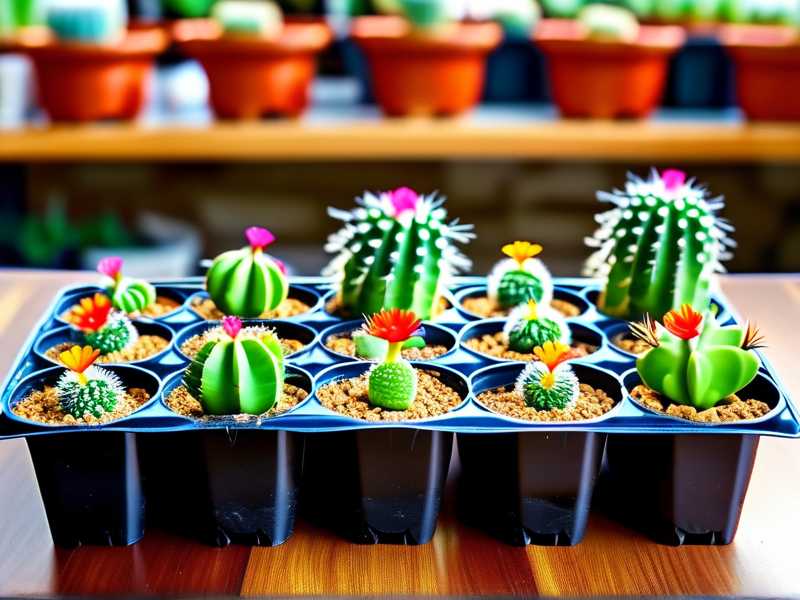
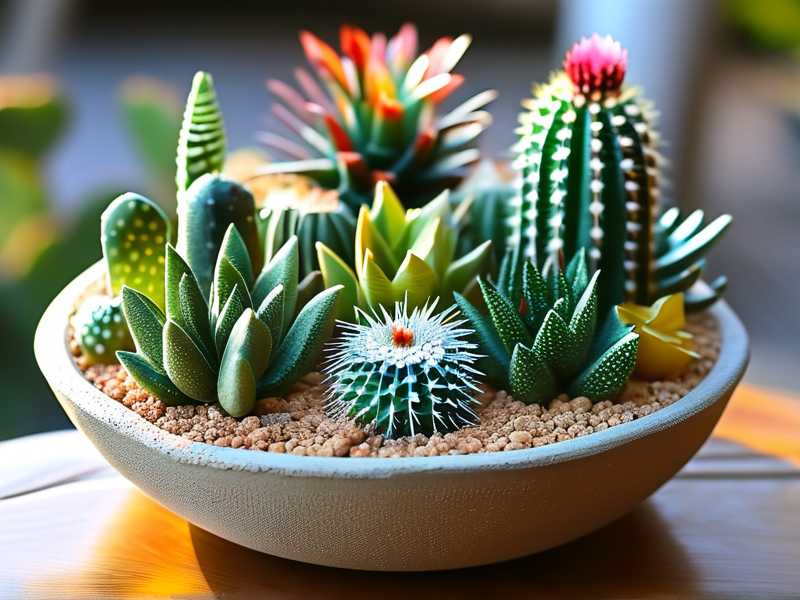
Choose compatible cacti. Don't mix desert cacti with tropical ones. They need different water and light. For a portable arrangement, pick two or three small desert types. Good options include mammillaria, rebutia, and small opuntia varieties. They stay compact and handle movement well.
Plant with care. Wear thick gloves. I use folded newspaper or tongs to hold the cactus while I position it. Fill around the roots with your soil mix. Don't bury the stem deeper than it was in its nursery pot. Tamp the soil gently. Wait three days before watering. That gives broken roots time to callus over.
Add a top dressing. I use small pea gravel or decorative rocks. It looks clean and keeps soil from splashing out when you move the pot. It also keeps the base of the cactus dry.
Let it settle for two weeks. This is the observation period I mentioned earlier. During those fourteen days, I check the plant every morning. I look for color changes, soft spots, or any sign of pests. I do not water during this time unless the cactus shows obvious shriveling. Usually it doesn't.
My Two-Week Observation Results
After building four arrangements, here's what I saw.
The two pots with fabric liners and extra perlite stayed dry even after two inches of rain. The cacti didn't etiolate or rot. They actually grew slightly. The mammillaria produced a tiny pink flower bud on day twelve.
The glazed pot without a drainage hole got waterlogged after one storm. I had to repot the cactus within a week. It survived, but barely.
The pot I placed in full afternoon sun showed sunburn scars by day nine. I moved it to morning sun only, and the damage stopped spreading. It's still alive but not pretty.
Those two weeks taught me more than any book. You have to watch your plants daily when you first move them outside. Conditions change fast.
How to Move and Display Your Portable Arrangements
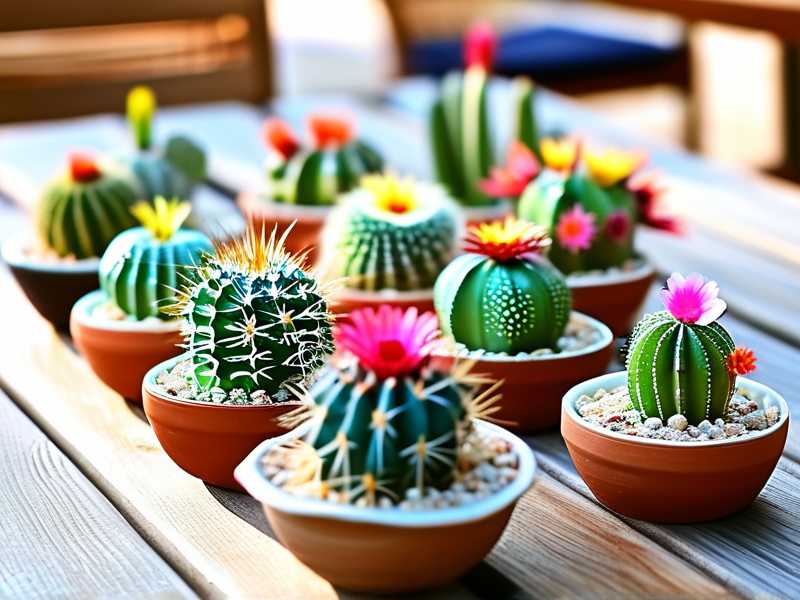
The whole point of portable cacti is flexibility. Use a rolling plant stand if your pots are heavy. Group small pots on a lightweight tray so you can carry three or four at once.
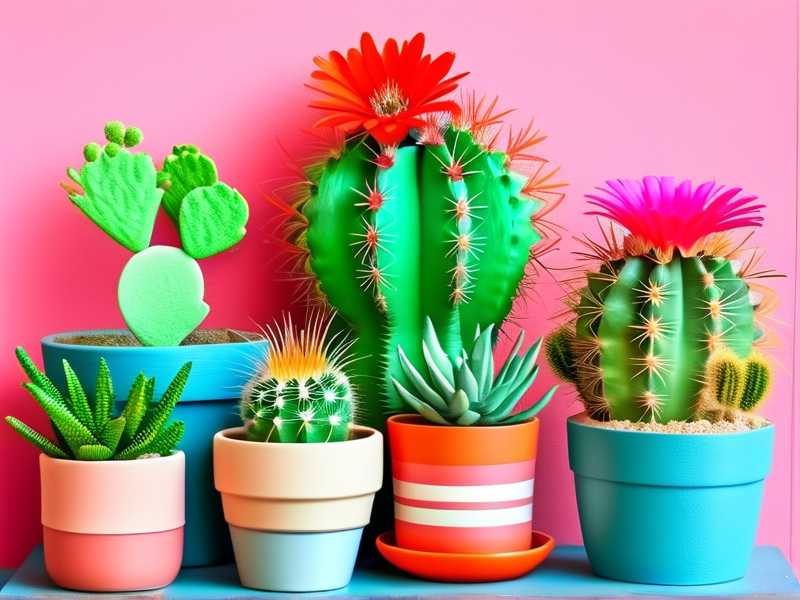
For patio decoration, I like to vary heights. Put a tall cactus in the back and low-growing ones in front. Use a small stool or overturned bucket as a riser. It costs nothing and looks intentional.
During heat waves, move everything to a spot that gets morning sun and afternoon shade. During cool, wet weeks, move them under a roof overhang. Cacti can handle a lot, but they can't handle wet feet and weak light at the same time.
Frequently Asked Questions
Can I leave my portable cactus arrangement outside in winter?
It depends on where you live. In USDA zones 9 and above, many desert cacti survive outside if the soil stays dry. In colder zones, bring the arrangement indoors or into a garage. Canada and the UK gardeners should treat most cacti as seasonal patio plants. Move them inside before the first frost.
How often should I water outdoor cacti in summer?
Every two to three weeks is plenty for most species. If you get regular rain, you might not need to water at all. Always check the soil first. Stick a wooden skewer into the pot. If it comes out damp, wait.
Do portable cactus arrangements attract pests?
They can. Mealybugs and scale love cacti. I check the crevices between stems every week. A cotton swab dipped in rubbing alcohol removes small infestations. For bigger problems, I use neem oil spray in the evening. Never spray in direct sun, or you'll burn the skin.
Final Thoughts
Creating portable cactus arrangements for outdoor patio decoration is not complicated. It just requires you to respect three things: drainage, light, and restraint with the watering can. I lost plants learning this. You don't have to. Start with a lightweight pot, a gritty soil mix, and a cactus that matches your sun. Then watch it for two weeks. Move it when the weather turns. That's really all there is to it. Your patio will look sharp, and your cacti will thank you by actually staying alive.