bluename
 How to Avoid Overwatering Young Cactus Seedlings Inside Propagation Trays
Let me give you the short answer right away: stop watering on a schedule. Water only when the soil surface is bone dry, and even then, less than you think. I killed three trays of cactus seedlings before I figured this out. The fix is simpler than most people expect, and it takes about two weeks to see real results.
Overwatering young cactus seedlings inside propagation trays is the number one way home growers wipe out an entire batch. I've done it. More than once, honestly. The tricky part is that seedlings don't show damage immediately. By the time they look sick, the roots are already gone.
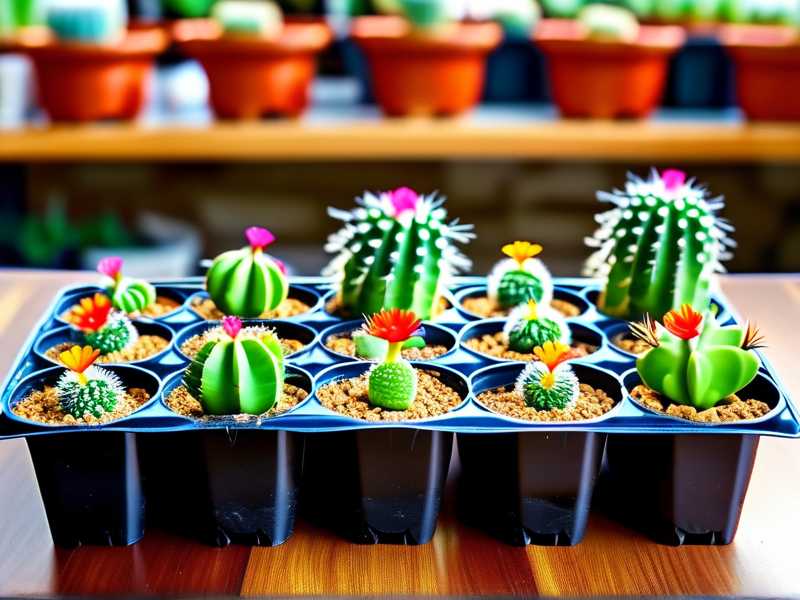
If you're growing cactus seedlings indoors, this guide is for you. I'll walk you through what actually works, based on my own trial and error across multiple growing seasons.
Why Cactus Seedlings Are So Easy to Drown
Cactus seedlings are not tiny versions of adult cacti. They're fragile, and their root systems are barely developed.
In the first few weeks after germination, those roots are thin like threads. They can't handle sitting in wet soil. Not even for a day or two.
The RHS notes that most cacti and succulents are far more tolerant of drought than excess moisture. That's true for adult plants, and it's even more true for seedlings.
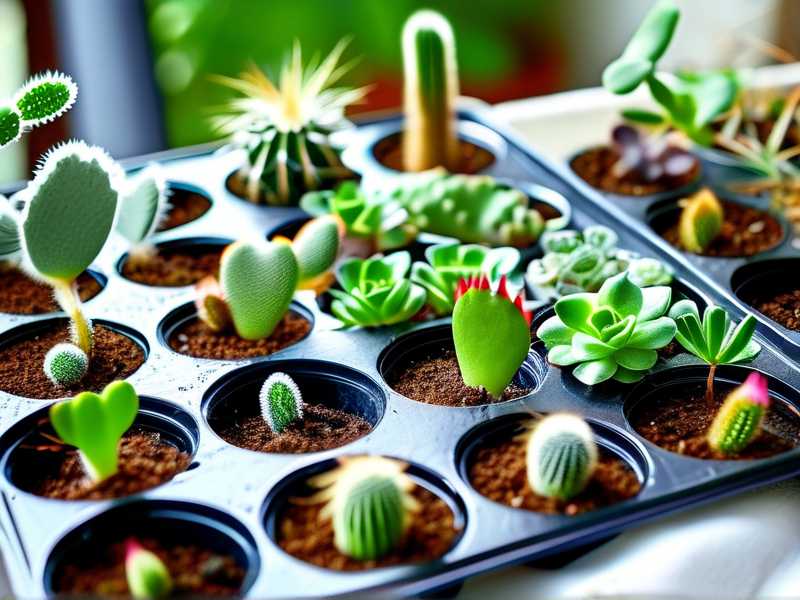
I learned this the hard way. My first tray of golden barrel cactus seedlings looked fine for about ten days. Then they turned pale, went soft at the base, and collapsed within 48 hours. Damping off. Classic overwatering damage.
The Real Problem: Propagation Trays Hold Water
Here's something most beginner guides skip. Propagation trays are designed to retain moisture. That's their whole purpose.
They have no drainage holes in many designs. The cells are shallow. There's nowhere for excess water to go.
So when you mist those seedlings "just a little," that water sits right at the root zone. Day after day.
I switched to trays with drainage holes after my second failure. That alone cut my seedling loss by half. If your trays don't have holes, poke some in the bottom with a hot nail. Seriously, do it.
Signs You Are Already Overwatering
It's not always obvious. But these are the signals I've learned to catch early:
- Seedlings look swollen or translucent
- The base of the stem turns brown or mushy
- Soil stays dark and wet for more than a day
- A fuzzy white or gray mold appears on the surface
- Seedlings topple over without any visible cause
I check my trays every morning with a small LED flashlight. Sounds fussy, but it helps me spot problems before they spread.
A coworker of mine who grows trichocereus from seed told me she lost an entire 50-cell tray in one weekend because she watered on a Friday and didn't check until Monday. That's how fast it happens.
The 2-Week Observation: What I Changed and What Happened
Two weeks ago, I started a fresh batch of saguaro seedlings in a 36-cell tray. This time, I did three things differently.
First, I used a tray with drainage holes. Second, I bottom-watered only when the soil was completely dry. Third, I kept a small fan running on low for two hours a day.
By day four, the soil surface was dry to the touch. I waited one more day. Then I added water to the bottom tray and let the cells wick up moisture for about 15 minutes.
By day seven, the seedlings were visibly plumper and greener. No mold. No collapse.
By day fourteen, I hadn't lost a single seedling. Compared to my earlier attempts where I'd lose 30–40% by week two, this was a massive difference.
The key takeaway? Less water, better airflow, and patience.
Three Mistakes That Kill Cactus Seedlings
After killing more trays than I want to admit, I've narrowed it down to three fatal errors.
Mistake One: Watering Too Much and Too Often
This is the big one. 90% of indoor plants die from overwatering. I've seen that stat repeated by growers and extension services alike, and it matches my own experience perfectly.
New growers tend to equate "caring" with "watering." But cactus seedlings don't need much. In a closed tray with high humidity, they can go days without any added water.
What I do now: I lift the tray and feel the weight. If it's heavy, I wait. If it feels light and the surface is dry, I water from the bottom.
I also stopped using a spray bottle. Misting creates a wet surface layer that encourages mold. Bottom-watering keeps the surface drier while still giving roots moisture.
Mistake Two: Getting the Light Wrong
Sounds odd to list light under an overwatering article. But light directly affects how much water seedlings use.
If your seedlings are in low light, they grow slowly and use almost no water. The soil stays wet. Root rot sets in.
If they're in harsh direct sun, they stress and weaken. Stressed seedlings are more vulnerable to fungal problems that wet soil encourages.
I keep my trays under a 6500K fluorescent shop light, about 6 inches above the seedlings. That gives bright, consistent light without baking them. Since I made that switch, the soil dries more evenly and I water less often.
The AHS recommends starting cactus seeds in bright, indirect light and gradually increasing exposure. That approach has worked well for me.
Mistake Three: Using the Wrong Container
I mentioned propagation trays already. But this goes further.
Some trays have deep cells that hold way more soil than seedlings need. More soil means more water retention. And more chances for problems.
I now use shallow trays — no more than 2 inches deep — with drainage holes. The soil volume is small, so it dries faster and I have more control.
I also tried growing seedlings in small terracotta pots inside a humidity dome. That worked too, but the terracotta dried out faster than plastic, which meant I had to water more often. It's a trade-off. For beginners, I'd stick with shallow plastic trays and a clear dome.
It took me four dead trays to figure out the container thing. Don't be like me.
What Soil Mix Works Best
I've experimented with several mixes. The one that works best for me is simple:
- 50% coarse perlite
- 30% potting soil (sterile)
- 20% coarse sand
This mix drains fast but holds just enough moisture for tiny roots. It also dries out within a day or two on the surface, which is exactly what you want.
I've tried peat-heavy mixes. They stay wet too long. I've tried pure sand. It dries too fast and the seedlings struggle. The blend above has been my go-to for the past two seasons.
A Quick Word on Humidity Domes
Yes, cactus seedlings need humidity in the beginning. But there's a difference between humid air and soaked soil.
I crack the dome open for an hour or two each day once the seedlings are a week old. This exchanges stale, moist air for fresh air. It also helps prevent mold.
By week three, I remove the dome entirely during the day and only put it back at night if the room is very dry.
This gradual weaning process strengthens the seedlings and reduces their dependency on constant moisture. When I skipped this step, I ended up with weak seedlings that couldn't handle normal room conditions.
A Simple Watering Routine That Works
Here's what I follow now. It's not complicated.
- Check the soil every morning. Stick your finger in or use a toothpick.
- If the top half-inch is dry, check the tray weight.
- If the tray feels light, bottom-water for 10–15 minutes.
- Remove any standing water immediately after.
- Don't water again until the soil is dry.
That's it. No schedule. No guessing.
During the first two weeks, I watered maybe three times total. That's it. And the seedlings thrived.
Frequently Asked Questions
How often should I water cactus seedlings in propagation trays?
Only when the soil surface is dry and the tray feels light. In a humid tray, that might be every three to five days. Sometimes longer. Never water on a fixed schedule.
Can cactus seedlings recover from overwatering?
Sometimes. If the roots haven't fully rotted, you can save them by stopping all watering, increasing airflow, and letting the soil dry completely. I've saved a few this way, but the success rate is low. Prevention is far easier.
Should I use a humidity dome the whole time?
No. Use it for germination and the first week or so. Then start cracking it open daily. By week three or four, remove it during the day. This helps seedlings adjust to normal humidity and prevents mold.
Growing cactus seedlings doesn't have to be a losing battle. The biggest shift for me was learning to do less. Less water, less fuss, less interference. Once I stopped drowning my seedlings, everything changed. If you're struggling right now, dry things out, improve airflow, and give it two weeks. You'll see the difference.