bluename
 How to Clean Debris Trapped Deep Inside Dense Multi-Stem Cactus Clusters
If you've ever owned a dense multi-stem cactus cluster, you know the frustration. Dust, dead bugs, dried flower remnants, and random grit get wedged between stems that are practically fused together. You can't just blast it with water—that causes rot. You can't ignore it either, because debris traps moisture and invites pests. Learning how to clean debris trapped deep inside dense multi-stem cactus clusters takes patience and the right tools. I've killed three cacti figuring this out. Here's exactly what works, what doesn't, and how I finally got a clean cluster without damaging it.
Why Debris in Tight Cactus Clusters Is a Real Problem
Most people don't realize how much junk accumulates in a multi-stem cactus. The tight crevices between stems create perfect traps. Dust settles. Dead scale insects stick to the surfaces. Fallen spines and dried blooms collect like tiny compost piles.
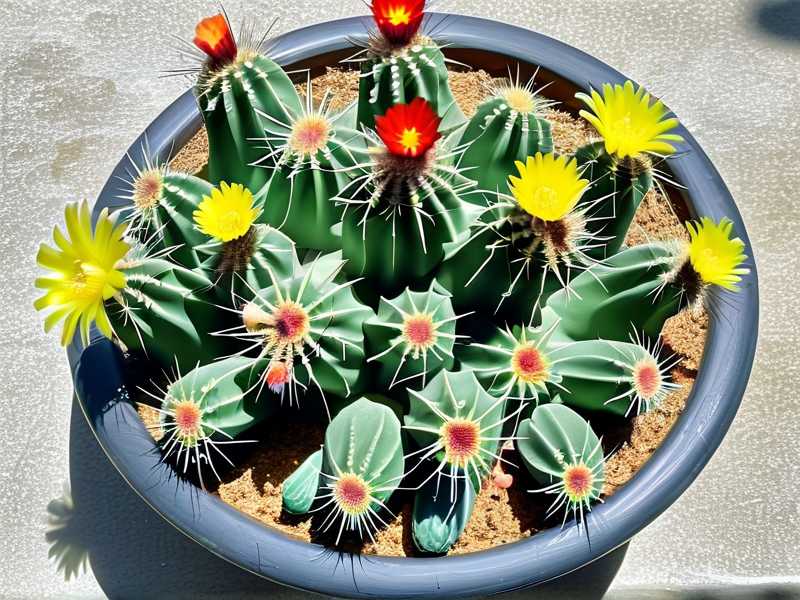
I once pulled a two-inch layer of compacted debris out of a golden barrel cluster. It smelled musty. That's a sign of trapped moisture. And trapped moisture in a cactus cluster is a direct path to bacterial rot.
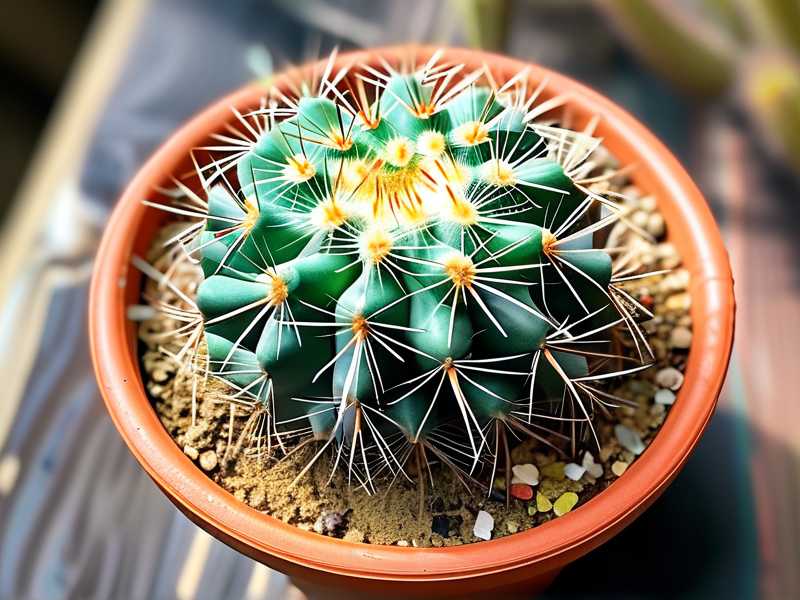
The Royal Horticultural Society (RHS) consistently warns that poor air circulation around cactus stems is a leading cause of fungal issues. When debris blocks airflow, you're basically creating a mini greenhouse inside your plant. Not the good kind.
The American Horticultural Society (AHS) also notes that pest management in succulents starts with basic sanitation. Clean plants resist pests better. It's that simple.
The Real Risk Isn't Just Looks
A dirty cactus cluster isn't just ugly. That debris holds moisture against the stem tissue. It also gives mealybugs and spider mites a place to hide. You spray, you think you've solved it, but the pests just retreat deeper into the cluster.
I learned this the hard way with a mammillaria cluster. I treated for mealybugs three times. They kept coming back. Finally I pulled the plant out and found a golf-ball-sized wad of dead spines and old soil packed between two main stems. The bugs were living in there rent-free.
So cleaning isn't cosmetic. It's preventative healthcare for your cactus.
The Tools I Actually Use (After Wasting Money on Others)
Let me save you some trial and error. I've bought fancy cactus cleaning kits. Most were useless. Here's what actually works.
Soft-bristle detailing brush. Think makeup brush or a clean paintbrush. The bristles need to be soft enough not to scratch the waxy skin. I use a retired blending brush from my wife's makeup kit. She wasn't thrilled. But it works perfectly.
Long wooden skewers. The thin ones for kebabs. These let you reach between stems without your fingers getting impaled. I blunt the tips slightly with sandpaper so they don't stab the cactus tissue.
Rubber air blower. The kind photographers use for camera lenses. It gives you a controlled puff of air. Much safer than canned air, which can blast freezing propellant onto the plant.
Tweezers with fine tips. For pulling out embedded debris. Not the blunt kitchen kind. You want precision.
Isopropyl alcohol in a spray bottle. For sterilizing tools between uses. Also helps dissolve sticky sap residue.
A small hand vacuum with a brush attachment. This is my secret weapon. More on this below.
Don't use toothpicks. I tried. They snap off inside the cluster and then you've got a new problem. Don't use metal dental picks either—they scratch the epidermis and create entry points for infection.
Step-by-Step: How I Clean Deep Debris from Multi-Stem Cactus Clusters
This process took me about two weeks to refine on a heavily overgrown echinocereus cluster. I'll walk you through exactly what I did and what I observed.
Step 1: Prep the Plant and Your Workspace
Move the cactus to a well-lit area. Natural sunlight is best because it reveals debris you'd miss under artificial light.
Lay down newspaper or a tray. You'll be surprised how much falls out.
Put on gloves. Not for the cactus's protection—for yours. Even "soft" spines on multi-stem clusters can leave tiny barbs in your skin. I spent an hour once picking invisible spines out of my knuckles. Zero stars.
Step 2: Dry Removal First—Always
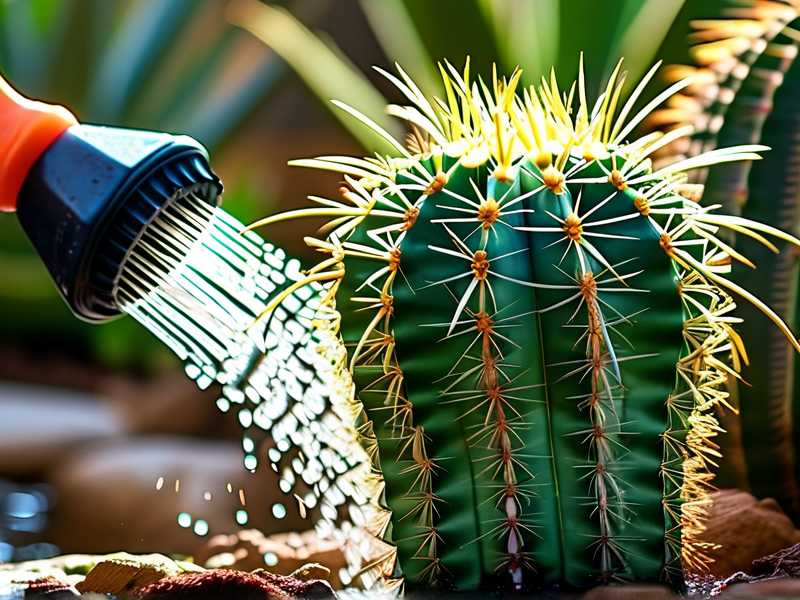
This is the mistake I see most often. People grab a spray bottle and start misting to "loosen" debris. Wrong move.
Water plus organic debris equals mold. Always start dry.
Use your soft brush to sweep the accessible surfaces. Work from the top of the cluster downward. Let gravity help you.
For deeper crevices, switch to the wooden skewer. Gently work it into the gaps. Don't jab. Just nudge debris loose. Think of it like flossing—slow, deliberate movements.
Step 3: The Air Blower Method
This changed everything for me.
Position the nozzle of your rubber air blower about an inch from the gap between stems. Squeeze firmly. Short bursts work better than long blasts.
You'll see dust and fine debris puff out. Rotate the plant and repeat from different angles.
I did this every other day for two weeks on my worst cluster. By day four, I was still getting dust clouds. By day ten, the air came out clean. That told me the deep stuff had finally worked loose.
Step 4: Vacuum the Remaining Loose Debris
This is the step most guides skip. After brushing and blowing, there's still stuff sitting in the crevices. A tiny hand vacuum with a soft brush head lifts it out without scratching.
Use the lowest suction setting. Hold the brush attachment right at the gap. Let it pull the debris out.
I use a rechargeable handheld vacuum I bought for keyboard cleaning. It's gentle enough for cactus work. Just don't press the brush hard against the plant.
Step 5: Targeted Moisture—Only If Needed
Sometimes debris is stuck because of dried sap or sticky insect residue. In that case, dampen a cotton swab with isopropyl alcohol. Not water. Alcohol evaporates fast and disinfects.
Gently roll the swab along the debris. Don't scrub. Let the alcohol do the work.
I only needed this step on two spots in my entire cluster. Both had old mealybug residue that had hardened like glue.
Step 6: Inspect and Repeat
Here's the honest truth: one session won't fix a badly neglected cluster. I checked my plant every day for two weeks. Each time, I found a little more debris working its way out from deep pockets.
By the end of week two, the cluster looked completely different. Air could move between the stems. No musty smell. No visible pest activity.
The Three Mistakes That Kill Most Cactus Clusters
I've made all three of these. Let me save you the heartbreak.
Mistake 1: Overwatering
You've heard it before, but it bears repeating: 90% of indoor plants die from overwatering. That includes cacti. When debris is present, overwatering is even more dangerous because the debris holds moisture against the stem.
I killed my first echinopsis cluster this way. I thought I was being attentive. I was actually drowning it. The rot started at the base where debris had collected and stayed wet.
Fix: Water only when the soil is completely dry. And never water a cactus that has visible debris packed around its stems. Clean first.
Mistake 2: Wrong Light Conditions
Multi-stem cacti need bright, direct light to grow compact and healthy. When they're in low light, they stretch. That stretching opens up gaps between stems where debris falls in more easily.
I had a cluster on a shaded shelf for six months. It etiolated badly. The gaps between stems widened. Debris accumulation tripled.
Fix: Give your cactus at least six hours of direct sun. South-facing windows in the northern hemisphere work well. If you're in a cloudy climate, use a grow light.
Mistake 3: Using the Wrong Pot
Cacti in plastic pots with no drainage are ticking time bombs. Water sits at the bottom. Debris sits on top. The whole situation is a rot factory.
I switched all my clusters to unglazed terracotta with drainage holes. The difference was night and day. Terracotta wicks moisture away from the soil. It dries faster. Less rot risk.
Fix: Use terracotta or ceramic pots with at least one drainage hole. Add a layer of gravel at the bottom if you're in a humid climate.
What Two Weeks of Consistent Cleaning Actually Looks Like
I want to be real with you. Cleaning a dense cactus cluster isn't a one-afternoon project. Not if the debris is deep.
Day 1-2: Surface debris removed. Air blower produces visible dust clouds. Day 3-5: Deeper debris starts loosening. You'll see small bits fall out after each session. Day 6-8: Air blower output is noticeably cleaner. Pest activity drops. Day 9-11: Only occasional debris. The cluster starts looking visibly healthier. Day 12-14: Clean air output. No musty smell. Stems look brighter.
I also noticed my cactus started growing new spines at the tips by week two. That told me airflow had improved enough for active growth.
How to Prevent Debris Build-Up Going Forward
Cleaning is a pain. Prevention is easier.
Check your cluster every two weeks. A quick brush and air blow takes five minutes. It stops debris from compacting.
Keep the area around your cactus clean. Don't place it near a vent or an open window where dust blows in.
Repot every two to three years. Old soil breaks down and becomes part of the debris problem.
And honestly? Don't overcrowd your cacti. I used to pack them together because it looked impressive. But tight spacing means less airflow. Less airflow means more debris accumulation. Now I give each cluster its own space.
FAQ
How often should I clean my multi-stem cactus cluster?
Every two weeks for a quick once-over. A deep clean every two to three months, or whenever you see visible debris between stems. If your cactus is outdoors, check after windy days or rain.
Can I use water to flush out debris from deep crevices?
No. I know it seems logical, but water makes debris clump and stick. It also creates a moist environment for mold and rot. Stick with dry methods: brushing, air blowing, and vacuuming. Only use isopropyl alcohol on a cotton swab for stubborn sticky spots.
What if I can't reach the debris no matter what tool I use?
Sometimes debris is wedged so tight that removal isn't possible without damaging the plant. In that case, focus on airflow. Use the air blower regularly to prevent moisture from settling. If the debris is causing active rot, you may need to consider surgical removal of a stem to access the area. That's a last resort. Consult a local cactus specialist if you're unsure.
Final Thoughts
Cleaning debris from a dense multi-stem cactus cluster isn't glamorous. But it's one of the most important things you can do for your plant's health.
The tools matter. The technique matters. But consistency matters most. Two weeks of daily attention transformed my worst cluster from a musty rot risk into a thriving plant.
Don't wait until you see rot. Start cleaning today. Your cactus will thank you.