bluename
 How to Choose Cactus Species for Rock Gardens: A Hands-On Guide from a Fellow Plant Lover
I’ve always loved the rugged, low-maintenance beauty of rock gardens. But for years, my attempts to integrate cacti into them ended in disappointment. Either the plants looked out of place, grew lopsided, or worse, simply rotted away. The core problem wasn’t my care routine; it was my selection process. I was choosing cacti based on looks alone, not on whether they were truly suited for life among stones. If you’ve ever wondered which cacti will actually thrive, not just survive, in your rock garden, you’re in the right place. This guide is born from my own trial, error, and a dedicated two-week experiment to crack the code on selecting the perfect cactus species for rock gardens.
My journey shifted from failure to success when I started focusing on three key pillars: understanding the unique micro-environment a rock garden creates, matching cactus traits to that environment, and finally, executing a thoughtful planting and acclimation process. Let me walk you through exactly what I learned.
Decoding Your Rock Garden's Micro-Environment
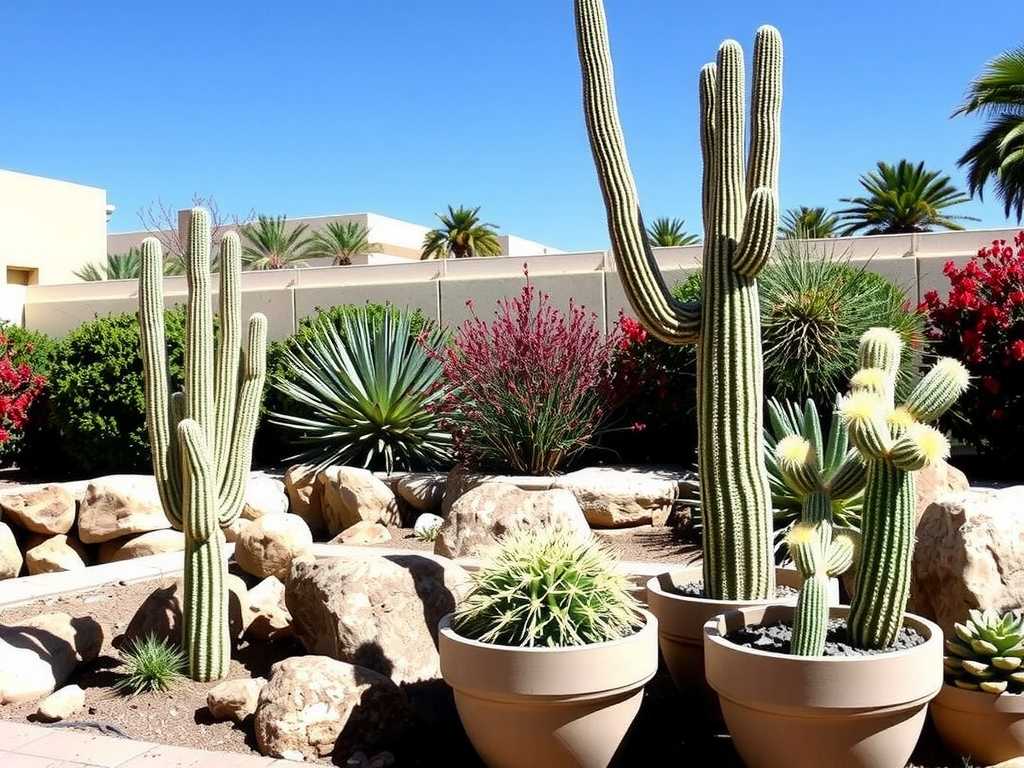
Before you buy a single plant, you need to become a detective in your own garden. A rock garden isn’t just regular soil with rocks on top; it’s a distinct habitat.
Sun Exposure and Heat Retention Rocks, especially dark ones, absorb heat during the day and release it slowly at night. This creates a warmer microclimate, sometimes significantly hotter than the surrounding soil. I used a simple soil thermometer for two weeks to track this. In my full-sun rockery, temperatures at the soil surface between rocks were a consistent 10-15°F (5-8°C) higher than in my standard flower beds at midday. This “oven effect” is fantastic for heat-loving cacti but can scorch species that prefer milder conditions.
Drainage: The Non-Negotiable Factor This is arguably the most critical aspect. Proper rock garden construction involves gritty, fast-draining soil. During an unexpected heavy rain, I monitored how quickly water disappeared. While my setup drained well, I noticed small pockets where water pooled briefly near larger, flat rocks. These became my “caution zones” where only the most drainage-tolerant cacti would be placed. The Royal Horticultural Society (RHS) emphasizes that for most cacti, “sharp drainage is essential,” and saturated roots are a death sentence.
Soil Composition and pH Most cacti crave a lean, mineral-rich soil. My rock garden mix was 50% coarse sand, 25% pea gravel, and 25% native soil. A simple pH test kit showed it was slightly alkaline (around 7.5), which many desert cacti prefer. Understanding your baseline helps you avoid plants that need acidic, humus-rich conditions.
Selecting Cacti: Form, Function, and Hardiness
With my garden’s profile mapped, I moved to selecting plants. I focused on species that met specific criteria for success.
Prioritizing Cold-Hardy Species for Outdoor Success Unless you live in a perpetually warm climate, winter hardiness is crucial. I looked for species reliably hardy to at least one USDA zone colder than my own for a safety buffer. The American Horticultural Society (AHS) plant heat-zone map can also be a useful tool for understanding summer stress tolerance. This research phase prevents the heartbreak of losing a beautiful cactus to a surprise frost.
Growth Habit and Aesthetic Integration Consider how the cactus will grow among the rocks.
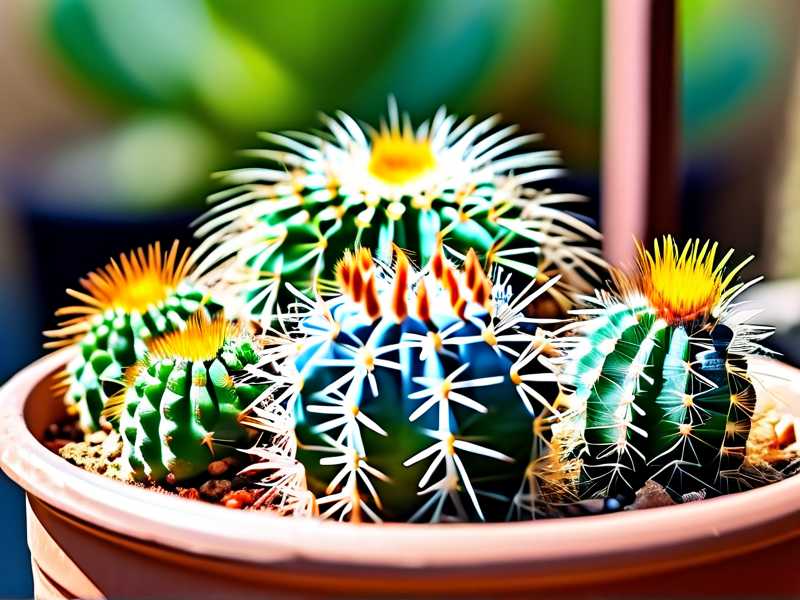
- Clump-Forming & Mat-Forming Cacti: These are rock garden superstars. They spread gradually, spilling over and between stones, creating a natural, anchored look. They help suppress weeds and stabilize the soil. My top performers were various Mammillaria (Pincushion Cactus) and Echinocereus (Hedgehog Cactus) species.
- Globular and Barrel Cacti: These provide fantastic focal points. Place them strategically where their form can be appreciated, like the crest of a slope or nestled in a rocky nook. Ferocactus (Barrel Cactus) and Echinopsis species work well, but always double-check their mature size and cold tolerance.
- Columnar Cacti: Use these sparingly as dramatic vertical accents. Smaller, cold-hardy columnars like some Cleistocactus or Trichocereus species can be stunning. I learned the hard way that a tall, thin cactus planted in loose, rocky soil may need a deeper planting hole and even a hidden stake for support until its roots establish.
Root System Compatibility Shallow, fibrous root systems often adapt better to the limited soil depth of a rock garden than cacti with huge, taproots that need deep soil to anchor. This was a key “aha!” moment for me. When repotting new purchases, I gently examined the root structure to predict how it might behave in my rocky terrain.
My Two-Week Planting and Acclimation Experiment
Theory is great, but practice is everything. I purchased six different cactus species and implemented a careful process, observing them closely for two weeks.
Step 1: The Pre-Planting Health Check & “Pots and Spots” I inspected each plant for pests, mushy spots, or damage. Instead of planting immediately, I placed each still-in-its-nursery-pot cactus in its intended spot in the rock garden. This “pots and spots” phase lasted three days. It allowed me to see how the light and heat actually affected them and to make final adjustments to my layout. One Mammillaria started to show slight yellowing on its sunward side—a sign it might need a spot with very light afternoon shade.
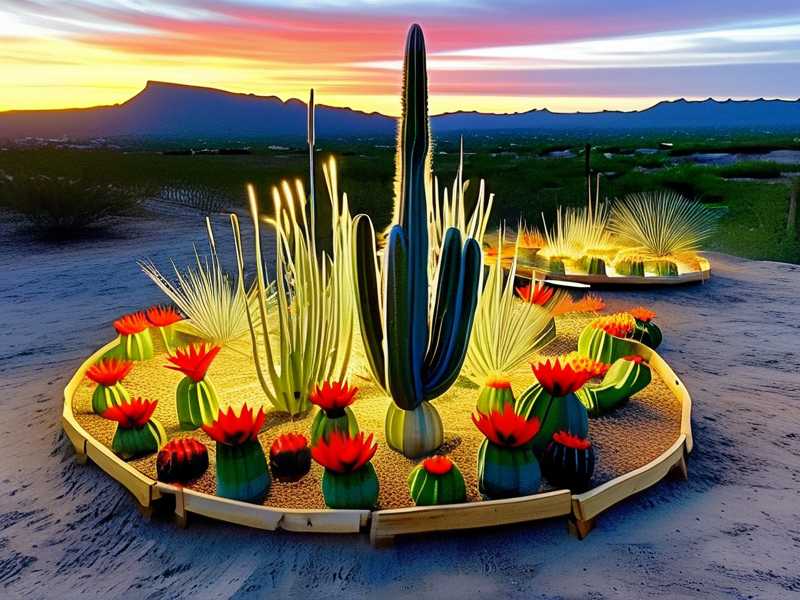
Step 2: Mastering the Planting Technique I dug holes wider, but not necessarily deeper, than the root ball. The magic step was backfilling with my gritty mix, ensuring no air pockets remained. I planted each cactus slightly higher than the surrounding soil to encourage water to run off the crown. A top-dressing of small, decorative gravel completed the planting, which helps keep the base dry and looks cohesive.
Step 3: The Critical Acclimation and Watering Protocol Here’s where I’d failed before. Freshly planted cacti in a hot, rocky environment need careful introduction. I gave them a deep, initial watering to settle the roots, then began a cautious observation period. I did not water again on a schedule. Instead, I used a moisture probe and watched for signs of thirst (slight wrinkling or less firm flesh). The two-week observation was vital. One Ferocactus showed no sign of needing water, while a smaller Echinocereus began to wrinkle slightly after 10 days of intense sun and was given a modest drink. This tailored approach is far better than a one-size-fits-all watering rule.
The Pitfalls I Encountered (And How to Fix Them)
- The “Soggy Pocket” Problem: I mentioned those drainage caution zones. I initially planted a Gymnocalycium in one. After a rain, it stayed damp for days. Solution: I carefully relocated it to a higher, sloped part of the garden. For unavoidable lower spots, use only exceptionally drainage-tolerant species or consider adding a subsurface layer of crushed stone.
- Sunburn on “Nursery-Soft” Plants: A cactus bought from a shaded greenhouse shelf can scorch. One of my acquisitions developed a pale, bleached patch. Solution: The “pots and spots” method is the solution. For already sunburned tissue, there’s no cure, but the plant will often callus over and continue growing if moved to gentler light.
- Poor Anchoring in Loose Soil: A young columnar cactus wobbled alarmingly in a breeze. Solution: I planted it deeper than usual, mounding the gravelly soil up its base for support, and used a small, green stake discreetly tied to it for one season until roots firmed their grip.
Frequently Asked Questions
Can I use regular potting soil for cacti in my rock garden? Absolutely not. Regular potting soil retains too much moisture and will compact, leading to almost certain root rot. You must use a gritty, inorganic mix specifically designed for cacti and succulents, or amend garden soil heavily with coarse sand, pumice, or gravel.
How often should I really water my rock garden cacti? There is no universal schedule. Frequency depends on your climate, sun exposure, and the season. The best method is the “soak and dry” approach: water deeply only when the soil is completely dry, and less frequently during cool or dormant periods. Your plants’ visual cues are more reliable than the calendar.
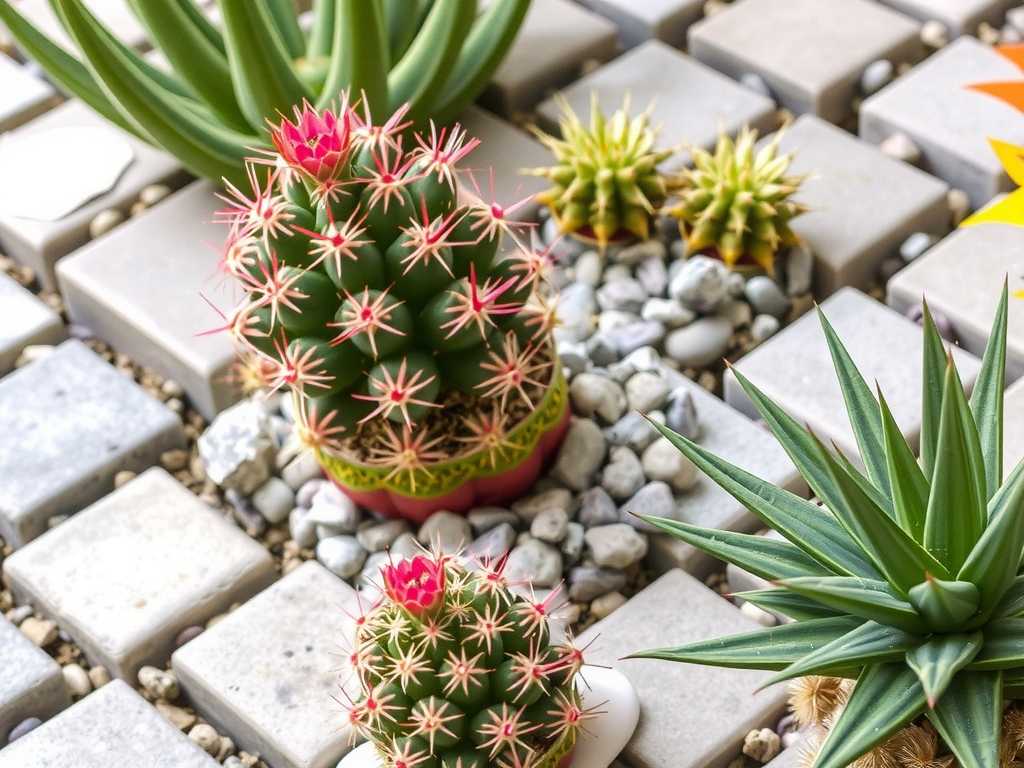
What are the best low-growing, cold-hardy cacti for filling spaces between rocks? Excellent choices include many Mammillaria species (like M. gracilis or M. winterae), Escobaria vivipara, and certain forms of Echinocereus reichenbachii (the Hedgehog Cactus). These are clumpers that stay relatively small, are quite cold-tolerant, and their growth habit is perfect for weaving through rocky landscapes.
Choosing the right cactus for your rock garden transforms it from a static arrangement of stones into a living, resilient ecosystem. It’s about partnership—placing plants in an environment where their natural needs are met and their beauty is enhanced. By assessing your site, selecting for hardiness and form, and committing to a patient planting process, you’ll create a stunning, low-maintenance display that thrives for years. My own rock garden, once a graveyard of good intentions, is now my proudest gardening achievement, brimming with textured, spiky life exactly where it belongs.