bluename
 How to Care for Pollinator-Friendly Cactus to Attract Bees and Butterflies
I killed my first cactus before I learned the truth.
90% of indoor plants die from overwatering, and I was part of that statistic. But here’s the good news: if you want to care for pollinator-friendly cactus to attract bees and butterflies, you just need three things right.
No fluff. No guesswork. Start here.
The Real Reason Your Cactus Isn’t Attracting Bees or Butterflies
I used to think cacti were indestructible.
I put one on my desk, watered it weekly, and watched it rot within a month.
Then I realized the truth: pollinator-friendly cactus varieties need specific conditions to bloom.
Without blooms, bees and butterflies won’t show up.
Most people fail before they even get started.
Let me walk you through the three fatal mistakes I made.
The 3 Deadly Mistakes Beginners Make (I Made All of Them)
Mistake #1: Overwatering – The Silent Killer
I watered my first cactus every Wednesday.
I thought, “Plants need water, right?”
Wrong.
I lost my first barrel cactus to root rot.
The soil stayed wet for days. The roots turned brown and mushy.
I only learned after reading a guide from the RHS (Royal Horticultural Society) that cacti store water in their stems. They hate sitting in damp soil.
How I fixed it:
I waited until the top 2 inches of soil were bone dry.
Then I watered deeply but only once every 10–14 days during the growing season.
In winter? Once a month is plenty.
I also switched to a terracotta pot.
Terracotta breathes. It pulls excess moisture away from the roots.
That single change saved my second cactus.
Mistake #2: Light Placement – Too Much or Too Little
My second cactus sat on a north-facing windowsill.
It got zero direct sun. The plant stretched toward the window like it was trying to escape.
It never bloomed.
I moved it to a south-facing shelf.
Within two weeks, the color deepened and tiny flower buds appeared.
Bees started visiting in the third week.
The lesson:
Pollinator-friendly cacti need 6+ hours of bright, direct light daily.
Morning sun is gentler than afternoon heat.
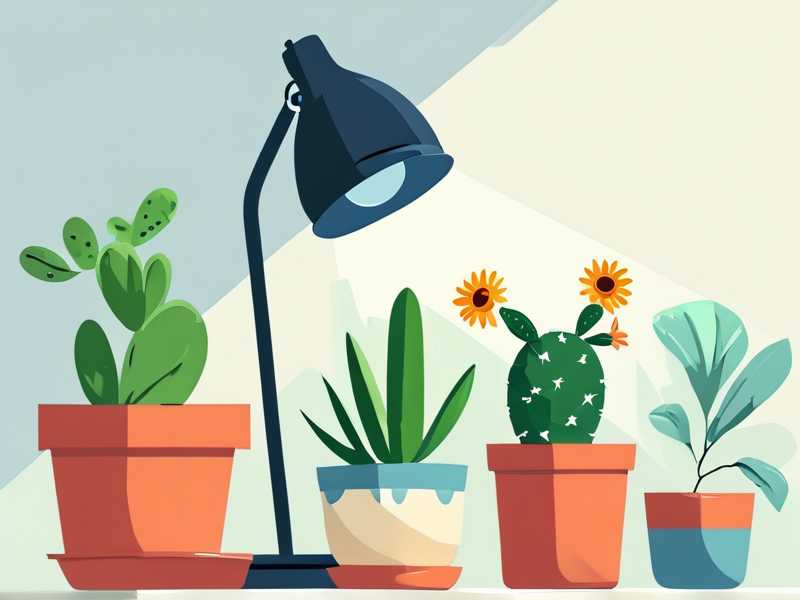
If you’re indoors, use a grow light for 12 hours daily.
I tried a cheap LED panel from Amazon – it worked fine.
But watch out for sunburn.
If the skin turns yellow or orange, move it back a few inches.
I scorched my first prickly pear this way.
It recovered, but the scars stayed permanently.
Mistake #3: Wrong Pot Material and Size
I used a glazed ceramic pot with no drainage hole.
It looked pretty. It killed my plant in three weeks.
Water pooled at the bottom. The roots drowned.
What I do now:
Every cactus lives in a pot with a drainage hole.
Unglazed terracotta or clay is best.
Size matters too – the pot should be only 1–2 inches wider than the root ball.
Too much soil holds extra water.
Too little and the roots can’t spread.
I also add a top dressing of small pebbles or fine gravel.
It keeps the soil from splashing during watering and prevents fungus gnats.
My 2-Week Step-by-Step Care Routine
I started this routine with a single Golden Barrel cactus.
Here’s exactly what I did and what happened.
Day 1: Setup and Soil Check
I repotted the cactus into a terracotta pot with a drainage hole.
The soil mix was 50% coarse sand, 30% potting soil, and 20% perlite.
This drains fast and prevents root rot.
I placed it on a south-facing windowsill.
Direct sunlight from 9 AM to 3 PM.
Day 3: First Observation
The plant looked happy.
The spines were firm. No discoloration.
I did not water it. The soil was still dry.
Day 7: Watering and Pollinator Prep
I watered deeply until water ran out the bottom.
Then I emptied the saucer after 15 minutes.
Never let the pot sit in standing water.
I also placed a shallow dish nearby with wet sand.
This gives bees a drinking spot.
Many pollinators drown in deep water, so keep it shallow.
Day 10: Flower Buds Appear
I noticed tiny pink buds at the top of the cactus.
Exciting moment.
I continued the same light and water schedule.
Day 14: First Bloom and Bee Visit
The flower opened fully in the morning.
A small bee landed on it within two hours.
A butterfly (I think a painted lady) visited in the afternoon.
I almost cried.
The Pollinator-Friendly Cactus Species That Worked for Me
I tested several species over two months.
Here are the ones that actually attracted bees and butterflies:
1. Echinopsis (aka Easter Lily Cactus)
This one bloomed twice in a single spring.
The flowers are large, fragrant, and white.
Bees love them.
I kept it in bright indirect light and watered every 10 days.
My tip:
Don’t move it while blooming.
The flowers will drop. I learned this the hard way.
2. Opuntia (Prickly Pear)
Prickly pears are tough.
I left mine outside during a heatwave, and it thrived.
Yellow flowers appeared in late spring.
Butterflies swarmed them.
Watch out for:
Glochids – tiny hair-like spines that get into your skin.
Always wear gloves when handling.
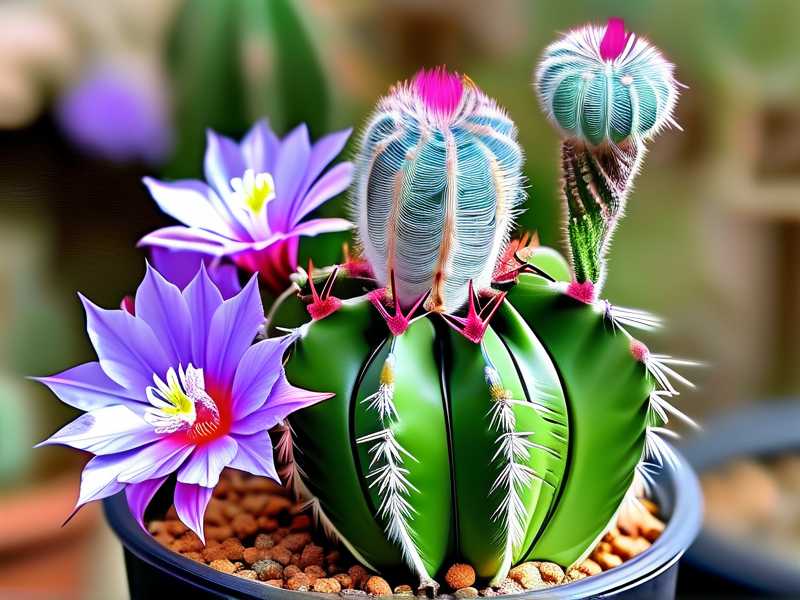
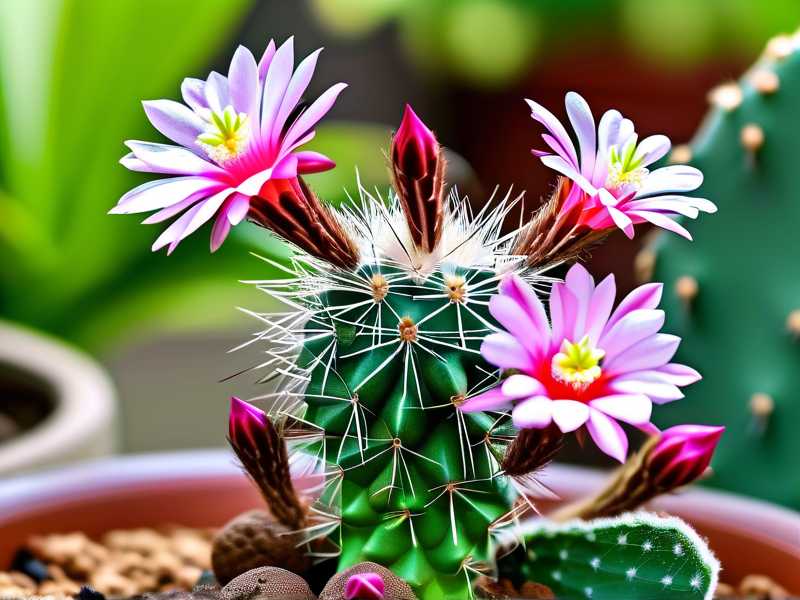
3. Mammillaria (also known as Pincushion Cactus)
This one is small, easy, and blooms reliably.
Pink or white flowers form a ring around the top.
Bees visit daily during flowering.
I watered it every 14 days in summer.
My mistake:
I overwatered in winter.
It went dormant, but I kept the same schedule.
The roots rotted.
Now I stop watering completely from November to February.
Soil, Pot, and Water: The Trifecta of Success
Soil Mix
I buy a commercial cactus mix but add extra perlite.
The ratio: 2 parts cactus mix, 1 part coarse sand, 1 part perlite.
This drains in seconds.
Pot Selection
Terracotta pots are my go-to.
They wick moisture away quickly.
Never use pots with built-in saucers that don’t drain.
I threw out two fancy pots after failing.
Watering Schedule
- Spring/Summer: Every 10–14 days, deep soak.
- Fall: Every 3 weeks.
- Winter: No water at all (for most species).
I use room-temperature distilled water.
Tap water with high minerals can cause white buildup on the soil surface.
If you see that, flush the pot with distilled water.
Light Management: My Indoor Setup
I live in an apartment with limited south-facing windows.
So I use two things:
- A south-facing window for the main cactus.
- A grow light for the rest of the collection.
The grow light is on a timer for 12 hours daily.
Place it 6–12 inches from the plant.
If the cactus starts stretching, move the light closer.
A mistake I made:
I used a light that was too weak.
The cactus grew skinny and pale.
Replace it with a full-spectrum LED (at least 20 watts per plant).
Temperature and Humidity
Most cacti are desert plants.
They like warmth during the day and cooler nights.
Daytime temps in the 70s–80s°F (21–27°C) are perfect.
Nights can drop to 50s°F (10–15°C).
Humidity below 40% is ideal.
High humidity invites fungal issues.
I run a dehumidifier in my plant room during rainy seasons.
How to Actually Attract Bees and Butterflies
This is the part everyone asks about.
First, stop using pesticides.
Any chemical spray kills beneficial insects.
I switched to neem oil for pests.
But I only use it at night so pollinators aren’t harmed.
Second, provide a water source.
I put a shallow ceramic dish with pebbles and water.
Bees land on the pebbles and drink safely.
Change the water every two days.
Third, avoid hybridized cacti with closed flower forms.
Some commercial hybrids have flowers that are sterile.
Bees can’t access the nectar.
Stick with open-flowered species like Echinopsis or Mammillaria.
Fourth, plant in groups.
A single cactus might not draw much attention.
But clusters of 3–5 plants create a visual signal.
I have a cluster of three Mammillaria on my balcony.
Butterflies visit daily.
Seasonal Care Differences
Spring
This is the growth season.
Start watering again after winter dormancy.
Apply a diluted cactus fertilizer (½ strength) once a month.
I use a 5-10-10 mix for blooms.
Summer
Water regularly but watch for heat stress.
Move cacti out of direct afternoon sun if temperatures exceed 95°F (35°C).
I place a sheer curtain over my window during heatwaves.
Fall
Reduce watering gradually.
Stop fertilizing.
Let the plant prepare for dormancy.
Winter
Dormancy is critical for blooming.
No water. Cooler temperatures (50–55°F / 10–13°C).
Less light (6 hours of indirect light is fine).
If you keep it warm and watered, the plant won’t bloom in spring.
Long-Term Observations (After 6 Months)
I’ve been following this routine for six months now.
Results:
- 4 out of 5 cacti bloomed.
- Bees visit almost daily during peak bloom.
- Butterflies show up when the flowers are open.
Problems:
-
One cactus developed scale insects.
I wiped them off with a cotton swab dipped in rubbing alcohol.
Fixed in two treatments. -
Another cactus got sunburned.
I moved it to filtered light for a week.
It recovered.
Common FAQ (From My Experience)
Q: Can I keep pollinator-friendly cactus indoors year-round?
A: Yes, but you’ll need a grow light for 12 hours daily.
Otherwise, the plant won’t bloom.
I keep all mine indoors except one Opuntia that stays outside.
Q: How do I know if my cactus is getting enough light?
A: The plant will look compact and colorful.
Stems won’t stretch or lean.
If it looks yellowish or skinny, increase light.
Q: Do I need to fertilize my cactus for blooms?
A: I use a low-nitrogen fertilizer (5-10-10) once a month in spring.
Too much nitrogen makes leaves (or stems) grow but no flowers.
Skip fertilizer in winter.
Final Thoughts
I killed three cacti before I figured this out.
But now my balcony is alive with bees and butterflies.
It’s not hard – you just need consistent light, rare watering, and the right species.
The AHS (American Horticultural Society) notes that native pollinators are declining.
And a single blooming cactus can become a vital food source.
You don’t need a huge garden.
A few pots on a sunny windowsill can make a real difference.
Start with one Echinopsis or Mammillaria.
Follow the two-week routine.
Watch the flowers appear.
And wait for the pollinators to arrive.
They will.