bluename
 How to Care for Legal Lophophora Cactus in Home Settings
Let me get straight to the point: Stop watering it. Seriously. If you just bought a legal Lophophora cactus (often called peyote, though the legal ornamental varieties are Lophophora williamsii or Lophophora diffusa), put down the watering can. I learned this the hard way. 90% of indoor plants die from overwatering, and Lophophora is the king of rot. I killed my first two plants before I understood what this desert gem actually needs. Here's how to keep yours alive and happy for years.
My First Mistake: Thinking It Needs Water Like a Regular Cactus
I remember unboxing my first legal Lophophora from a reputable nursery. It looked like a perfect little green button, sitting in its pot. I thought, "Cacti love water, right?" Wrong. I watered it every three days. By day 10, the base turned mushy and yellow. I tried to save it, but it collapsed into a sad, rotting mess. That's when I realized Lophophora is not your typical desert cactus. It's a slow-growing, semi-desert species. It stores water in its thick taproot. Overwatering suffocates the roots. Now, I water mine once every 3–4 weeks during the growing season (spring and summer). In winter, I barely touch it.
The Three Deadly Mistakes Newbies Make
1. Watering Too Much
This is the number one killer. Many people think "cactus = water every week." But Lophophora has a different rhythm. I once watered a legal Lophophora every Sunday. By the end of the month, the soil smelled like a swamp. The plant got translucent patches. That's rot setting in. If you see the cactus turning soft or discolored, you've already watered too much. Fix: Let the soil dry out completely. Wait until the soil is bone dry. Then wait another week. Stick a wooden skewer in the soil. If it comes out dry, you can water. Even then, water sparingly. Use a small amount of water at the base. Avoid getting water on the cactus body.
2. Wrong Light Setup
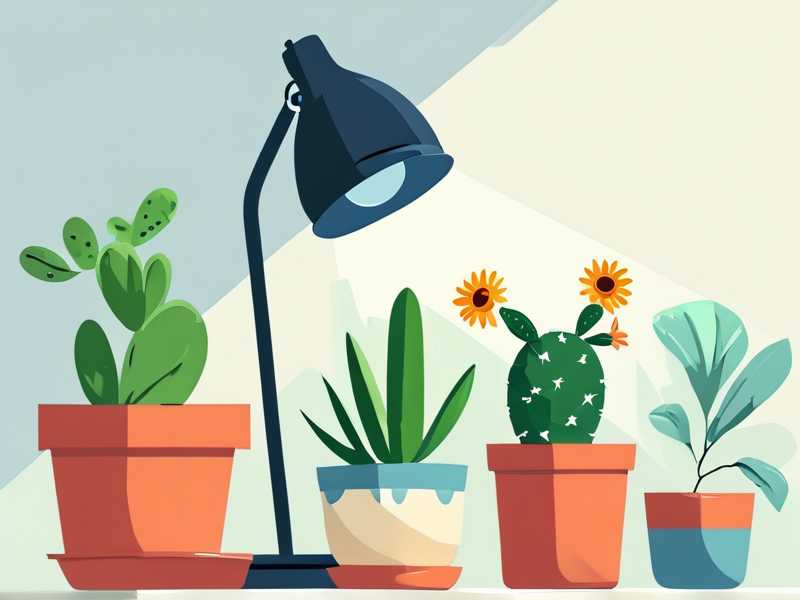
Newbies often put Lophophora in direct afternoon sun. That was my second failure. I had my cactus on a south-facing windowsill. Within days, it turned reddish-brown. That's sunburn. Lophophora likes bright, indirect light. Direct morning sun is okay for a few hours, but afternoon sun is too harsh. I now keep mine near an east-facing window. I also use a grow light set on a timer for 10 hours a day. If you see your cactus stretching or looking pale, it needs more light. If it's turning red or crispy, move it away.
3. Using the Wrong Pot
I tried a standard round pot with no drainage. Big mistake. Lophophora has a thick, deep taproot. It needs a tall, narrow pot with drainage holes. I bought a cheap terracotta pot that was too wide. The soil stayed moist for weeks. The taproot rotted. Now, I use unglazed terracotta pots that are 2–3 inches wider than the cactus body. The pot must be tall enough for the taproot. I also add a layer of gravel at the bottom for extra drainage. The soil mix is crucial. I use 50% coarse sand, 30% perlite, and 20% cactus soil. Never use standard potting soil.
My Two-Week Observation Journey
I wanted to see how my legal Lophophora handled a proper care routine. Here's my exact process over 14 days.
Week One: The Check
Day 1: I received a healthy Lophophora diffusa from a trusted seller. It was about 3 inches wide. The seller shipped it bare-root. I inspected the roots for any rot or damage. They looked firm and white. I let the plant sit on a dry paper towel for two days to callus any tiny wounds.
Day 3: I potted it in my custom mix. I used a 4-inch tall terracotta pot with a drainage hole. I filled the bottom with a thin layer of gravel. Then I added my soil mix. I placed the cactus gently, making sure the taproot sat straight. I didn't water it. I put it near my east-facing window.
Day 5: The cactus looked stable. No movement. The soil was dry. I resisted the urge to water. I left it alone.
Day 7: I checked the skin. It felt firm. The color was a healthy green with slight blueish tone. No sunburn. No soft spots. I watered it with about 1 ounce of distilled water. I poured it slowly around the base, not on the body.
Week Two: Progress
Day 9: The soil still felt slightly moist below the surface. I didn't water again. I noticed new root tips peeking out of the drainage hole. That's good. Roots are growing.
Day 12: The cactus plumped up a bit. The small wrinkles on the side smoothed out. That's a sign it absorbed the water. I checked for pests. None. The room temperature is 75°F during the day and 65°F at night.
Day 14: The cactus looks happy. No obvious changes in size, but the skin is smoother. I observed a slight green glow on the top. No flower buds yet, but that's normal for a small plant. I'll continue this routine monthly.
How to Water Correctly (The Only Method I Use)
Forget the calendar. Use the touch test. I press the side of the cactus gently. If it feels slightly soft or wrinkled, it's thirsty. If it feels firm and hard, don't water. I also poke the soil with a chopstick. If it comes out dry, it's time. But I add one more step: I wait three extra days after the soil feels dry. This prevents overwatering. For winter (November to February), I water once every 6–8 weeks. The cactus goes into dormancy. It needs almost nothing.
Soil Recipe That Saved My Cactus
I killed my third plant because I used regular cactus mix. It held too much moisture. After research from the RHS, I learned that Lophophora demands exceptional drainage. Here's my recipe:
- 50% coarse horticultural sand (not play sand, that's too fine)
- 30% perlite or pumice
- 20% succulent potting soil
I mix it in a bucket. I wet it slightly before potting. This prevents the soil from repelling water later. The texture should be crumbly. If you squeeze a handful, it should fall apart. If it clumps, add more sand.
Light Requirements: My East Window Setup
Lophophora is a light hog, but not a sun glutton. The AHS describes it as a "partial shade" plant. That's confusing for many. It means bright light without scorching heat. I tried direct south window. Burn city. I tried north window. The cactus got leggy and pale. East window is my winner. It gets gentle morning sun for 4–5 hours. After noon, the light is indirect. If you use a grow light, place it 6–8 inches above the plant. Set it for 10–12 hours per day. Rotate the pot every week to prevent lopsided growth.
Temperature and Humidity
I keep my home at 70–80°F during the day. Nighttime temps drop to 60°F. Lophophora likes this range. Avoid anything below 40°F or above 95°F. I keep mine away from vents and radiators. Humidity is low in my home, around 30–40%. That's fine. Lophophora hates high humidity. If you live in a humid area, run a dehumidifier or keep the plant in a well-ventilated room.
Fertilizer: Less Is More
First 6 months after repotting? No fertilizer. The soil has nutrients. I learned this after I burned my roots with liquid succulent feed. Now, I fertilize once a year in early spring. I use a 1:1:1 NPK cactus fertilizer diluted to half strength. I water first, then add the fertilizer solution. Never feed a dry plant. This prevents root burn.
Repotting Schedule
Lophophora grows slowly. I repot mine every 3–4 years. I choose a pot that's one size larger. I do this in late spring. I remove the old soil carefully. I check for root damage. Healthy roots are white or light tan. Brown, mushy roots are rot. I cut those with sterilized scissors. I dust the cuts with sulfur powder. Then I let the plant rest bare-root for 1–2 weeks before repotting. This callus time prevents rot.
Pest Control
I rarely get pests. But once, I found mealybugs on a new purchase. They hide in the creases. I used a cotton swab dipped in 70% isopropyl alcohol. I touched each bug. They died instantly. I followed up with a neem oil spray once a week for 3 weeks. No issues since. Spider mites can also appear if the air is too dry. I increase humidity slightly or use a miticide.
Flowering: The Reward
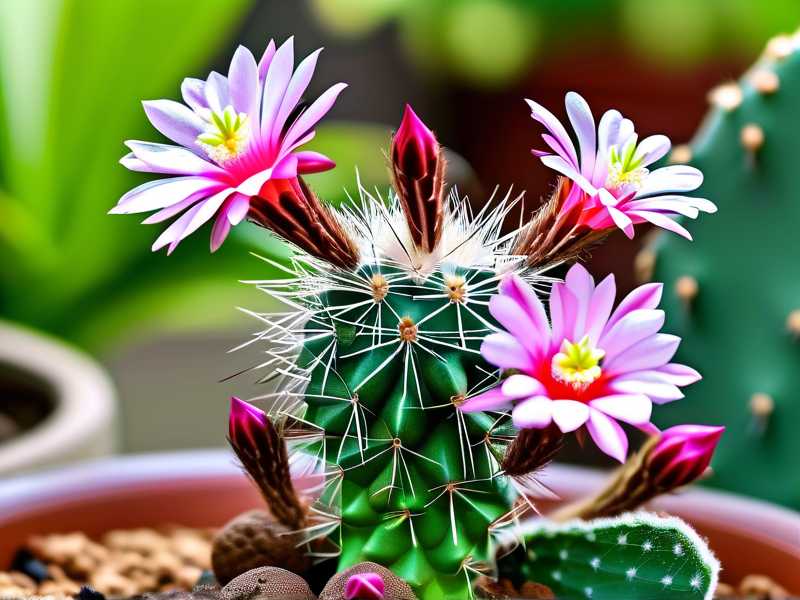
My Lophophora finally bloomed after two years. The flower came from the center, a small pinkish-white star. It lasted only 2 days. But it was worth the wait. Flowering happens in summer. The plant needs a cool, dry winter dormancy to trigger buds. If you keep it warm all year, you won't get flowers. I reduce watering and move it to a cooler spot (55–60°F) from November to February. Then I slowly increase water in spring.
Common Myths About Legal Lophophora
Myth 1: "It's illegal to own."
Only Lophophora williamsii is restricted in some countries. Legal nursery varieties are sold as ornamental plants. Always check local laws. I buy from certified sellers.
Myth 2: "It grows fast."
No. In three years, my Lophophora grew only an inch. Patience is key.
Myth 3: "You can water it from below."
Some people say fill a tray. I tried this. It caused root rot because the water sat too long. I stick to top watering with a narrow spout.
My Final Routine (Simple Version)
- Spring/Summer: Water every 3–4 weeks. Bright indirect light. Fertilize once.
- Fall: Reduce water to every 5–6 weeks. Keep light same.
- Winter: Water once every 2 months. Keep cool (55–65°F). No fertilizer.
I check the plant every week. I feel the soil. I look for wrinkles. I watch for pests. That's it.
FAQ
Q: My Lophophora is turning yellow. What's wrong?
Yellowing often means overwatering or too much direct sun. Check the soil. If it's wet, stop watering for 2–3 weeks. Move the plant away from direct afternoon light. If the base is soft, rot has set in. You may need to cut the healthy top and replant it.
Q: Can I grow Lophophora indoors year-round?
Yes. I do it. Use a grow light in winter if your windows don't get enough light. Keep it in a cool spot during winter dormancy. Avoid drafts.
Q: How do I know if my Lophophora needs more light?
The cactus will stretch upward, becoming taller and skinnier. This is called etiolation. It means it's searching for light. Move it to a brighter spot or use a grow light.
Q: Is Tap Water Safe?
I use distilled or rainwater. Tap water contains minerals that build up and can burn the roots. If you must use tap, let it sit out for 24 hours to dissipate chlorine.
Q: Can I propagate Lophophora from a cutting?
It's possible but tricky. Cuttings need to callus for 2–3 weeks. Most people prefer seeds. Seeds take 6–12 months to form a recognizable plant.
I've learned the hard way. Lophophora is not a pet that needs daily attention. It thrives on neglect. Water less. Love more. That's the secret.