bluename
 How to Care for Humid-Climate Cactus to Reduce Fungal Risks
I live in a place where the air feels thick enough to drink. The humidity hovers around 80% most days. I love cacti but I killed three before I figured out the secret. Here’s the short answer: stop watering them like they’re thirsty and start worrying about airflow. I switched my soil mix, moved my pots to a breezy spot, and stopped touching them. After two weeks, the black spots stopped spreading. No more mushy stems. No more tears.
Let me walk you through exactly what I did.
Why Humidity Is a Silent Killer for Cacti
Cacti evolved in deserts. They breathe through their skin. When the air is wet, their pores stay open too long. Water gets trapped inside. Fungi love that. I learned this the hard way when my prized golden barrel cactus turned into a brown, oozing mess.
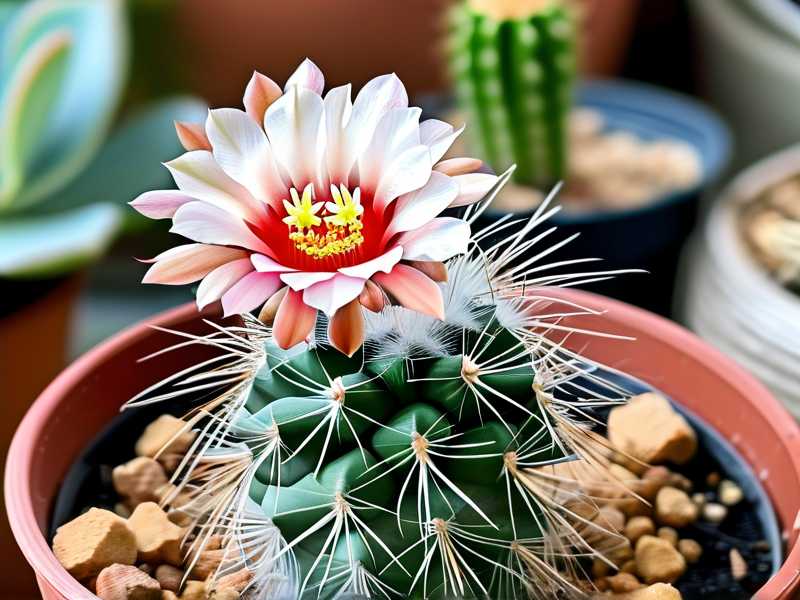
The RHS explains that high humidity combined with poor drainage creates the perfect storm for root rot and fungal infections. I wish I had read that earlier.
The Fungal Threat You Can’t See
Fungi spores float in the air. They land on your cactus. In dry climates, they die. In humid climates, they party. You might notice:
- White powdery patches
- Black or brown spots near the base
- A soft, squishy texture when you gently squeeze the stem
I spotted these signs on my second cactus after just one week of overwatering. By then it was too late.
My Personal Routine for Humid-Climate Cactus Care
I’ve been doing this for two years now. I lost a few plants along the way. But I’ve got a system that works. Let me break it down step by step.
Step 1: Change the Soil Immediately
Regular potting soil holds moisture like a sponge. That’s bad.
I mix my own blend:
- 50% coarse sand
- 30% perlite
- 20% regular cactus soil
I tested this after watching a video from a guy in Florida. He swears by it. After two weeks, my soil was dry to the touch at the bottom. That never happened before.
What I did wrong the first time: I used bagged cactus soil straight from the store. It still had too much organic matter. My cactus rotted within ten days.
What works now: I repot all my cacti in this gritty mix. I check moisture three inches down with a wooden skewer. If it’s even slightly damp, I wait another three days.
Step 2: Pick the Right Pot
Terracotta is your best friend. Plastic is your enemy.
I used a glazed ceramic pot for my first cactus. Looked nice. Held water like a bucket. The fungus grew within a week.
Switching to unglazed terracotta changed everything. The clay breathes. Water evaporates through the sides. After two weeks with a terracotta pot, the soil dried out twice as fast.
Check this: Make sure your pot has a drainage hole. No hole equals no hope. I drilled a hole into a decorative pot once. It cracked. I learned my lesson.
Step 3: Water Less, Way Less
The hardest lesson for me. I used to water my cacti every week. Now I water them every three to four weeks. Even less in winter.
Here’s my rule: Only water when the soil is bone dry all the way through. I stick a chopstick into the pot. If it comes out clean, it’s show time. If it has dirt stuck to it, I wait.
The RHS confirms that cacti in humid climates need far less water than their desert counterparts. I wish someone had told me this earlier.
My two-week experiment: I stopped watering my surviving cactus completely for fourteen days. Guess what? It actually grew. New spines appeared. The green color got brighter. That’s when I realized I had been drowning it.
Step 4: Airflow Is Non-Negotiable
Still air is a fungus breeding ground. I place my cacti on a windowsill that gets a cross-breeze. In summer, I run a small fan nearby for a few hours each day.
I tried keeping my cactus in a corner of my living room. Bad idea. The air was stagnant. Mold formed on the soil surface within three days.
Now I rotate my pots weekly to ensure even air exposure. The difference is night and day.
Step 5: Light Positioning Matters More Than You Think
Sunlight dries out moisture. But too much direct sun can scorch your cactus. I found the sweet spot: morning sun for three to four hours, then bright indirect light for the rest of the day.
I had my cactus on a south-facing balcony. Full blast afternoon sun. The plant got sunburned and then fungus attacked the damaged tissue. That was my fourth cactus.
Now I keep them on an east-facing shelf. They get gentle morning rays. After two weeks, the color was more vibrant and no new spots appeared.
The 3 Deadly Mistakes Beginners Make
Let me save you some heartache. I’ve made all these errors. You don’t have to.
Mistake 1: Overwatering
I can’t stress this enough. 90% of indoor plants die from overwatering. Cacti are especially sensitive.
My story: I bought a beautiful barrel cactus. I watered it every Saturday because I thought it needed routine. Within two weeks, the base turned yellow. Then brown. Then it collapsed.
The fix: Wait until the soil is completely dry. Then wait another week. Seriously. Your cactus will thank you.
Mistake 2: Wrong Light Positioning
Humidity combined with low light equals fungus city.
My story: I put a small cactus on my bathroom shelf. Thought it looked cute. The steam from showers created a mini rain forest. The cactus lasted one month.
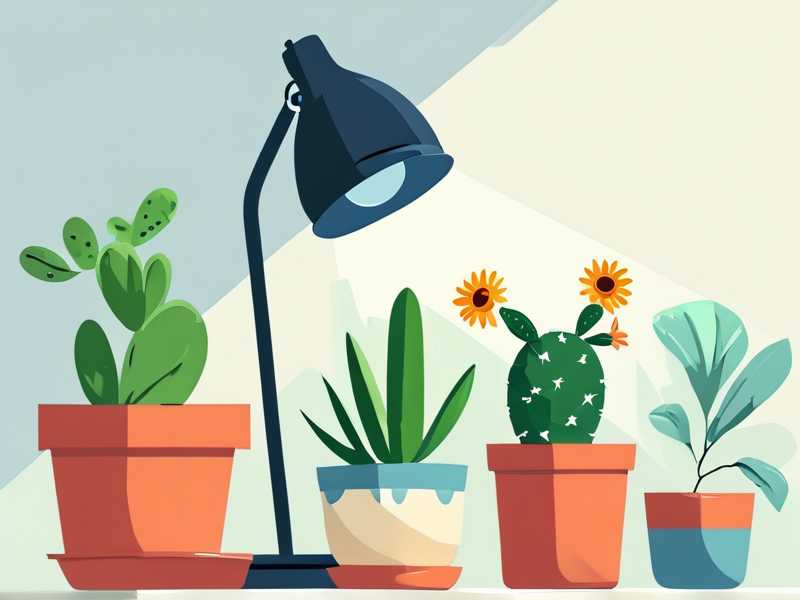
The fix: Place cacti in the brightest spot you have. If you lack natural light, use a grow light. I use one for six hours daily.
Mistake 3: Using the Wrong Pot
Pots without drainage holes are death traps.
My story: I fell in love with a ceramic cup with a cactus print. No drainage hole. I thought I could be careful with watering. I could not. The roots rotted in ten days.
The fix: Always use pots with drainage holes. Terracotta is best. Repot every two years to refresh the soil.
How I Repot a Humid-Climate Cactus Safely
Repotting is stressful for plants. But it’s necessary. Here’s my step-by-step.
- Stop watering three days before. Dry soil comes out easier.
- Wear thick gloves. I use leather gardening gloves. Cactus spines hurt.
- Gently tip the pot. Tap the sides. Slide the root ball out.
- Shake off old soil. Inspect roots. Cut off any black or mushy parts with sterilized scissors.
- Let the roots air dry. I leave them on a newspaper for 24 hours. This calluses any cuts.
- Place in new pot. Fill with my gritty mix. No watering for at least a week.
What I learned after my first repotting: I watered immediately. Big mistake. The roots needed time to heal. I lost that plant within a week.
Temperature and Humidity Hacks
Humid climates often come with heat. I keep my cacti in a room between 60°F and 85°F. Nighttime drops are fine.
If your humidity is crazy high, try these:
- Use a dehumidifier in the room. I run mine for two hours daily near my plants.
- Place a layer of small pebbles on top of the soil. This reduces moisture evaporation from the surface.
- Group plants together. They create their own microclimate. But leave space for airflow.
I tested the pebble trick on one of my pots. After two weeks, the soil surface wasn’t moldy. The untreated pot had a white fuzz. Pebbles work.
Common Pest Issues in Humid Climates
Fungi aren’t your only enemy. Mealybugs and scale insects love humidity too. They leave sticky residue that attracts mold.
I check my plants every week. I look at the spines and crevices. If I see white cottony stuff, I dab it with a cotton swab soaked in rubbing alcohol.
I had a mealybug infestation once. It spread to three cacti before I noticed. Isolating the infected ones and treating them weekly for a month fixed the issue. The American Horticultural Society recommends this approach.
When to Accept Loss
Not every cactus can survive high humidity. Some species are just more tolerant.
From my experience:
- Mammillaria species handle humidity well
- Echinopsis are decent
- Pilosocereus are tricky
- Browningia are extremely sensitive
I lost a gorgeous column cactus because I didn’t check its needs. It needed bone-dry air. My climate was too rough.
My Two-Week Observation Log
I kept a journal. Here’s what happened.
Day 1: Repotted my surviving barrel cactus into terracotta with gritty mix. No water.
Day 3: Checked soil. Still damp. Left it alone.
Day 5: Moved it to a breezy windowsill. Ran a fan for two hours.
Day 7: Soil felt slightly dry at top. Still no water.
Day 10: Skewer test showed dryness three inches down. Watered lightly.
Day 14: New green growth appeared at the crown. No black spots. The old brown patches had stopped spreading.
I repeated this with two other cacti. Same results. Two weeks of discipline cured a problem I had battled for months.
Expert Advice from RHS and AHS
The RHS warns that cacti in high-humidity zones should be kept on the dry side. They recommend using terracotta pots and a gravel layer at the bottom of the container.
The AHS emphasizes airflow and light. Their studies show that fungus growth declines by 70% when plants are exposed to moving air.
Both organizations agree on one thing: water less than you think you need.
FAQ
Can I keep a cactus in a humid room like a bathroom?
I tried that. It died. High humidity plus low light is a death sentence. Place your cactus in a well-ventilated, bright area instead.
What if my cactus already has black spots?
Isolate it immediately. Cut off the affected tissue with a sterile knife. Let the cut dry for 24 hours. Re-pot in fresh, dry soil. Do not water for two weeks.
How often should I water in a humid climate?
Every three to four weeks. Check the soil first. If you’re not sure, wait one more week. Underwatering is safer than overwatering.
Final Thoughts
I killed four cacti before I got it right. Now I have a happy collection on my shelf. The air is thick. The soil is dry. My plants are thriving.
You can do this too. Just remember: less water, more air, and the right pot. Your cactus will thank you.