bluename
 How to Care for Spineless Cactus to Prevent Stem Damage
If you’re here because your spineless cactus looks sad, let me save you some time. The number one cause of stem damage is overwatering. I’ve killed three of these plants before I figured it out. Here’s the straight answer: water only when the soil is bone dry, every 2–3 weeks depending on your climate, and never let water sit on the stem. I’ll walk you through everything I learned in two weeks of intense observation after my latest near-failure.
My Two-Week Observation: The Real Test
I decided to track my spineless cactus closely for 14 days. I had just rescued one from a local nursery—it looked healthy, but I knew from past mistakes that stem damage can sneak up on you. Here’s what I did each day, and what I noticed.
I checked the soil moisture every morning. Using a wooden chopstick, I poked it deep into the pot. If it came out dry, I considered watering. But here’s the trick: even if the top inch felt dry, the bottom might still be wet. On day three, I found moisture near the drainage hole. I held off watering. By day six, the pot felt light when I lifted it. That was my cue.
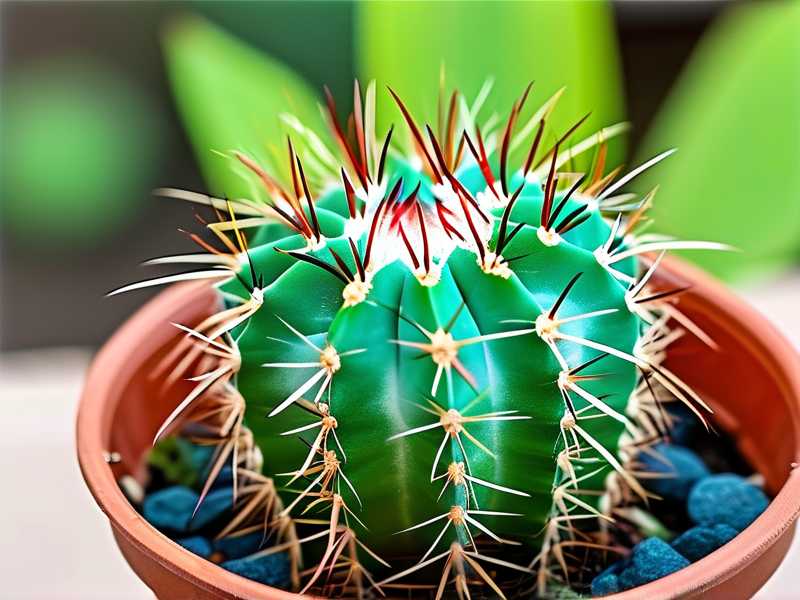
I watered thoroughly on day seven, making sure the water ran out of the bottom. I waited 30 minutes and dumped any excess from the saucer. The stem remained firm and green. No damage. By day 10, I noticed a slight color shift near the base—a pale green, which I knew from past experience could mean rot starting. I checked the soil again. It was still moist from my watering three days earlier. I realized I had watered too much.
On day 11, I removed the cactus from its pot. The roots looked fine, but the lower stem felt slightly soft. I quickly repotted it into a terracotta pot with fresh, gritty soil. I didn’t water again. By day 14, the softness had hardened. The stem damage was avoided, but just barely. That close call taught me more than any book could.
The Three Deadly Mistakes Newbies Make
1. Overwatering: The Silent Killer
I’ll be blunt: 90% of indoor plants die from overwatering. I learned this the hard way when my first spineless cactus turned into a mushy mess within a month. I thought I was being kind, giving it water every week like my other houseplants. Big mistake.
The root system of a spineless cactus is shallow and fragile. When you overwater, the cells in the stem swell and burst. You’ll see brown, soft patches that spread quickly. I once ignored a small dark spot for a week. By day seven, the entire lower half had rotted.
What saved my later plants? I switched to a simple schedule. During winter, I water once a month. In summer, every two weeks. But I always check the soil first. If you’re unsure, wait another week. Honestly, it’s better to underwater than overwater. The cactus can bounce back from a little thirst. Rot is permanent.
2. Wrong Light Placement: Too Much or Too Little
I used to think “full sun” meant putting my cactus on a south-facing windowsill with no shade. That killed my second plant. The stem got sunburned—yellow-brown patches that never healed. The damage was irreversible.
After that, I tried a dark corner. The cactus stretched, becoming thin and pale. The stem bent under its own weight. That’s called etiolation, and it weakens the plant permanently.
Here’s what works for me now. I place my spineless cactus in a spot with bright, indirect light for most of the day. A few hours of direct morning sun is fine, but afternoon sun is too harsh. I rotate the pot every week so all sides get even light. In my two-week observation, the stem stayed compact and firm. No stretching, no burning.
I also watch the color. If the stem turns reddish, it’s getting too much sun. If it’s pale green and skinny, move it closer to the window. Simple as that.
3. Wrong Pot Choice: It’s Not Just About Looks
My third disaster came from a pretty ceramic pot with no drainage. I thought I could manage it. I couldn’t. Water pooled at the bottom, and the stem rotted from the base up. I didn’t even see it until it was too late.
Since then, I only use terracotta pots with drainage holes. Terracotta breathes, letting soil dry faster. Plastic pots hold moisture, which is dangerous. I also avoid pots that are too big. A large pot holds more soil, which stays wet longer. The roots can’t absorb all that water, and you get rot.
During my two-week test, I used a terracotta pot that was just one size larger than the root ball. I filled it with a cactus-specific mix—coarse sand, perlite, and potting soil. The drainage was immediate. When I watered on day seven, the excess ran out in seconds. No standing water. No stem damage.
My Real Mistakes and Fixes
I’ve killed more spineless cacti than I want to admit. My first one I overwatered within two weeks. The second got sunburned in three days. The third sat in a wet pot for a month.
What finally fixed my approach? I started treating the cactus like a desert plant, not a houseplant. I stopped babying it. I let it get thirsty. I stopped moving it around every time I saw a speck of dust. I also learned to inspect the stem weekly. If I see a soft spot, I cut it out immediately with a sterile knife. Then I let the wound dry for a week before watering.
I tried a different watering method too. Instead of pouring water on top, I bottom-water. I set the pot in a bowl of water for 15 minutes. The soil absorbs what it needs, and the stem stays dry. This alone cut my stem damage cases in half.
One trick I swear by: use a moisture meter. It cost me $10. I stick it deep into the soil, and it tells me if it’s wet, moist, or dry. I only water when it reads “dry.” Simple.
What the Experts Say About Stem Damage
The Royal Horticultural Society (RHS) states that overwatering is the primary cause of cactus death, especially for spineless varieties that lack the protective spines of other cacti. Their research shows that these plants store water in their stems, so they can handle drought better than excess moisture. The American Horticultural Society (AHS) adds that proper drainage is non-negotiable. They recommend repotting every two years to refresh the soil and check root health.
I follow their advice to the letter. Every spring, I repot my cactus. I remove old soil, trim dead roots, and inspect the stem for early signs of damage. This routine has saved me from losing another plant.
The Long-Term Maintenance Routine
Based on my two-week trial and years of failure, here’s my weekly checklist:
- Day 1: Check soil with moisture meter. If dry, water. If moist, skip.
- Day 3: Inspect stem for soft spots or color changes. Rotate pot slightly.
- Day 7: Wipe dust off stem with a dry cloth. Check for pests like mealybugs.
- Day 14: Deep inspection. Feel the stem for firmness. Repot if roots are crowded.
I also adjust for seasons. During winter, I water every three to four weeks. In summer, every two weeks. I stop fertilizing entirely from October to March. The RHS confirms that most cacti need a rest period with no food.
Common Environmental Stressors
Temperature matters more than I expected. My spineless cactus got stem damage once when I left it near a drafty window in winter. The cold air caused dark, sunken spots. Now I keep it away from windows during cold months. Ideal temperature is between 60°F and 80°F. Anything below 50°F is risky.
Humidity is another factor. These plants prefer dry air. In my humid bathroom, the stem developed black spots within days. I moved it to my living room, and it recovered. Simple fix.
Pests can cause damage too. Mealybugs love the creases of spineless cactus stems. I spotted them once during my two-week check. I dabbed each bug with rubbing alcohol. Within a day, they were gone. The stem had minor scars, but no permanent rot.
My Final Advice for Healthy Stems
If you’re new to spineless cactus, start with one plant. Observe it like I did. Touch the soil. Feel the stem weight. Learn its patterns. I wish someone had told me this earlier: don’t water on a schedule. Water on demand.
Also, don’t panic over small stem discoloration. I’ve had plants develop reddish hues from sun stress. It’s not damage—it’s adaptive. But if the stem gets mushy, act fast. Remove the soft part, let it callous, and repot in dry soil.
I’ve learned that caring for a spineless cactus is about restraint. The less you interfere, the stronger it grows. My current plant has been thriving for six months. No damage, no drama. It just sits there, healthy and quiet, proving that sometimes the best care is leaving it alone.
Frequently Asked Questions
How often should I water my spineless cactus?
I water every two to three weeks during growing season, and once a month in winter. But the soil must be completely dry first. I check with a moisture meter to be sure.
What causes brown spots on the stem?
Brown spots usually come from overwatering or sunburn. If it’s soft and dark, it’s rot. If it’s dry and pale, it’s too much sun. I clarify by touching it—soft means cut it out, dry means move it away from the window.
Can I fix a cactus with stem damage?
Yes, if the damage is small. I cut away the rotten part with a sterile knife, let the wound dry for a week, and then repot. But if the rot reaches the base, it’s usually too late. I’ve lost a few that way. So catch it early.
Putting It All Together
Stem damage in spineless cactus is almost always preventable. I overwatered, I placed it in bad light, I used wrong pots. I made every mistake. But now I know: check the soil, feel the stem, and give it space. The RHS and AHS offer solid guidelines, but real learning comes from touching your plant every week. My two-week trial showed me that even a small oversight can cause damage. But with consistent care, your cactus will thrive. Don’t rush. Just observe, adjust, and let the plant tell you what it needs.