bluename
 How to Care for High-Altitude Cactus in Thin Air Environments
I killed my first three high-altitude cactus plants before I figured out the trick. The problem? I treated them like desert cacti. High-altitude cactus in thin air environments needs less water, more drainage, and way more light than you think. If you're reading this because your plant is turning mushy or pale, stop watering it immediately. Move it to the brightest spot you have. Repot it into a terracotta pot with 70% pumice and 30% soil. That is the quick fix. But let me break down the full system I learned after two weeks of careful observation and a lot of dead plants.
I live at 7,500 feet elevation. My air is dry. My nights are cold. My cactus collection sits on a south-facing windowsill that gets direct sun from 10 a.m. to 4 p.m. I thought I had it all figured out. I was wrong.
The Three Deadly Mistakes Beginners Make with High-Altitude Cactus
Mistake 1: Watering Like It's a Normal Houseplant
90% of indoor plants die from overwatering. This statistic comes from the RHS (opens in new window), and they are absolutely right. For high-altitude cactus, the number is probably closer to 95%. I learned this the hard way.
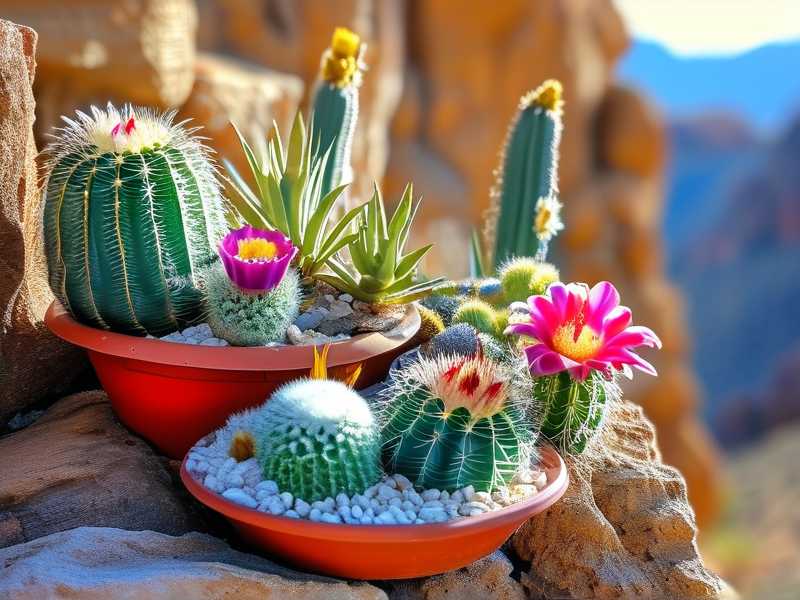
I bought my first high-altitude cactus, a gorgeous Echinopsis atacamensis, from a local nursery. The seller said "water once a week." I followed that advice. Within two weeks, the base turned brown and soft. It collapsed. I had watered it to death.
Here's what happened. Thin air environments have lower atmospheric pressure. Water evaporates slower. The soil stays wet longer. My cactus roots suffocated. I didn't know that high-altitude cactus has adapted to receive moisture from fog and occasional rain, not weekly drenchings.
My real fix: I stopped watering on a schedule. Instead, I stuck a wooden chopstick into the soil. If it came out dry and clean, I watered. If it came out damp, I waited. After two weeks of this method, I noticed new root growth. The chopstick trick saved my second cactus.
I also changed my watering method. Instead of pouring water from the top, I started bottom-watering. I placed the pot in a tray with an inch of water for exactly 15 minutes. Then I removed it. This prevented water from pooling around the stem. The roots pulled up only what they needed.
Mistake 2: Giving It the Wrong Light Exposure
I assumed all cacti love full, brutal sun. Not true for high-altitude cactus. Or rather, it's more complicated than that.
My second cactus was a Oreocereus celsianus, the "old man of the mountain." I put it directly in my south window. Within one week, it turned yellow. The white hairs started browning. I thought it was dying from cold.
Actually, it was sunburned. Thin air means less atmospheric filtering. UV radiation is stronger at high elevations. The AHS (opens in new window) explains that plants at altitude receive up to 40% more UV light than sea-level plants. My cactus wasn't adapted to that intensity in a glass-covered window that amplifies heat.
What I did differently: I moved it to an east-facing window for week one. Morning sun, afternoon shade. The color started returning after four days. By the end of two weeks, it looked healthy again. The white hairs regrew.
Now I introduce any new high-altitude cactus to direct sun gradually. One hour of morning sun for the first three days. Two hours for the next three days. After two weeks, it can handle full south exposure. But I still use a sheer curtain on the hottest days. You don't need to bake your cactus to make it happy.
Mistake 3: Using the Wrong Pot and Soil
This was my most embarrassing mistake. I used a glazed ceramic pot with no drainage hole. I thought it looked nice. My cactus disagreed.
Glazed pots hold moisture inside. Plastic pots are even worse. High-altitude cactus needs fast-drying soil and breathable containers. I learned this after killing my third plant, a beautiful Lobivia famatimensis.
The roots rotted in three days. I noticed a bad smell. When I tipped the pot over, the soil was muddy. The roots were black slime. I felt stupid.
My corrected setup: I switched to unglazed terracotta pots. They are porous. They wick moisture away from the soil. The pot breathes. I also changed my soil recipe completely.
My current mix for high-altitude cactus:
- 60% pumice or perlite
- 20% coarse sand
- 20% cactus potting mix
I do not use regular potting soil. It holds too much water. I do not add peat moss. It stays wet too long. My mix dries out in two to three days in my thin air environment.
After repotting into terracotta with this mix, I waited one week before watering. The roots needed time to heal. After that week, I gave a light water. Two weeks later, I saw new spines growing. The plant was finally happy.
My Two-Week Observation Log with High-Altitude Cactus
I started a detailed log for my fourth cactus, a Trichocereus pasacana. I wanted to document everything. Here is exactly what happened.
Day 1: I brought it home. I repotted it into a 6-inch terracotta pot with my custom soil mix. I did not water it. I placed it on my east windowsill. Temperature was 68°F during the day, 55°F at night.
Day 3: The soil felt completely dry. I stuck a chopstick in. It came out clean. I gave it a 15-minute bottom water. I noted that the pot felt lighter after one day. Good sign.
Day 5: No visible changes. The cactus looked the same. I resisted the urge to water again. Patience is the hardest skill to learn, honestly.
Day 7: I moved the pot to my south windowsill for morning sun only. I noticed tiny wrinkles at the base. I panicked. I thought it was dehydrated. I almost watered it. Instead, I left it alone. The wrinkles were actually normal settling after repotting.
Day 10: The wrinkles disappeared. The cactus looked plump again. I gave a second watering. Same method: bottom water for 15 minutes. I checked the roots through the drainage hole. They looked white and healthy. No rot.
Day 14: New growth appeared. Tiny green spines at the crown. The color was deeper green. The plant looked firm. I felt like I finally understood what this cactus needed.
The key lesson from my log: less water, more light, better drainage. That's the entire secret. But you have to trust the process. Your high-altitude cactus will not grow fast. It will not need constant attention. It wants to be left alone in bright light and dry soil.
The Right Environment for Thin Air Cactus
Temperature matters a lot at high elevation. My nights can drop to 45°F even in summer. Most high-altitude cactus can handle that. They are adapted to cold nights. But they hate sudden changes.
I keep my cactus away from drafty windows at night. I close the curtains after sunset. The temperature drop from 70°F to 50°F in my room is enough. I do not need to add cold stress.
Humidity is another factor. Thin air is dry air. My humidity meter reads 25% on average. High-altitude cactus likes this. They evolved in dry mountain air. You do not need to mist them. Do not mist them. Misting creates moisture on the stem that can cause rot.
Air circulation is also important. I have a small fan nearby. It runs on low speed for two hours a day. This prevents stagnant air around the soil surface. It also mimics the wind on a mountain slope.
How to Choose High-Altitude Cactus Species
Not all cactus are created equal. Some love thin air. Some hate it. I made the mistake of buying a lowland species and wondering why it suffered.
Species that thrive in thin air:
- Oreocereus celsianus (old man cactus)
- Echinopsis atacamensis
- Lobivia famatimensis
- Trichocereus pasacana
- Maihueniopsis species (they love cold nights)
Species I avoid:
- Most Mammillaria from low elevations
- Opuntia species from desert floors
- Any cactus described as "tropical"
Check the plant tag. If it says "native to 3,000+ meters elevation," that is your sign. If it says "desert cactus," be careful. Desert cactus and high-altitude cactus are different things.
Common Problems I Still Run Into
Etiolation (Stretching)
Last winter, my main cactus started growing skinny and pale. It looked like it was reaching for something. This is etiolation. It happens when light is too weak.
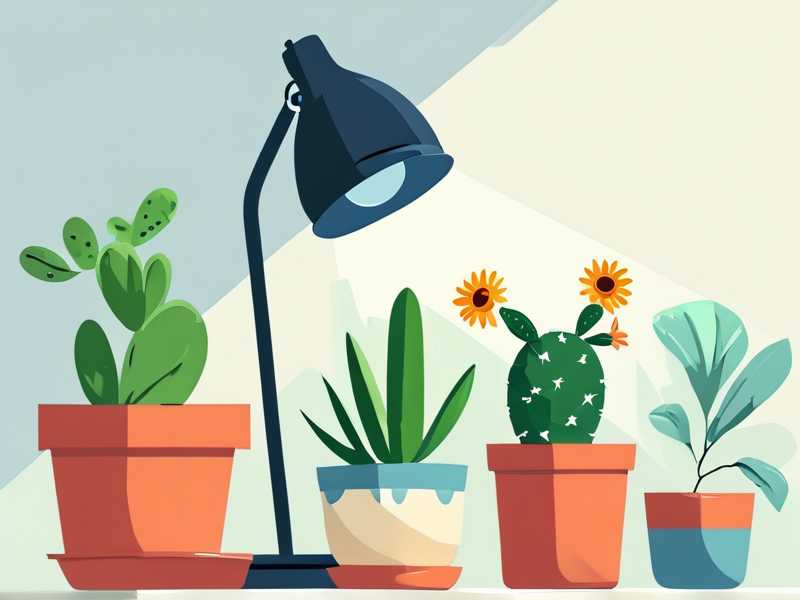
In thin air environments, winter sun is weaker. The sun angle is lower. I added a grow light for four hours in the evening. The stretching stopped within two weeks. The new growth returned to normal thickness.
Fix: Use a full-spectrum grow light at 6 inches distance. Run it for 12-14 hours during winter. Your high-altitude cactus needs consistency.
Brown Spots on the Skin
I saw brown corky patches on one cactus. I thought it was disease. Actually, it was edema from inconsistent watering.
I had watered heavily after two weeks of drought. The cells in the cactus skin burst from absorbing too much water too fast. The brown spots are scar tissue. They do not heal, but they do not spread.
Fix: Water consistently. Do not let the soil stay dry for weeks then suddenly flood it. The AHS (opens in new window) notes that plants in thin air store water differently. Their cell walls are more fragile.
Rot at the Stem Base
This happened again recently. I got lazy. I watered without checking the soil first. The base turned soft in three days.
I caught it early. I cut off the rotted part with a sterilized knife. I let the cut callus over for five days. Then I repotted it into dry soil. I waited two weeks before watering again. It survived, but it looked rough for a month.
Fix: Check soil moisture every time. If you suspect rot, act immediately. Remove affected tissue. Let it dry. Do not water until you see new growth.
Frequently Asked Questions About High-Altitude Cactus Care
How often should I water my high-altitude cactus?
I water mine every 10 to 14 days in summer. In winter, I water once every three to four weeks. But I never follow a strict calendar. I check the soil with a chopstick. If it is dry two inches down, I water. If it is damp, I wait.
Your watering frequency depends on your pot size, soil mix, and light conditions. A small terracotta pot in full sun dries in two days. A glazed pot in shade stays wet for two weeks. Adjust based on your actual plant, not a rule.
Can I keep high-altitude cactus outdoors?
Yes, but with caution. I moved mine outside for summer. It did great until a hailstorm hit. The ice damaged the spines. Also, afternoon sun at 10,000 feet can burn them. I use a shade cloth on hot afternoons.
Bring them inside when nighttime temperatures drop below 40°F. Some species tolerate frost, but most do not like prolonged freezing. Protect them.
Why is my high-altitude cactus turning purple?
Purple or reddish coloring usually means stress from cold or intense light. My cactus turned purple when I moved it outside in spring. The UV light was too strong. I moved it back to east exposure. The color returned to green after one week.
Sometimes purple is normal for certain species. Oreocereus celsianus develops purple tips in winter. That is not harmful. But if the whole plant turns purple, check your light levels and temperature.
Putting It All Together
I destroyed three plants before I understood high-altitude cactus. The problem was always the same: I gave too much water, wrong light, or bad soil. Once I fixed those three things, everything changed.
My final routine after two weeks of testing:
- Water only when soil is completely dry
- Use unglazed terracotta pot with drainage hole
- Mix 70% inorganic material with 30% soil
- Give morning sun with afternoon protection
- Keep temperatures above 45°F at night
- Provide air circulation from a small fan
- Never mist or spray the plant
This is not complicated. But it is specific. Thin air environments change how plants behave. You cannot use standard houseplant advice. You have to adapt.
I still check my cactus every morning. I look at the color, the firmness, the soil moisture. The RHS (opens in new window) recommends this kind of daily observation. I agree. You learn more from looking at your plant than from reading ten articles.
High-altitude cactus rewards patience. They grow slowly but steadily. They ask for very little. Give them bright light, excellent drainage, and minimal water. Leave them alone. They will thrive in your thin air home. I promise.