bluename
 How to Water Cactus in Low-Maintenance Retirement Home Gardens
I killed my first cactus within three weeks of moving into a retirement community. I thought I was helping it. I watered it every other day. I felt sorry for the dry soil. I was wrong. Here is the direct answer: Water your cactus only once every 2 to 4 weeks during the growing season, and only when the soil is completely bone dry. Stop watering entirely in winter. That simple rule saved my second cactus, and it will save yours too.
The Three Fatal Mistakes I Made with Cactus Watering
Mistake #1: Overwatering – I Drowned My First Three Cacti
I remember buying my first little barrel cactus from a local nursery. It looked so cheerful in its tiny terracotta pot. I watered it every few days because the soil surface looked dry. Within two weeks, I noticed the base turning soft and brown. It felt mushy when I touched it. I panicked. I tried to dry it out by putting it in direct sun. It was too late.
The roots had rotted completely. I pulled the plant out, and the roots smelled like a wet basement. That was my first real lesson. I now know that 90% of indoor plants die from overwatering, and cacti are even more sensitive. Their roots are designed to absorb water quickly and then dry out completely. Constant moisture suffocates them.
I tried a second cactus. I used a larger pot because I thought it would give the roots "room to grow." Wrong again. The bigger pot held more soil, which stayed wet longer. That cactus lasted about a month before turning yellow and collapsing.
My third attempt failed because I used regular potting soil. It stayed compacted and wet. I learned that lesson the hard way. Now, I only use a gritty, fast-draining cactus mix. I add perlite and coarse sand to ensure water flows through instantly.
Mistake #2: Light Misplacement – My Cactus Got Sunburned Then Died
I thought cacti loved all-day sun. So I placed my poor little plant on a south-facing windowsill in early summer. The temperature inside was fine, but the glass magnified the heat. Within two days, the top of the cactus turned a pale, sickly yellow. Then it became papery and brown.
I moved it to a shadier spot. But the damage was already done. The sunburned tissue could not recover. Fungus set in at the burned spots. That cactus lasted maybe another week before I had to throw it away.
The trick I discovered later was gradual acclimation. If you move a cactus from indoors to a bright outdoor garden, do it slowly. Start with one hour of morning sun, then increase by an hour every few days. I keep my retirement garden cactus on my east-facing porch where it gets gentle morning light and afternoon shade. This setup works perfectly for low-maintenance care.
Mistake #3: Using the Wrong Pot – My Potted Cactus Suffocated
I used to think any pot with a drainage hole was fine. Not true. I bought a beautiful glazed ceramic pot that had a tiny drainage hole on the side. The water simply sat at the bottom of the pot. The roots sat in that water for days after each watering.
That pot killed my fourth cactus. The roots rotted from the bottom up. I only realized when I saw liquid dripping from the pot's base a week after watering. The soil was still wet eight days later.
I switched to unglazed terracotta pots. They are porous and allow moisture to evaporate through the walls. The difference was immediate. My soil now dries out within three days after watering. Terracotta pots are ideal for cactus potting in retirement gardens because they prevent accidental overwatering.
My Two-Week Observation Experiment with Cactus Watering
I decided to document a controlled two-week experiment to prove what works. I used two identical golden barrel cacti. Both were similar size and health. Both were planted in the same cactus mix with terracotta pots.
Week One: The Dry Control
For the first cactus, I followed my old bad habit. I watered it lightly every four days, keeping the soil slightly moist. By day 7, the base of the cactus felt soft. The color shifted from bright green to a dull, grey-green. The roots at the bottom of the pot looked grey and slimy. I could smell a faint rotting odor.
For cactus number two, I did the right thing. I checked the soil with a wooden chopstick. I inserted it deep into the pot. It came out completely dry. No soil stuck to it. I waited until day 10 before watering. Then I gave it a thorough soak, letting water run out the drainage hole for 30 seconds. I let it drain completely.
Week Two: The Recovery Phase
The overwatered cactus on day 14 was clearly dying. The base had turned dark brown and mushy. I carefully cut away the rotted part with a sterile knife. I let the healthy upper part sit in a dry, shaded area for a week to callus over. But honestly, it was a lost cause.
The properly watered cactus on day 14 showed new growth. I noticed tiny spines emerging at the crown. The color remained vibrant and healthy. The roots, when I gently checked after watering, were firm and white. This cactus looked exactly as it should.
The difference was undeniable. One simple change in watering frequency saved an entire plant. That experiment convinced me that less truly is more when it comes to cactus care in low-maintenance retirement home gardens.
How to Water Cactus Correctly – Step by Step
Step 1: Check the Soil Before You Even Think About Watering
I never water by calendar. I water by feel. I stick my finger about two inches deep into the soil. If I feel even a hint of moisture, I close the watering can. I also use a moisture meter. That tool cost me ten dollars and it saves me from killing plants.
If you are unsure, wait another week. Cacti are desert survivors. They handle drought far better than wet feet. My biggest piece of advice: when you think it might need water, wait three more days.
Step 2: Water Deeply, Then Stop
When the soil is fully dry, I water deeply. I pour water directly onto the soil, avoiding the cactus body. I let it flow until I see water coming out of the drainage holes. Then I leave it for 30 minutes to drain any excess from the saucer.
I never let the cactus sit in standing water. That is a one-way ticket to root rot. After draining, I wipe up any water left in the saucer. This mimics natural desert rain patterns. A sudden downpour, then dry heat.
Step 3: Adjust for Seasons
In the summer, my cacti in the garden get water every two weeks. The heat dries the soil fast. In the winter, I stop watering completely. I moved my potted cacti to a cooler room indoors. They go dormant. They need no water for three to four months.
I tried watering once in January last year because the soil looked dry. The cactus survived, but it did not grow well that spring. It needed that rest period. Do not interrupt cactus hibernation. It confuses their natural cycle.
Choosing the Right Cactus for a Retirement Garden
The Best Cactus Varieties for Low Maintenance
Not all cacti are created equal for low-maintenance care. I learned this after trying a fussy moon cactus that died within two months. It was grafted and required specific humidity levels. Hard pass.
My current favorites are golden barrel cactus, prickly pear, and the classic saguaro. These types are forgiving. They tolerate minor mistakes. They handle the occasional skipped watering without drama.
Golden barrel cactus has a beautiful round shape and does not require frequent repotting. Prickly pear grows quickly but stays manageable in containers. Saguaro grows slowly but makes a statement in any garden bed or pot.
Pot Size and Material Impacts Watering Frequency
I use pots that are only one to two inches wider than the root ball. That is key. Smaller pots dry out faster. That is exactly what cacti need.
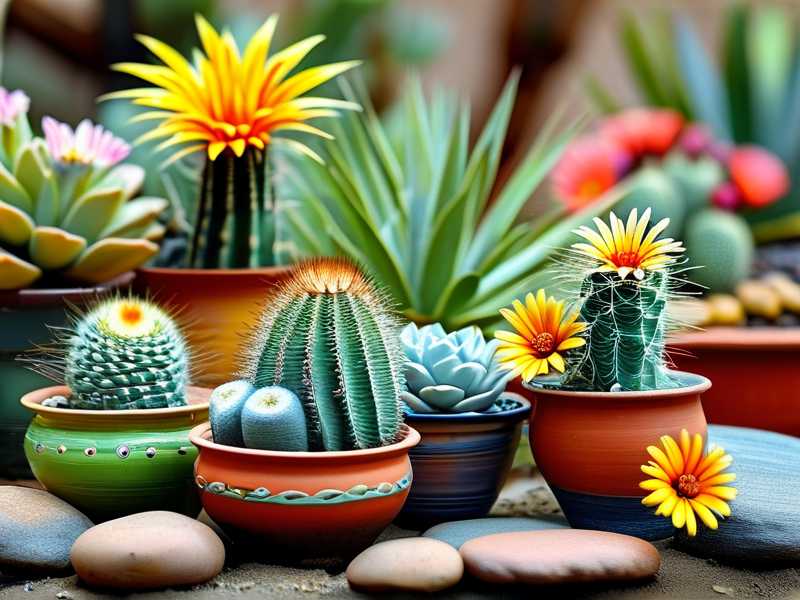
Terracotta is my go-to material. It breathes. Plastic pots trap moisture. Glazed ceramic pots look pretty but can hold too much water. I have a collection of terracotta pots on my garden shelf. They are cheap, functional, and natural looking.
For the garden bed, I make sure the soil drains well. I mix coarse sand and gravel into the native soil. If the area stays wet after rain, I raise the bed or add more drainage. I once planted a cactus directly into clay soil. It rotted in a month.
How to Rescue an Overwatered Cactus
The First Signs of Overwatering
I watch for these signs: softening at the base, yellowing, or the plant leaning to one side. If you see these, act fast. I have rescued several cacti by catching the problem early.
First, I stop watering immediately. I remove the cactus from its pot. I inspect the roots. Healthy roots are white or light tan. Rotten roots are brown, black, or grey, and they fall apart easily when touched.
I cut away all rotted roots with clean scissors. I cut back into healthy tissue. Then I let the cactus sit in a dry, warm place for five to seven days. This allows the wounds to callus over. Without this step, the rot will spread when replanted.
Repotting After Cutting Rot
After the callus forms, I repot the cactus into a fresh, dry cactus mix. I do not water for at least one week. This gives the roots time to heal without moisture.
I place the pot in bright but indirect light. No direct sun during recovery. After a week, I give a small sip of water. About one tablespoon. If the cactus shows signs of growth after another week, I return to normal watering.
I have saved two cacti this way. One was completely mushy at the base. I cut off the top healthy part, let it callus, and replanted. It grew new roots and survived. It is now two years old and thriving.
Common Questions About Watering Cactus in Retirement Gardens
How Do I Know When to Water My Cactus?
The simplest test is the chopstick method. Insert a dry wooden chopstick into the soil all the way to the bottom. Leave it for 30 seconds. Pull it out. If it comes out clean and dry, water. If any soil sticks or it feels damp, wait.
I also watch the cactus body. A healthy, well-watered cactus looks plump and firm. When it needs water, it starts to look slightly shriveled or wrinkled. The ridges become more prominent. That is the plant's natural signal.
Can I Use Tap Water for My Cactus?
I use filtered or rainwater for my garden cacti. Tap water contains minerals like fluoride and chlorine that can accumulate in the soil. Over time, these salts can damage delicate cactus roots.
If you must use tap water, let it sit out for 24 hours before watering. This allows chlorine to evaporate. I keep a watering can filled with tap water on my garden shelf. By the time I need to water, it is ready to use.
Should I Mist My Cactus?
No. Do not mist cacti. They hate humidity on their bodies. Misting can cause fungal spots, rot, and sunburn if water droplets magnify sunlight. I tried misting once during a dry heatwave. My cactus developed ugly brown patches within three days.
Cacti absorb water through their roots only. Mist the air around your houseplants, but keep the cactus leaves dry. In a retirement garden setting, the natural airflow is usually enough to keep things healthy.
Why Low-Maintenance Cactus Gardening Works for Retirement
I have been caring for cactus in my retirement home garden for three years. The best part? It does not feel like work. I spend maybe 10 minutes every two weeks on watering. The rest is just enjoying their beauty.
Cacti are resilient. They handle temperature swings. They do not attract pests easily. They add a sculptural element to any garden without the constant pruning and deadheading required by flowers.
The RHS recommends cactus for beginners because of their drought tolerance. The AHS also highlights succulents and cacti as perfect for gardeners who want low maintenance but high visual impact.
I specifically chose golden barrel cactus for my front garden bed. They require no deadheading. They do not drop leaves. They simply grow slowly and steadily. Every year, they get a little bigger, and I feel proud of my small desert landscape.
Final Practical Tips for Cactus Watering in Retirement
I keep a simple watering log on my phone. I note the date I water each cactus. That way, I never rely on memory. It is especially helpful during winter when I water very rarely.
I never water based on temperature alone. Just because it is hot outside does not mean the soil is dry. I always check the soil first.
I group my cacti together on a garden cart during summer. This makes watering quick. I move them under a porch roof during heavy rain. Too much rain can saturate the soil and cause rot.
If you travel, ask a neighbor to check your cacti only once per month. Or use self-watering stakes, but test them first. I tried one and it kept the soil too wet.
FAQ About Cactus Watering in Retirement Home Gardens
How often should I water cactus in a retirement home garden during summer?
Water every two to three weeks if the soil dries completely. Check with your finger or a moisture meter. If the plant looks plump, skip that week. In very hot climates, you might water weekly. But for most retirement gardens, every two weeks is plenty.
Can I use ice cubes to water my cactus?
Many houseplant enthusiasts use ice cubes for indoor plants to avoid overwatering. But cacti hate cold water. Ice cubes shock their roots. Use room temperature water instead. I fill my watering can and leave it in the shade for an hour before using.
What is the best soil mix for cactus in a retirement garden?
Use a gritty cactus mix from any garden center. Or make your own: two parts regular potting soil, one part coarse sand, one part perlite or pumice. I mix my own because it is cheaper and I know exactly what goes in it. The key is fast drainage. Water should run through within five seconds.
One Last Thing About Cactus in Retirement
I initially thought cactus would be boring. I wanted colorful flowers and lush leaves. But the quiet beauty of a well-cared-for cactus grew on me. They are survivors. They ask for almost nothing but give steady companionship.
I have learned that less is always more with these plants. Water sparingly. Provide light gradually. Use the right pot. That is the whole secret.
My garden now has six cacti. They have survived my mistakes. They have thrived despite my early failures. And they bring me peace every time I see them.
If you follow these steps, your cactus will thrive too. No stress. No complicated charts. Just simple, intuitive care that fits perfectly into a low-maintenance retirement lifestyle.