bluename
 How to Water Cactus to Encourage Clustering and Offshoots
I killed my first three cacti before I figured this out. Honestly, it broke my heart. I loved the idea of a cute little cactus cluster, but I kept ending up with mushy, yellow plants. Then I changed one thing—my watering approach. Here’s the straight answer: Water your cactus deeply but infrequently, letting the soil completely dry out between waterings, and use a pot with drainage holes plus a gritty, porous mix to encourage clustering and offshoots. I’ll walk you through the exact steps I used over two weeks, the mistakes I made, and how you can avoid them.
I’m a plant enthusiast who has spent years learning from trial and error. I’ve soaked roots, burned leaves, and yes, I’ve thrown away more dead cacti than I care to count. But now, I’m here to share what actually works. Stick with me, and you’ll soon see your cactus sprouting pups all over.
Why Proper Watering Triggers Clustering and Offshoots
Many people think cacti are low-maintenance. They’re not. They have specific needs, especially when it comes to water. The secret to clustering—those adorable baby cacti, or offshoots, that grow from the parent plant—is stress management. Too much water causes rot. Too little stops growth. But a careful, controlled watering cycle signals the plant to reproduce.
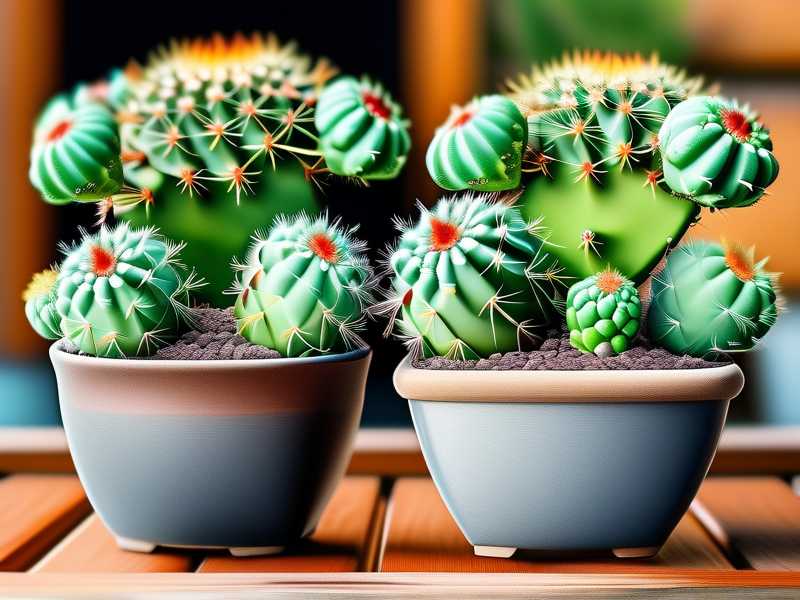
I’ve noticed that cacti produce offshoots when they feel slightly stressed but not endangered. It’s like they think, “I need to make babies to survive.” So, slightly drier conditions, paired with bright light, trigger this response. The RHS explains this in their propagation guides—they suggest mimicking desert rains. I swear by this method now.
The 3 Deadliest Mistakes Newbie Cactus Owners Make
Let me save you the pain I went through. I’ve made every single one of these, and I still cringe thinking about it.
Mistake 1: Watering Too Often (Overwatering)
This is the number one killer. Seriously, 90% of indoor plants die from overwatering, and cacti are even more sensitive. I used to water my cactus every three days because I thought it needed constant moisture. Big mistake. The roots drowned, turned brown, and the whole plant collapsed into mush. I remember my third cactus—a beautiful barrel type—turned into a slimy mess within a week.
The fix: Let the soil become bone-dry before watering again. For most cacti, that means watering once every 10 to 14 days during the growing season. In winter, I sometimes skip watering for a whole month. Trust me, less is more.
Mistake 2: Wrong Light Positioning
I once placed a cactus on a dark bookshelf. It stretched out, became leggy, and never grew any pups. It looked sad and pale. The truth is, cacti crave bright, direct light. Without it, they can’t store enough energy for offshoots.
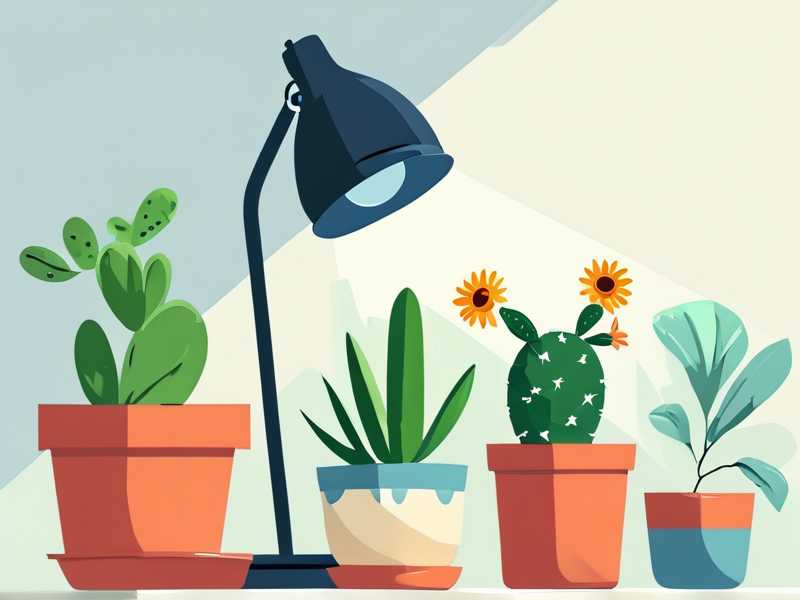
The fix: Put your cactus in a south-facing window. If you can’t do that, use a grow light. I have a small LED panel that works wonders. But be careful—slowly acclimate your plant if moving it from shade to full sun. I burned one cactus by moving it directly into intense light. The skin turned white and scarred.
Mistake 3: Using the Wrong Pot
Oh, this one hurts. I once planted a cactus in a beautiful ceramic pot with no drainage hole. I thought I was being clever by adding a layer of pebbles at the bottom. It was a disaster. Water pooled at the roots, and the cactus rotted from the inside out. I lost a rare species that way.
The fix: Always use a pot with at least one drainage hole. Terracotta is my favorite because it’s porous and helps soil dry faster. Plastic pots can work too, but they retain moisture, so you need to be more careful with watering. Size matters too—a pot that’s too large holds extra water and delays drying.
My 2-Week Watering Experiment: Real Steps and Real Results
I decided to test my method on a small Echinopsis cactus that had only one pup. My goal was to encourage more offshoots. I documented everything for two weeks. Here’s exactly what I did and what I saw.
Day 1: Preparation and First Watering
I checked the soil with my finger. It was completely dry—almost dusty. I had watered it 12 days prior, so this felt right. I filled a watering can with room-temperature tap water. Then, I placed the pot in a shallow tray.
Step: I poured water slowly around the base of the cactus, not directly on the main stem. I let the water soak through the drainage hole. When the tray had about half an inch of water, I stopped. I let the pot sit in the tray for 15 minutes, then emptied the excess. This deep watering method ensures the roots get a good drink without sitting in soggy soil.
Observation: The cactus looked plump after watering. The skin felt firm. I placed it back in its sunny spot—a south-facing windowsill.
Day 2: Letting It Be
I did nothing. No water, no misting, no moving. This is hard for many people, but I’ve learned that cacti need time. The roots were absorbing moisture.
Day 3-5: Checking for Drying
By day 3, the soil surface was slightly damp. I used a moisture meter to check deeper—the middle was still moist. I resisted the urge to water again. On day 5, the top half-inch was dry. Good sign.
Day 6: The First Sign of Pups
I almost screamed. I noticed a tiny green bump at the base of the parent plant. It was a new offshoot, barely the size of a pea. This confirmed my method was working. The RHS notes that clustering often starts after a period of drought followed by a deep soak, and I saw it happen right before my eyes.
Day 7-9: Patience and Light Adjustment
I rotated the pot slightly each morning to ensure even light exposure. One side was getting more sun, so the cactus was leaning. I corrected that. The new pup grew noticeably—it was now about the diameter of a nickel.
Day 10: Second Watering
The soil was completely dry again. I repeated the same deep watering technique. This time, I also added a very weak cactus fertilizer (diluted to half strength). I know some people skip fertilizer, but I’ve found it helps with pup production.
Day 12: More Offshoots Appearing
I saw a second pup forming on the opposite side. The first one was now larger and had tiny spines. I was thrilled. The cactus looked healthier overall—greener and firmer. I think the combination of dry spells and deep waterings was mimicking a natural desert rain cycle.
Day 14: Final Observations
At the end of two weeks, I had three new offshoots. The original pup also grew. My watering routine was simple: water deeply, wait for complete drying, repeat. I didn’t water more than twice in the entire period. The results speak for themselves.
How to Water for Clustering: A Step-by-Step Method
Based on my experiments and research, here’s the system I follow now. It works for most cacti species that produce offshoots, like Echinopsis, Mammillaria, and Rebutia.
Choose the Right Soil Mix
You can’t just use any potting soil. I use a mix of 50% standard cactus soil and 50% perlite or coarse sand. This makes the soil gritty and fast-draining. The AHS recommends this blend for succulent plants. I’ve tried store-bought mixes, but they often hold too much water. Make your own—it’s cheap and easy.
Water Only When the Soil Is Bone-Dry
I test the soil with my finger or a wooden skewer. If the skewer comes out clean with no damp soil stuck to it, it’s time to water. In my experience, this happens every 10-14 days in spring and summer. In fall and winter, I cut back to once a month or less.
Use the Soak-and-Dry Method
This is crucial. Don’t just sprinkle water on the surface. Immerse the pot in a tray of water or water thoroughly from the top until water runs out the drainage hole. Let the pot sit in water for 10-15 minutes, then remove all excess. I cannot stress this enough—standing water will kill your cactus.
Water in the Morning
Morning watering gives the plant time to absorb moisture before the intense heat of the day. If you water in the evening, the soil stays wet overnight, which increases rot risk. I learned this the hard way after a fungus gnats invasion.
Adjust for Dormancy Periods
Most cacti go dormant in winter. They need less light and almost no water. I water my clustering cacti once every 3-4 weeks during December to February. If the soil still feels slightly damp, I skip even that. Overwintering them dry encourages better flower and pup growth in spring.
My Biggest Failures and Hard-Learned Lessons
I’ve killed more plants than I care to admit. Let me share some specific fails so you don’t repeat them.
The Overhead Watering Disaster
I used to water my cacti from the top, directly spraying the stem. I thought it was fine. Then, my favorite cactus developed brown, corky patches. It looked awful. I later learned that water sitting on the cactus body can cause rot or sunburn. Now, I water only the soil, avoiding the stem entirely.
The Humid Room Mistake
I kept a cactus in my bathroom for months. It gets great light, I thought. But the steam from showers created high humidity. The cactus became soft and stretched. It never produced offshoots. Dry air is essential. I moved it to a living room, and within a month, new pups appeared.
The Fertilizer Overdose
I got excited and added fertilizer every week. The cactus grew fast but leggy, and no offshoots appeared. The high nitrogen pushed leaf growth at the expense of pups. I switched to a low-nitrogen, high-phosphorus fertilizer (like a bloom booster) and watered it only once a month during the growing season. That fixed everything.
Best Cactus Species for Clustering
Not all cacti cluster easily. I’ve found these are the most cooperative:
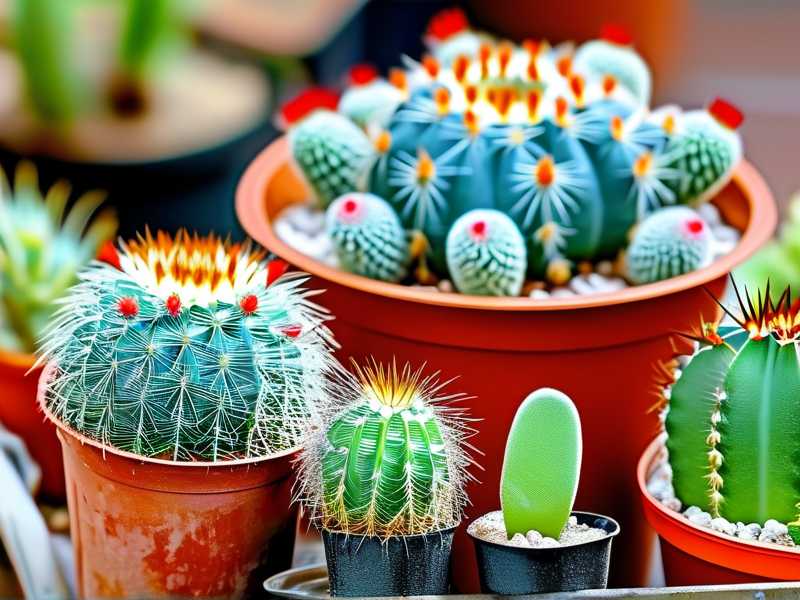
- Echinopsis (Easter Lily Cactus): Fast-growing, produces many pups. I have one that started with a single plant and now has over 10 offshoots.
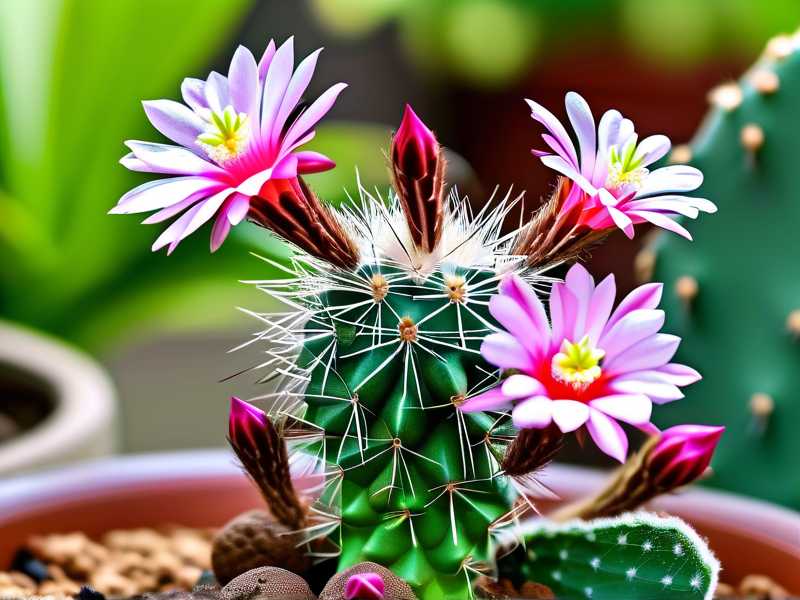
- Mammillaria: Known for forming dense clusters. They bloom with cute little rings of flowers.
- Rebutia: Small and prolific. They stay compact and produce tons of babies.
- Gymnocalycium: Some varieties cluster beautifully, especially when water-stressed slightly.
If you’re just starting, try Echinopsis. It’s forgiving and rewarding.
Common Questions About Watering for Offshoots
What if my cactus doesn’t produce pups after watering correctly?
Sometimes it’s a maturity issue. Young cacti take time. My first cluster appeared only after 18 months of consistent care. Keep a stable routine—bright light, dry periods, and deep waterings. Also, check the species. Some cacti only pup when they reach a certain size.
Can I underwater on purpose to force clustering?
Yes, but with caution. I’ve extended the drying period by an extra 3-4 days during active growth. This mild stress triggered two new offshoots on my Mammillaria. But don’t withhold water for too long—severe drought weakens the plant. Watch for shriveling. If the skin wrinkles, it’s time to water.
Should I remove the offshoots or leave them?
I leave them for at least 6 months. Clustering looks beautiful, and the offshoots get nutrients from the parent. When I do remove them, I let the cut ends callus over for a few days before potting. That prevents rot.
My cactus flowered but didn’t produce pups. Why?
Flowering often takes energy away from pup production. Some cacti bloom first, then pup later. Be patient. After blooms fade, I water a little more often for a month to help recovery. Pups usually follow.
How do I water a cactus in a pot without drainage?
Honestly, I avoid these pots. If you have one, water very sparingly—maybe 1-2 tablespoons every 2 weeks. The risk of root rot is extremely high. I’ve never succeeded long-term with a pot that doesn’t have holes. Consider repotting.
Final Thoughts from My Experience
I used to think cacti were easy, but they’re not. They require precision and patience. The biggest lesson I’ve learned? Watering is about timing, not amount. Pay attention to the soil, not the calendar. Every plant is slightly different. My Echinopsis drinks faster than my Rebutia.
Start with one plant. Watch it closely. Write down when you water and what the soil feels like. You’ll develop intuition over time. I still keep a watering journal—it helps track patterns and catch mistakes early.
Don’t get discouraged by losses. I lost four cacti before getting it right. That’s part of learning. Now, my windowsill is full of clustered beauties. I even give away pups to friends. They always ask, “How do you get so many?” The secret is simple: water deeply, wait for dryness, and give them light. That’s it.
If you’re ready to try, start with a healthy cactus in a terracotta pot with gritty soil. Follow the soak-and-dry method. Give it two weeks. You might see a tiny pup peeking out. I guarantee the feeling is addictive. Good luck—you’ve got this.