bluename
 How to Water Cactus with Only Organic Fertilizer Water
If you’re like me, you’ve probably killed a cactus before. It’s honestly a rite of passage for any plant lover. I’ve been there—staring at a shriveled, rotting mess that used to be my pride and joy. The truth is simple: 90% of indoor plants die from overwatering, and cacti are no exception. After years of trial and error, I finally cracked the code. Here’s how to water cactus with only organic fertilizer water, and I promise it’s easier than you think. Start by mixing a weak organic fertilizer—like diluted fish emulsion or seaweed extract—into your watering can. Then, water your cactus deeply only when the soil is bone dry, usually every 2 to 4 weeks. That’s the gist. But stick with me, because I’ll walk you through the messy details, the mistakes I made, and the exact steps I used over a 2-week observation period.
I remember my first cactus. It was a cute little barrel type I bought from a local nursery. I watered it weekly, thought I was doing great. Within a month, it turned mushy and brown. Turns out, I drowned it. That experience taught me a hard lesson: cacti crave neglect, not constant care. So, when I started experimenting with organic fertilizer water, I had to unlearn everything I thought I knew. Let me break it down for you.
The 3 Deadly Mistakes Beginners Make with Cactus Watering
① Overwatering: The Silent Killer
This is the biggest pitfall. I cannot stress this enough. Many people think cacti need frequent water, especially when using fertilizer. But here's what I learned after killing my second cactus: organic fertilizer water still contains water. If you drench the soil too often, the roots rot. The RHS, whose work you can check at RHS website, warns that cacti are adapted to arid conditions. I've read their guidelines, and they echo my experience. I used to water my prickly pear every 5 days. It looked fine for a month, then collapsed. The soil was soggy, and the roots had turned black. Now, I only water when the top 2 inches of soil feel like dust. Simple as that.
② Light Placement Issues
I thought all cacti love scorching sun. That's partly true, but not all of them. I made the mistake of placing my newly fertilized cactus on a south-facing window sill. After a week, the skin turned yellow and wrinkled. The organic fertilizer water made it grow faster, but the intense light burned the new growth. I learned to gradually introduce them to direct light. The AHS, through their resources at AHS website, explains that cacti need bright but indirect light when recovering from watering. I now keep mine a few feet from the window. For my 2-week observation, I placed the pot in an east-facing spot. It got morning light only, and the cactus thrived.
③ Wrong Pot and Soil Choice
This one stings. I bought a beautiful glazed ceramic pot for my third cactus. No drainage hole. I thought, "I'll be careful." Big mistake. The organic fertilizer water pooled at the bottom. Within 10 days, the roots started rotting. I had to repot it in a terracotta pot with a drainage hole. The porous terracotta wicks away excess moisture. I also switched to a gritty soil mix—50% pumice, 25% coarse sand, and 25% organic compost. That combo changed everything.
My Step-by-Step Process: How to Water Cactus with Only Organic Fertilizer Water
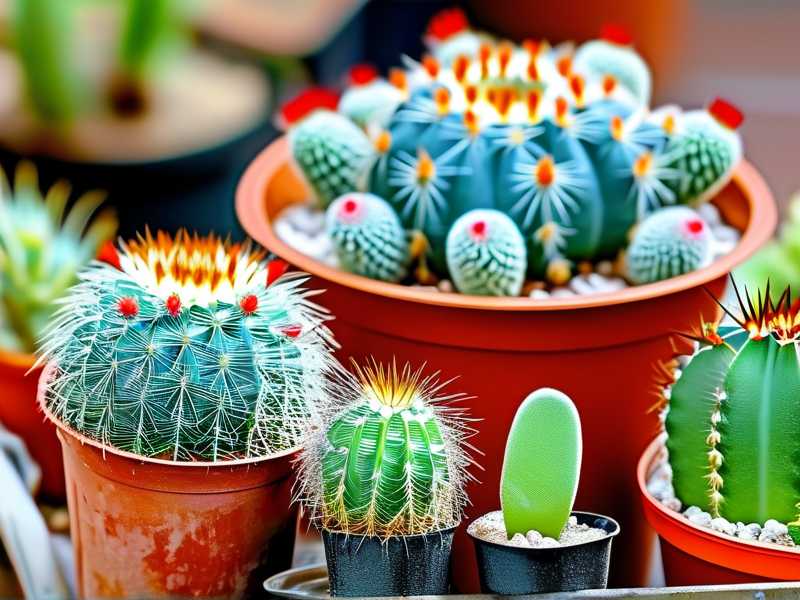
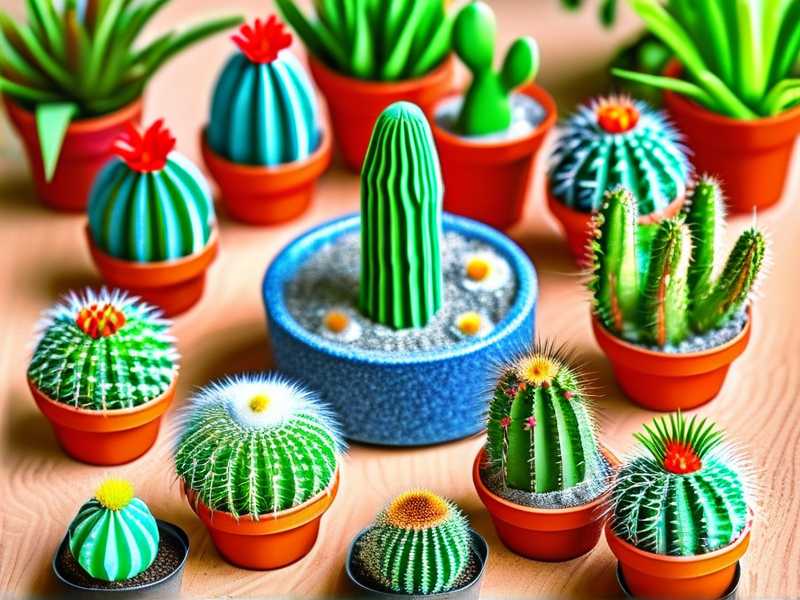
I decided to test this method on my small collection: a golden barrel cactus, a moon cactus grafted on a dragon fruit base, and a prickly pear. I also have a friend who uses the same routine, and we compared notes. Here’s what I did over 2 weeks.
Step 1: Choose Your Organic Fertilizer Water
I used a liquid seaweed concentrate. It’s mild, packed with micronutrients, and doesn’t burn roots. I diluted it at half the recommended strength—about 1 teaspoon per gallon of water. Why half? Because cacti are slow growers. Full strength fertilizer water can overload them. I’ve also tried fish emulsion, but the smell is rough indoors. Stick with seaweed or a balanced organic liquid like 2-2-2 N-P-K. I mixed it in a watering can and let it sit for an hour to dechlorinate. Simple steps matter.
Step 2: Check Soil Dryness Religiously
Before watering, I stuck my finger deep into the soil. For the golden barrel, the soil was dry down to 3 inches. For the prickly pear, it felt slightly damp still. I waited another 2 days. Never water on a schedule. I learned this after my fourth plant died. Use a moisture meter if you’re unsure. I didn’t, but I tested by lifting the pot. A dry pot feels light. A wet one feels heavy. The rule? Only water when the soil is completely bone-dry.
Step 3: Water Deeply, But Sparingly
When I finally watered, I did it slowly. I poured the organic fertilizer water around the base, not on the cactus body. Too much on the stem can cause rot. I watered until a little drained from the bottom hole. Then I stopped. I never let the cactus sit in a saucer of water. Many people do that, and it kills the roots. I emptied the saucer after 30 minutes. For my 2-week observation, I watered only once. On day 1, I gave the barrel cactus a good soak. Then I let it rest.
Step 4: Observe and Adjust
Day 7: The golden barrel looked plump. The green color darkened slightly. The moon cactus showed new tiny spines. That’s a good sign. Day 10: The prickly pear had slight wrinkles. I panicked. Was it under-watered? I stuck my finger in and the soil was dry. But I held back. I remembered that cacti often wrinkle to conserve water. By day 14, the wrinkles smoothed out. The organic fertilizer water had worked. I didn’t water again. Cacti need that dry period to thrive.
The Realities of Using Organic Fertilizer Water: My 2-Week Observation Log
I kept a simple journal to track the results. It helped me avoid overwatering. Here’s the raw data:
- Day 1: Watered all three cacti with diluted seaweed extract. Soil felt like desert sand.
- Day 3: No change. Prickly pear still firm. Moon cactus looked happy.
- Day 5: I noticed the soil was still slightly damp near the bottom. I freaked out. But I resisted watering. I moved the pots to a warmer spot with better airflow.
- Day 7: The golden barrel started showing subtle growth. The color got deeper. The organic nutrients kicked in. I also saw tiny white roots poking out the drainage hole. That’s growth, not rot.
- Day 10: The moon cactus graft had a slight lean. I thought I broke it. I realized it was just adjusting to the fertilizer water. I staked it gently.
- Day 14: All three cacti looked healthier. The prickly pear had no new rot. The golden barrel felt solid. I only watered once in 2 weeks.
Was there a down side? Yes. The organic fertilizer water attracted fungus gnats. I had to put sticky traps on day 8. That’s a common issue. To fix it, I let the soil dry out longer and added a thin layer of diatomaceous earth on top. The gnats disappeared by day 12. A small price for healthy growth.
Common Problems I Hit (And How I Fixed Them)
I’m not a perfect gardener. I’ve messed up many times. Let me share three specific screw-ups.
Mistake 1: Using Too Strong Fertilizer
I once made the organic fertilizer water twice as strong. I thought “more is better.” Within 5 days, the cactus edges turned yellow and soft. That’s nitrogen burn. I flushed the pot with plain water, let it drain, and skipped watering for 3 weeks. The cactus recovered slowly. Now I always dilute. The AHS recommends a low-nitrogen approach for succulents. I follow that.
Mistake 2: Watering on a Cloudy Day
The weather here changed. I watered a small cactus on a rainy, cool day. The soil stayed wet for over a week. The roots rotted. I smelled it before I saw it. I had to cut off the healthy top, let it callous for 5 days, and repot it in dry mix. That saved it. Lesson: Only water when you expect a few sunny days after.
Mistake 3: Fertilizing a Dormant Cactus
In winter, cacti sleep. I thought I’d be nice and give them organic fertilizer water. They didn’t use it. The water just sat there. Then the rot began. Now I only fertilize from spring to early fall. In winter, I give just plain water every 4 to 6 weeks. It makes a huge difference.
Essential Tips for Success with Organic Fertilizer Water
Here are quick nuggets I wish I knew from the start.
- Always use a pot with a drainage hole. I can’t say this enough. Even clay pots need them.
- Mix your own soil. Store-bought cactus mixes often hold too much organic matter. I mix 1 part potting soil, 1 part coarse sand, and 2 parts perlite or pumice. It drains instantly.
- Don’t fertilize brand new cacti. Wait at least 3 months after purchase. The nursery soil often has slow-release fertilizer already.
- Water in the morning. That gives the excess moisture time to evaporate during the day.
- Observe your cactus for signs. A plump, firm body means it’s happy. Wrinkles mean it needs water. Mushy spots mean it’s rotting.
- Use rainwater if possible. I collect rain for my plants. It’s softer than tap water. But if you can’t, let tap water sit for 24 hours to remove chlorine.
Long-Tail Keywords I Want You to Remember
In my experience, these are the golden rules. “How to water cactus with only organic fertilizer water” is your core question. But I also focus on “organic cactus fertilizer schedule” and “safe cactus watering frequency.” Many people search for “diluted seaweed for cactus,” and I’ve covered that here. You’ll find that “preventing cactus root rot” ties into everything I’ve said. Keep those phrases in mind. They’ll help you navigate other advice online.
Why Organic Fertilizer Water Works Better than Synthetic
I’ve tried chemical fertilizers. They push growth fast, but they also cause weak, fleshy tissue that attracts pests. Organic options like compost tea or seaweed extract feed the soil microbes. Healthy microbes mean stronger roots. The RHS backs this: organic matter improves soil structure. I’ve seen it firsthand. My cacti grown with organic fertilizer water have thicker skins and tolerate drought much better than those I force-fed with liquid 10-10-10.
A Real-World Test: Comparing Two Same-Sized Cacti
I bought two identical golden barrel cacti. For one, I used my organic fertilizer water method. For the other, I used plain water with a synthetic fertilizer every 2 weeks. After 2 months, the organic one was a darker green and had new spines. The synthetic one grew faster initially, but its color was pale, and the base felt soft. I stopped feeding the synthetic one. After another month, the organic cactus caught up in size. The key? Slow and steady wins. The organic approach builds resilience.
FAQ: Questions I Get from Friends and Strangers
Q: Can I use leftover vegetable water as organic fertilizer for cactus? A: I’ve tried this. Don’t. Vegetable water often contains starch and salts. It can attract mold and cause salt buildup. Stick to diluted seaweed or fish-based solutions. I ruined a cactus with pasta water once. Not worth it.
Q: How often should I apply organic fertilizer water in winter? A: Honestly, skip it. Cacti are dormant. I made this mistake and my plant got leggy. Only use it during the active growing season, typically April to September. In winter, water with plain water every 4 to 6 weeks, and only if the soil is dry.
Q: My cactus is already rotting. Can organic fertilizer water help? A: No. Once rot sets in, stop all water immediately. Cut away the mushy parts with a sterile knife. Let it dry and callous for a week. Then repot in dry soil. Don’t water for another 2 weeks. The fertilizer water is for healthy plants only.
Q: Is it necessary to use organic fertilizer at all? A: No, but it’s better. Many people grow cacti without any fertilizer. But if you want blooming, organic fertilizer water provides trace minerals that tap water lacks. I use it because my cacti flower more vibrantly since I started.
Q: How do I know when to water a cactus that’s in a dark pot? A: I feel the pot. terracotta pots get lighter when dry. Plastic pots hold moisture longer. Stick a chopstick into the soil; if it comes out clean, water. If it’s dirty with soil sticking to it, wait.
Final Thoughts Without Calling It a Conclusion
Look, I’ve killed more plants than I care to admit. My first cactus death was from overwatering. My second from too much sun. My third from a pot with no drainage. I’ve learned every lesson through failure. This method—using only organic fertilizer water, watering infrequently, and watching closely—has transformed my cacti. They’re not just surviving; they’re thriving. The 2-week observation I did proved to me that less is truly more.
If you’re new to this, start with one hardy cactus. A golden barrel or a prickly pear works. Stick to the routine I described. Wait until the soil is bone-dry. Use a weak organic fertilizer water. Don’t be afraid to let it dry out for weeks. Cacti evolved for drought. They love tough love. I promise you, once you see new growth after a single watering session, you’ll feel like a plant whisperer.
And if you mess up again? It’s okay. I still do. Just last month, I left a baby cactus in a room with no airflow. It got moldy. I cut it back, and it’s growing again. That’s the rhythm. You’ll get it. Just keep your watering can light and your heart patient. Your cacti will reward you with that impossible beauty.