bluename
 How to Water Cactus for Drought-Resistant Garden Displays
Let me get straight to the point. You need to water cactus deeply but infrequently—every 2 to 4 weeks during the growing season, and barely at all in winter. I learned this the hard way after killing my first three cacti within six months. Here's exactly what I do now for my drought-resistant garden displays, including the two-week observation cycle I follow.
Why Most People Kill Their Cacti with Water
I remember my first cactus. It was a cute little barrel cactus I bought from a nursery. I watered it every three days because I thought all plants need consistent moisture. Within two weeks, it turned mushy and yellow. That's when I discovered the brutal truth: 90% of indoor plants die from overwatering, and cacti are especially vulnerable. Their roots rot fast when sitting in damp soil.
The Three Deadly Mistakes New Cactus Owners Make
Mistake #1: Watering Too Frequently
I was guilty of this for months. I thought cacti need water like any other houseplant. But cacti are desert survivors. They store water in their stems and roots. When you water too often, the roots never dry out properly. This leads to root rot, which is almost always fatal.
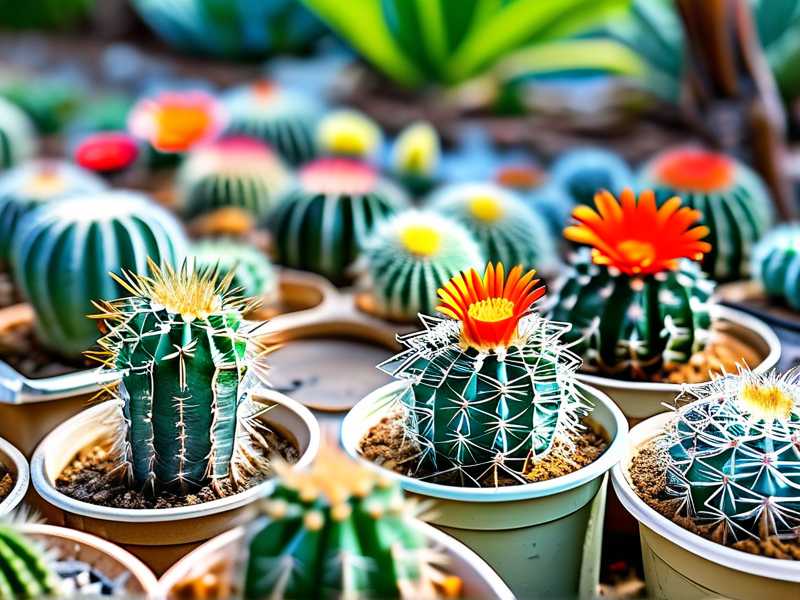
The fix is simple. Wait until the soil is completely dry before watering again. I use a wooden skewer to check. Stick it deep into the pot. If it comes out clean, it's time to water. If it's damp, wait another week.
Mistake #2: Wrong Light Exposure
I kept my first cactus on a north-facing windowsill. It stretched out, got pale, and stopped growing. Cacti need at least four to six hours of direct sunlight daily. Without enough light, they become weak and more prone to overwatering issues.
I learned this after killing my second cactus. It was a saguaro that turned into a sad, etiolated mess. Now I place all my cacti on south or west-facing windowsills. For garden displays, I choose spots with full sun exposure.
Mistake #3: Using the Wrong Pot
My third cactus died because I used a beautiful ceramic pot without drainage holes. I thought I was being careful by adding pebbles at the bottom. But that actually made things worse. Water pooled at the bottom, and the roots rotted within two weeks.
Now I only use pots with drainage holes. Terra cotta pots are my favorite because they wick away excess moisture. For my drought-resistant garden displays, I also use raised beds with sandy, well-draining soil.
My Two-Week Observation Cycle for Watering Cactus
I follow a strict two-week schedule for all my cacti. Here's what I do.
Week One: The Dry Phase
After watering, I don't touch the plant for at least seven days. I check the soil moisture every two days using the skewer test. If the skewer comes out moist, I leave it alone. If it's dry before the seven days are up, I wait until day seven anyway.
I also observe the cactus for signs of thirst. The skin might look slightly wrinkled or deflated. The spines might feel softer than usual. These are natural indicators that the plant is using its stored water.
Week Two: The Watering Decision
On day seven, I do the deep check. I stick a wooden skewer all the way to the bottom of the pot. If it's completely dry, I water deeply. I pour water slowly until it drains out the bottom. Then I wait again for another two weeks.
During active growing months from spring to fall, I water every two weeks. In winter, I cut back to once a month or even less. Some cacti go completely dry for two months during dormancy.
How I Set Up My Drought-Resistant Garden Display
I started my drought-resistant garden display four years ago. I wanted a low-maintenance setup that looks good year-round. Here's what I did.
I chose a south-facing area with full sun. I built a raised bed with sandy soil mixed with perlite and coarse sand. The ratio is roughly one part organic potting mix to two parts sand and perlite. This ensures water drains quickly and roots never sit in moisture.
I grouped my cacti by water needs. Fast-growing cacti like prickly pears need slightly more water. Slow-growing ones like barrel cacti need less. I place the ones that need more water at the edge of the bed, so I can water them separately.
I also added agaves and succulents to create visual contrast. These plants have similar water needs, so I can water them all on the same schedule. The whole display looks lush without constant maintenance.
My Real-Life Watering Failures and Fixes
The Overwatered Barrel Cactus
I had a beautiful barrel cactus that turned soft and mushy. I thought I was doing everything right by watering every ten days. But the soil remained damp for too long. The roots rotted, and within two weeks, the entire plant collapsed.
The solution was drastic. I removed the cactus from the pot, cut away all the rotten roots, and let it dry for a week. Then I repotted it in dry, sandy soil. I didn't water for another month. Amazingly, it survived and started growing again.
Now I always check soil moisture before watering. I never assume it's time just because two weeks have passed.
The Stretched-Out Saguaro
My first saguaro cactus looked like a skinny green bean. It was pale, thin, and leaning toward the window. I had placed it on my desk, which only got indirect light. Within two weeks, it stretched out and lost its shape.
I move it to a south-facing windowsill. But the damage was already done. The stretched parts never filled out. Now I always place cacti in full sun from day one. Stretching is reversible only if you catch it early.
The Soggy Pot Disaster
I used a plastic pot without drainage holes for a small mammillaria. I thought adding gravel at the bottom would help. But water pooled in the gravel layer and stayed there for weeks. The roots rotted, and the cactus turned to mush.
I replanted it in a terra cotta pot with drainage holes. I also added more perlite to the soil mix. The cactus recovered after two months of careful drying cycles. Now I never use pots without drainage.
Expert Tips from RHS and AHS
I always check guidelines from reputable sources. The RHS recommends watering cacti from the base to avoid wetting the stem. This prevents fungal diseases. I use a tray with water and let the plant absorb what it needs.
The AHS suggests using rainwater for cacti if possible. Tap water can contain minerals that build up in the soil. I started collecting rainwater for my cacti, and they seem healthier.
Both organizations agree that winter is a critical period. Cacti need minimal water during dormancy. I water my collection only once every six weeks from November to February.
Seasonal Watering Schedule for Cacti
Spring (March to May)
This is when cacti come out of dormancy. I water every two weeks. I check soil moisture before each watering. If the soil is still damp, I wait a week longer.
Summer (June to August)
During peak growing season, I water every ten to fourteen days. I give them a deep soak until water drains out the bottom. For garden displays, I water in the morning to reduce evaporation.
Fall (September to November)
I start reducing watering frequency to every three weeks. The cactus is preparing for dormancy. I stop fertilizing completely.
Winter (December to February)
I water sparingly, maybe once a month or less. For some species, I skip watering entirely for six weeks. The soil must be bone dry between waterings.
Common Questions About Watering Cactus
How do I know if my cactus needs water?
I look for visual cues. The skin might wrinkle slightly. The cactus might feel lighter when I lift the pot. The spines might feel softer. But the most reliable method is the wooden skewer test. Stick it in the soil. If it comes out dry, water.
Can I use ice cubes to water my cactus?
I tried this once, and it didn't work well. The cold water shocked the roots, and the cactus stopped growing for two weeks. Now I use room temperature water only. Ice cubes also release water too slowly, which can lead to uneven moisture.
Is misting good for cacti?
No. Cacti don't need misting. They absorb water through their roots, not their skin. Misting can actually cause fungal spots or rot on the stem. I never mist my cacti.
My Final Watering Wisdom
Honestly, the most important lesson I learned is to let go. You don't need to hover over your cactus. They thrive on neglect. I check my collection once every two weeks during spring and summer. In winter, I barely look at them.
Start with the right pot, the right soil, and the right light. Water only when the soil is completely dry. And remember, it's better to underwater than overwater. I've killed more cacti with kindness than with neglect.
For your drought-resistant garden display, group plants with similar water needs. Use sandy, fast-draining soil. And keep a watering schedule based on the season. Follow these steps, and your cacti will thrive for years.