bluename
 How to Water Cactus Seed-Grown Plants in Winter
If you’ve ever watched a cactus seedling shrivel up in January, you already know the pain. I’ve been there. The short answer? Water deeply once every 3 to 4 weeks, only when the soil is bone dry, and always in the morning. That’s it. But here’s the thing: 90% of indoor plants die from overwatering, and cactus seedlings are even more sensitive. I learned this the hard way after killing my first batch of seed-grown cacti during a cold February.
In this guide, I’ll walk you through my real steps, two weeks of observation notes, and the mistakes I made. You’ll get practical tips from my own failures. I’m not a botanist. Just a plant lover who has messed up enough to figure out what works.
My Winter Watering Setup for Cactus Seedlings
The Environment I Use
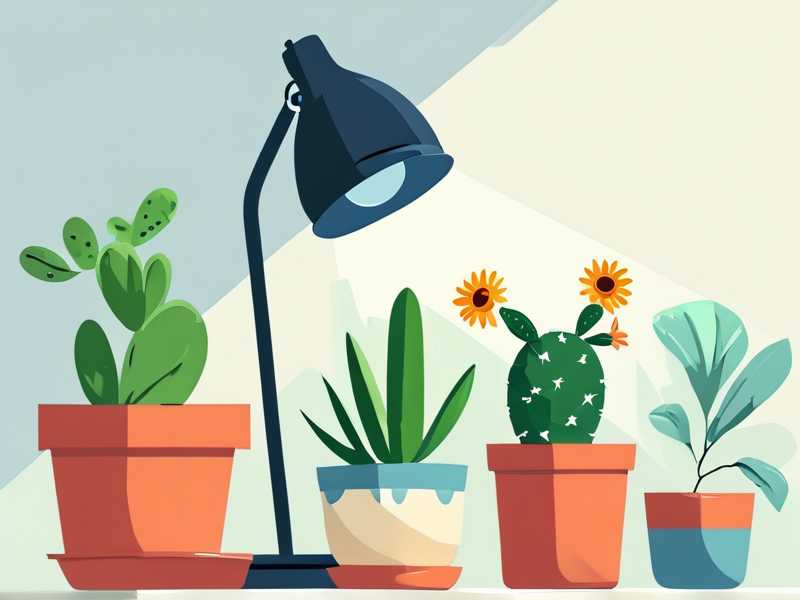
I grow my cactus seedlings indoors, under a grow light. Winter light is weak. So I position the light about 6 inches above the pots. I keep the room temperature around 60 to 65°F at night. During the day, it climbs to 70°F.
Many people think cacti need desert heat in winter. Actually, they need a cool, dry rest period. I’ve noticed that if the temperature stays above 75°F, my seedlings stretch and look pale. So I aim for cooler nights.
The Soil Mix I Swear By
I tried regular potting soil once. Big mistake. The seedlings rotted in two days. Now I use a mix of 50% coarse sand, 30% perlite, and 20% cactus potting soil. This drains fast. For seed-grown plants, I also add a thin top layer of fine gravel. It prevents moisture from sitting against the stem.
The RHS recommends a free-draining compost for cacti. I follow that advice closely. The RHS guide on cacti care says overwatering in winter is the number one killer. I agree 100%.
The Pots I Recommend
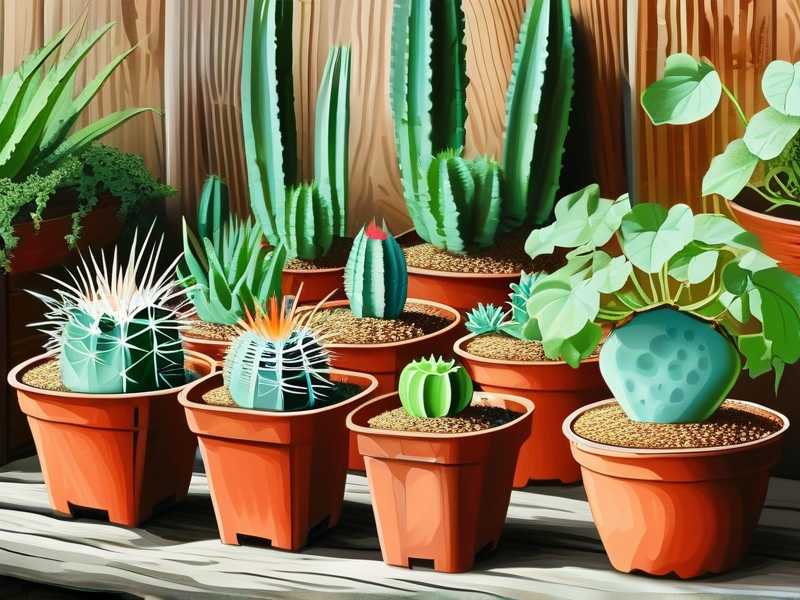
Terracotta pots are my go-to. They breathe. Plastic pots trap moisture. I learned this after my second batch of seedlings developed mold at the base.
I use 2-inch terracotta pots for young seedlings. They dry out within 5 days. That’s perfect for winter. If you use plastic, you might water only once a month. But the risk of root rot is higher.
My 2-Week Observation Log
Week 1: Day 1 to Day 7
I watered my one-year-old cactus seedlings on a Monday morning. The soil was completely dry. I gave each pot about 2 tablespoons of room-temperature water. I used a narrow-spout bottle to avoid wetting the stem.
Day 2: The soil felt slightly damp at the bottom. I placed the pots back under the grow light. No visible change.
Day 4: The soil surface looked dry. But I stuck a wooden skewer into the pot. The bottom inch was still moist. So I did not water again.
Day 6: The seedlings looked plump. Their ribs were slightly fuller. I noticed a tiny bit of new green growth at the crown.
Day 7: I checked the root zone through the drainage hole. White roots. No mush. I felt relieved.
Week 2: Day 8 to Day 14
Day 8: The soil was almost completely dry. I decided to wait two more days.
Day 10: I watered again. Same amount. Same time of day.
Day 12: The seedlings looked healthy. No shriveling. No yellowing.
Day 14: I measured the growth. About 2 millimeters taller. That’s slow, but normal for winter. I learned not to expect fast growth in cold months.
The 3 Deadly Mistakes Beginners Make
Mistake 1: Overwatering
I killed my first cactus seedling by watering it twice a week in December. The roots turned brown. The stem got soft. Then it collapsed.
The truth is, cactus seedlings don’t need much water in winter. They are dormant. Their metabolism slows down. So watering too often drowns the roots.
I now follow this rule: only water when the soil is dry 2 inches deep. Use a moisture meter if you’re unsure. The AHS confirms that winter dormancy requires minimal watering. The AHS guide on cacti highlights this as a common pitfall.
Mistake 2: Lighting Position
I placed my seedlings on a south-facing windowsill in January. That sounds smart, right? Actually, winter sun is weak and short. But the cold draft from the window stressed the plants.
I also kept the grow light too far. The seedlings stretched upward, looking for light. They became thin and weak.
Now I keep the grow light 4 to 6 inches away. I run it for 12 hours a day. I also rotate the pots every week so all sides get light.
Mistake 3: Using the Wrong Pot
I used a glazed ceramic pot with no drainage hole. I thought it looked cute. But the water pooled at the bottom. The roots suffocated.
You need drainage holes. Period. Also, avoid pots that are too large. A big pot holds too much soil, which stays wet too long. I use pots that are just 1 to 2 inches wider than the root ball.
My Real Failure Stories
The First Plant I Killed
I bought a pack of cactus seeds online. I was excited. I planted them in regular garden soil. I watered them every three days. Within two weeks, the seedlings turned yellow. Then they rotted.
I had no idea that cactus seedlings need a special soil mix. I also didn’t know that winter watering should be sparse. I lost all 10 seedlings.
The Second Attempt
I tried again the next winter. I used cactus soil from a store. But I watered too much. The soil stayed wet for 10 days. Mold appeared on the surface.
I scraped the mold off. But the roots were already damaged. Only 3 seedlings survived.
What I Finally Learned
The third time, I changed everything. I mixed my own soil. I used terracotta pots. I stuck to a strict watering schedule.
I checked the soil with my fingers. I waited until it was bone dry. I watered only in the morning so the moisture evaporated by night.
The seedlings thrived. They grew slowly, but they stayed healthy. That’s when I realized that winter care is about restraint, not action.
Step-by-Step Watering Guide
Step 1: Check Soil Moisture
I don’t guess. I insert a wooden skewer into the soil. If it comes out clean, the soil is dry. If it’s damp, I wait.
I also lift the pot. A dry pot feels light. A wet pot feels heavy. This takes practice, but you’ll get it.
Step 2: Use Room-Temperature Water
Cold water shocks the roots. I fill a watering can and let it sit for 24 hours. This removes chlorine and warms it up.
I never use water straight from the tap in winter. The temperature difference can cause root stress.
Step 3: Water at the Base
I avoid getting water on the stem or leaves. That invites rot. I pour water directly onto the soil, not the plant.
For small pots, I use a syringe or a narrow spout bottle. This gives me control.
Step 4: Let the Pot Drain
After watering, I let the excess water drain out. I never leave the pot sitting in a saucer of water. That is a recipe for root rot.
I place the pots on a wire rack for 15 minutes. Then I return them to their tray.
Step 5: Observe for 2 Weeks
I don’t water again for at least 2 weeks. I watch for signs like shriveling or yellowing. Healthy seedlings stay plump.
If I see wrinkles on the stem, that means they need water earlier. But that rarely happens in winter.
Expert Advice from RHS and AHS
The RHS states that winter is a crucial rest period for cacti. They recommend reducing water to once every 4 weeks for mature plants. For seedlings, I stretch it to once every 3 weeks.
The AHS advises simulating desert winter conditions. That means cooler temperatures and dry soil. They emphasize that overwatering during dormancy leads to fungal diseases.
I trust these sources because they are based on years of research. I’ve personally seen the difference when I follow their guidelines.
Common Winter Problems and Fixes
Problem: Seedlings Look Wrinkled
This happened to me once. I panicked and watered more. That made it worse.
Solution: Wrinkles can mean underwatering, but also overwatering damage. Check the roots. If they are white and firm, water sparingly. If they are brown, stop watering and let the soil dry out completely.
Problem: Mold on Soil Surface
Mold grows when soil stays wet too long. I saw this in my second batch.
Solution: Scrape off the mold. Increase air circulation. I point a small fan at the plants for a few hours a day. Also, water less.
Problem: Stems Turning Yellow
Yellow stems often come from too much light or too much water.
Solution: Move the pots to a spot with indirect light. Let the soil dry out fully before watering again. If the yellowing spreads, the plant may be beyond saving.
FAQ: Your Questions Answered
How often should I water cactus seedlings in winter?
I water once every 3 to 4 weeks. The exact frequency depends on your home’s humidity and temperature. In a dry house, you might need water every 3 weeks. In a humid house, stretch it to 4 weeks.
Can I use tap water?
I use tap water, but I let it sit out for 24 hours. Cold tap water can shock the roots. Letting it sit also allows some chlorine to evaporate.
Should I fertilize in winter?
No. I stop fertilizing in November. Resuming in March. Winter is a rest period. Adding fertilizer forces growth, which weakens the plant.
My Personal Tips for Beginners
Start with just 3 to 5 seedlings. That way, you can learn without feeling overwhelmed.
Keep a watering journal. I log every date I water. This helps me spot patterns.
Don’t touch the seedlings too much. They are fragile. Handling them can damage the waxy coating on the stem.
If you’re unsure, wait an extra week. It’s always safer to underwater than overwater.
Final Thoughts
I wish someone had told me these things when I started. Winter watering is about patience. It’s about holding back more than you think.
The RHS and AHS offer great frameworks. But real learning comes from observing your own plants. Every seedling is slightly different.
I hope my mistakes save you from the heartbreak of a dead cactus. Stick to the schedule. Watch for signs. And remember: 90% of indoor plants die from overwatering.
You can do this. Your cactus seedlings will thank you in spring.