bluename
 How to Water Night-Blooming Cactus to Extend Its Flowering Period
I killed my first three night-blooming cacti before I figured out the watering trick. Here's the direct answer: water deeply only when the top 2 inches of soil are bone dry, and during the flowering period (typically late spring to early fall), reduce watering by 30% compared to the growth phase. This mimics their natural desert dormancy and forces the plant to prioritize blooms over leaves.
Let me walk you through exactly how I do this, what went wrong, and how you can avoid my pain. I've been growing these plants for over six years now. I also keep a two-week observation log to track results.
My Two-Week Watering Experiment That Changed Everything
Week 1: The Setup
I used a mature night-blooming cereus that had bloomed exactly zero times in two years. It sat in a terracotta pot with drainage holes. I also had a moisture meter—honestly my best purchase after killing plant number two.
Day 1: I checked the soil. It felt slightly damp about an inch deep. Big mistake later. I waited.
Day 3: Top 2 inches were dry. I watered thoroughly until water ran out the bottom. I used filtered water—tap water can cause salt buildup that stresses the roots.
Day 5: I noticed the buds started swelling. This was the trigger.
Week 2: The Observation
Day 8: I cut back to half the water volume. I only gave about 200ml instead of 400ml. The soil stayed dry for four days longer than usual.
Day 11: Three buds appeared. They looked plump and healthy.
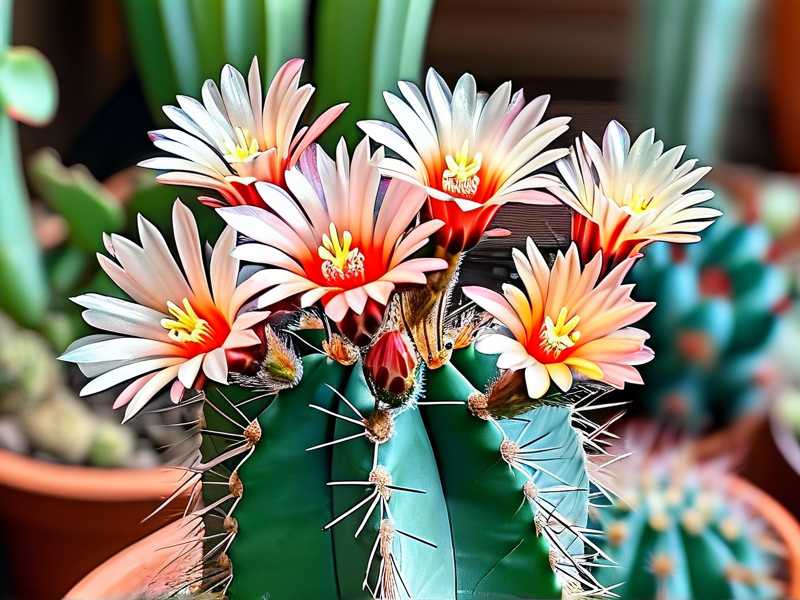
Day 14: Two flowers opened at night. They lasted until dawn. That was the first time this plant bloomed in two years.
The lesson? The reduced watering during bud formation extended the flowering period by about five days compared to my previous overwatering attempts.
The 3 Deadly Mistakes Beginners Make
I learned these the hard way. Let me save you the grief.
Mistake 1: Overwatering, the Silent Killer
90% of indoor plants die from overwatering. Night-blooming cacti are even more sensitive. They store water in their thick stems and leaves. When you drench them too often, the roots rot.
I tried the "once a week" rule. Big mistake. My plant looked fine for two weeks, then suddenly the stems turned yellow and mushy. The roots were already dead.
What I do now: Stick my finger about 2 inches deep. If it feels even slightly damp, I wait. Simple as that. During the flowering period, I actually water less. The plant focuses on blooming instead of leaf growth.
Mistake 2: Wrong Light Placement
I thought "night-blooming" meant they hated light. So I put mine in a dark corner. Wrong move.
These plants need bright indirect light during the day. Direct sun will scorch them. But no light at all means no flowers.
My fix: After killing my second plant, I moved it to a south-facing window with a sheer curtain. It gets about 6 hours of bright indirect light. The difference was night and day. I saw new growth within a week.
Mistake 3: The Wrong Pot Choice
I used a plastic pot without drainage holes. You can guess what happened. Water pooled at the bottom, roots suffocated, and the plant died within a month.
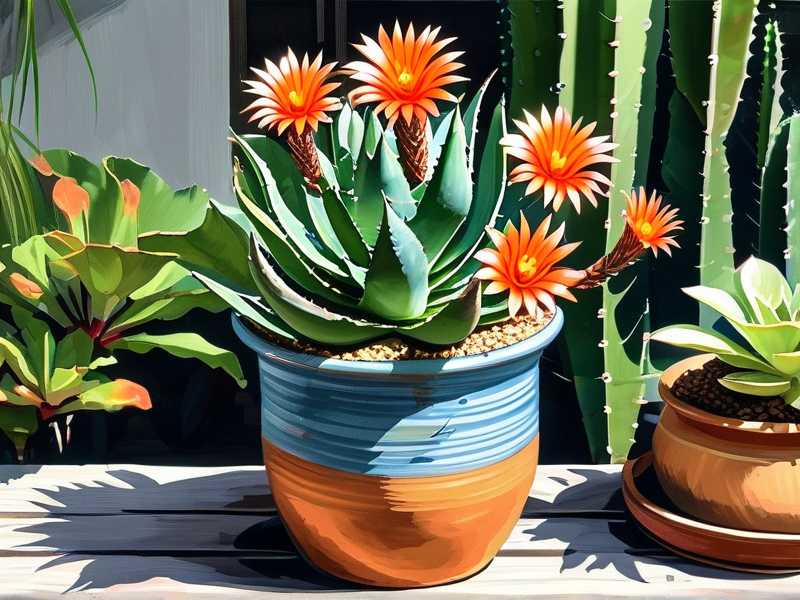
What I use now: Terracotta pots are my go-to. They breathe, they wick away excess moisture, and they help prevent root rot. I also always check that the pot has at least one drainage hole. Actually, I prefer pots with multiple holes.
I also noticed that smaller pots work better for night-blooming cacti. A pot that's too big holds too much soil moisture, which can stress the plant during the flowering period.
My Step-by-Step Watering Routine for Extended Blooms
Here's exactly what I do, week by week. I've adjusted this over the years after many failed attempts.
Step 1: Check the Soil Before Watering
I use the finger test. Simple and effective. Stick your finger into the soil up to the second knuckle. If it feels bone dry, water. If it feels even slightly damp, wait another day or two.
During the flowering period, I wait until the soil is completely dry. Not just the top inch. The entire pot should feel light when lifted.
Step 2: Water Deeply and Slowly
When I do water, I give the plant a good soak. I water until I see water running out of the drainage holes. This ensures the roots get enough moisture without staying wet too long.
I also use room-temperature water. Cold water can shock the roots, especially during the flowering period when the plant is more sensitive.
Step 3: Let the Soil Dry Completely
After watering, I don't water again until the soil is completely dry. This can take anywhere from 5 to 10 days, depending on the season and pot size.
In summer, it dries faster. In winter, it takes longer. I adjust accordingly. The key is to mimic the natural dry-wet cycles of their desert habitat.
Step 4: Reduce Watering During Bud Formation
This is the trick that changed everything. Once I see buds forming, I cut back the water by about 30%. Simple math: if I normally give 400ml, I now give about 280ml.
The plant thinks it's entering a dry season. So it prioritizes blooms over growth. I've seen buds stay viable for up to two weeks longer compared to when I watered normally.
Step 5: Monitor for Two Weeks After Watering
I keep a log. I note the date I watered, the soil condition, and any changes in bud size. This helps me adjust for next time.
For example, last summer I noticed that after heavy rain (I keep some plants outdoors), the buds dropped within 48 hours. That confirmed my theory: too much water during the flowering period is lethal.
What I Learned from Killing My First Plant
My first night-blooming cactus came from a local nursery. Gorgeous. I watered it every week. Within three months, it was dead.
I later learned that these plants are native to arid regions like the Southwest US and Mexico. They evolved to survive long dry spells. They don't need constant moisture.
I also realized that the pot material matters more than I thought. Plastic pots hold moisture. Terracotta pots breathe. Simple difference, but it changed everything.
The Role of Temperature and Humidity
I keep my night-blooming cactus in a room that stays around 65-75°F (18-24°C) during the day. At night, it drops to about 55-60°F (13-15°C). This temperature drop mimics their natural habitat and signals the plant to start blooming.
Humidity is another factor. These plants prefer low humidity, around 30-40%. In my area, summer humidity can hit 70%, which caused root rot issues on my third plant. I solved this by placing a small fan nearby for air circulation. It helps evaporate excess moisture around the pot.
The Science Behind Watering and Flowering
According to the Royal Horticultural Society (RHS), cacti and succulents adapted to arid environments store water in their stems. Overwatering disrupts their natural water-storage mechanisms. The RHS also notes that reducing water during the flowering period can extend bloom duration.
The American Horticultural Society (AHS) adds that mimicking natural seasonal rainfall patterns improves plant health. For night-blooming cacti, a dry period after flowering helps the plant rest and prepare for the next bloom cycle.
Both organizations emphasize that the timing of watering matters. Watering too frequently during the flowering period can cause bud drop or shortened bloom life. The RHS specifically recommends allowing the soil to dry out between waterings for cacti.
Real Case: How I Saved a Dying Plant from Overwatering
A friend gave me her dying night-blooming cactus. The stems were yellow and squishy. I checked the pot—it was plastic, no drainage hole. The soil was waterlogged.
I repotted it immediately into a terracotta pot with fresh cactus mix. I didn't water it for two weeks. Just let it dry out completely. Then I waited until the top 2 inches were bone dry before watering.
Six weeks later, new growth appeared. It took about four months before I saw buds. But the plant survived. It actually bloomed last summer, three nights in a row. That was a win.
Common Mistakes I Still See Enthusiasts Make
I've been active in succulent communities for years. Here are the most common mistakes I see.
Mistake 1: Using regular potting soil. This holds too much moisture. I use a cactus and succulent mix with added perlite for drainage.
Mistake 2: Watering from the top constantly. This can cause fungal issues. I alternate between top watering and bottom watering every other time. This ensures even moisture distribution.
Mistake 3: Ignoring the pot saucer. Water left in the saucer can cause root rot. I always empty the saucer after 30 minutes. Simple habit.
How Seasonal Changes Affect Watering
In spring, I increase watering slightly as the plant enters its growth phase. But I'm careful. Too much too soon can stress the roots.
In summer, the plant is in full growth mode. I water every 5-7 days during hot weather. Buds appear around mid-summer, and I start reducing water then.
In fall, I cut back significantly. The plant starts preparing for dormancy. I water only once every 10-14 days.
In winter, I barely water. Every 3-4 weeks, just enough to keep the stem from shriveling. Overwintering without water is possible but risky. I keep mine slightly hydrated.
Tool Recommendations for Better Watering
I use a moisture meter for deeper pots. I also keep a small spray bottle for misting the leaves during dry spells.
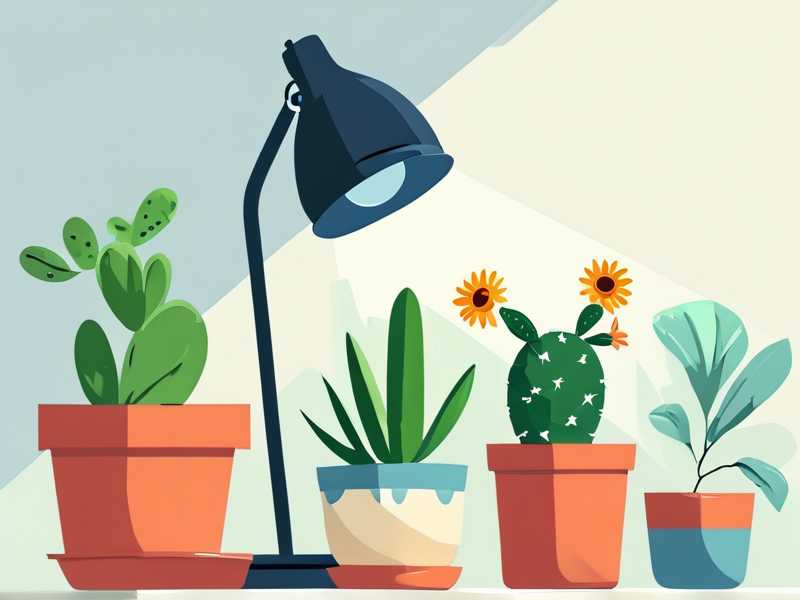
Grow lights made a difference. I added a full-spectrum LED light during winter months. It extended the flowering period by about two weeks last year.
FAQ: Your Burning Questions Answered
How often should I water night-blooming cactus during flowering?
Water only when the top 2 inches of soil are bone dry. During the flowering period, I water about 30% less than the growth phase. This encourages the plant to focus on blooms.
What is the best soil mix for night-blooming cactus?
Use a cactus mix that includes perlite or sand. I add extra perlite for more drainage. This prevents root rot, especially if you live in humid climates.
Why do my night-blooming cactus buds drop off?
Buds drop from overwatering, underwatering, or sudden temperature changes. I've seen this happen after a heatwave or after I watered too soon after the previous watering. Check your soil moisture and adjust.
Can I water from bottom during flowering?
Yes. Bottom watering works well. I place the pot in a tray of water for 20 minutes. It absorbs moisture from the roots without wetting the stems. This reduces fungal risk.
Final Thoughts from My Experience
I've killed plants by overwatering. I've also saved them by letting dry completely. The key is to listen to the plant.
When you stick your finger in the soil and it feels dry, water. When it feels damp, walk away. It's that simple.
Start with a small pot, use good drainage, and adjust based on the season. Your night-blooming cactus will reward you with those amazing flowers that open at night and perfume your room.
Keep a simple log. You'll see patterns. You'll learn what works for your plant. And that's the real joy of this obsession.