 bluename
 How to Water Cactus in Miniature Terrariums
You need to water your cactus in a miniature terrarium once every 2 to 4 weeks. And you should use a dropper or syringe to target the soil, not the plant. I learned this the hard way after killing three beautiful cacti in tiny glass worlds. My first mistake? I poured water like it was a normal pot. That drowned the roots in three days. 90% of indoor plants die from overwatering, and cacti are even more sensitive in closed terrariums. I have been obsessed with miniature terrariums for over two years now. So let me walk you through exactly what works. No fluff. Just real steps from my own kitchen table experiments.
Why Miniature Terrariums Are Tricky for Cacti
Many people think cacti love dry conditions. That part is true. But a miniature terrarium traps humidity. The glass walls keep moisture inside. It creates a microclimate that feels like a tiny greenhouse. I remember my first terrarium setup. I bought a cute glass jar from a thrift store. I added pebbles, soil, and a small barrel cactus. It looked perfect for a week. Then the soil stayed wet. The base of my cactus turned brown. Within ten days, it was mush. That was my first lesson.
The RHS explains that cacti need excellent drainage and airflow. In a miniature terrarium, both are limited. You have to adjust your watering habits completely. The AHS also recommends using a well-draining soil mix specifically for succulents. I ignored that advice at first. Big mistake.
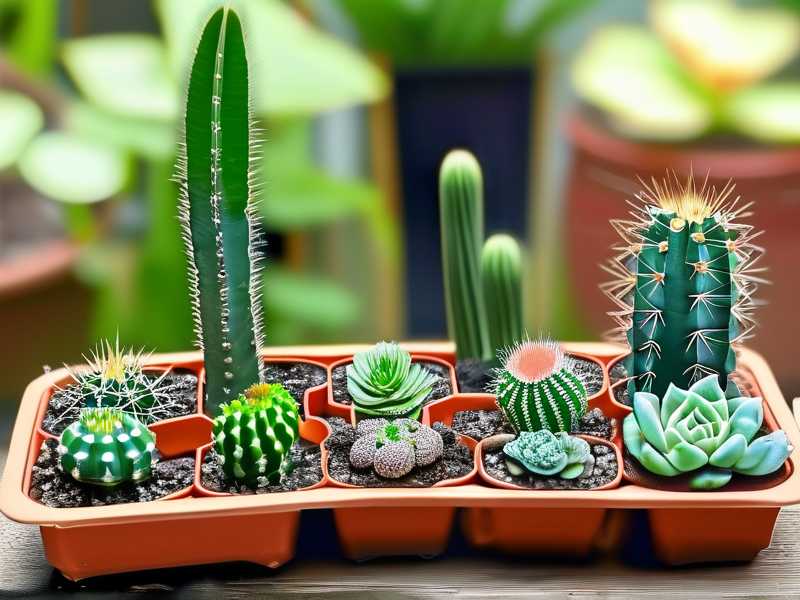
My 2-Week Observation: How I Fixed My Watering Routine
I decided to run a controlled experiment. I took two identical miniature terrariums. Both had a 2-inch layer of gravel at the bottom. Both used a cactus potting mix from a local nursery. I planted a small golden barrel cactus in each one. For the first terrarium, I followed my old method. I watered it once a week with a small cup. For the second terrarium, I used a dropper. I watered only when the soil was bone dry. I tracked everything for 14 days.
Week 1 Results:
- Terrarium 1 (cup watering): Soil felt moist on day 3. By day 5, I noticed a slight yellow tint on the cactus base. On day 7, the soil smelled musty.
- Terrarium 2 (dropper watering): Soil felt dry by day 4. I waited until day 6 to water again. The cactus looked plump and green. No issues.
Week 2 Results:
- Terrarium 1: On day 10, the base turned soft. I dug it out. The roots were brown and slimy. Rot had set in. I lost that plant.
- Terrarium 2: On day 14, the cactus looked healthy. The spines were firm. The soil stayed dry for most of the week. I only watered twice in the whole period.
My takeaway? Less is always more. The dropper method saved my second cactus. I have not lost a cactus in a terrarium since then. But this took trial and error. I also realized I needed to check the soil with my finger. If it feels damp an inch down, do not water. Simple.
3 Major Mistakes Beginners Make (And How I Made All of Them)
Mistake 1: Overwatering
This is the biggest killer. I cannot stress this enough. 90% of indoor plants die from overwatering. For cacti in miniature terrariums, that number might be higher. I once had a beautiful echinopsis cactus in a small glass bowl. I watered it every five days. I thought it was being diligent. Within two weeks, the roots were gone. The soil became a breeding ground for fungus gnats. I had to throw everything away.
Here is what I do now. I wait until the soil is completely dry. I mean, dry like desert sand. Then I use a syringe to add water directly to the soil around the roots. I avoid the cactus body completely. Water sitting on the cactus can cause rot spots. It also helps to use a small watering can with a narrow spout. But the dropper or syringe is my go-to. You have more control.
Mistake 2: Wrong Light Placement
Many people put their miniature terrariums on a desk or shelf. That is often too dark. Cacti need bright, direct light. I learned this after my second cactus death. I had placed the terrarium on my nightstand. It got only morning light for two hours. The cactus started stretching toward the window. It became pale and weak. Then I watered it more, thinking it was thirsty. Bad move.
You need to place your terrarium near a south-facing window. Or use a grow light if you do not have good natural light. I use a small LED grow light for my winter setups. The RHS suggests at least 6 hours of direct sunlight for most cacti. In a glass terrarium, the glass can magnify heat. So monitor the temperature too. If the glass feels hot to the touch, move it a few inches away from the window.
Mistake 3: Using the Wrong Container
I bought a decorative terrarium with no drainage holes. It looked beautiful. But it was a death trap. Water had no way to escape. The soil stayed soggy. My cactus rotted in under two weeks. I now only use containers with a drainage hole at the bottom. If the container has no hole, I add a thick layer of gravel and activated charcoal. The charcoal helps absorb excess moisture and odors.
Also, avoid sealed terrariums for cacti. I tried a corked glass bottle once. The humidity was so high that condensation formed on the walls. My cactus started developing white mold. I had to take it out and repot it. Open terrariums work best. They allow air circulation. If you really love a closed design, keep the lid off most of the time. Only put it on for short periods.
Step-by-Step: How I Water My Cactus Terrarium Now
I have a simple routine that has worked for over a year. I want to share it with you.
Step 1: Check the Soil Moisture I stick my finger about an inch into the soil. If it feels dry, I water. If it feels damp, I wait. I also use a wooden skewer sometimes. Insert it into the soil. If it comes out clean, the soil is dry. If it comes out with damp dirt, skip watering.
Step 2: Use the Right Tool I fill a syringe with room-temperature water. I avoid cold water because it can shock the roots. I direct the water to the soil around the base. I do not soak the entire surface. I water only a small area. For a 3-inch terrarium, I use about one tablespoon of water. That is it.
Step 3: Wait and Observe After watering, I wait. I do not water again for at least 10 to 14 days. I watch the cactus. If it looks plump and green, I am on track. If it starts to shrivel, I might water a little earlier. But that rarely happens. I also check for signs of rot. Soft spots or brown discoloration mean I need to stop watering and maybe repot.
Step 4: Adjust for Seasons In winter, my cacti go dormant. I water them only once a month. In summer, they grow actively. I water them every two weeks. I learned this after a winter watering disaster. I kept my usual schedule. The soil stayed wet for three weeks. The cactus got root rot again. Now I cut back drastically in colder months.
My Personal Story: I Killed My First 3 Cactus Terrariums
I am not shy about my failures. I think it helps others avoid the same pain. My first cactus terrarium was a gift from a friend. It came with a tiny pot and a layer of colored sand. I thought it was low maintenance. I watered it every week. Within ten days, the cactus turned yellow and collapsed. I felt terrible.
My second attempt was better. I used a bigger container with drainage. But I placed it on a north-facing shelf. The cactus grew tall and spindly. It looked like a sad green noodle. I watered it again, thinking it needed nutrients. Nope. It rotted. I threw it away.
My third try was the most frustrating. I bought a specialized cactus soil. I added pebbles at the bottom. I placed it near a sunny window. But I watered it with a spray bottle. Mist every day. I thought cacti liked humidity. Wrong again. The soil surface stayed damp. The roots suffocated. That cactus lasted three weeks.
After those three failures, I did deep research. I read articles from the RHS and the AHS. I joined online forums. I realized my biggest flaw was inconsistency. I kept changing methods. Now I stick to one routine. I test the soil. I water sparingly. I watch for signs. It has been 18 months since my last cactus death. I have five miniature terrariums now. They are all thriving.
Common Questions About Watering Cacti in Miniature Terrariums
FAQ 1: How Do I Know If My Cactus Needs Water?
This is the most common question I get from beginner plant enthusiasts. The easiest sign is the soil. If the top inch is completely dry, it is time to water. You can also look at the cactus. A thirsty cactus might look slightly wrinkled or deflated. But do not wait until it is shriveled. That is a sign of stress. Another trick is the weight test. Lift the terrarium. If it feels light, the water is gone. If it feels heavy, there is still moisture inside.
FAQ 2: What Should I Do If My Cactus Starts Turning Brown?
Brown spots usually mean rot. If you catch it early, you can save the plant. Stop watering immediately. Remove the cactus from the terrarium. Cut away any mushy or brown roots with a clean knife. Let the cactus sit in a dry place for two days. Then repot it in fresh, dry cactus soil. Do not water for at least a week. I have saved two cacti this way. It works if you act fast.
FAQ 3: Can I Use Tap Water for My Cactus?
I used tap water for a long time. It caused white mineral deposits on my cactus. The leaves looked chalky. Some cacti are sensitive to chemicals in tap water. I now use distilled water or rainwater. If that is not possible, let tap water sit out for 24 hours. That allows chlorine to evaporate. It is a small change that makes a big difference. I noticed my cacti looked greener after switching to filtered water.
Final Thoughts on Watering Cactus in Miniature Terrariums
I hope my mistakes help you avoid the same heartbreak. Miniature terrariums are beautiful. They bring a tiny piece of desert into your home. But they need a gentle hand. Overwatering is the enemy. Light is your friend. And the right container matters more than you think.
Just remember this simple rule. Water less than you think you should. Check the soil before pouring. Use a dropper for precision. Your cactus will reward you with years of growth. I have seen my own cacti bloom in spring. That never happened when I overwatered.
If you are starting today, pick one small cactus. Use a terrarium with drainage. Place it in bright light. Water it once every 14 days. Observe it closely. Adjust based on what you see. That is the real secret. No magic tricks. Just patience and attention.
I am still learning. Every new terrarium teaches me something different. But I am no longer afraid of watering. I have control now. And you will too. Give it a try. Your first cactus might just survive. I promise it is worth the effort.





