 bluename
 How to Water Cactus After Transplanting: Timing and Amount
I’ve killed more cacti than I care to admit.
Seriously, I lost count after the fifth one.
The biggest mistake? Watering too soon after transplanting.
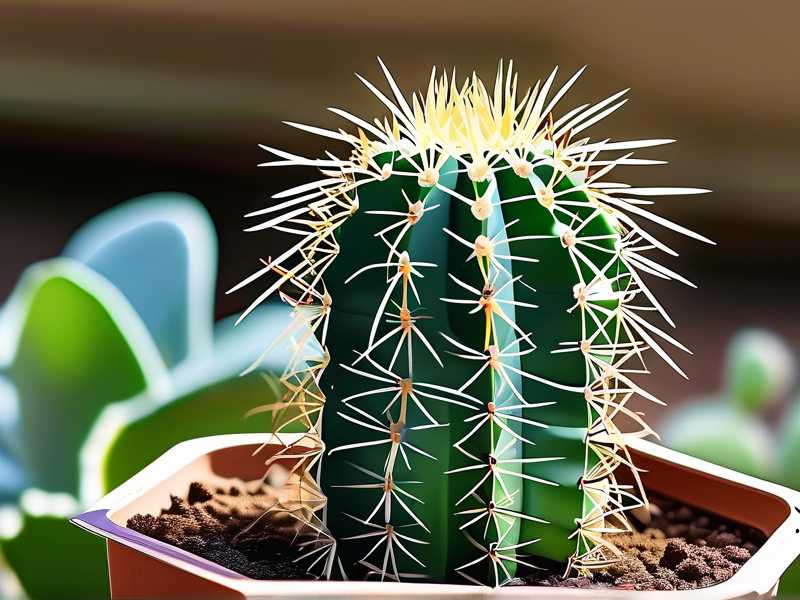
Here’s the straight answer: Wait at least 7 to 14 days before the first watering after transplanting. Then, water deeply once, using about 1/4 to 1/2 cup for a 4-inch pot, and let the soil dry completely before the next watering.
That simple timing shift saved my plants.
And I know what you’re thinking: “But my cactus looks thirsty!”
Trust me, it’s not.
Now, let me walk you through exactly how I figured this out—through trial, error, and a few dead plants.
Why Most People Kill Their Cactus Right After Transplanting
I used to think cactus care was easy.
Just ignore it, right?
Wrong.
When you transplant a cactus, its roots get damaged. Even if you’re gentle, tiny root hairs break off.
Those roots can’t absorb water immediately.
If you water right after potting, the wet soil sits against those wounded roots.
That’s a recipe for rot.
90% of indoor plants die from overwatering, and cactus owners are no exception. I’ve been there.
My First Transplant Disaster
I remember my first transplant clearly.
I had a beautiful golden barrel cactus.
I repotted it into a bigger terracotta pot, felt proud, and immediately gave it a good soak.
Within three days, the base turned mushy.
I panicked, tried to dry it out, but it was too late.
That cactus rotted from the inside out.
I didn’t know about the waiting period back then.
Now I do.
The 3 Deadly Mistakes New Cactus Owners Make
1. Watering Too Much, Too Soon
This is the number one killer.
I’ve done it. You might do it.
The urge to “help” the plant settle in is strong.
But here’s the thing: cactus roots need time to heal.
Pouring water right after transplanting is like putting a bandage on a fresh wound and then soaking it.
It doesn’t heal. It gets infected.
Solution: Wait 7-14 days. No exceptions.
2. Wrong Light Placement After Watering
I made this mistake with my second cactus.
After waiting the full 10 days, I watered it.
Then I put it directly in bright, full sun.
The combination of wet soil and intense heat cooked the roots.
Cactus roots are sensitive when they’re recovering.
They can’t handle extreme conditions right after watering.
Solution: After watering, keep the cactus in bright indirect light for 3-5 days. Then gradually move it back to direct sun.
3. Using the Wrong Pot or Soil
I’ll never forget my third cactus.
I put it in a beautiful glazed ceramic pot with no drainage hole.
I thought, “I’ll just be careful with water.”
I wasn’t careful enough.
Water pooled at the bottom, the roots sat in moisture, and the cactus collapsed within two weeks.
Another lesson learned.
Solution: Always use a pot with drainage holes. Terracotta is best. And use a fast-draining cactus mix, not regular potting soil.
How to Water Cactus After Transplanting: My Step-by-Step Process
I’ve refined this over years of killing and saving cacti.
This works every time now.
Step 1: Choose the Right Pot and Soil
Before transplanting, I get everything ready.
I use terracotta pots because they breathe.
They wick moisture away from the roots.
I also mix my own cactus soil:
- 2 parts regular potting soil
- 1 part coarse sand
- 1 part perlite or pumice
This drains fast.
The roots never sit in water.
Step 2: Transplant Gently
I carefully remove the cactus from its old pot.
I shake off the old soil gently.
If there are any dead or mushy roots, I cut them off with clean scissors.
Then I place it in the new pot.
I fill around the roots with my dry soil mix.
I tap the pot lightly to settle the soil.
I do not water yet.
Step 3: The Waiting Period
This is the hardest part.
I put the newly potted cactus in a spot with bright indirect light.
No direct sun for now.
I wait.
I check the soil every few days.
It stays bone dry.
I remind myself: “The roots are healing.”
I wait a full 7 days for small cactus (under 4 inches).
I wait 10 to 14 days for larger ones (over 6 inches).
I once waited 14 days for a big saguaro I transplanted.
It survived beautifully.
Step 4: The First Watering
After the waiting period, I water deeply.
Here’s exactly what I do:
- I use room-temperature water.
- I pour slowly around the base, not directly on the stem.
- For a 4-inch pot, I use about 1/4 to 1/3 cup.
- For a 6-inch pot, I use about 1/2 cup.
- I stop when I see water coming out of the drainage hole.
Then I let the excess drain completely.
Step 5: Observe for 2 Weeks
This is where the real learning happens.
I keep the cactus in bright indirect light for the next 3-5 days.
Then I move it to a spot with a few hours of morning sun.
I watch the soil.
It usually takes 10-14 days for the soil to dry out completely.
I check by sticking my finger about an inch deep.
If it’s dry, I water again.
If it’s still damp, I wait.
My 2-Week Observation Log From a Real Transplant
I did this with a small barrel cactus last month.
Here’s what happened.
Day 1: Transplanted into a 4-inch terracotta pot. Dry soil. No water.
Day 4: Checked the soil. Still bone dry. Cactus looks fine. No changes.
Day 7: First watering day. I gave it 1/4 cup of water. The soil absorbed quickly. Water came out the drainage hole. I let it drain for 10 minutes.
Day 8: Soil feels slightly damp on top. Cactus looks plump. Good sign.
Day 11: Soil feels dry about half an inch down. Still a little moisture underneath. I wait.
Day 14: Soil is fully dry. The cactus looks slightly less plump. Time for the second watering.
I gave it another 1/4 cup.
The cactus is now thriving.
It’s grown a small new pad at the top.
How Much Water Does a Transplanted Cactus Really Need?
This depends on the size of the pot and the cactus.
I use this simple rule:
- Small pots (2-4 inches): 1/4 cup per watering.
- Medium pots (5-6 inches): 1/2 cup per watering.
- Large pots (8+ inches): 3/4 to 1 cup per watering.
But honestly, the amount matters less than the timing.
A cactus can handle a bit more water if it has time to dry out between waterings.
The real danger is constant moisture.
I’ve learned that the hard way.
What Does the Research Say?
The RHS (https://www.rhs.org.uk) emphasizes that cactus roots are highly susceptible to rot when soil remains wet for extended periods.
They recommend using a free-draining compost and avoiding watering immediately after repotting.
Similarly, the AHS (https://ahsgardening.org) notes that cacti evolved in arid environments where water is scarce. Overwatering is the most common cause of failure for indoor cactus growers.
I follow their guidelines closely now.
It’s saved me a lot of heartache.
Common Questions I Get About Watering Cactus After Transplanting
Can I mist my cactus after transplanting?
I used to mist mine, thinking it would help.
It didn’t.
Misting adds moisture to the stem, which can cause rot, especially near the base.
Stick to watering only the soil.
And only after the waiting period.
What if my cactus looks wrinkled after a week?
I’ve seen this happen.
It’s usually a sign of dehydration from the transplant shock.
But don’t rush to water.
Wrinkling is normal for the first week or two.
Wait the full 7-14 days, then water deeply.
The cactus will plump back up within 24 hours.
I’ve had a wrinkled cactus bounce back after a single good soak.
Should I fertilize after transplanting?
Absolutely not.
I tried this once with a small aloe-like cactus.
The fertilizer burned the tender new roots.
The plant struggled for months.
Wait at least 4-6 weeks before introducing any fertilizer.
Even then, use a diluted cactus-specific formula.
A Few More Personal Tips
I keep a watering journal now.
It sounds silly, but it works.
I write down the date I transplanted.
I mark the first watering day.
I note any changes I see.
This helps me track patterns.
Also, I choose pots that are only 1-2 inches larger than the root ball.
Big pots hold too much soil.
And too much soil means too much moisture.
I’ve killed cactus by going too big too fast.
Now I go slow.
One more thing: I always use a well-draining soil mix.
I’ve tried store-bought cactus soil.
Some of it is too dense.
I prefer mixing my own.
It takes an extra 5 minutes, but it’s worth it.
The Truth About Watering Frequency
Here’s what I’ve learned after years of trial and error:
- Newly transplanted cactus: Water every 10-14 days.
- Established cactus (after 2 months): Water every 2-4 weeks.
- During winter dormancy: Water once a month or even less.
The key is to check the soil.
Not the calendar.
I wait until the soil is completely dry before watering again.
That rule has never failed me.
Why I Stopped Being Afraid of Underwatering
I used to panic when the soil stayed dry for weeks.
I thought my cactus was suffering.
But cactus are desert plants.
They store water in their stems.
Underwatering is almost always safer than overwatering.
I’ve gone 3 weeks without watering a healthy, established cactus.
It looked fine.
A little thinner, maybe.
But fine.
Overwatering kills in days.
Underwatering just makes the plant wait a bit longer.
Final Thoughts From Someone Who’s Been There
I’ve killed my share of cactus.
I’ve learned the hard way.
But now, I have a shelf full of healthy, thriving cactus.
Some are over 5 years old.
The secret is simple: wait before watering, water deeply but infrequently, and use the right pot and soil.
If you’re reading this because you just transplanted a cactus and you’re unsure what to do, here’s my advice:
Put the watering can down.
Walk away.
Wait 7-14 days.
Then water once.
Your cactus will thank you.
I promise.
FAQ
Can I water my cactus if the soil looks dry after 5 days?
No. The roots need time to heal, even if the soil feels dry. Wait the full 7-14 days.
What if my cactus turns yellow after transplanting?
That could be from too much moisture or too much light. Check the soil. If it’s wet, let it dry out completely. Move the cactus to indirect light.
Do I need to use distilled water for my cactus?
Tap water is usually fine. But if you have very hard water, letting it sit out for 24 hours helps chlorine dissipate. I use filtered water when I remember, but tap water hasn’t caused me problems.
You’ve got this.
Just take it slow.
One cactus at a time.





