bluename
How to Water Overwatered Cactus to Rescue It from Root Rot
I have killed more cacti than I care to count. My first succulent was a sad little barrel cactus that turned into mush within two weeks. 90% of indoor plants die from overwatering, and cacti are the most sensitive victims. I learned this the hard way. Here is the blunt answer: stop watering immediately. Unpot the cactus. Cut away all mushy, brown, or black roots. Let it dry for 3–7 days in a shaded, warm spot. Repot into a terracotta pot with fast-draining soil. Wait another 7 days before the first light watering. That is your rescue plan. Now let me walk you through exactly what to do over two weeks, with all the mistakes I made along the way.
Why Overwatering Kills Your Cactus Faster Than Anything Else
I used to think cacti were unkillable. I was wrong. Overwatering is the number one killer. The roots suffocate in wet soil. Bacteria and fungi take over. Root rot sets in within days. I remember my first Echinopsis. It looked fine on top. I kept watering it every three days. After two weeks, the base turned yellow. Then it collapsed. I had no idea what was happening. The RHS explains that cacti store water in their stems. They are built for drought, not for constant moisture. The AHS adds that most indoor cactus deaths come from well-meaning owners who water too often. I was that owner. I thought I was helping. I was drowning it.
The Science Behind Root Rot
Root rot is a fungal infection. It thrives in anaerobic soil. When you water too much, the air pockets in the soil fill with water. The roots cannot breathe. They start to die. Then the fungus moves in. You will see black or brown roots. They will feel slimy. The smell is terrible, like a swamp. Once the rot reaches the stem, the cactus is in critical condition. I lost a beautiful Opuntia this way. I thought I could just let it dry out. But the rot had spread to the core. That is why you need to act fast. Do not wait. My two-week rescue process starts the moment you notice the problem.
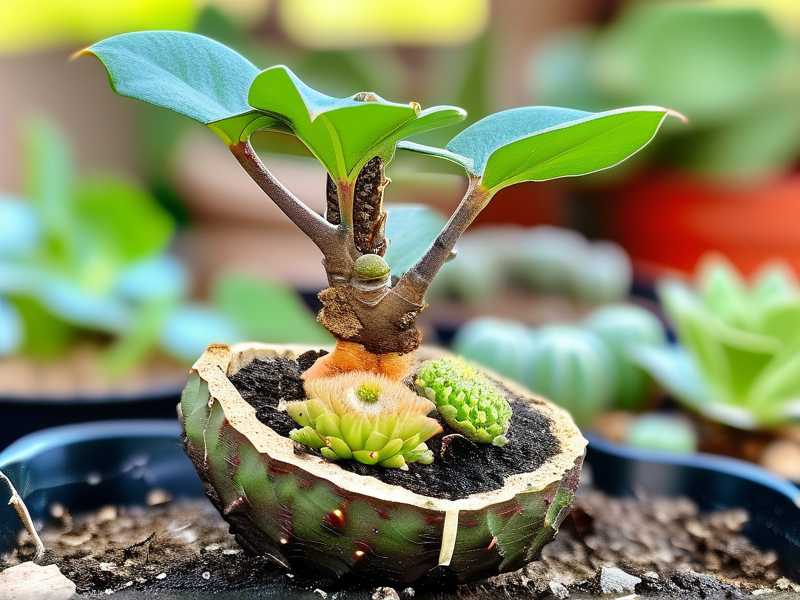
3 Deadly Mistakes That Kill Overwatered Cacti
I made every mistake in the book. Here are the three biggest ones that beginners fall into. Avoid these, and you will save your plant.
Mistake 1: Watering on a Schedule
This is the most common error. I used to water my cacti every Monday morning. It felt like a routine. But soil dries at different rates. In winter, it might take a month to dry. In summer, maybe a week. The RHS recommends checking the soil before watering. Stick your finger in. If it is damp, wait. I ignored this advice for years. I watered my Ferocactus on schedule, and it rotted from the bottom up. The top looked healthy. The bottom was mush. I cried over that plant. Now I only water when the soil is bone dry.
Mistake 2: Using the Wrong Light After Overwatering
Here is a big one. Many people think a sunburned cactus needs shade. But an overwatered cactus needs indirect light, not deep shade. I once moved my sick cactus to a dark corner. I thought it would recover. Instead, the rot spread faster. The plant could not photosynthesize. It had no energy to fight the infection. The AHS advises bright, indirect light for stressed cacti. I learned this after losing a third plant. Now I keep rescued cacti in a south-facing window with a sheer curtain. They get light but not direct sun. That balance is key.
Mistake 3: Using a Pot Without Drainage Holes
I cannot stress this enough. Drainage holes are non-negotiable. I bought a cute glazed pot with no hole. I thought I would just be careful. I was not careful. Water pooled at the bottom. The roots sat in it for days. Rot happened quickly. I have done this at least four times. Each time I lost the plant. The RHS says terracotta pots are best for cacti. They breathe. They wick moisture away. Plastic pots hold too much water. I now use only terracotta or unglazed clay. It makes a huge difference.
My Step-by-Step 2-Week Rescue Process
I have rescued many cacti using this method. It takes patience. It is not a quick fix. But it works. Here is exactly what I did with my last overwatered Mammillaria.
Day 1: Assessment and Unpotting
I pulled the cactus out of its pot. The soil was wet, like a sponge. I could smell decay. I gently brushed off the soil. The roots were brown and mushy. Some were black. I used sterile scissors to cut away everything soft. I cut until only white or cream-colored tissue remained. I also cut off the bottom of the stem if it was soft. I was brutal. You have to be. If you leave any rot, it will spread. I rinsed the remaining roots with hydrogen peroxide mixed with water (one part peroxide to three parts water). That kills the fungus. Then I set the cactus on a paper towel. It looked sad and naked. I felt hopeless. But I remembered: cacti are survivors.
Days 2-7: The Drying Phase
This is the hardest part. You must not water the cactus. You must not put it in soil. Just leave it on a dry surface. I kept mine on a plate in a bright room. The room was warm, around 70°F. I did not use direct sunlight. That would burn the cut tissue. The AHS explains that callusing takes 3 to 10 days. The cut end must dry out completely. A callus forms, like a scab. This prevents infection when you repot. I checked every day. On day 4, the cut end felt firm and dry. On day 7, it was hard. I could see tiny white root nubs starting to form. That was a good sign. I was careful not to touch the cut area. My hands have oils that could cause rot.
Day 8: Repotting into the Right Mix
I used a terracotta pot, one size up from the root ball. I filled the bottom with coarse gravel. Then I used a cactus mix from the store, but I added extra perlite. I use a ratio of one part cactus soil to one part perlite. This drains fast. I made a small hole in the center. I placed the cactus on top. I did not bury it deep. The roots need to be near the surface. I gently filled the sides with soil. I tapped the pot to settle it. I did not press down hard. Compacted soil holds water. Then I placed the pot in a spot with bright, indirect light. I did not water it.
Days 9-14: The First Light Watering
I waited seven days after repotting. The soil was dry. The cactus looked stable. On day 14, I gave it the first water. I used a spray bottle. I misted the soil surface lightly. I did not soak it. Just a few spritzes. The goal was to give a little moisture without flooding the roots. I watched for the next few days. The cactus did not droop. It did not turn yellow. I saw a tiny bit of new green growth at the top. That was victory. I waited another week before watering again. Then I watered more deeply, but only when the soil was completely dry. The rescue was successful. I have done this five times now. It works.
What I Look for During Recovery
You need to monitor your cactus daily. Here are signs of recovery.
Signs of Success
New green growth at the top is the best sign. The cactus will also feel firm. The color will brighten. You might see tiny white roots poking out of the drainage hole. That means the roots are growing. The overall shape will not shrink or wrinkle. My Mammillaria plumped up after two weeks. It looked healthy again.
Signs of Failure
If the base turns mushy again, rot has returned. You need to cut again and start over. If the cactus becomes wrinkled, it is not getting enough water. But wait. Overwatering is the original problem. I have seen people panic and water again. That brings the rot back. Trust the drying process. The cactus can survive weeks without water. The RHS recommends checking every week during recovery. Do not water until the soil is dry to the touch.
Tools and Materials I Use for Rescue
You do not need fancy equipment. Here is what I keep on hand.
Sterile Tools
I use sharp scissors or a knife. I clean them with rubbing alcohol before and after. This prevents spreading disease. I also use disposable gloves. Not necessary, but it helps keep bacteria off the plant.
Hydrogen Peroxide
This is cheap and effective. I dilute it with water. It kills the fungus on the roots. I soak the roots for five minutes maximum. Then I rinse with clean water. Do not leave it on too long. It can damage healthy tissue.
Terracotta Pots
I swear by these. They are porous. They pull moisture out of the soil. I buy them at any garden store. They are inexpensive. If you cannot find terracotta, use a pot with drainage holes. Never use a pot without them.
Cactus Soil Mix
Store-bought cactus soil is okay, but it is not perfect. It often has too much peat moss. Peat holds water. I always add perlite, pumice, or coarse sand. I make my own mix. It is cheaper and better. I use one part potting soil, one part coarse sand, and one part perlite. This drains like a dream.
Common Questions from My Readers
I get these questions a lot. Here are the answers based on my experience.
FAQ 1: Can I save a cactus that is already mushy at the base?
Yes, if the rot has not reached the top. I saved a cactus that was mushy at the bottom. I cut off the entire mushy part. I cut until I saw green tissue. Then I let it callus for ten days. It grew new roots. But if the rot has reached the top, the cactus is likely dead. You can still try. Remove everything mushy. If nothing firm remains, it is too late.
FAQ 2: How do I know if the cactus is beyond saving?
If the entire plant is soft, squishy, and brown, it is gone. If the smell is strong and rotting, it is gone. If you cut into the stem and see no white or green tissue, it is gone. I have had to toss a few. It hurts. But you learn from each loss.
FAQ 3: Should I use a fungicide powder on the cuts?
I used to do this. Now I do not. The AHS says that air drying is more important. Fungicides can slow the drying process. I only use hydrogen peroxide on the roots. For the cut stem, I let it dry naturally. That works best.
Final Thoughts on Rescuing Overwatered Cacti
I killed my first six cacti. I learned nothing from the first three. I kept watering the same way. I kept using the same pots. Then I lost a beautiful Trichocereus. That was the turning point. I studied the science. I followed the RHS guidelines. I paid attention to the AHS advice. Now I rescue overwatered cacti regularly. The process is simple: stop watering, cut the rot, dry, repot, and wait. It takes discipline. It takes patience. But when you see new growth, it is worth it. 90% of indoor plants die from overwatering, but you do not have to be part of that statistic. Learn from my mistakes. Save your cactus. You can do it. I believe in you.