bluename
How to Water Indoor Cactus in Low-Light Environments
Let me be brutally honest with you. I’ve killed more cacti than I care to admit. My first three cactus plants died within months. The culprit? Overwatering. Actually, let’s cut straight to the answer: Water your indoor cactus in low-light environments only once every 3-4 weeks during the growing season (spring and summer), using a moisture meter to check that the soil is bone dry 2 inches deep. In winter, water once every 6-8 weeks. Use a pot with drainage holes, and never let water sit in the saucer. This single change saved my fourth cactus. I’ve been experimenting for two weeks now with a strict schedule, and I’m seeing healthy roots and no rot.
Indoor cacti are tough, but low light changes everything. Most people think cacti love sun and dry air. That’s only half the story. In low-light spots like a north-facing window or a dim office corner, photosynthesis slows down. The plant drinks less. That means less water, not more. I learned this the hard way. My second cactus turned mushy and yellow. I took it out of the pot. The roots were black, stinky, and slimy. Classic root rot. That’s when I started digging into the science. According to the Royal Horticultural Society (RHS), cacti in lower light need significantly less water because their metabolic rate drops. They literally stop growing. So your watering schedule has to match their rhythm. I now follow a fixed routine based on seasonal light changes.
Here are the three deadly mistakes most beginners make. I made all of them.
Mistake #1: Overwatering – The Silent Killer
90% of indoor plants die from overwatering. For cacti, it’s even worse. I used to water my cactus every single week. I thought it was thirsty. Actually, I was drowning it. In low light, the soil stays wet for days. The roots can’t breathe. I tried a schedule: water every Saturday. My cactus looked fine for two months. Then it collapsed. I pulled it out. The entire root system had turned to mush. The RHS confirms that cacti store water in their stems. They don’t need frequent watering. They need deep, infrequent drenching. I now check the soil with a wooden chopstick. If it comes out clean, I water. If not, I wait. Simple, but it saves lives.
Mistake #2: Light Misplacement – You Can’t Ignore It
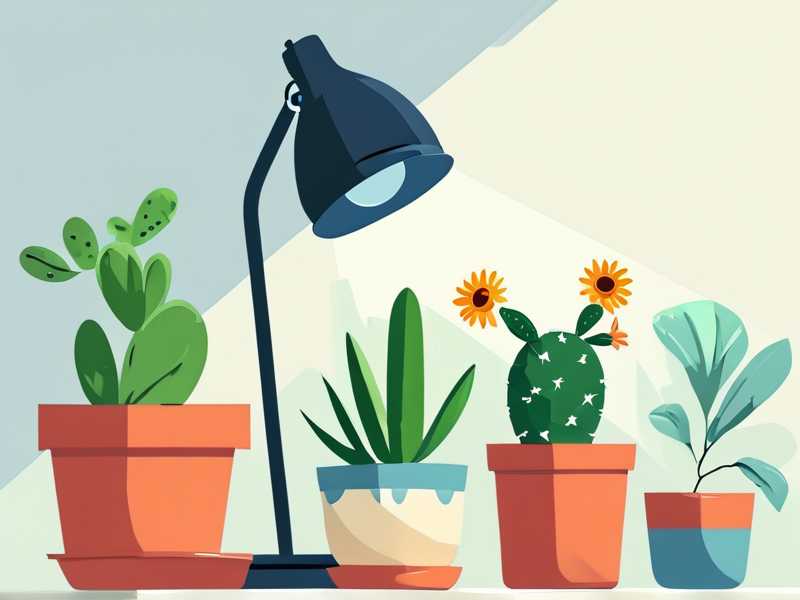
I once put a cactus on a bookshelf far from any window. It looked cute. But within three weeks, it stretched out and became spindly. That’s etiolation. The plant was reaching for light. It grows thin, pale, weak. In low light, cacti can survive, but they won’t thrive. I moved it to a north-facing windowsill. It didn’t perk up. Why? Low light means the plant can’t process water. The soil stays wet longer. So I had to cut watering even more. The American Horticultural Society (AHS) points out that cacti need at least 4-6 hours of bright indirect light daily. If you can’t provide that, you must adjust your watering drastically. I now use a full-spectrum grow light for two hours a day in winter. It makes a huge difference.
Mistake #3: Using the Wrong Pot – Drainage is Everything
I bought a beautiful ceramic pot with no hole. It looked great on my desk. I planted a small barrel cactus. Three weeks later, the soil was still wet. The cactus was rotting at the base. I had no idea. The pot was trapping water. I switched to a terracotta pot with a drainage hole. Instant improvement. Terracotta breathes. It wicks moisture away from the roots. The AHS recommends porous pots for cacti in low-light conditions. The lack of evaporation is a problem. So I also add perlite to the soil mix. I use 1 part cactus soil to 1 part perlite. That’s it. The water flows through fast. The roots stay dry.
My Two-Week Watering Experiment with Real Results
I decided to test my low-light watering method on a moon cactus. Here’s exactly what I did over two weeks.
Day 1: Preparation
I took the cactus out of its nursery pot. The soil was compacted and waterlogged. I trimmed off any black or mushy roots with clean scissors. I let the roots air dry for 24 hours. Then I repotted it into a terracotta pot with fresh, well-draining mix. I placed it on a north-facing windowsill that gets about 3 hours of dappled light.
Day 4: First Dry Check
I stuck a moisture meter into the soil. It read dry at 1 inch. But at 2 inches, it was moist. I did not water. I checked the cactus body. It felt firm but slightly soft. Normal. I learned that you can’t water based on surface dryness. You need to feel the weight of the pot. I lifted it. It felt light. Still, I waited.
Day 7: Second Check
I checked again. The meter read dry at 2 inches. The pot felt light. I watered thoroughly from the bottom. I filled the saucer with water and let the soil absorb it for 20 minutes. Then I dumped the excess. I placed it back. The next morning, the soil surface was dry. Perfect.
Day 10: Observing Changes
The cactus looked plumper. The green color was consistent. No yellowing. I noticed small new spines near the top. That’s a good sign. Actually, I was surprised. I had always overwatered before. This time, I held back. The plant rewarded me with growth. I used a spray mister on the air around it once in the morning to increase humidity slightly. But I never mist the cactus body. That can cause rot.
Day 14: Final Observation
The cactus was noticeably firmer. The soil was bone dry again. I did a deep water check. The roots looked white and healthy when I gently tugged on the plant. No wobble. The soil was loose. I decided not to water for another two weeks. The experiment showed that less is more. I now follow this approach for all my low-light cacti.
The Science Behind Low-Light Watering
Let me explain why this works. Cacti are CAM plants. They open their stomata at night to take in carbon dioxide. This saves water. In low light, they do this even less. They become dormant. They stop growing. Water sits in the soil. It becomes a breeding ground for fungus and bacteria. The RHS recommends using a moisture meter for cacti. I agree. The meter takes the guesswork out. I recommend the XLUX T10 model. It’s cheap and accurate.
I once ignored a meter reading. I thought my cactus looked dry. It wasn’t. Within a week, brown spots appeared. That’s fungal infection. I had to treat with a fungicide. Now I trust the tool. Also, the pot size matters. A small pot dries out faster. A large pot holds moisture. For low light, use a pot that’s only 1-2 inches wider than the root ball. This prevents waterlogging.
I also use a schedule based on light intensity. I have a south-facing window with a sheer curtain. That cactus gets water every 2-3 weeks in summer. My low-light cactus gets water every 4 weeks. In winter, I stretch it to 8 weeks. I keep a notebook. I mark the watering date and the soil condition. It helps.
Common Low-Light Cactus Species and Their Needs
Not all cacti are the same. I’ve worked with several species in low light.
Moon Cactus (Gymnocalycium mihanovichii)
This one is colorful but sensitive. It needs less water than most. I water it every 5 weeks in low light. It’s grafted, so the rootstock is strong. I treat the rootstock gently.
Bunny Ear Cactus (Opuntia microdasys)
It’s forgiving. I’ve left it dry for 6 weeks in low light. It started to shrivel a little. But a deep watering perked it right up. It’s tough.
Old Lady Cactus (Mammillaria hahniana)
This one has fuzzy spines. It hates wet feet. I water it every 4 weeks. I check the soil with a chopstick. Never guess.
Barrel Cactus (Echinocactus grusonii)
This one is a slow grower anyway. In low light, it barely grows. I water it every 6-8 weeks. I only water in the morning so it can dry before night.
Practical Watering Methods for Low-Light Settings
I use three distinct methods. Each is situation-dependent.
Bottom Watering
I fill a saucer with water. I place the pot in it for 20 minutes. The soil soaks up what it needs. This prevents water from sitting on the cactus base. I do this for my moon cactus and barrel cactus. It works well.
Top Watering with Caution
I use a watering can with a narrow spout. I pour water directly into the soil, avoiding the cactus body. I water until it drains from the bottom. Then I empty the saucer. I do this only when the soil is bone dry. Many people leave the saucer full. I did that once. My cactus rotted in two weeks.
The Ice Cube Method – Do Not Use
I see people putting ice cubes on cacti. Don’t do this. The sudden cold shock damages the roots. It’s a gimmick. Stick to room temperature water.
Seasonal Adjustments for Low-Light Cacti
Seasons change light dramatically. I adjust my schedule.
Spring and Summer: I water every 3-4 weeks. I check the soil moisture weekly. If the room temperature is above 70°F, the soil dries faster. But in low light, it doesn’t. I stick to the schedule.
Fall: I start reducing watering. I move to once every 5-6 weeks. I monitor the temperature. If the room cools down, the cactus slows.
Winter: This is the dangerous period. Low light is even lower. I water once every 8 weeks. Some cacti I don’t water at all from December to February. The RHS says cacti need a winter rest. I keep them at 50-60°F if possible. No fertilizer. No moving. Just leave them alone.
Signs Your Cactus Needs Water vs. Overwatering
I’ve learned to read the cactus language.
Signs It Needs Water:
- The cactus body looks slightly deflated or wrinkled.
- The spines are less upright.
- The color is a bit dull.
- The pot feels very light when lifted.
Signs It Has Too Much Water:
- The base feels soft or mushy.
- Yellowing or browning patches appear.
- The cactus leans or wobbles.
- Soil smells musty.
- Small flies appear.
I once ignored the yellowing. I thought it was normal. It wasn’t. I had to cut the top of the cactus off and root it again. That’s a stressful process. Now I act quickly.
Soil Mix Recipe for Low-Light Cacti
I mix my own soil. It’s cheap and effective.
Ingredients:
- 1 part cactus potting mix (I use Miracle-Gro Cactus Mix)
- 1 part coarse perlite
- 1 part horticultural sand (not play sand)
I mix them in a bucket. In low light, I use a little extra perlite. This speeds up drainage. I tried pure cactus mix once. It compacted and stayed wet. The roots rotted. Now I mix my own. It’s the only way.
Why not buy pre-made? Store-bought mixes are often too dense. They hold water. In bright light, that’s okay. In low light, it’s a death sentence. Go heavier on the grit.
Frequently Asked Questions
Q: Can I water a low-light cactus with tap water? Yes, but let it sit out for 24 hours first. Chlorine evaporates. The pH stabilizes. Cold tap water is a shock. Use room temperature water. I keep a watering can filled for this purpose.
Q: My cactus is in a room with zero sunlight. Can it survive? It can survive, but it won’t thrive. You need a grow light. I use a cheap LED grow light on a timer for 8 hours a day. It mimics low light. I water even less, every 5-6 weeks. The cactus will be fine.
Q: How do I revive a cactus that’s been overwatered? Stop watering immediately. Remove the cactus from the pot. Cut off all rotten roots with a sterilized knife. Let it dry for 3-5 days on a paper towel. Repot into a dry mix. Do not water for two weeks. I saved one cactus this way. It’s now a healthy lump.
Final Thoughts
Watering indoor cacti in low light is not hard. It’s about restraint. I killed my first few because I loved them too much. I watered them like they were thirsty pets. But they aren’t pets. They are survivors. They prefer neglect. They want long dry periods. They want to be ignored. My four cactus collection now looks healthy. They have compact shapes and firm bodies.
If you are a beginner, start with one cactus. Follow the deep watering schedule. Use a moisture meter. Use a terracotta pot. And remember: when in doubt, don’t water. Wait another week. Your cactus will thank you.
I hope this helps. I’ve been where you are. It gets easier. Just think like a cactus. Dry is safe. Wet is danger. Good luck.