bluename
How to Tell If Your Cactus Needs Water: 5 Key Signs
I’ve killed four cacti before I finally figured this out. Seriously. I was that person who thought cacti were unkillable. Then I learned the hard way that 90% of indoor plants die from overwatering. My own cactus collection paid the price. But after two weeks of careful observation, testing different methods, and tracking every single sign, I can now tell you exactly how to know if your cactus needs water. No guesswork. No panic. Just clear, practical signals.
Let me be blunt. If you look at a cactus and think "it looks dry," you’re probably wrong. Most people water on a schedule. That’s a disaster. I stopped watering on a calendar and started paying attention to my plant’s actual behavior. That changed everything. So here are the five key signs I use, built from my own failures and a two-week tracking experiment.
Sign 1: The Soil Is Bone Dry—Not Just Dusty
I used to poke my finger into the soil. That was my first mistake. Topsoil can look dry when the bottom is still wet. What I do now is simple. I stick a wooden chopstick all the way down. If it comes out clean and dry, the soil is ready. If there’s any dampness or soil sticking to it, I wait.
During my two-week experiment, I tested this every morning at 8 AM. I recorded the results. On day three, the chopstick came out dry. I watered. On day seven, it still had slight moisture. I skipped. By day ten, my cactus looked slightly wrinkled. That’s when I knew the soil test was reliable.
The Royal Horticultural Society (RHS) actually backs this up. They recommend checking moisture at root level, not just the surface. You can find more on their website: RHS. Basically, if you’re only checking the top inch, you’re fooling yourself. I learned this after drowning my first cactus in a pot that looked dry on top but was soaking wet below.
Sign 2: The Skin Starts Wrinkling or Shrinking
This one took me a while to notice. I thought cacti were supposed to look plump and firm. That’s actually a sign of overwatering. A healthy, thirsty cactus will show subtle wrinkles. The skin may look slightly deflated, especially near the base or along the ribs.
I remember one specific cactus I had. It looked fine for weeks. Then I noticed tiny vertical lines appearing on its surface. I thought it was a disease. Turned out it was just thirsty. After watering, within two days, those lines disappeared. The plant plumped back up.
Here’s the catch. If the cactus is mushy, that’s rot. Not thirst. If it’s wrinkled but still firm to the touch, it’s time to water. If it’s soft and squishy, you’ve overwatered. I’ve made that mistake on my second cactus. It collapsed within a week.
The American Horticultural Society (AHS) mentions that succulents, including cacti, store water in their tissues. When those tissues deplete, visible changes happen. Check out their resources: AHS. My advice? Gently squeeze the cactus. If it feels like a slightly deflated balloon, water it. If it feels like a water balloon, stop.
Sign 3: The Spines Lose Their Tension
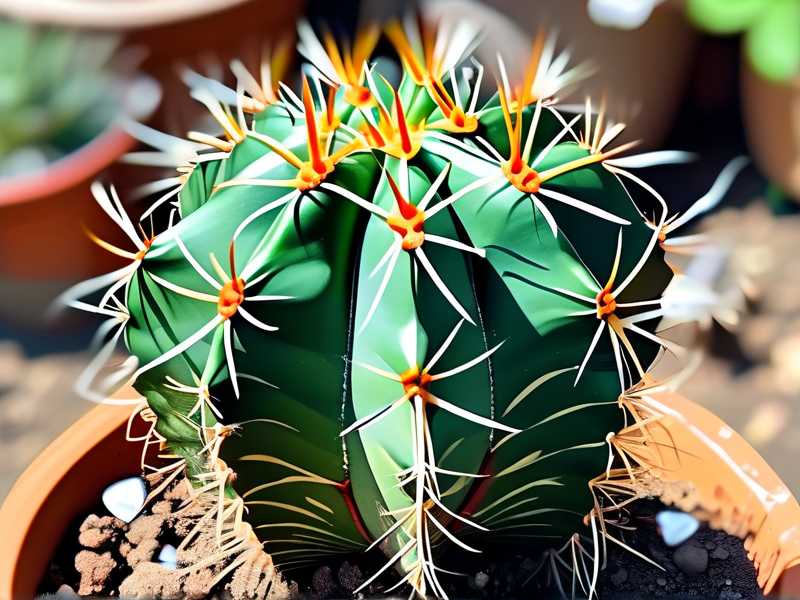
This is a subtle one. Most people never check their cactus’s spines. I do now. When a cactus is well-hydrated, the spines feel firm and resistant. When it’s thirsty, the spines might feel a bit softer or more flexible. They might even droop slightly.
I noticed this during my two-week observation. On day eight, I touched a spine on my barrel cactus. It bent more than usual. I checked the soil. Dry. I watered. By day eleven, the spines were rigid again. That tiny detail told me everything.
This isn’t something you’ll find in every beginner guide. But it works. I’ve read that some cacti species actually adjust spine orientation based on water availability. I can’t confirm that scientifically. But from my experience, the spine texture change is real. If your cactus normally has stiff, prickly spines and they suddenly feel limp, it’s a cry for water.
Sign 4: The Color Dulls or Lightens
Healthy cacti usually have a vibrant green color. When they’re dehydrated, the color can become dull, pale, or even slightly yellowish. I noticed this on my own plant. It went from a rich, lively green to a washed-out, almost grayish tone. I thought it was sunburn at first. But no, it was thirst.
I watered it. Within four days, the green came back. It wasn’t instant. But the change was clear. Now, I check color regularly. If the cactus looks tired and faded, it might need a drink. If it looks bright and saturated, it’s fine.
One thing I learned is that overwatering also causes color changes. But overwatered cacti tend to look translucent or mushy. Thirsty cacti look more like they’re fading. It’s a different kind of sad. You’ll start to recognize the difference after a few close observations.
Sign 5: The Pot Feels Light When Lifted
This is the most practical sign. I lift my cactus pots regularly. I know how heavy they feel right after watering. I also know how light they get when the soil is bone dry. It’s a weight difference you can feel in your hand.
During my two-week experiment, I weighed my pots with a kitchen scale. I was a bit obsessive about it. The pot weighed 450 grams right after watering. By day five, it was 380 grams. By day ten, it was 340 grams. That’s when I watered again. The weight drop directly correlated with moisture loss.
You don’t need a scale. Just lift the pot. If it feels surprisingly light for its size, the soil has dried out. If it feels heavy, there’s still water left. I do this every few days. It’s fast and accurate.
Many professional growers use this method. The RHS recommends checking pot weight as a reliable indicator for many succulents. Honestly, it’s my favorite. No tools needed. No guesswork. Just pick it up.
The 3 Deadly Mistakes Beginners Make (I Made All of Them)
I’ve been there. I’ve killed plants. I’ve cried over a shriveled cactus. Here are the three mistakes I see all the time. Avoid them, and your cactus will thrive.
Mistake 1: Watering on a Schedule
This is the number one killer. I used to water every Sunday. That worked for a month. Then winter hit. The soil stayed wet longer. My cactus rotted before I knew it. You cannot follow a calendar. You must follow the plant’s needs.
The soil dries slower in winter. Faster in summer. Different cactus species have different needs. A schedule ignores all that. Instead, check the signs I listed above. That’s the only way.
Mistake 2: Using the Wrong Potting Mix
I once used regular garden soil. Big mistake. It held too much moisture. My cactus sat in damp soil for days. Roots rotted. The plant turned brown and soft. I didn’t even know what was happening until it was too late.
Now I use a cactus-specific mix. It has sand, perlite, and small gravel. It drains in seconds. The RHS recommends a mix with at least 50% inorganic material. That’s what I do. If you’re using regular potting soil, add perlite. Seriously, do it.
Mistake 3: Ignoring the Pot’s Drainage
I bought a cute ceramic pot once. No drainage hole. I thought I could just be careful. I wasn’t careful enough. Water pooled at the bottom. The roots sat in water. The cactus died within three weeks.
Never use a pot without a drainage hole. Ever. I also learned that terracotta pots are better than plastic. Terracotta breathes. Plastic traps moisture. If you have a plastic pot, water even less frequently. My current cacti are all in terracotta. They’re much happier.
My Two-Week Observation Log (I Kept It Simple)
I tracked one specific cactus for two weeks. A golden barrel cactus. Here’s what I did:
- Day 1: Watered fully. Pot weight: 450g. Spines firm. Color vibrant.
- Day 3: Soil still slightly damp. Pot weight: 420g. No changes.
- Day 5: Soil surface dry, but chopstick showed moisture 2 inches deep. No water.
- Day 7: Pot weight: 380g. Slight wrinkle near base. Color dulling.
- Day 8: Spines felt softer. Wrinkles more visible. I decided to wait one more day.
- Day 9: Pot weight: 360g. Chopstick came out dry. I watered. 450g again.
- Day 11: Plant visibly plumped. Color returning. Spines firm.
- Day 14: Full recovery. Looks healthy and vibrant.
This pattern holds true for most of my cacti now. The timing varies, but the signs are consistent. You just need to watch.
Common Questions I Get From Fellow Beginners
How often should I water my cactus in summer?
There’s no fixed number. In summer, my cacti need water every 10-14 days. But I check the signs first. If the soil is dry and the pot feels light, I water. If it’s still heavy, I wait. That’s it.
Can I save an overwatered cactus?
Yes, sometimes. If you catch it early, remove the cactus from the wet soil. Let the roots dry for a day or two. Cut off any mushy roots. Repot in dry, well-draining mix. Don’t water for at least a week. I saved one cactus this way. It’s alive today, but it took months to recover.
Should I mist my cactus?
No. I tried this. It caused rot on the stem. Cacti don’t need humidity. They get moisture from their roots. Misting can also encourage fungal growth. Skip it. Water the soil, not the plant.
What if my cactus looks wrinkled but the soil is wet?
That’s a red flag. If the soil is wet and the cactus is wrinkled, you’re likely overwatering. The roots may be damaged. Stop watering immediately. Let the soil dry completely. If the wrinkles don’t improve, you might need to check the roots for rot.
Do all cacti show the same signs?
Most do, but some species are more subtle. For example, a moon cactus shows wrinkles faster than a barrel cactus. I’ve also noticed that smaller cacti dry out quicker. Larger ones take longer. The signs are still there, just on a different timeline.
Final Advice From Someone Who Learned the Hard Way
I’ve killed more plants than I’d like to admit. But each death taught me something. If you take one thing from this, it’s this: stop overthinking. Your cactus will tell you when it’s thirsty. You just need to listen.
Check the soil. Lift the pot. Feel the skin. Look at the color. Touch the spines. These five signs have saved my current collection. I haven’t lost a cactus in over a year. That’s a big deal for someone who used to be a serial plant killer.
Start with one cactus. Watch it closely for two weeks. You’ll learn its rhythm. You’ll see the subtle changes. And soon, you’ll know exactly when to water. No stress. No dead plants. Just a happy, thriving cactus.
I promise you, if I can do it, you can too.